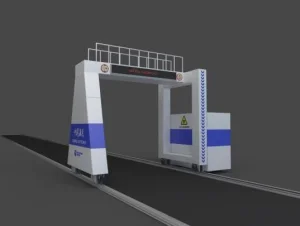
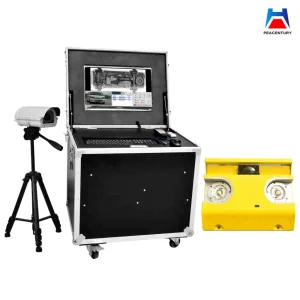
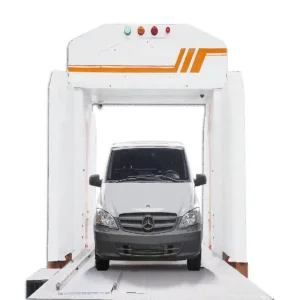
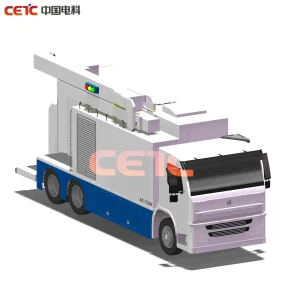
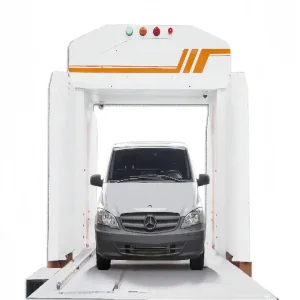
Deploying rapid scan, sub-second screening, and automated threat classification at critical transit zones and maritime entry nodes.
As a developing maritime nation positioned in the strategic Gulf of Guinea, the Democratic Republic of São Tomé and Príncipe is experiencing an essential structural transition. Its economic framework, historically anchored in agricultural exports like cocoa, is rapidly shifting towards logistics, eco-tourism, and offshore services. This transformation places high pressure on regional transport nodes—specifically the primary deep-water port facilities at Ana Chaves Bay and Fernão Dias, alongside the critical transit hubs of São Tomé International Airport (TMS) and the regional airfield on Príncipe Island.
Operating in tropical equatorial climates means local security infrastructure faces severe maritime salt spray, high relative humidity (often exceeding 85%), and intense rainfall. Standard screening equipment degrades quickly under these conditions. Shenzhen Manata Scanner Co., Ltd. customizes its high-durability under-vehicle scanners and X-ray portals to meet these constraints, ensuring long lifespans and reliable operation for local border customs.
Moreover, regional safety guidelines established by the Central African Economic and Monetary Community (CEMAC) and ECOWAS demand stringent counter-smuggling controls. Security authorities require advanced vehicle and container inspection systems capable of detecting illegal maritime cargo trade, unregistered weapons, and environmental contaminants, all while maintaining smooth traffic flows at the main customs warehouses in São Tomé city and Neves.
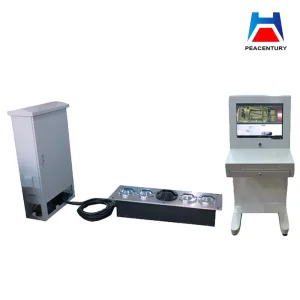
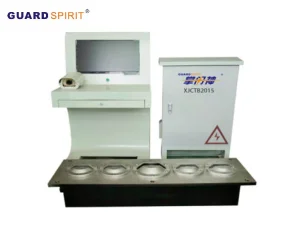
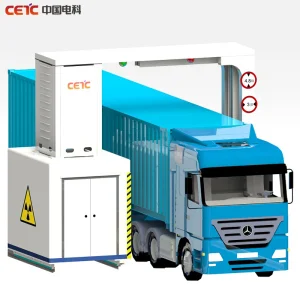
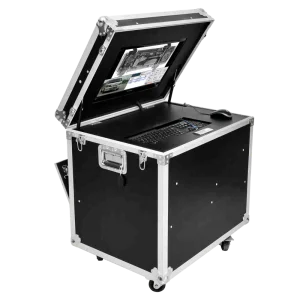
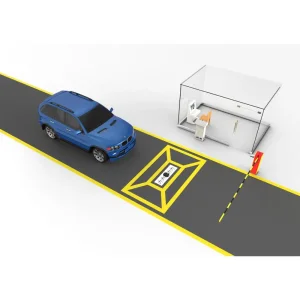
Engineered to support quick deployment deployments and high-volume cargo verification routes between Neves and São Tomé.
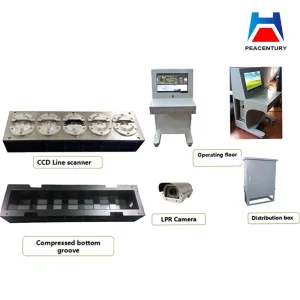
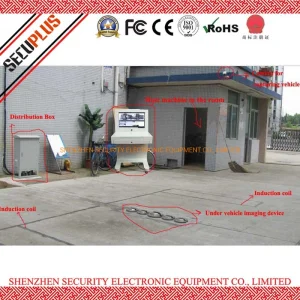
Modern vehicle safety systems rely on multi-sensor data fusion. Below is the workflow that enables instant threat localization:
The global landscape of vehicle inspection is undergoing a digital revolution. Traditional visual and manual undercarriage checks are being replaced by automated, contact-free high-definition imaging systems. By integrating artificial intelligence (AI), machine learning models, and complex optical path designs, current-generation UVSS solutions construct a composite, glare-free undercarriage map within milliseconds of a vehicle's crossing.
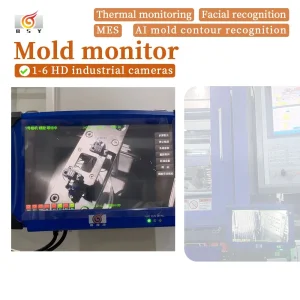
Our technological roadmap is focused on Deep Feature Extraction. By training on over a million unique vehicle classes, our software automatically identifies foreign attachments, modifications to exhaust assemblies, structural weld deviations, and added compartments designed for smuggling. In high-security applications, this is coupled with Automatic License Plate Recognition (ALPR) and driver face capture cameras, synchronizing all entry logs into a unified database.
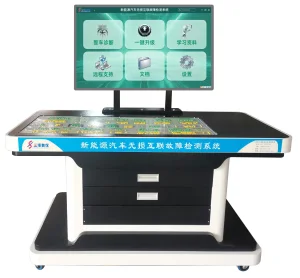
Looking forward, the transition toward electric vehicles (EVs) introduces new inspection challenges. Conventional checks cannot scan for lithium-ion battery cell overheating or structural deformations under protective plates. Shenzhen Manata Scanner is at the forefront of this shift, offering non-destructive connectivity inspection and thermal scanning systems designed for new energy vehicle architectures.
How Shenzhen Manata Scanner Co., Ltd. delivers high-performance detection systems with robust logistics support.
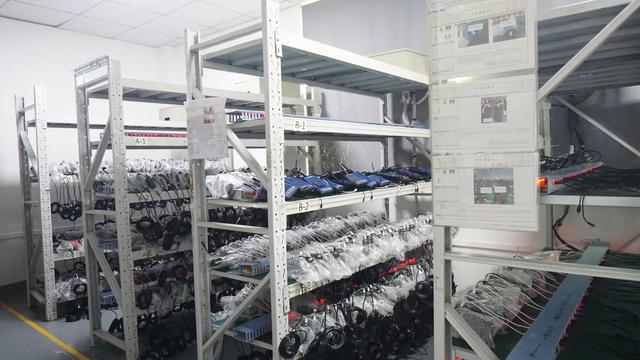
Shenzhen Manata Scanner Co., Ltd. operates in Shenzhen, the global capital of electronic component sourcing and hardware innovation. This position enables us to manage a highly integrated supply chain. We procure premium line-scan sensors, industrial microcontrollers, scintillator crystals, and optical components directly from partner fabs. This close integration reduces lead times by up to 40% compared to European or North American manufacturers.
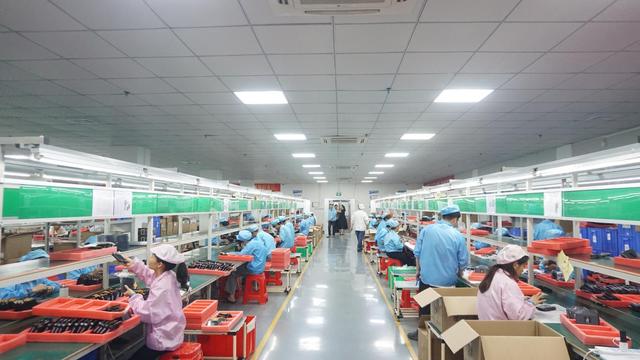
Our manufacturing facility operates under a strict Quality Management System (QMS) certified to ISO 9001, CE, and FCC standards. Every vehicle inspection system undergoes rigorous stress testing before shipping, including thermal Chamber cycles (-20°C to +75°C), high-frequency vibration testing to simulate heavy truck traffic, and extended water ingress immersion tests.
For the São Tomé and Príncipe market, this means high quality at a competitive total cost of ownership. We bypass intermediaries, shipping directly from our facility to the Port of São Tomé via reliable shipping routes. This direct factory-to-port logistics model ensures every system arrives with complete component tracking, standardized packaging, and localized configuration files pre-installed.
Deploying high-power security technology requires meeting strict national and international regulatory standards. Our X-ray container inspection systems comply fully with the safety limits defined by the International Atomic Energy Agency (IAEA) and the World Health Organization (WHO). Shielding configurations are optimized to prevent radiation exposure to system operators and drivers, maintaining levels well below standard occupational dose limits.
For São Tomé and Príncipe, we establish a robust service framework. Recognizing that on-site technical expertise can be limited on the islands, we equip every system with an integrated, secure remote gateway. This allows our Shenzhen-based technical support team to perform real-time software updates, diagnostic sweeps, calibration tweaks, and subsystem analysis via encrypted cloud connections, minimizing system downtime.
We also supply complete installation blueprints, step-by-step local contractor installation guides, and modular spare-part kits (containing extra line-scan cameras, lighting arrays, loops, and controller cards) to ensure rapid first-line recovery without waiting for international shipments.
Explore our complete collection of vehicle and cargo diagnostic solutions optimized for humid, saline, and demanding environments.
Key operational, installation, and compliance details for importing and operating vehicle scanners in São Tomé and Príncipe.
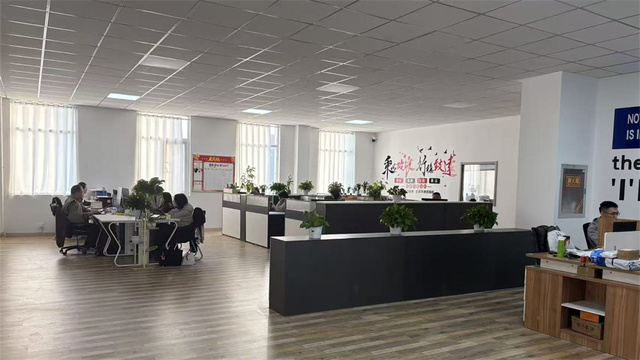
Shenzhen Manata Scanner Co., Ltd. is a leading China automotive diagnostic equipment manufacturer specializing in advanced vehicle inspection systems and ECU diagnostic solutions for the global automotive aftermarket. With a strong commitment to innovation, quality, and intelligent vehicle servicing, Manata Scanner delivers reliable diagnostic technologies designed to improve maintenance efficiency, reduce downtime, and support modern workshop operations.
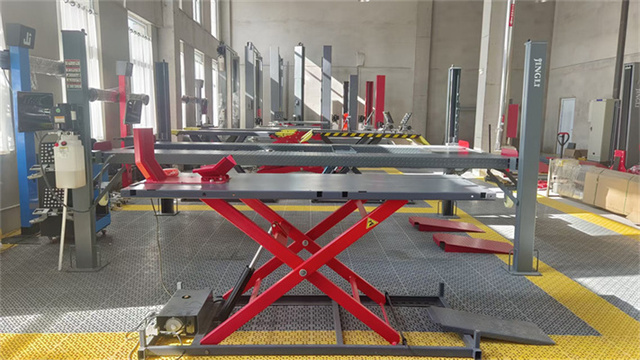
The company offers a comprehensive portfolio of automotive diagnostic equipment, including vehicle inspection systems, ECU programming and coding tools, automotive scan tools, ADAS calibration equipment, EV battery diagnostic systems, TPMS diagnostic devices, and intelligent fleet diagnostic solutions. These products are widely used by automotive repair workshops, vehicle inspection centers, dealerships, fleet operators, and maintenance service providers worldwide.
Driven by continuous technological innovation, Shenzhen Manata Scanner Co., Ltd. integrates artificial intelligence, cloud connectivity, big data analysis, and advanced electronic testing technologies into its product development process. The company's R&D team focuses on creating intelligent, accurate, and user-friendly diagnostic solutions capable of meeting the evolving requirements of both conventional and new energy vehicles.
Quality is at the core of Manata Scanner's manufacturing philosophy. The company implements strict quality management procedures throughout design, production, testing, and final inspection to ensure stable performance and long-term reliability. Its products are engineered to comply with international standards and are exported to customers across Europe, North America, South America, Southeast Asia, the Middle East, and other global markets.
Committed to becoming a trusted global partner in automotive diagnostics, Shenzhen Manata Scanner Co., Ltd. continues to provide innovative products, professional technical support, and customized solutions that help customers enhance service capabilities and operational efficiency.
 Manata Scanner