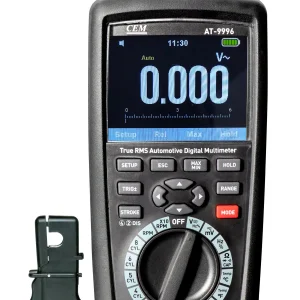
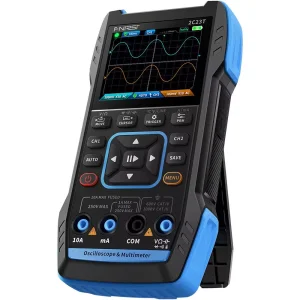
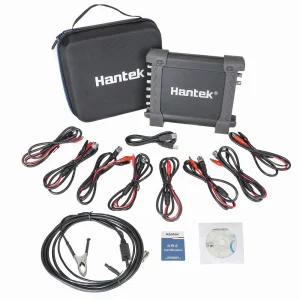
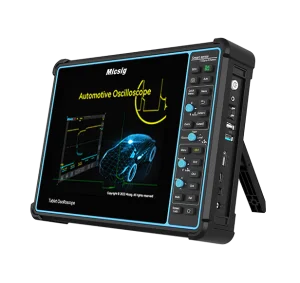
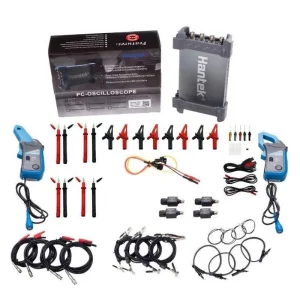
Explore our top-tier diagnostic scopes engineered for heavy workshop duties, vehicle ECU troubleshooting, and advanced electronic waveform analysis.
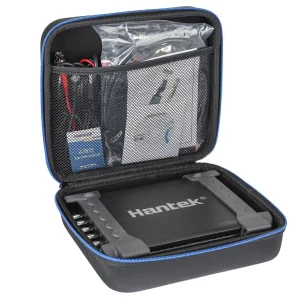
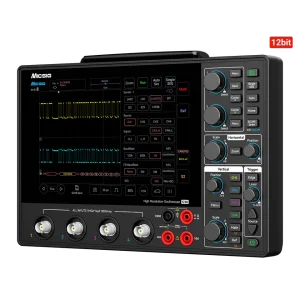
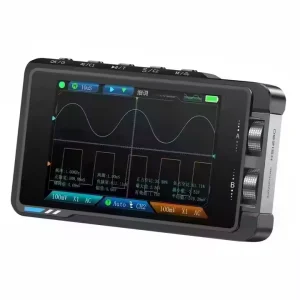
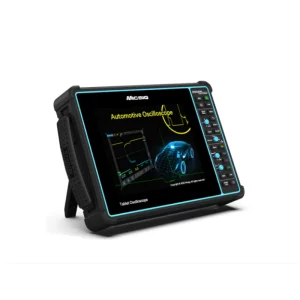
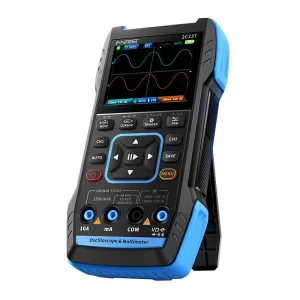
An authoritative breakdown of multi-channel diagnostic systems, industrial micro-electronic validation, and high-frequency bus analysis.
The global automotive diagnostic market is experiencing a profound transition driven by the complex electronics integration within next-generation vehicle fleets. Traditional scan tools (OBD-II readers) only access stored error codes within the Electronic Control Unit (ECU). These codes represent *consequences* rather than *causes*. In contrast, automotive oscilloscopes capture transient electrical events in real time, making them indispensable to professional workshops, OEM research centers, and global component manufacturing plants.
As industrial exporters, Chinese manufacturing clusters in Shenzhen have integrated high-end manufacturing supply chains to produce oscilloscopes that deliver benchtop-level laboratory performance in ruggedized, shop-floor-ready formats. The dynamic shift toward Electric Vehicles (EVs) and Hybrid Electric Vehicles (HEVs) has accelerated the need for high-isolation, multi-channel scopes. Global trade corridors are seeing a massive surge in demand for devices capable of analyzing high-frequency Pulse-Width Modulation (PWM) signals, CAN-FD buses, and high-speed automotive Ethernet networks.
Automotive oscilloscopes differ fundamentally from standard laboratory scopes. They require dedicated preset databases, transient voltage protection, and specialized physical-layer decoding capabilities. The technical roadmap highlights a transition from legacy PC-based USB scopes to stand-alone, battery-powered touch tablets.
Modern diagnostic engineering relies on specialized physical bus protocols. Top-tier factory-grade scopes decode:
| Protocol | Bit Rate | Scope Requirement |
|---|---|---|
| CAN-FD | Up to 5 Mbps | >100MHz Bandwidth |
| LIN Bus | Up to 20 kbps | Standard Auto Presets |
| FlexRay | Up to 10 Mbps | High-memory depth |
| SENT (SAE J2716) | Continuous nibbles | Precision threshold triggering |
The deployment of automotive oscilloscopes varies across geographical markets depending on fleet composition, vehicle age, and localized technician competency.
High-quality diagnostic manufacturers support automotive workshops by providing robust hardware combined with comprehensive, integrated software ecosystems. Rather than just capturing signals, modern diagnostic systems compare live physical waveforms against preset reference databases. By providing "Information Gain" through real-time auto-measurement and cloud-based comparisons, workshop owners experience up to a 40% reduction in vehicle diagnostic time, preventing costly "parts-cannon" repair practices.
Deep-dive questions concerning automotive oscilloscope selection, vertical bit depth, bandwidth selection, and operational safety.
Learn about Shenzhen Manata Scanner Co., Ltd.’s commitment to technical innovation, global standards, and workshop-ready diagnostic technologies.
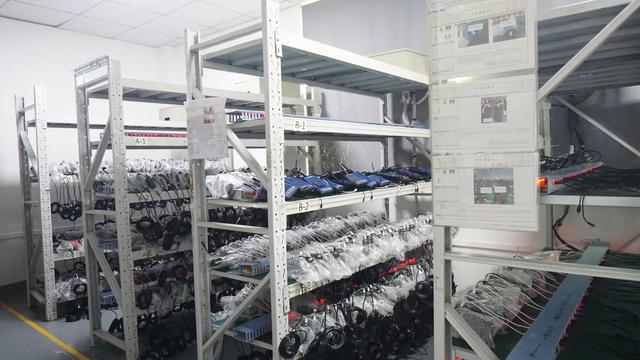
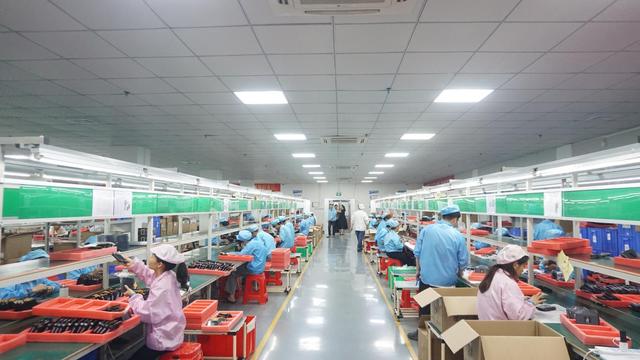
Shenzhen Manata Scanner Co., Ltd. is a leading China automotive diagnostic equipment manufacturer specializing in advanced vehicle inspection systems and ECU diagnostic solutions for the global automotive aftermarket. With a strong commitment to innovation, quality, and intelligent vehicle servicing, Manata Scanner delivers reliable diagnostic technologies designed to improve maintenance efficiency, reduce downtime, and support modern workshop operations.
The company offers a comprehensive portfolio of automotive diagnostic equipment, including vehicle inspection systems, ECU programming and coding tools, automotive scan tools, ADAS calibration equipment, EV battery diagnostic systems, TPMS diagnostic devices, and intelligent fleet diagnostic solutions. These products are widely used by automotive repair workshops, vehicle inspection centers, dealerships, fleet operators, and maintenance service providers worldwide.
Driven by continuous technological innovation, Shenzhen Manata Scanner Co., Ltd. integrates artificial intelligence, cloud connectivity, big data analysis, and advanced electronic testing technologies into its product development process. The company's R&D team focuses on creating intelligent, accurate, and user-friendly diagnostic solutions capable of meeting the evolving requirements of both conventional and new energy vehicles.
Quality is at the core of Manata Scanner's manufacturing philosophy. The company implements strict quality management procedures throughout design, production, testing, and final inspection to ensure stable performance and long-term reliability. Its products are engineered to comply with international standards and are exported to customers across Europe, North America, South America, Southeast Asia, the Middle East, and other global markets.
Committed to becoming a trusted global partner in automotive diagnostics, Shenzhen Manata Scanner Co., Ltd. continues to provide innovative products, professional technical support, and customized solutions that help customers enhance service capabilities and operational efficiency.
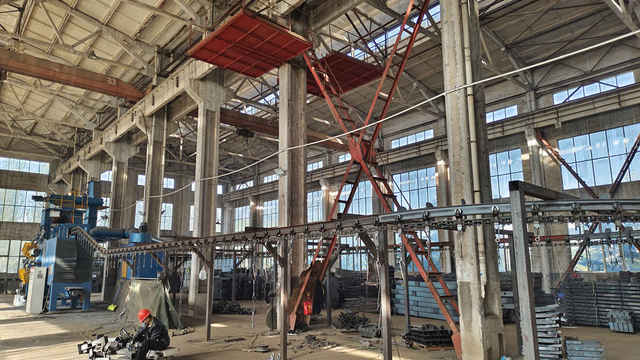
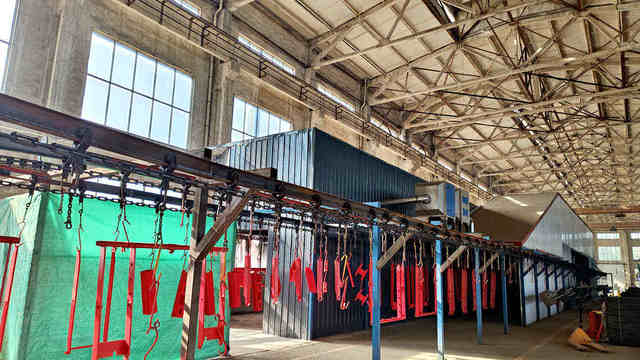
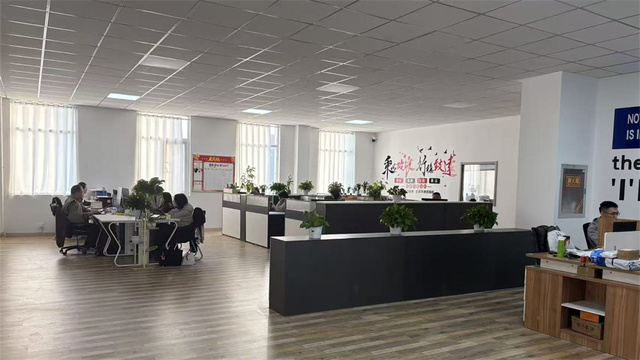
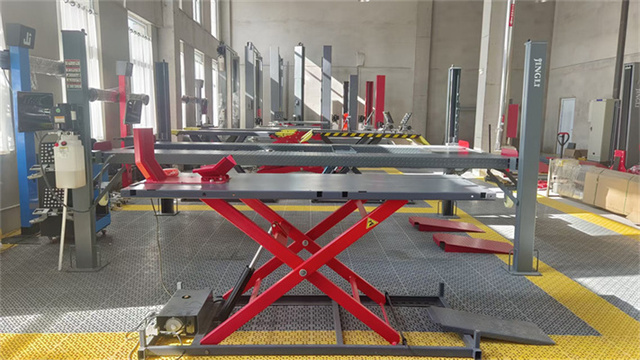
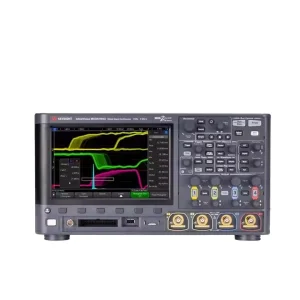
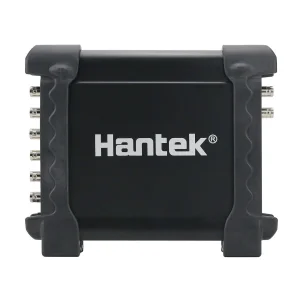
Complete your sourcing profile with industrial-grade, multi-channel tablet oscilloscopes and laboratory-precision automotive analyzers.
 Manata Scanner