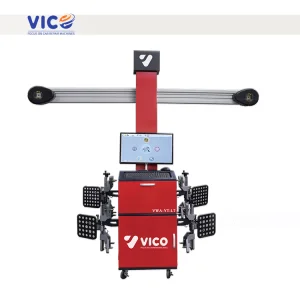
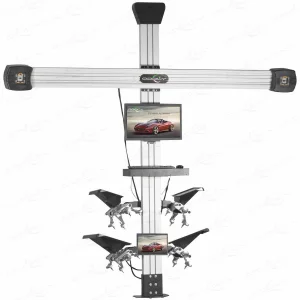
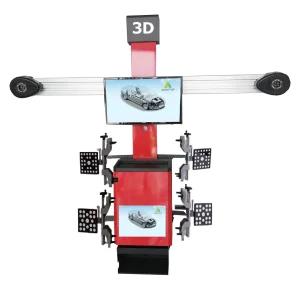
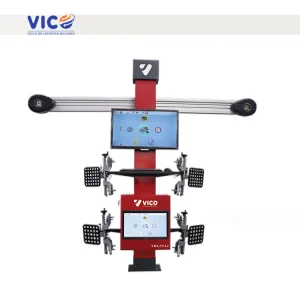
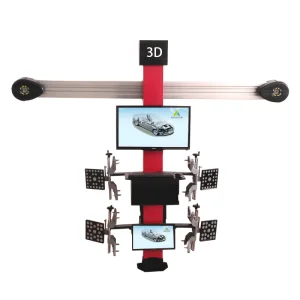
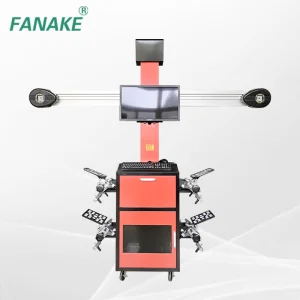
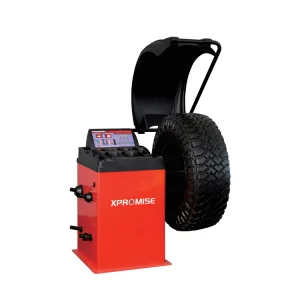
Explore our top-performing mechanical and digital wheel alignment setups exported to tier-1 automotive garages worldwide.
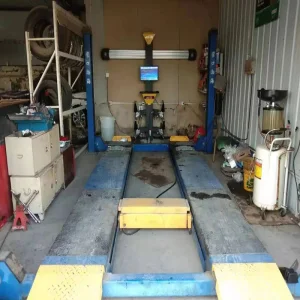
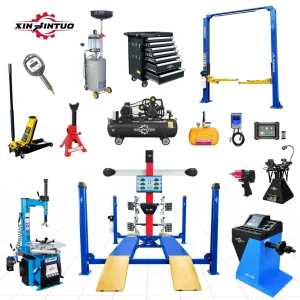
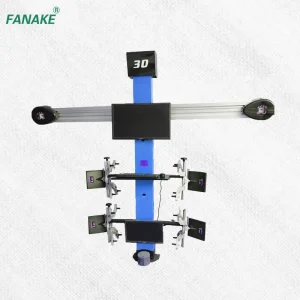
Analyzing the engineering parameters behind geometric centerlines, ADAS camera synchronization, and advanced tire contact dynamics.
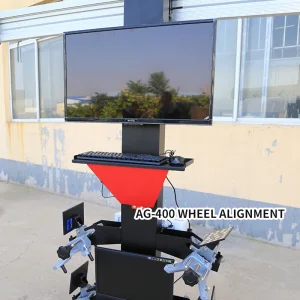
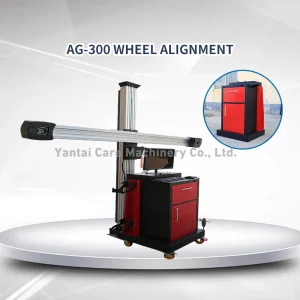
In modern high-speed vehicle design, wheel alignment is no longer merely a basic mechanical service. It is a critical component of safety and steering dynamics. Digital 3D wheel alignment technology relies on high-resolution image sensors and optical targets. This combination measures and calculates a vehicle's geometric footprint in real-time, matching OEM specifications with extreme precision.
For fleet managers, tire workshop owners, and automotive diagnostic equipment distributors, selecting the appropriate wheel alignment equipment exporter is a critical operational decision. As steering geometry grows more complex with the rise of Advanced Driver Assistance Systems (ADAS) and Electric Vehicles (EVs), target tracking, sensor resolution, and software update capabilities have become the primary benchmarks for evaluate the long-term ROI of garage investments.
A professional-grade wheel aligner measures a wide spectrum of angles. Key among these are:
Why Chinese factories represent the optimal synergy of cost efficiency, micro-engineered optics, and vertical software integration.
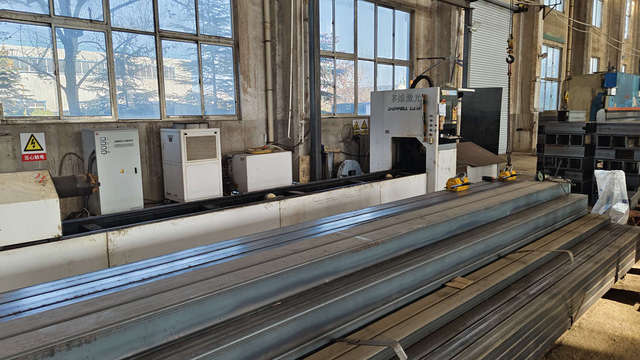
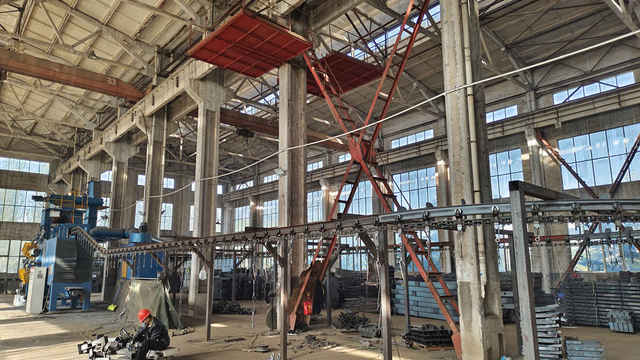
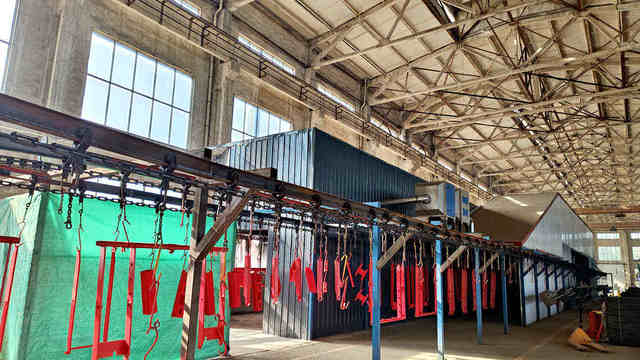
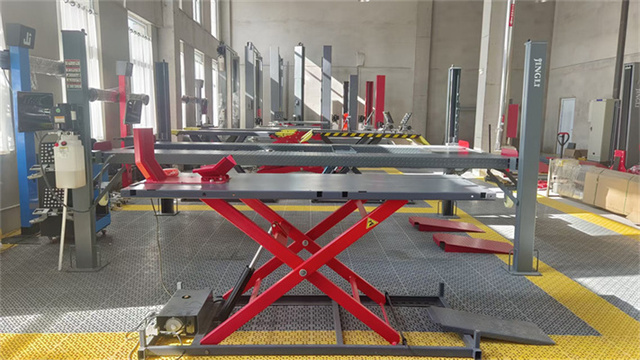
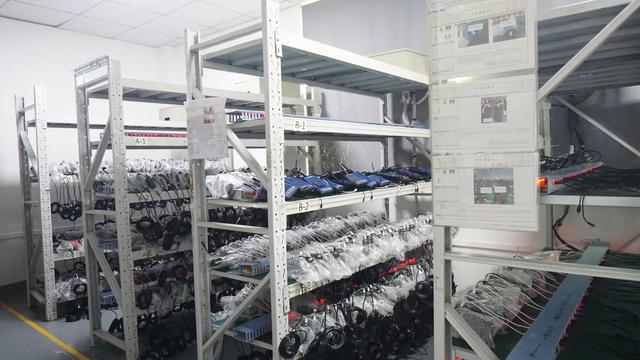
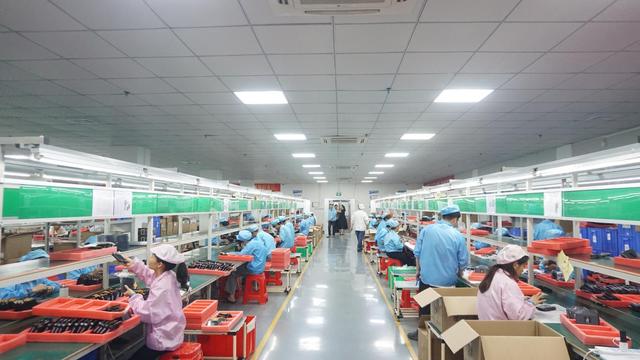
Industrial clusters in Shenzhen and the wider Pearl River Delta unify structural steel fabrication, high-precision lens manufacturing, and digital sensor assembly. This vertical integration minimizes logistics overheads and ensures stable production cycles.
Exporters leverage advanced ISO-compliant manufacturing practices to meet CE, RoHS, and OIML requirements. Automated optical calibration jigs ensure every aligner shipped provides reliable metrological traceability right out of the box.
Direct database integration and localized software interfaces mean technicians receive instant vehicle specification updates. Hardware adjustments run seamlessly alongside continuous UI optimization, improving operator efficiency.
The integration of high-resolution digital imaging, artificial intelligence, and EV-specific geometric profiles.
Vehicles equipped with Advanced Driver Assistance Systems (ADAS) require thrust-line and steering angle alignments that coordinate perfectly with forward-facing cameras and radar sensors. Modern workshops utilize integrated alignment setups that combine 3D chassis profiling with ADAS calibration targets, securing passenger safety in semi-autonomous driving modes.
In-shop local software is giving way to connected cloud platforms. Technicians can now instantly retrieve global vehicle databases, back up custom alignment readings, and generate web-based reporting sheets. This simplifies multi-shop fleet tracking and streamlines client approvals.
Electric vehicles present higher torque curves and increased weight packages due to floor-mounted battery systems. Consequently, suspension bushings experience rapid wear. Aligners must now accommodate longer wheelbases and include precise, real-time toe calculations to handle the dynamic loads unique to heavy-duty EVs.
Shenzhen Manata Scanner Co., Ltd. is a leading China automotive diagnostic equipment manufacturer specializing in advanced vehicle inspection systems and ECU diagnostic solutions for the global automotive aftermarket. With a strong commitment to innovation, quality, and intelligent vehicle servicing, Manata Scanner delivers reliable diagnostic technologies designed to improve maintenance efficiency, reduce downtime, and support modern workshop operations.
The company offers a comprehensive portfolio of automotive diagnostic equipment, including vehicle inspection systems, ECU programming and coding tools, automotive scan tools, ADAS calibration equipment, EV battery diagnostic systems, TPMS diagnostic devices, and intelligent fleet diagnostic solutions. These products are widely used by automotive repair workshops, vehicle inspection centers, dealerships, fleet operators, and maintenance service providers worldwide.
Driven by continuous technological innovation, Shenzhen Manata Scanner Co., Ltd. integrates artificial intelligence, cloud connectivity, big data analysis, and advanced electronic testing technologies into its product development process. The company's R&D team focuses on creating intelligent, accurate, and user-friendly diagnostic solutions capable of meeting the evolving requirements of both conventional and new energy vehicles.
Quality is at the core of Manata Scanner's manufacturing philosophy. The company implements strict quality management procedures throughout design, production, testing, and final inspection to ensure stable performance and long-term reliability. Its products are engineered to comply with international standards and are exported to customers across Europe, North America, South America, Southeast Asia, the Middle East, and other global markets.
Committed to becoming a trusted global partner in automotive diagnostics, Shenzhen Manata Scanner Co., Ltd. continues to provide innovative products, professional technical support, and customized solutions that help customers enhance service capabilities and operational efficiency.
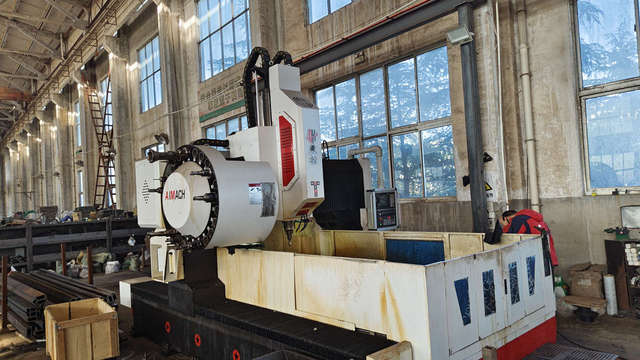
Adapting mechanical and electronic requirements to meet regional workshop challenges and sourcing regulations.
Operating environments vary significantly by geography. Exporters prioritize specific configurations to meet these distinct needs:
B2B procurement agents should verify the following variables to ensure long-term operational success:
Expert technical insights regarding logistics, calibration, vehicle compatibility, and factory support.
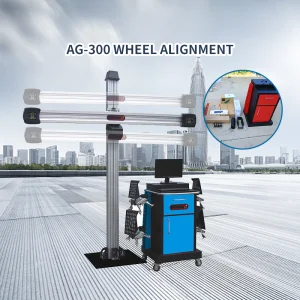
3D wheel alignment systems use high-definition optical cameras to track passive targets mounted on the wheels. This design places no electronic sensors or cables on the wheels, reducing calibration drift from drops or impacts. In contrast, older CCD systems rely on electronic sensors mounted on each wheel. These sensors communicate via cables or Bluetooth, requiring regular calibration, more maintenance, and longer setup times.
Normally, manufacturers update vehicle databases annually or semi-annually to include new car models. Top-tier exporters deliver these updates via direct cloud downloads (for internet-connected machines) or through USB flash drives. This ensures technicians can always access the latest OEM chassis specifications.
Yes. Modern 3D aligners are engineered to integrate with ADAS calibration frames. By measuring the vehicle's thrust centerline first, technicians can align ADAS targets with precision. This ensures safety features like lane-keep assist and emergency braking work correctly.
Our exported wheel alignment systems carry CE (European Conformity) certificates and conform to ISO 9001:2015 quality management system standards. Where required, components also carry UL or RoHS compliance ratings for safe shop operations.
Most standard 3D systems run on standard single-phase 110V/220V AC, 50/60 Hz power. Structurally, the camera beam should stand between 2.0 to 2.8 meters from the front turnplates. This leaves sufficient distance for the high-definition cameras to track the target boards clearly across all lift heights.
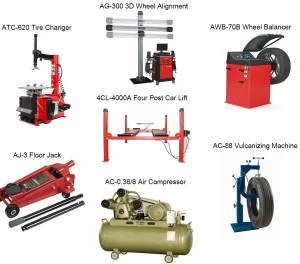
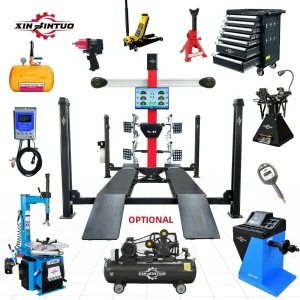
Explore our complete range of diagnostic, lifting, and tire maintenance systems built for high-throughput workshops.
 Manata Scanner