Automotive Electrical System Testers Factories & Factory

Precision Engineering, Intelligent Circuit Troubleshooting, and Custom OEM/ODM Diagnostics for Global Automotive Electrical Infrastructure

50+
Global Markets Served
100%
Strict QA Verification
ISO
Certified Manufacturing
AI-Tech
Diagnostic Analysis

Whitepaper: Industrial Metrology & Diagnostic Strategies in Modern Automotive Electrical Architectures

The global automotive market is undergoing a structural transition. The transition from legacy internal combustion engines (ICE) to mild-hybrid, plug-in hybrid (PHEV), and battery electric vehicle (BEV) systems has drastically changed the demand for automotive electrical system testers. Today's workshops, assembly plants, and component manufacturers require testing apparatuses that do not merely record voltage and current, but analyze transient signal fluctuations, monitor controller area network (CAN-bus) telemetry, assess high-voltage battery degradation, and execute precise dielectric insulation checks.

"Automotive electrical test systems are no longer ancillary hand-held tools; they are complex instrumentation units integrating microcomputer controls, IoT feedback loops, and highly responsive sensory chips capable of protecting operators while analyzing microsecond transient currents."

1. Technical Evolution: From Continuity Testing to High-Voltage EV Packs

Historically, automotive electrical systems relied on basic 12V DC circuits. A simple circuit light or an analog multimeter was sufficient to trace wiring continuity, isolate relays, and assess lead-acid batteries. However, modern vehicles run on dual-voltage (12V/48V) or high-voltage (400V to 800V+) configurations. Diagnostic equipment must adapt:

  • Low-Voltage Control Networks: Modern vehicle sensors communicate via high-speed communication buses like CAN, LIN, and FlexRay. Intercepting and analyzing these packets requires smart circuit probes with built-in oscilloscope properties.
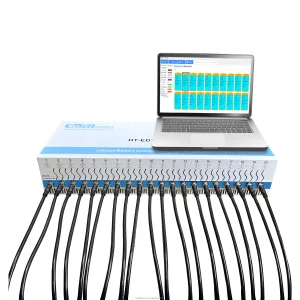
  • EV Battery Diagnostics: Testing electric vehicle storage systems requires bidirectional charging/discharging devices with energy feedback loops. Testing must verify cell balancing, calculate state of health (SoH), and prevent thermal runaway conditions.
  • Insulation Integrity: High-voltage wiring systems demand isolation and dielectric strength testing. Systems operating above 600V must be validated periodically using high-performance testers designed to prevent catastrophic short-circuits.

2. Global Enterprise Procurement Trends & Quality Parameters

When tier-1 suppliers, automotive maintenance chains, and municipal fleets source diagnostic equipment from an automotive electrical system testers factory, they prioritize several critical specifications.

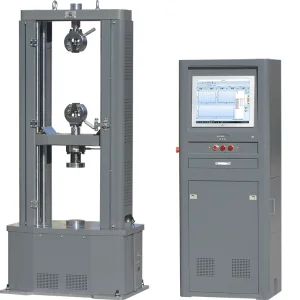
First is the calibration consistency and precision (often verified by microcomputer-controlled universal testing systems). Second is international certification compliance, such as CE, FCC, RoHS, and specialized international energy feedback certifications (IE Certification). Large organizations look for structural modularity that allows a tester to adapt as automotive technologies progress, ensuring their investments remain viable over decades.

3. Macro-Industry Solutions: Mitigating Downtime & Elevating Diagnostics

We recognize that modern workshops face substantial complexity. To resolve these challenges, professional manufacturers build solutions rather than isolated components:

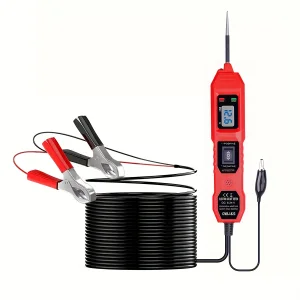
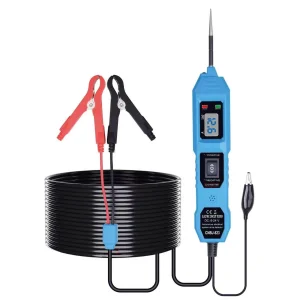
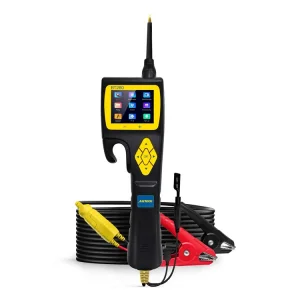
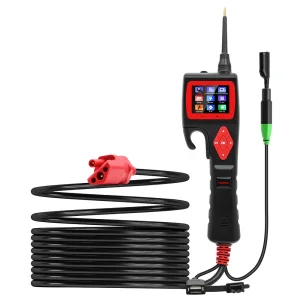
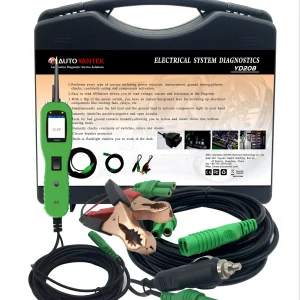
  • Real-Time Signal Capture: Smart probes like the TopDiag P200 automate relay testing, signal frequency detection, and diode tests. This minimizes standard diagnostic times from hours to minutes.
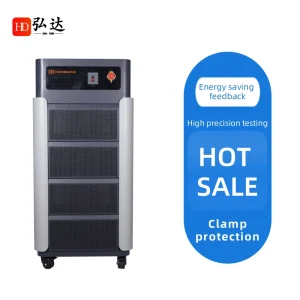
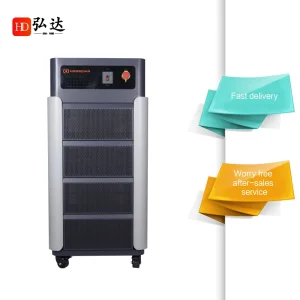
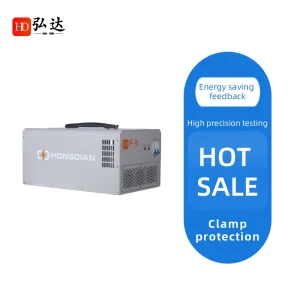
  • Regenerative Energy Testing: During high-capacity EV pack testing, traditional thermal dissipation creates significant heat and waste. Regenerative pack testers recycle up to 90% of discharge energy back into the power grid, decreasing plant operating costs and minimizing carbon footprints.
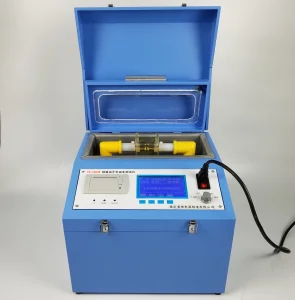
  • Dielectric Verification: Devices like automatic oil dielectric strength kits ensure heavy-duty transformers and electric motors maintain isolation under extreme operational loads.

Core Solutions Suite

  • High-Voltage EV Pack Analyzers
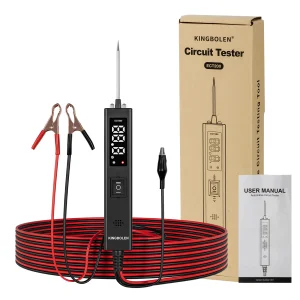
  • Intelligent Circuit Troubleshooting Probes
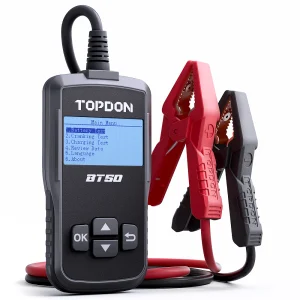
  • 12V/24V Battery State of Health Analyzers
  • Microcomputer Electronic Testing Machines
  • Dielectric Oil & Insulation Testers

Key Engineering Certifications

All hardware systems exported by our production centers undergo rigid validation processes, adhering to global protocols:

- ISO 9001:2015 Standards
- IE Certified Regulators
- CE & RoHS Directives
- FCC Telemetry Standards

Technological Roadmap & Future Outlook

Aligning development goals with next-generation automotive engineering trends.

AI-Powered Diagnostic Engines
Integrating local edge AI within handheld testers to process complex signals and predict harness anomalies prior to physical insulation failure.
Regenerative Power Recovery
Upgrading standard testing benches to regenerative models, diverting up to 90% of discharged pack energy back to local utility grids.
Cloud Calibration Ecosystem
Continuous software-defined updates via Wi-Fi ensuring standard measurement formulas adjust to updated OEM battery chemistry specs.

About Shenzhen Manata Scanner Co., Ltd.

Empowering workshops and factories worldwide with intelligent, reliable diagnostic equipment.

Shenzhen Manata Scanner Co., Ltd. is a leading China automotive diagnostic equipment manufacturer specializing in advanced vehicle inspection systems and ECU diagnostic solutions for the global automotive aftermarket. With a strong commitment to innovation, quality, and intelligent vehicle servicing, Manata Scanner delivers reliable diagnostic technologies designed to improve maintenance efficiency, reduce downtime, and support modern workshop operations.

The company offers a comprehensive portfolio of automotive diagnostic equipment, including vehicle inspection systems, ECU programming and coding tools, automotive scan tools, ADAS calibration equipment, EV battery diagnostic systems, TPMS diagnostic devices, and intelligent fleet diagnostic solutions. These products are widely used by automotive repair workshops, vehicle inspection centers, dealerships, fleet operators, and maintenance service providers worldwide.

Driven by continuous technological innovation, Shenzhen Manata Scanner Co., Ltd. integrates artificial intelligence, cloud connectivity, big data analysis, and advanced electronic testing technologies into its product development process. The company's R&D team focuses on creating intelligent, accurate, and user-friendly diagnostic solutions capable of meeting the evolving requirements of both conventional and new energy vehicles.

Quality is at the core of Manata Scanner's manufacturing philosophy. The company implements strict quality management procedures throughout design, production, testing, and final inspection to ensure stable performance and long-term reliability. Its products are engineered to comply with international standards and are exported to customers across Europe, North America, South America, Southeast Asia, the Middle East, and other global markets.

Committed to becoming a trusted global partner in automotive diagnostics, Shenzhen Manata Scanner Co., Ltd. continues to provide innovative products, professional technical support, and customized solutions that help customers enhance service capabilities and operational efficiency.

Localized Support & Compliance Safeguards

Mitigating supply chain risks through complete certification compliance and reliable technical support.

Regulatory Compliance
Our items adhere to essential safety and efficiency certifications including CE, FCC, RoHS, and IE, simplifying local import approval processes.
Technical Support
We support operations with thorough user documentation, configuration support, and access to firmware updates to keep your diagnostic tools aligned with modern vehicle ecosystems.
OEM & ODM Services
From custom labeling to specialized shell designs and firmware modifications, we develop systems built to match your brand requirements.

Frequently Asked Questions (FAQ)

Technical insights on selecting, sourcing, and operating professional-grade automotive electrical systems testers.

What parameters are essential when sourcing EV battery testers? +
For Electric Vehicles, you must confirm the voltage and current ranges (such as 60V100A for smaller packs). Verify whether the device features bidirectional charging/discharging with energy feedback capability. This approach recycles the energy generated during battery discharge back into the power system, rather than wasting it as heat. This capability lowers operational overhead and helps maintain safety in production and testing environments.
How does an intelligent circuit probe compare to a standard digital multimeter? +
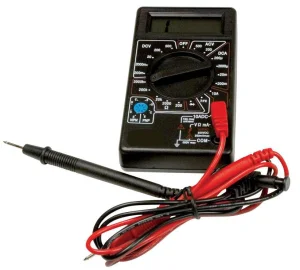
A standard digital multimeter primarily displays voltage, resistance, or current values. An intelligent circuit probe (like the TopDiag P200 or AUTOOL BT280) provides additional functionality: it can actively inject power or ground signals, run relay validation tests, detect diode states, and trace pulse signals using a basic built-in oscilloscope. These features allow technicians to diagnose complex CAN-bus physical layers without damaging sensitive ECU components.
Why is microcomputer-controlled universal testing important in production? +
Devices such as the WDW-10A Universal Testing Machine help engineers evaluate the physical limits of wiring harnesses, insulation sleeves, terminals, and connector materials. By applying precise tensile or compression forces, manufacturers can confirm that all connectors withstand prolonged mechanical vibration and thermal stress in automotive applications.
What is the purpose of dielectric testing in automotive systems? +
Automotive dielectric oil testers (0~100KV) are used to evaluate the breakdown strength of insulating liquids found in high-voltage components like transformers, EV motors, and power converters. This analysis helps verify that high-voltage electrical isolations remain intact under intense electrical stresses, preventing potential insulation failures.

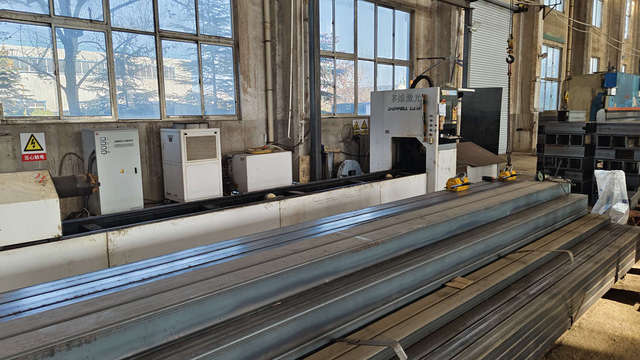
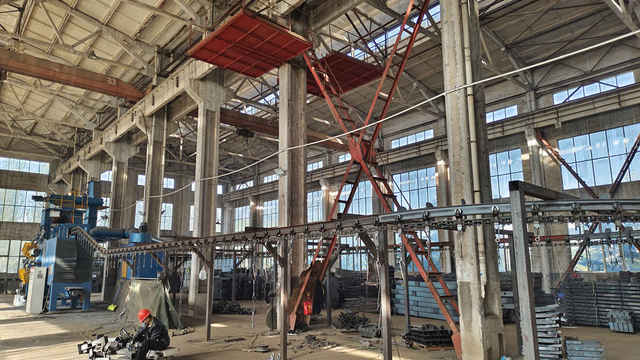
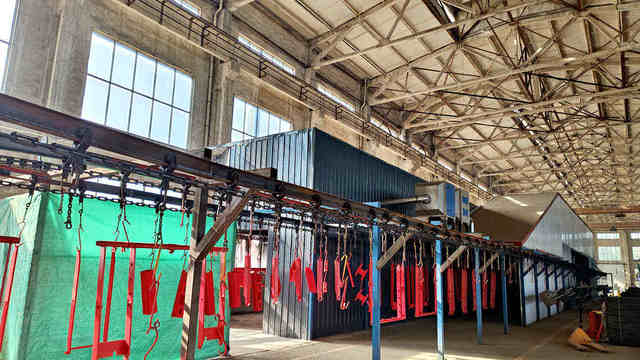
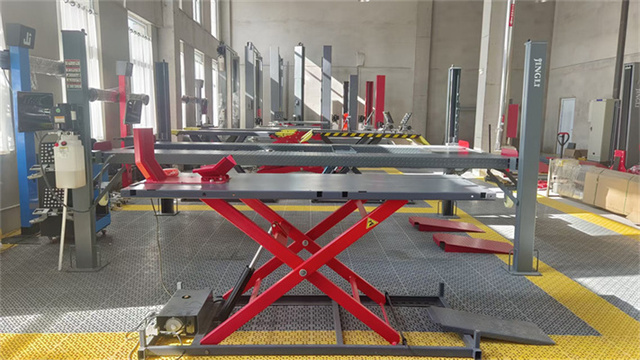
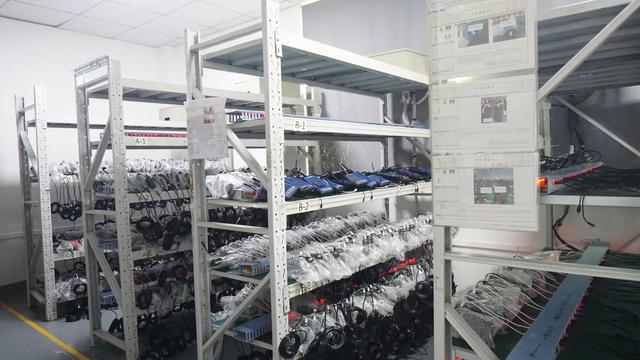
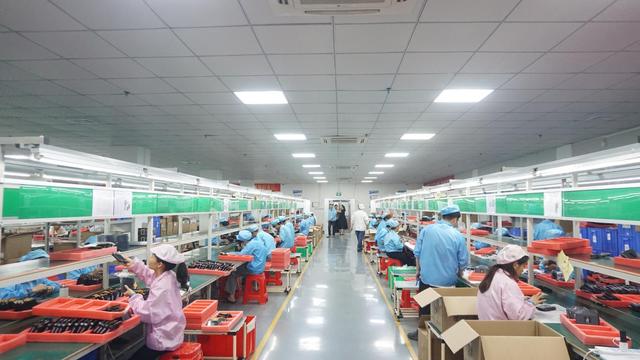
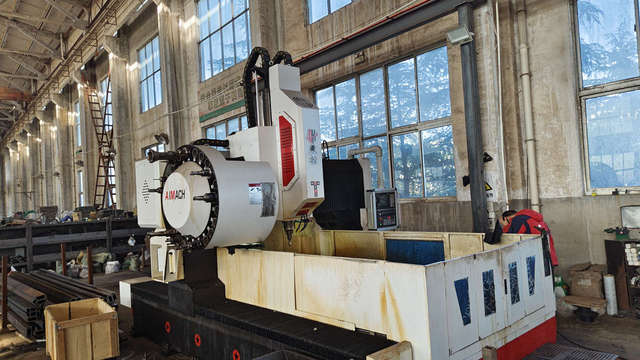
Our Manufacturing Facilities & Production Lines

A look inside our quality control laboratories, assembly lines, and testing workshops.
All Automotive Electrical System Testers Products