Explore our primary diagnostic modules configured for precision laboratory analysis, cell sorting, reconditioning, and safety inspections.
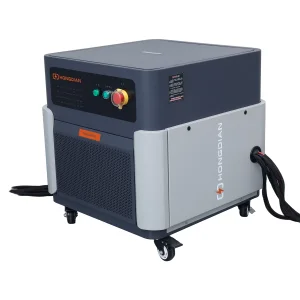
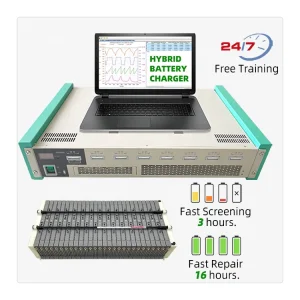
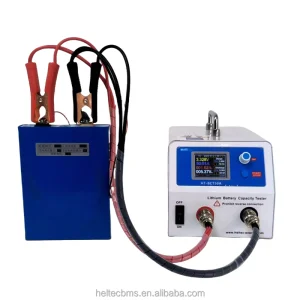
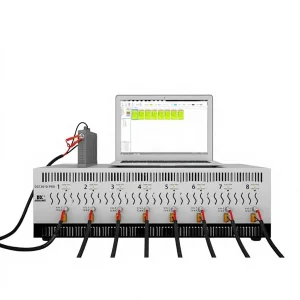
Understanding the critical role of battery analytics in the multi-gigawatt energy storage era.
The global battery manufacturing ecosystem is undergoing unprecedented structural transitions. Regulatory frame-works such as the European Union Battery Passport and the United States' Inflation Reduction Act (IRA) dictate strict traceability, performance thresholds, and recycling metrics. These metrics can only be authenticated via verified laboratory grade testing equipment. Testing platforms must offer ultra-accurate diagnostics to validate cycle life, safety parameters, and degradation behaviors, mitigating product liabilities for manufacturers.
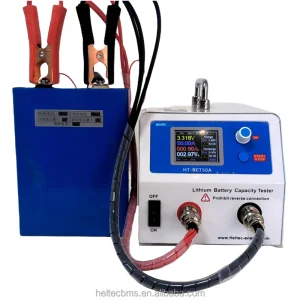
As the sector moves beyond conventional Nickel Manganese Cobalt (NMC) chemistries to Lithium Iron Phosphate (LFP), Sodium-Ion, and Solid-State architectures, testing paradigms must adapt. Diverse chemistries exhibit uniquely complex voltage curves, demanding advanced dynamic charge/discharge profiling. Our hardware suites accommodate high-accuracy active charge-discharge cycles, enabling developers to map internal resistance transformations and solid-electrolyte interphase (SEI) growth curves with unmatched precision.
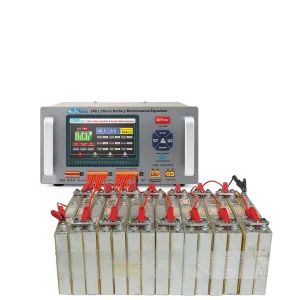
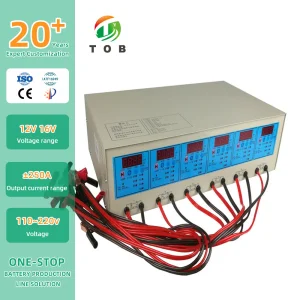
Within automotive repair configurations and fleet storage terminals, old or degraded battery cells must be pinpointed and balanced without decommissioning the entire pack. Advanced balancing machines are critical here. By automating charge levels across multi-series cell connections, workshops can isolate underperforming cells, significantly extending pack service life while decreasing operational expenditure.
How high-accuracy measurement channels drive security, longevity, and efficiency in large-scale energy infrastructure.
Measurement drift is the enemy of accurate State-of-Health (SOH) calculation. Standard multimeters introduce cumulative error factors that degrade cycle simulation modeling. Our systems utilize 0.05% measurement accuracy thresholds, ensuring that subtle thermodynamic fluctuations and Coulombic efficiency details are logged without distortion. This enables engineering teams to confidently calculate micro-impedance changes and dendrite formation profiles.
A battery pack is only as strong as its weakest cell. If cell voltages deviate under high-current discharge regimes, internal resistance surges, triggering localized thermal runaways. Balancing machines utilize dynamic algorithms (dynamic impedance measurement and current redirection) to balance cells from 2S up to 24S configurations. The equipment measures delta-voltages down to millivolts, actively transferring energy or dissipating excess charge to restore pack harmony.
Our charge/discharge systems offer customizable pulse-width testing protocols. This allows developers to simulate real-world regenerative braking forces, grid fluctuation loads, and ultra-fast charging stress. By tracking response voltages under transient currents, the system isolates kinetic overpotential from ohmic losses, allowing deep scientific understanding of anode degradation, cathode cracking, and electrolyte evaporation.
Practical scenarios where precision test hardware prevents terminal failures and optimizes utility operations.
As early hybrid vehicles (e.g., Toyota Prius, Lexus models) pass their decade milestone, original Ni-MH or early Li-Ion battery cells require reconditioning. Utilizing regenerator equipment, service technicians can perform charge-discharge capacity restoration cycles. This process breaks down crystalline passivation layers within cells, returning dead battery segments to functional capacity and saving consumers from complete pack replacements.
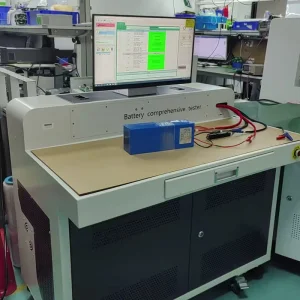
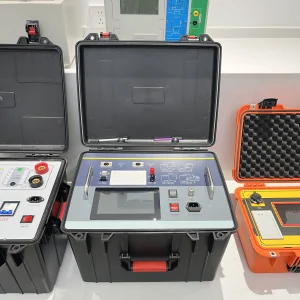
Utility-scale battery banks face thermal and capacity variation over continuous operations. Implementing periodic comprehensive capacity testing (such as using high-voltage pack analyzers) helps operators isolate failing modules before they compromise the thermal stability of containerized ESS. Precision dielectric loss and tan delta analysis protect insulation barriers under extreme voltage stresses.
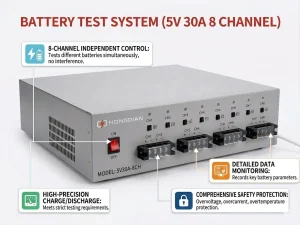
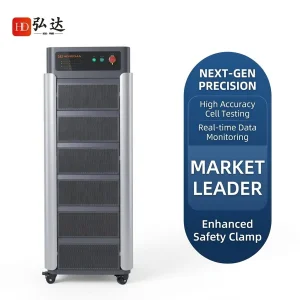
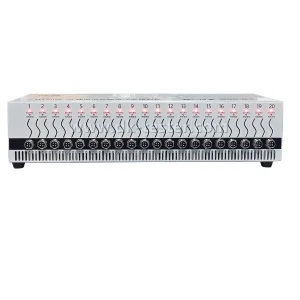
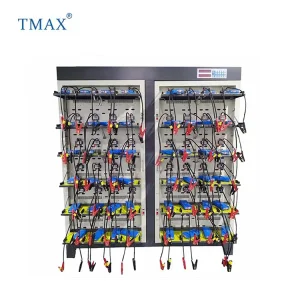
In high-throughput cell production facilities, forming and grading equipment marks the line between high-quality output and scrap. By routing newly manufactured cells through automatic multi-channel grading machines, manufacturers categorize cells based on capacity, internal resistance (AC/DC IR), and self-discharge rates. This ensures that only balanced, matching cell groups are grouped into high-performing EV packs.
Shenzhen Manata Scanner Co., Ltd. is a leading China automotive diagnostic equipment manufacturer specializing in advanced vehicle inspection systems and ECU diagnostic solutions for the global automotive aftermarket. With a strong commitment to innovation, quality, and intelligent vehicle servicing, Manata Scanner delivers reliable diagnostic technologies designed to improve maintenance efficiency, reduce downtime, and support modern workshop operations.
Driven by continuous technological innovation, Shenzhen Manata Scanner Co., Ltd. integrates artificial intelligence, cloud connectivity, big data analysis, and advanced electronic testing technologies into its product development process. The company's R&D team focuses on creating intelligent, accurate, and user-friendly diagnostic solutions capable of meeting the evolving requirements of both conventional and new energy vehicles.
The company offers a comprehensive portfolio of automotive diagnostic equipment, including vehicle inspection systems, ECU programming and coding tools, automotive scan tools, ADAS calibration equipment, EV battery diagnostic systems, TPMS diagnostic devices, and intelligent fleet diagnostic solutions. These products are widely used by automotive repair workshops, vehicle inspection centers, dealerships, fleet operators, and maintenance service providers worldwide.
Quality is at the core of Manata Scanner's manufacturing philosophy. The company implements strict quality management procedures throughout design, production, testing, and final inspection to ensure stable performance and long-term reliability. Its products are engineered to comply with international standards and are exported to customers across Europe, North America, South America, Southeast Asia, the Middle East, and other global markets.
Committed to becoming a trusted global partner in automotive diagnostics, Shenzhen Manata Scanner Co., Ltd. continues to provide innovative products, professional technical support, and customized solutions that help customers enhance service capabilities and operational efficiency.
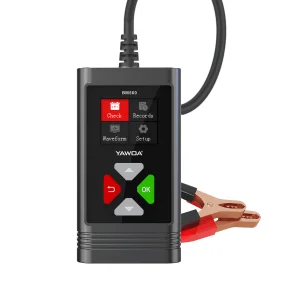
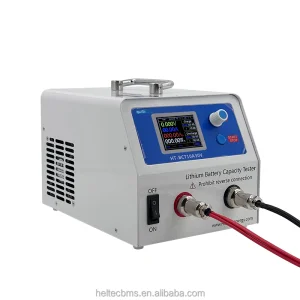
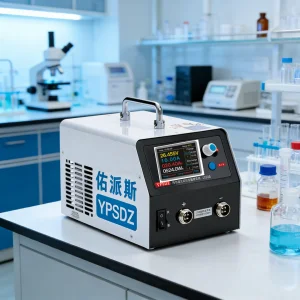
Discover our industrial grading machines, comprehensive pack testers, and precision dielectric diagnostic devices.
Anticipating integration barriers, AI diagnostics, and sub-millisecond impulse EIS techniques.
Integrating artificial intelligence into diagnostic platforms allows operators to forecast cell failures before physical degradation displays. By using massive training datasets derived from high-precision cycling testers, neural networks predict dendrite formation timelines with over 95% certainty. This data flows directly to factory servers via secure APIs, automating production scheduling and logistics.
Electrochemical Impedance Spectroscopy (EIS) remains a laboratory standard, yet real-world applications demand dynamic field testing. Next-generation pack analyzers integrate sub-millisecond EIS signals across working currents. This permits workshops to map internal impedance and identify local heating anomalies without disconnecting module busbars.
Future setups demand modular control architecture. Our roadmap includes integrating diagnostic software with diverse battery management networks, supporting CAN, LIN, and Modbus protocols. This allows immediate software-controlled cell balancing, letting technicians bypass typical complex BMS firmware lockdowns during testing processes.
Technical deep-dives answering complex questions regarding battery testing, validation, and maintenance protocols.
During cycling, the accumulation of micro-measurement deviations quickly degrades SOH modeling. A 0.05% measurement accuracy threshold prevents cumulative errors from masking minor capacity losses. This high resolution is critical for detecting early lithium plating, identifying anode degradation phases, and calculating accurate Coulombic efficiency profiles.
Passive balancing dissipates excess energy as heat through resistors, which is slow and generates unwanted thermal stress in tightly packed modules. Active balancing, however, utilizes high-efficiency energy transfer circuits to route power from high-charge cells to lower-charge cells, saving energy and minimizing heat generation while speeding up the balancing process.
Formation is the initial charge/discharge step that creates the critical Solid Electrolyte Interphase (SEI) layer on the anode. Grading involves running precise charge-discharge sequences to measure the cell's actual discharge capacity. Sorting separates cells based on capacity, internal resistance, and voltage drop to ensure consistent pack assembly.
High-voltage battery setups (often exceeding 800V) experience significant electrical field stresses. Dielectric loss testing measures the degradation of insulation barriers inside transformers and power feeds. A high Tan Delta reading indicates insulation aging or moisture intrusion, warning operators of potential short circuits or structural safety risks.
Yes. Nickel-Metal Hydride (Ni-MH) cells suffer from memory effects and internal crystallization that degrade capacity. Controlled deep-discharge cycles and high-current conditioning pulses dissolve these crystal deposits, recovering usable capacity and restoring cell balance to extend overall pack life.
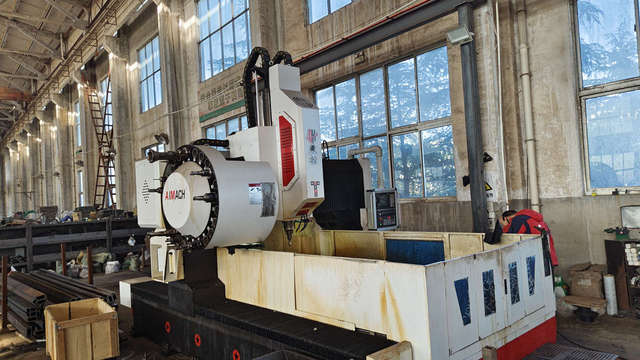
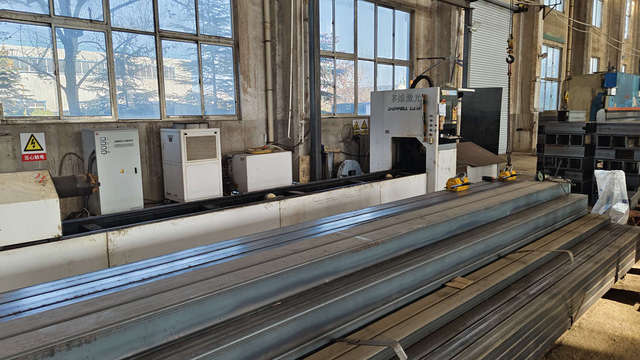
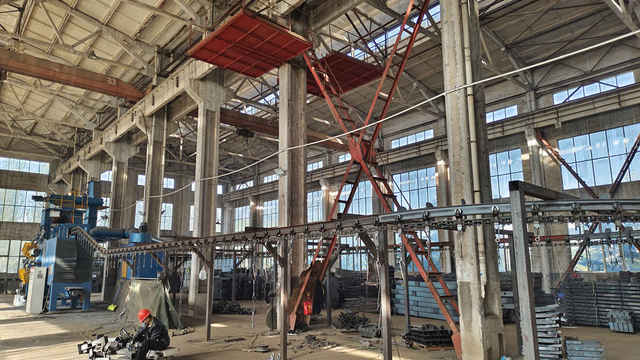
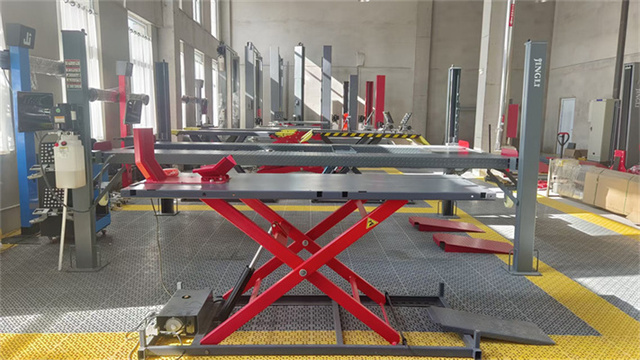
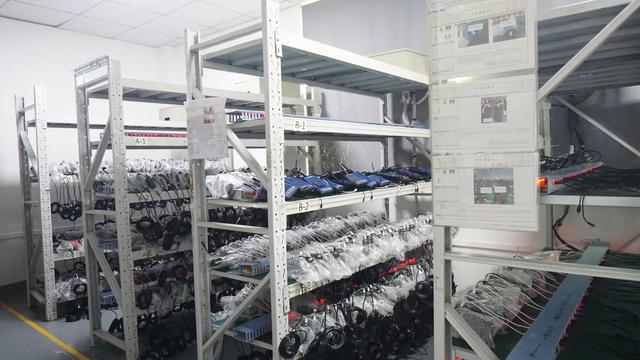
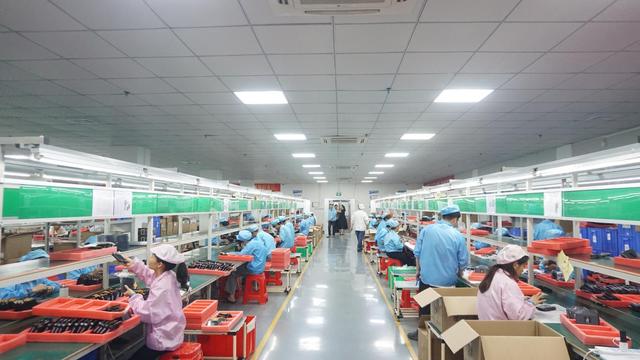
Explore our state-of-the-art diagnostic assembly lines, precision testing labs, and high-performance calibration rooms.


 Manata Scanner