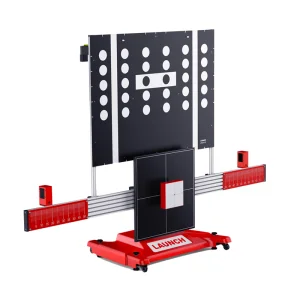
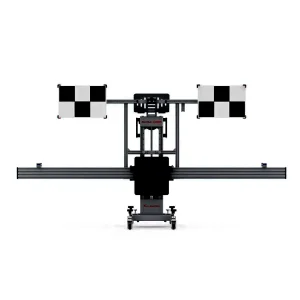
Explore our premium select range of ADAS calibration frames, target boards, reflectors, and integrated diagnostic packages built to achieve structural OEM-level accuracy.
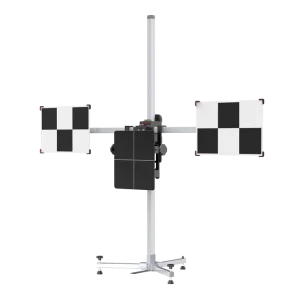
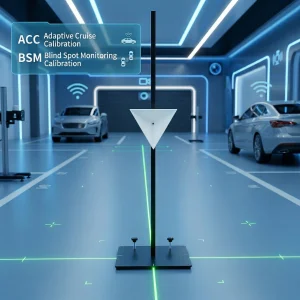
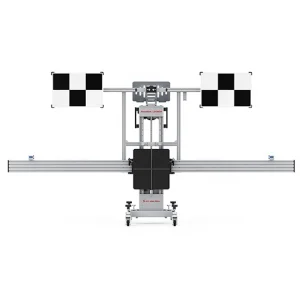
A comprehensive analysis of diagnostic calibration standards, technological evolution, and commercial scalability for worldwide automotive service infrastructures.
In the modern automotive landscape, safety is no longer solely governed by structural crashworthiness and passive restraints. Advanced Driver Assistance Systems (ADAS)—including Lane Keep Assist (LKA), Adaptive Cruise Control (ACC), Autonomous Emergency Braking (AEB), and Blind Spot Detection (BSD)—form the active safety shield of modern vehicles. At the heart of these systems are optical cameras, radar units, LiDAR systems, and ultrasonic arrays.
Even a microscopic misalignment in these sensors can lead to catastrophic diagnostic errors. For instance, a deviation of just 1 millimeter (or 1 degree) at the vehicle's sensor array translates to a structural error of over 1.5 meters at a target distance of 100 meters. This misalignment risks triggering unintended emergency braking, failure to recognize lane boundaries, or failing to alert the driver of oncoming hazards.
Structural Insight: Real-world workshop audits indicate that over 30% of post-collision repairs suffer from undetected sensor misalignments. High-precision static and dynamic ADAS calibration equipment ensures that safety-critical sensors are returned to original manufacturer specifications, shielding operators from massive legal liabilities and guaranteeing functional safety compliance (ISO 26262).
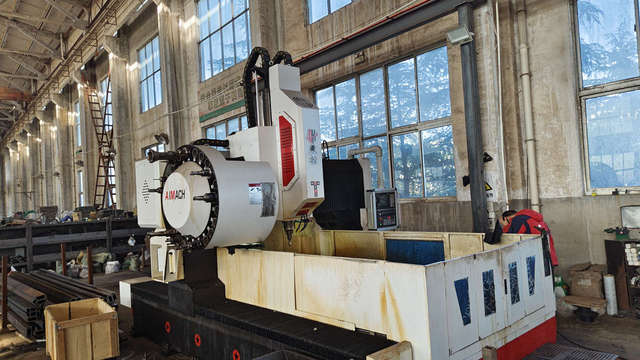
Understanding the multi-domain sensor integration and next-generation engineering paradigms defining the future of workshop service diagnostics.
As Level 2+ and Level 3 autonomous vehicles proliferate, workshops must migrate from single-camera configurations to multi-sensor fusion algorithms. Dynamic calibration frames now support co-axial radar targets, dynamic LiDAR positioning, and thermal imaging cameras simultaneously.
Next-generation ADAS diagnostic devices interface directly with secure OEM vehicle communication gateways via DoIP (Diagnostics over IP) and CAN-FD protocols. System configurations and sensor updates are pulled dynamically from cloud servers, ensuring instant support for newly launched vehicle platforms.
Manual laser measurements are being replaced by high-definition 3D spatial scanning. Utilizing stereo camera targets, AI-powered software guides the workshop technician through micro-millimeter height, pitch, and roll adjustments in real-time, eliminating human calibration errors.
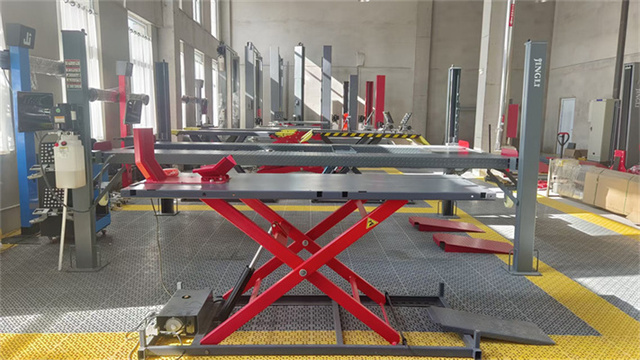
Over the next decade, vehicles will communicate directly with metropolitan infrastructures (Vehicle-to-Everything, or V2X). Under this ecosystem, any misalignment of a vehicle's communication arrays and localized positioning sensors will affect not only the host vehicle but also the surrounding urban traffic system. Consequently, ADAS calibration equipment is evolving into full-vehicle structural alignment arrays, consolidating wheel alignment, optical targeting, and electronic sensor diagnostics into single, high-efficiency mechanical bays.
Tailored diagnostics infrastructures designed to optimize throughput, reduce spatial footprints, and maximize investment returns across different business scales.
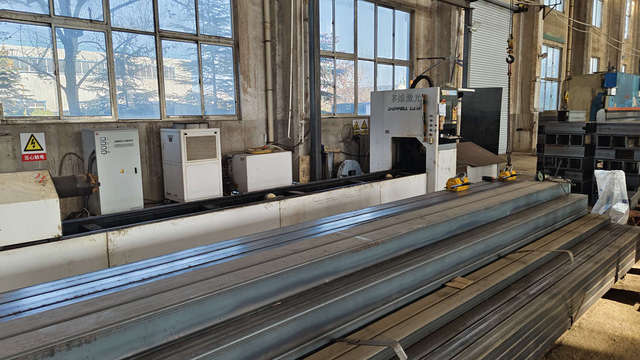
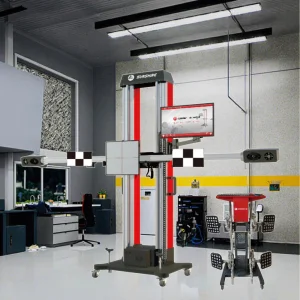
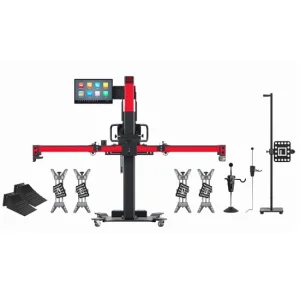
For high-volume collision centers, workflow velocity is the primary KPI. Integrated solutions, such as the AlignADAS S700 Two-in-One Machine, allow operators to execute wheel alignment and comprehensive ADAS static calibration sequentially within the same mechanical bay. By eliminating the need to transfer the vehicle between multiple workstations, repair facilities decrease cycle times by up to 45% while conserving precious workspace.
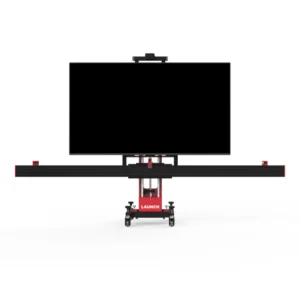
Multi-Shop Operators (MSOs) require standardized, intuitive equipment to maintain consistent service quality across different regions. Utilizing tools like the LAUNCH X-431 ADAS PRO PLUS paired with clear, software-guided calibration targets allows workshops to standardize their diagnostic and calibration protocols, reducing technician training times and assuring consistent documentation for insurance approvals.
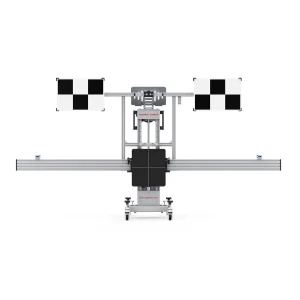
Fleet management companies and mobile repair operators require ruggedized, collapsible, and highly portable calibration solutions. Systems such as the Launch X-431 ADAS MOBILE PLUS feature lightweight, high-tensile alloy frames that fold easily into standard work vehicles, allowing technicians to carry out certified calibrations directly on-site at corporate fleet depots or remote customer locations.
China Factory 4.0: Delivering supply chain resilience, advanced R&D, and engineering precision for the global automotive aftermarket.
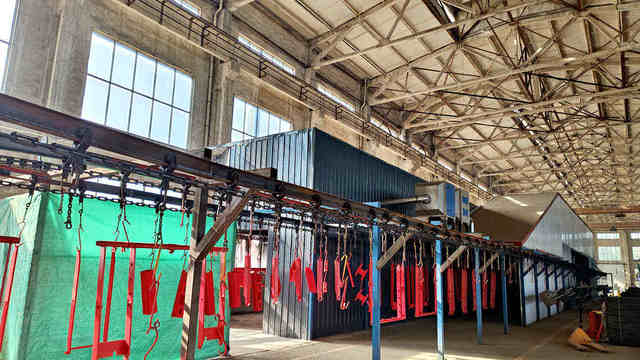
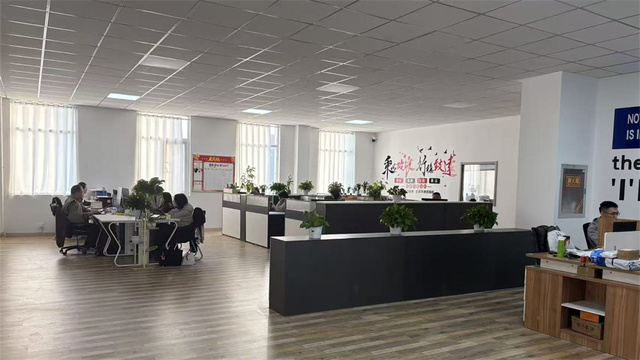
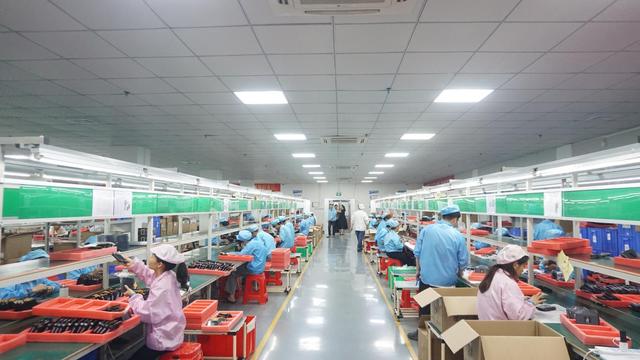
Shenzhen Manata Scanner Co., Ltd. is a leading China automotive diagnostic equipment manufacturer specializing in advanced vehicle inspection systems and ECU diagnostic solutions for the global automotive aftermarket. With a strong commitment to innovation, quality, and intelligent vehicle servicing, Manata Scanner delivers reliable diagnostic technologies designed to improve maintenance efficiency, reduce downtime, and support modern workshop operations.
The company offers a comprehensive portfolio of automotive diagnostic equipment, including vehicle inspection systems, ECU programming and coding tools, automotive scan tools, ADAS calibration equipment, EV battery diagnostic systems, TPMS diagnostic devices, and intelligent fleet diagnostic solutions. These products are widely used by automotive repair workshops, vehicle inspection centers, dealerships, fleet operators, and maintenance service providers worldwide.
R&D and Engineering Excellence: Driven by continuous technological innovation, Shenzhen Manata Scanner Co., Ltd. integrates artificial intelligence, cloud connectivity, big data analysis, and advanced electronic testing technologies into its product development process. The company's R&D team focuses on creating intelligent, accurate, and user-friendly diagnostic solutions capable of meeting the evolving requirements of both conventional and new energy vehicles.
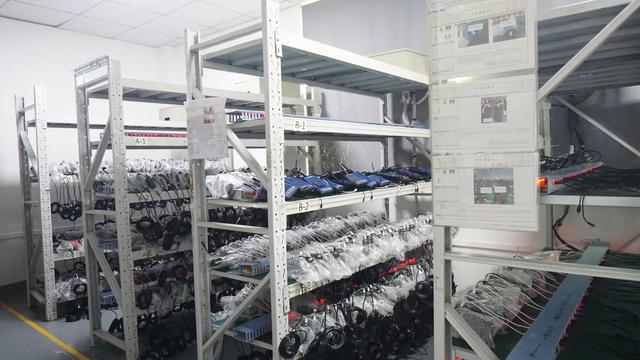
Quality is at the core of Manata Scanner's manufacturing philosophy. The company implements strict quality management procedures throughout design, production, testing, and final inspection to ensure stable performance and long-term reliability. Its products are engineered to comply with international standards and are exported to customers across Europe, North America, South America, Southeast Asia, the Middle East, and other global markets.
Committed to becoming a trusted global partner in automotive diagnostics, Shenzhen Manata Scanner Co., Ltd. continues to provide innovative products, professional technical support, and customized solutions that help customers enhance service capabilities and operational efficiency.
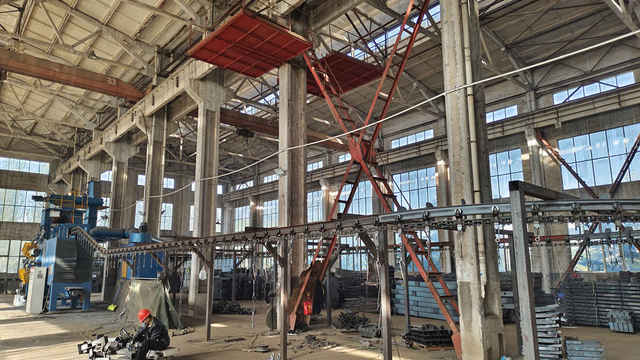
Ensuring cross-border regulatory compliance, localized vehicle database support, and strict quality certification standards.
Operating in a global marketplace requires meticulous adherence to varying regulatory compliance structures. Shenzhen Manata Scanner Co., Ltd. ensures that all exported ADAS equipment is fully compliant with target market regulations. Our hardware designs conform to **CE, FCC, RoHS, and WEEE** directives, guaranteeing electromagnetic safety and structural sustainability.
| Market / Region | Technical Regulatory Standards | Database Localization Requirements | Warranty & Support Service |
|---|---|---|---|
| North America | FCC Part 15, SAE J3016, California Prop 65 | US domestic models (Ford, GM, Ram, Tesla) + local imports | 1-Year local replacement, remote team support |
| European Union | CE, RoHS, UNECE R151/R152 compliance protocols | European specific diesel & EV variants (VW, BMW, PSA) | Local logistics service hubs, multi-language system updates |
| Asia-Pacific | JASO guidelines, CCC standards, RCM (Australia) | Right-Hand Drive (RHD) specific model targeting parameters | Cloud-based dynamic technical database access |
Automotive models vary significantly by country. A vehicle sold under the same model name in North America may utilize different front-facing camera configurations, bumper designs, or mounting brackets than its European counterpart. Shenzhen Manata Scanner Co., Ltd. maintains a dedicated localization software division. This engineering team updates our system databases dynamically, integrating domestic, imported, and electric vehicle configurations across more than 30 languages.
A strategic framework designed for procurement managers and distributors to evaluate total cost of ownership (TCO) and operational compatibility.
Industry-focused answers to critical questions concerning ADAS calibration procedures, workspace design, and system compatibility.
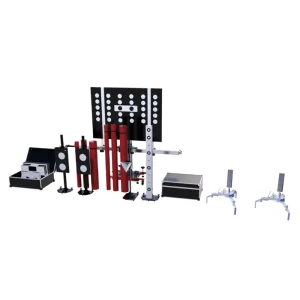
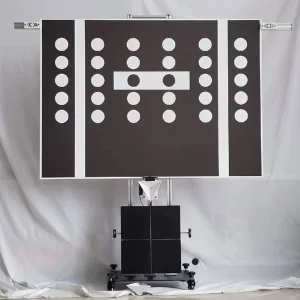
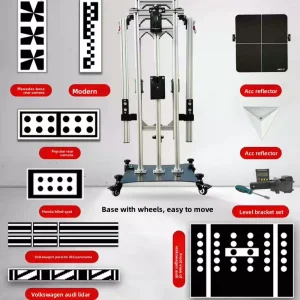
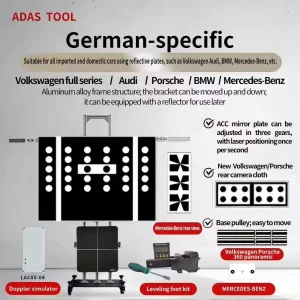
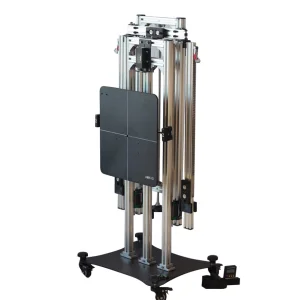
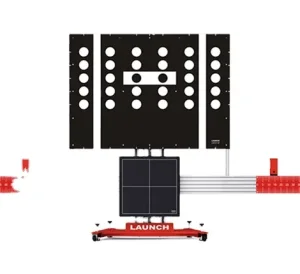
Explore our comprehensive selection of portable ADAS calibration frames, high-precision radar reflectors, and workshop diagnostic tools.
 Manata Scanner