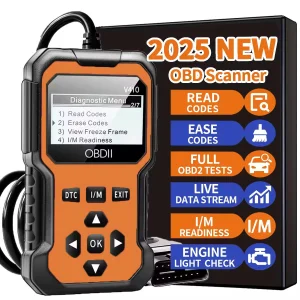
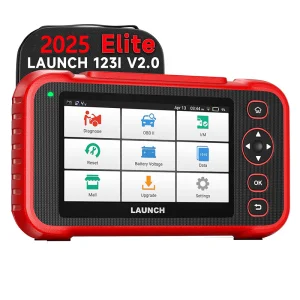
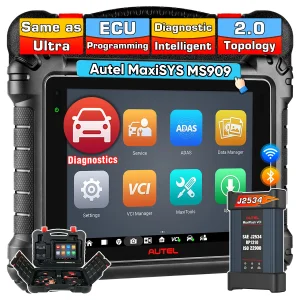
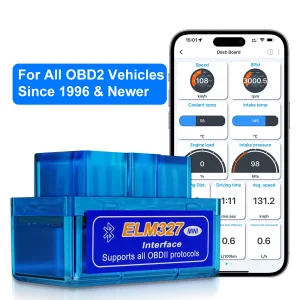
Modern vehicle diagnostic systems are transitioning away from simple trouble code readouts toward hyper-connected, multi-protocol systems capable of direct Edge computing and remote cloud synchronization. As a premier automotive engineering provider, we manufacture robust hardware and deep diagnostics software configured for workshops, heavy-duty machinery, and electric vehicles.
“The integration of J2534 Pass-Thru standards, CAN-FD, and Diagnostic over IP (DoIP) architectures has changed the way independent service providers interface with automotive ECUs.”
Our solutions facilitate full-system scans, complex bi-directional actuator testing, precise module programming, and sensor recalibrations. Designed to comply with global environmental mandates and OEM cybersecurity standards, our products bridge the gap between complex electronic vehicle networks and user-centric shop technicians.
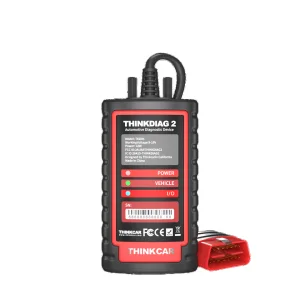
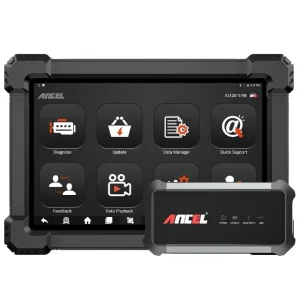
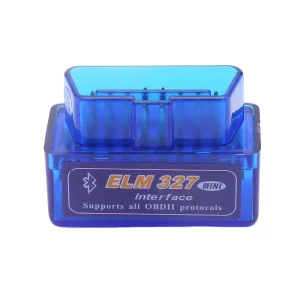
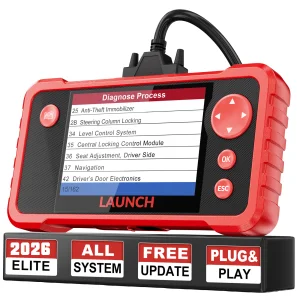
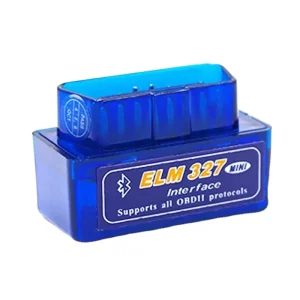
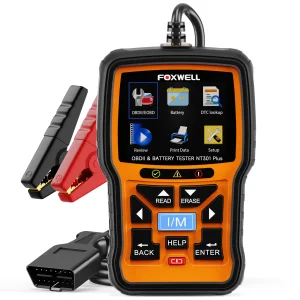
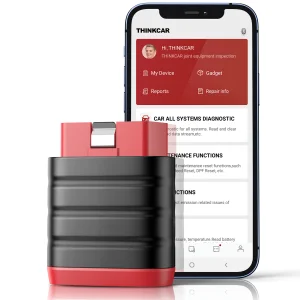
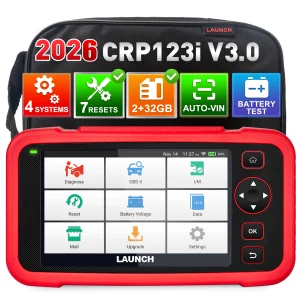
Explore our flagship hardware systems utilized by elite global distributors and workshops for comprehensive on-board vehicle diagnostic operations.
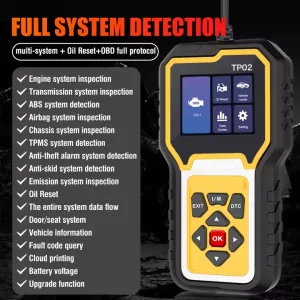
Select industrial-grade devices offering full OBD-II capability, bi-directional control, and multi-system resets.
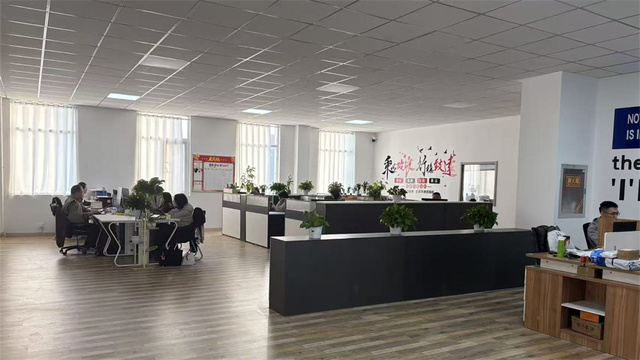
We are a leading China automotive diagnostic equipment manufacturer specializing in advanced vehicle inspection systems and ECU diagnostic solutions for the global automotive aftermarket. Driven by continuous technological innovation, our R&D divisions integrate artificial intelligence, cloud connectivity, big data analytics, and high-frequency electronic testing technologies directly into the manufacturing process.
We build robust architectures designed to interface seamlessly with complex controller area networks (CAN), supporting standard ICE vehicles as well as specialized configurations for EV battery packages and heavy agricultural machinery.
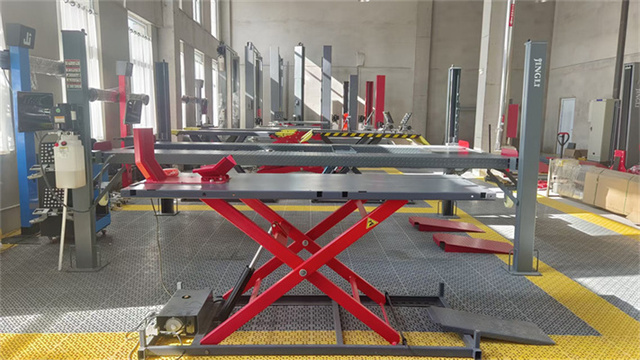
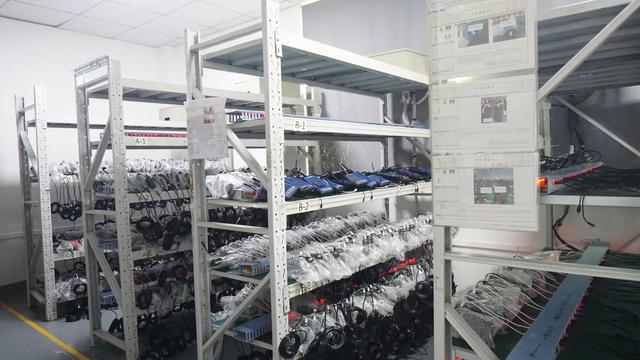
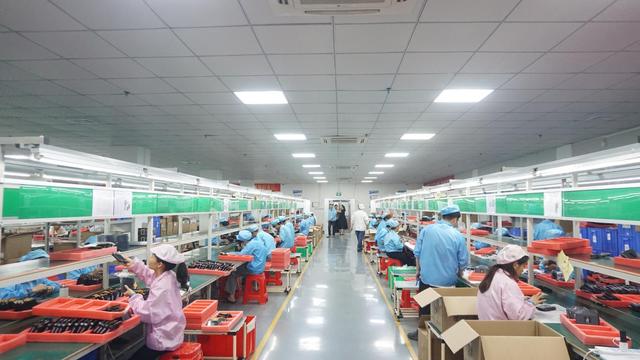
Quality is structural, not an afterthought. We implement comprehensive hardware verification stages at our ISO-certified facilities—ranging from multi-layer board inspections, wireless RF signal validation, to load testing under severe environments. Our hardware is engineered to fulfill standard vehicle testing protocols, emissions compliance (CARB, EPA), and regional safety frameworks (CE, FCC, RoHS).
Optimizing uptime and diagnostic resolution for multi-tier enterprises and fleets.
Enable multi-brand mechanics to tackle complex diagnostic tasks without paying exorbitant OEM system subscription fees. By consolidating 15+ reset services, bi-directional control, and ECU flashing protocols in modular devices, we empower local service networks to retain advanced servicing profits.
Heavy duty trucks and industrial machinery require specialized J1939 and specialized manufacturer-specific OBD structures. Our commercial fleet diagnostic terminals prevent long-duration roadside breakdowns by providing predictive maintenance indicators and direct emission system regenerations.
We provide full-spectrum engineering for private labels, including diagnostic software shell skinning, tailored housing drop-testing specifications, distinct VCI communication board designs, and proprietary SDK API configurations for seamless corporate database integrations.
As standard CAN bus speeds reach bandwidth limits due to complex ADAS sensor feeds and comprehensive vehicle control units, diagnostic communications are transitioning to high-speed ethernet structures. Understanding this technical hierarchy is essential for selecting appropriate hardware.
| Protocol Standard | Bandwidth Limit | Primary Industrial Use Case | Our Hardware Native Support |
|---|---|---|---|
| Standard CAN (ISO 11898) | Up to 1 Mbps | Legacy vehicle communications, basic DTC retrieval, standard chassis control module access. | Full integration across all pocket tools and high-end modules. |
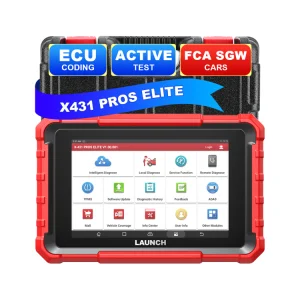
| CAN-FD (Flexible Data-rate) | Up to 5 - 8 Mbps | Modern body controllers, real-time multi-variable telemetry data streaming. | Integrated in Thinkdiag2, X431 Pros Elite, and MS909 platforms. |
| DoIP (ISO 13400) | Up to 100 Mbps | High-bandwidth flashes, broad ECU coding operations, complex ADAS camera recalibrations. | Supported in elite VCI architectures and complex diagnostic terminals. |
| UDS (ISO 14229) | Session Layer Protocol | Unified diagnostic standard used across modern passenger cars to allow deep vendor modifications. | Standardized firmware integration across premium diagnostic models. |
Our VCIs (Vehicle Communication Interfaces) use high-performance dual-core processors to decode signals in real-time, eliminating the packet loss common in low-grade clone tools. By utilizing active noise suppression circuits, they maintain clean data streams even in intense industrial areas near active dynos or high-voltage electric motor fields.
Traditional diagnostic tools focus largely on engine variables such as oxygen sensor levels, evaporative canister purges, and engine cylinder load ratios. EV diagnostic frameworks demand a shift. Diagnosing a high-voltage powertrain requires direct battery management system (BMS) communications.
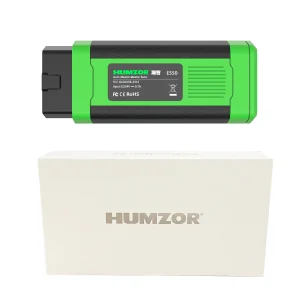
With our specialized tools, such as the E550 NEV scanner, technician safety and analytical depth are integrated directly into the software.
Unlike ICE vehicles, EV system architectures require isolation resistance detection (checking for high voltage leakages to the chassis frame) prior to servicing. Our VCIs feature built-in hardware level tests that check for safe operating thresholds before initiating deep ECU diagnostics.
By offering dedicated EV wiring harnesses, safe isolation terminals, and dynamic high-voltage battery diagnostic software, we enable service shops to transition seamlessly from conventional mechanics to certified EV servicing locations.
Every device undergoes functional burn-in tests and mechanical shock checks before shipment.
Modern vehicles feature Secure Gateways (SGW) that block unauthorized diagnostic commands via the OBD port to prevent cybersecurity threats. For technicians, this means basic tools cannot run simple tests, such as bleeding brakes or resetting steering angle sensors, on newer models.
Our software partnerships provide direct, authorized access to security gateways including FCA (Chrysler, Jeep, Dodge), Renault, and Hyundai/Kia directly on-tool. No external bypass hardware required.
We configure our systems to support regional regulatory emissions standards worldwide, including EPA OBD-II in North America, EOBD in the European Union, and China VI. Real-time access to Mode $01 to Mode $0A OBD data ensures compliance testing readiness, showing exact status flags for catalyst heaters, evap system components, and secondary air control modules.
The future of diagnostics: Cloud computing, deep edge diagnostics, and unified fleet analytics.
By matching live sensor graphs with historical repair records, our future software releases can predict failures. For instance, analyzing minor deviations in fuel trim alongside oxygen sensor reaction speeds can predict catalytic converter issues before a check engine light activates.
Advanced Driver Assistance Systems require precise physical target alignments. Our future platforms focus on linking cloud-connected diagnostic scanners directly with automatic digital calibration boards. This setup allows shop owners to finalize complex windshield camera swaps and sensor realignments in minutes.
Clear answers regarding OEM integration, software licenses, customized solutions, and global hardware support.
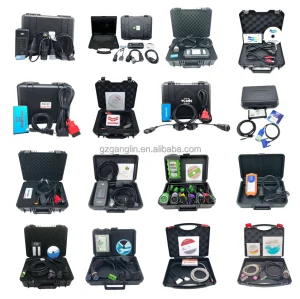
Select robust industrial code readers, heavy machine kits, and diagnostic interfaces for comprehensive fleet maintenance.
 Manata Scanner