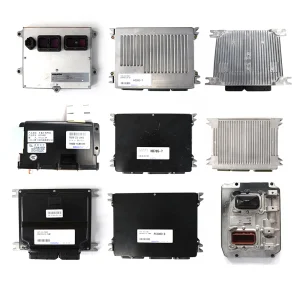
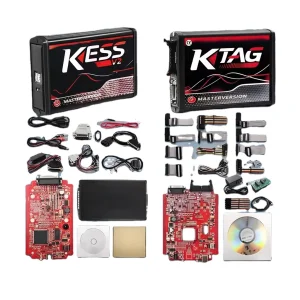
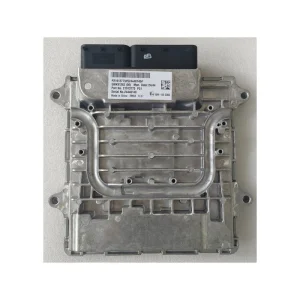
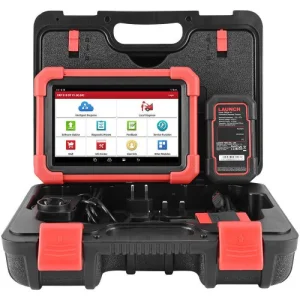
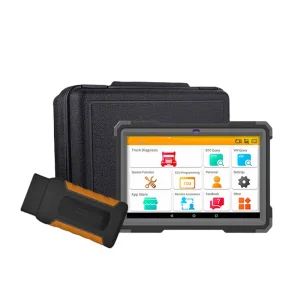
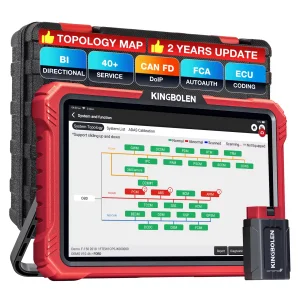
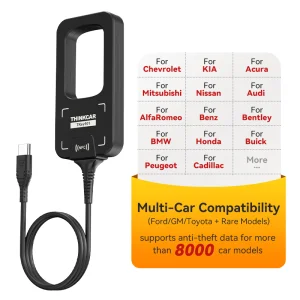
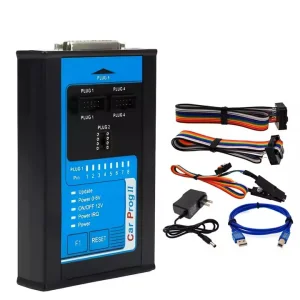
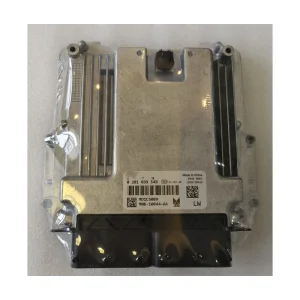
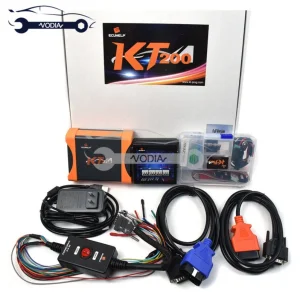
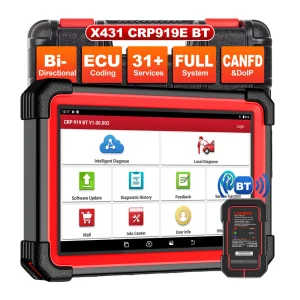
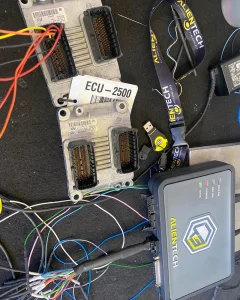
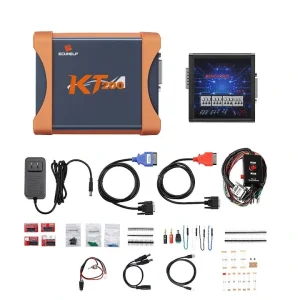
Explore our industrial-grade vehicle control units, diagnostic modules, and chip tuning systems engineered for workshop efficiency.
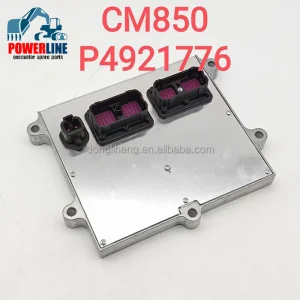
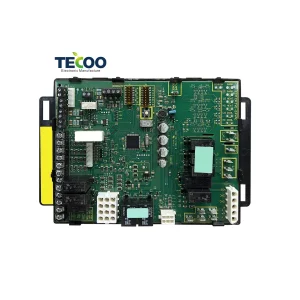
The global automotive aftermarket is undergoing a structural transition driven by the electrification, digitalization, and software-defined nature of modern transport vehicles. Control units are no longer simple mechanical switches; they are highly complex embedded computers requiring micro-precision diagnostics.
ECU (Engine Control Unit) programming and flash-tuning tools have progressed from enthusiast-level enhancements to compulsory equipment for regular automotive workshops, heavy transport operators, and fleet administrators. Modern requirements such as emissions optimization, secure gateway (SGW) bypass, ADAS integration, and EV battery management system (BMS) calibrations necessitate robust, high-performance, and secure hardware interfaces.
In the face of stringent international environmental policies and vehicle safety standards, exporters must supply systems that support standard open APIs such as J2534 Pass-Thru, CAN-FD, and DoIP (Diagnostics over Internet Protocol). This compliance ensures workshops can bypass proprietary OEM tool lockouts to run diagnostics on complex control loops without regional service interruptions.
A global leader in modern diagnostic systems, ADAS calibrations, and intelligent automotive aftermarket solutions.
Shenzhen Manata Scanner Co., Ltd. is a leading China automotive diagnostic equipment manufacturer specializing in advanced vehicle inspection systems and ECU diagnostic solutions for the global automotive aftermarket. With a strong commitment to innovation, quality, and intelligent vehicle servicing, Manata Scanner delivers reliable diagnostic technologies designed to improve maintenance efficiency, reduce downtime, and support modern workshop operations.
The company offers a comprehensive portfolio of automotive diagnostic equipment, including vehicle inspection systems, ECU programming and coding tools, automotive scan tools, ADAS calibration equipment, EV battery diagnostic systems, TPMS diagnostic devices, and intelligent fleet diagnostic solutions. These products are widely used by automotive repair workshops, vehicle inspection centers, dealerships, fleet operators, and maintenance service providers worldwide.
Driven by continuous technological innovation, Shenzhen Manata Scanner Co., Ltd. integrates artificial intelligence, cloud connectivity, big data analysis, and advanced electronic testing technologies into its product development process. The company's R&D team focuses on creating intelligent, accurate, and user-friendly diagnostic solutions capable of meeting the evolving requirements of both conventional and new energy vehicles.
Quality is at the core of Manata Scanner's manufacturing philosophy. The company implements strict quality management procedures throughout design, production, testing, and final inspection to ensure stable performance and long-term reliability. Its products are engineered to comply with international standards and are exported to customers across Europe, North America, South America, Southeast Asia, the Middle East, and other global markets. Committed to becoming a trusted global partner in automotive diagnostics, Shenzhen Manata Scanner Co., Ltd. continues to provide innovative products, professional technical support, and customized solutions that help customers enhance service capabilities and operational efficiency.
How China's advanced manufacturing ecosystem guarantees volume capacity, precision quality control, and rapid lead times.
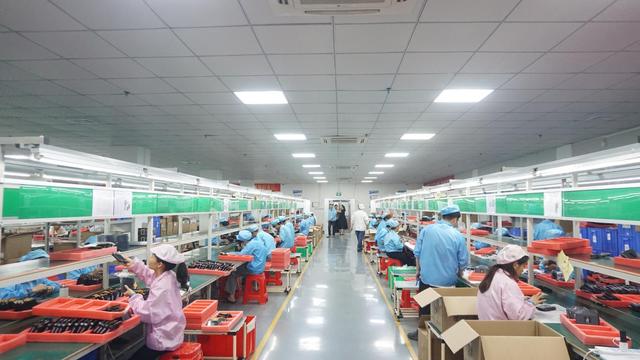
Our microelectronics are assembled on high-speed SMT lines with automated optical inspection (AOI) to eliminate solder bridging, trace voids, and thermal resistance anomalies on the ECU mainboards.
Each unit undergoes continuous high-low temperature thermal cycling (-40°C to +85°C) to ensure the physical durability of internal chips and the integrity of data communication under heavy load.
By securing key semiconductors, transceivers, and diagnostic chips directly from tier-one silicon providers, we prevent supply interruptions caused by global chip shortages.
The geographic density of Shenzhen's hardware ecosystem allows Manata Scanner to source, design, mock-up, test, and ship specialized diagnostic tools within significantly shorter lead times than competitors. Combining this supply chain speed with rigorous QA protocols guarantees that global diagnostic distributors receive flawless, highly secure programming equipment ready to plug into high-revenue diesel engines, yellow-metal heavy machinery, or hybrid vehicles.
The evolutionary trajectory of ECU programming: shifting from legacy EEPROM reading to secure OTA and Cloud-edge computing.
Traditional diagnostic tools required manual firmware flashing. Future architectures will integrate serverless cloud environments where ECU checksum calibrations are completed remotely via secure API bridges.
As internal combustion engines give way to high-voltage electric motors, reprogramming centers on Battery Management System (BMS) logic, cell degradation balancing algorithms, and regenerative braking profiles.
Machine learning models integrated within ECU interfaces will automatically suggest dynamic fuel maps, turbocharging adjustments, and emissions control strategies based on engine wear logs.
We are actively developing diagnostic layers that support next-generation automotive security standards like ISO 21434 (Cybersecurity engineering for road vehicles) and secure key exchanges. This allows mechanics and vehicle owners to program components without compromising the functional safety of the modern vehicle's onboard ethernet architecture.
Tailoring advanced ECU program configurations to real-world operating environments and severe duty cycles.
In high-sulfur or extreme altitude mining environments (e.g., Chile, Western Australia), excavator control systems are reprogrammed to modulate fuel injection pressure, preserving hydraulic pump efficiency under high structural loads.
Global shipping providers use our truck programmers to calibrate speed limiters, optimize EGR profiles, and run diagnostic cycles on SCR controllers, driving down total operational expenditures by up to 8% annually.
For large-scale agricultural combines in South America or Eastern Europe, our ruggedized programmers allow local technicians to troubleshoot fuel systems and patch engine maps directly in the field, avoiding costly transport of massive machinery.
Navigating regional certification environments is vital for ensuring customs compliance and long-term diagnostic legality in target markets.
We construct our diagnostic interfaces to exceed strict standards including FCC (North America), CE & UKCA (European Economic Area), and RoHS (Hazardous Substances Control). These assurances give industrial distributors peace of mind when selling into highly regulated public works contracts and private commercial fleets.
Furthermore, all global exporters require reliable, round-the-clock technical assistance. We support dynamic remote diagnostics via desktop bridges, firmware patching via cloud-based client software, and multi-language vehicle mapping files created specifically for diverse engine platforms (including Cummins, Bosch, Denso, Caterpillar, and Volvo controllers).
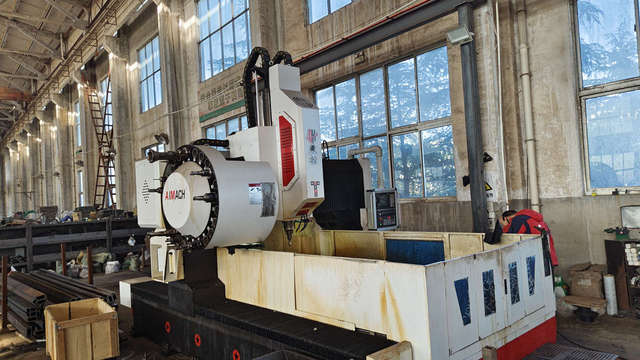
Essential insights concerning compatibility, hardware implementation, and international compliance for buyers and engineers.
OBD2 tuning interfaces directly with the ECU via the diagnostic port of the passenger cabin, allowing quick read/write processes without hardware disassembly. Bench mode requires removing the ECU from the vehicle and connecting directly to the external pins (no chip soldering required), whereas Boot mode requires opening the metal casing to connect to specific nodes on the PCB board. Bench and Boot modes offer deeper access to raw EEPROM/Flash memory arrays and are safer when recovering from a bricked ECU state.
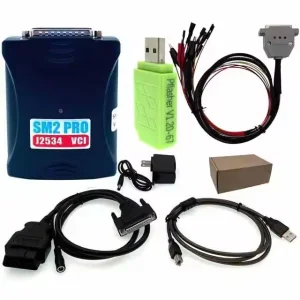
J2534 is an international standard established by the SAE (Society of Automotive Engineers) to allow generic hardware interfaces to act as direct Pass-Thru portals for official vehicle manufacturers' OEM software. This means a single, robust J2534 VCI can execute calibrations, software reflashing, and secure updates using official factory files instead of relying on expensive, manufacturer-specific proprietary hardware interfaces.
Automotive OEMs are implementing Secure Gateways to block unauthorized read/write attempts over standard CAN buses. Professional-grade programming scanners solve this by integrating software authorization protocols (such as certified API access for FCA, Renault, and VAG) or utilizing physical hardware bypass cables that plug directly into the CAN lines past the gateway hub.
Yes, our equipment is designed to process J1939, J1708, and K-Line communications protocols which are standard across Caterpillar, Volvo, Komatsu, Hitachi, and Doosan control systems. This enables deep parameter modification, diagnostic troubleshooting, and operational optimization under tough off-highway environmental demands.
Extend your service range with key programming interfaces, professional diagnostic software, and chip-tuning equipment.
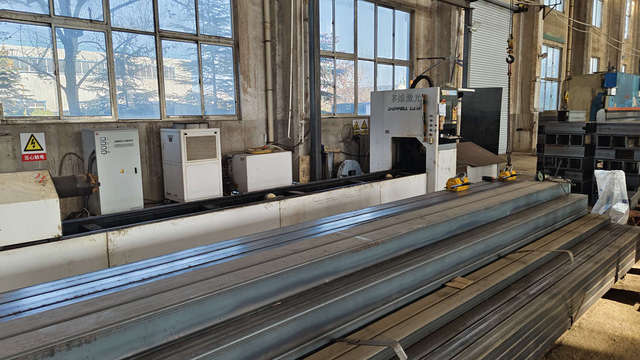
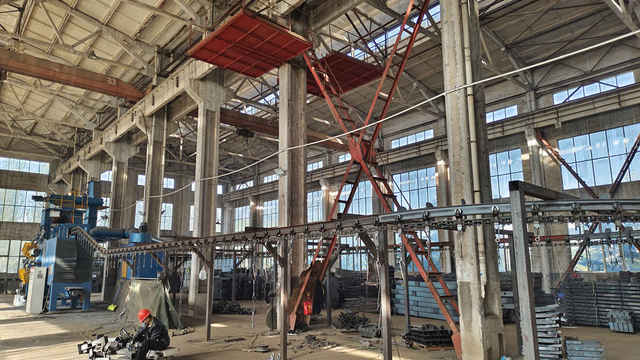
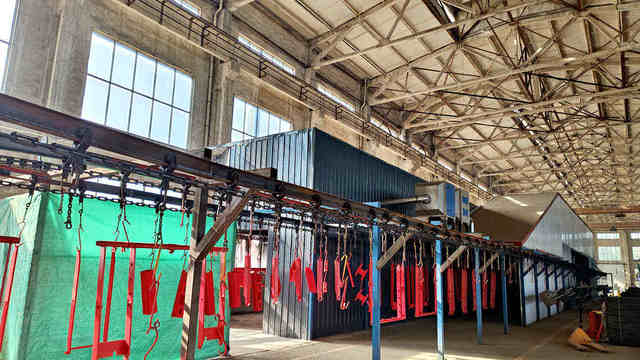
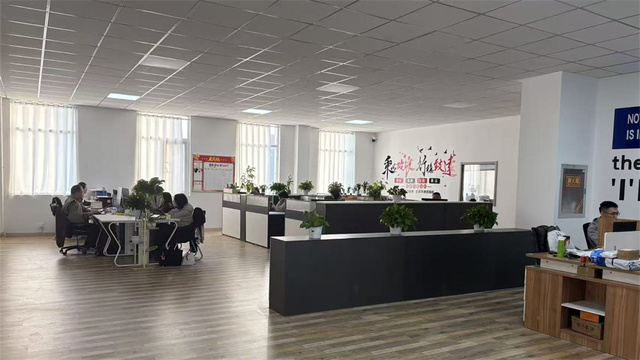
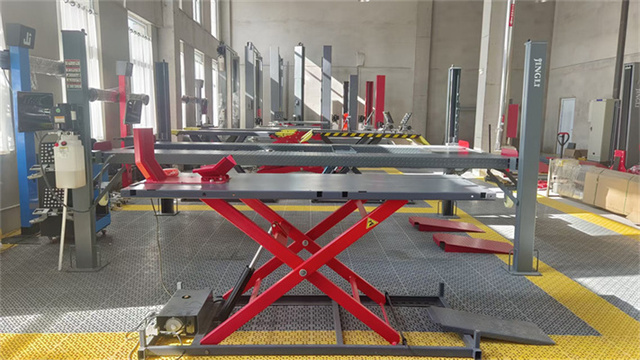
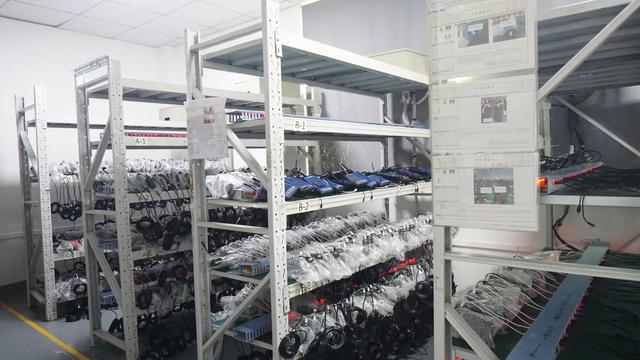
Witness the strict electronic testing, SMT line precision, and quality control systems driving our factory operations in Shenzhen.
 Manata Scanner