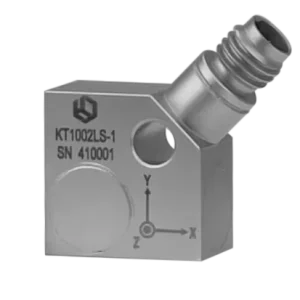
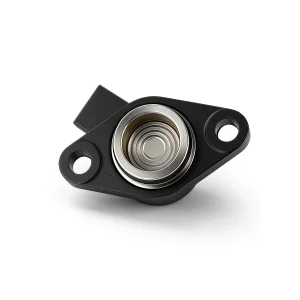
Engineered to simulate real-world physical and electronic stress conditions. These primary diagnostic instruments guarantee complete compliance with international emission and structural safety parameters.
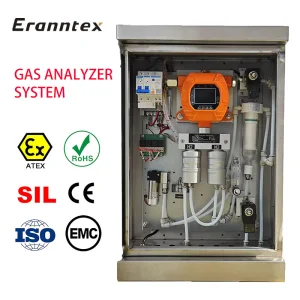
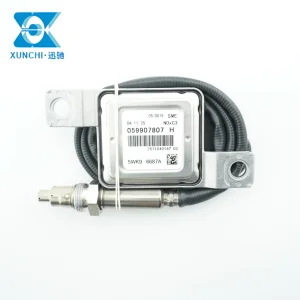
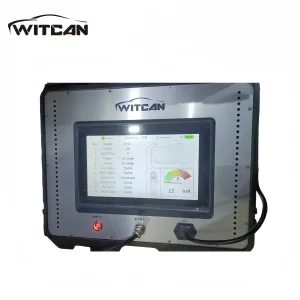
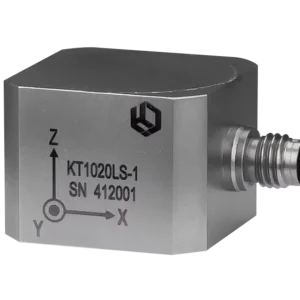
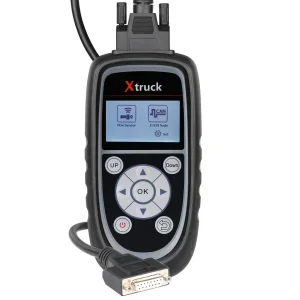
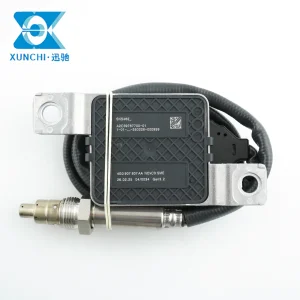
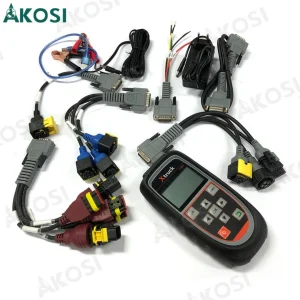
As emission targets tighten globally under EPA standards and Euro VI mandates, commercial diesel vehicles require highly responsive selective catalytic reduction (SCR) configurations. At the center of these exhaust systems are ceramic-based Nitrogen Oxide (NOx) sensors and high-precision AdBlue dosing pumps.
Over extended periods, these systems degrade due to thermal cycling, sulfur deposits, soot contamination, and electrical wear. Simply replacing assemblies without diagnostic verification can lead to repeated failures. Professional sensor testing equipment provides complete diagnostics by measuring response speeds, electrical resistance, and signal frequency under real-world exhaust conditions.
By simulating dynamic workloads, our calibration machinery helps technicians differentiate between actual physical component wear and software-induced communication faults inside the ECU. This significantly reduces downtime and prevents unnecessary replacement of expensive assemblies.
SAE J1939 CAN-bus parsing at 250k/500k baud rates, simulating real-time ECU handshake routines.
Simulates dynamic exhaust gas speeds to test nitrogen oxide gas concentration variations from 0 to 3000 ppm.
Checks AdBlue urea injection volumes with precision flow meters down to 0.05 ml/stroke resolution.
Designing diagnostics capable of adapting to varying regional OBD-II standards and national environmental criteria.
Our equipment complies with CE, FCC, and RoHS certifications. Firmware setups are calibrated for US EPA standards, Euro VI regulations, and China VI emissions profiles, helping workshops easily resolve environmental non-compliance issues.
Localized control interfaces in English, Spanish, Russian, German, Portuguese, and Mandarin support field technicians around the world. Dynamic, on-screen error codes match regional OEM fault definitions.
Regular OTA (Over-the-Air) software updates keep our systems aligned with the latest heavy-duty diagnostic updates and CAN-bus protocol revisions, avoiding equipment obsolescence.
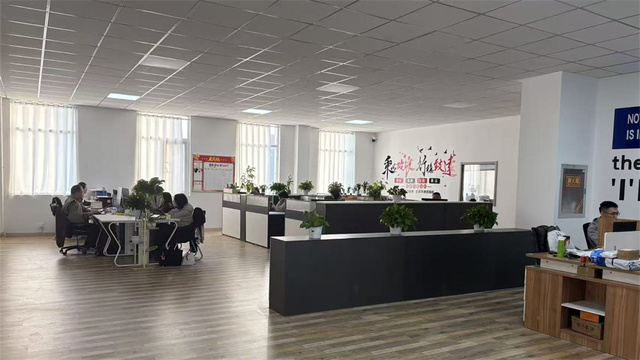
Located in Shenzhen, the silicon heart of China's automotive hardware sector, Shenzhen Manata Scanner Co., Ltd. benefits from direct access to a highly integrated supply chain. We source industrial-grade microcontrollers, heavy-duty pressure transducers, and chemical-resistant flow meters with minimal lead times.
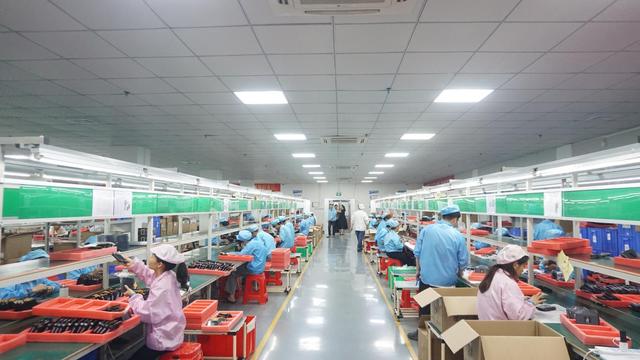
Our streamlined production facility combines automated PCB assembly with specialized testing procedures. Environmental chamber testing and automated diagnostic calibration ensure every piece of test equipment performs reliably in harsh workshop conditions.
We customize our diagnostic solutions to address the key technical requirements and operational priorities of major industrial purchasing divisions.
Goal: Minimize Off-Road Downtime
Identifying whether a sensor error requires a simple cleaning or a full unit replacement prevents vehicles from going into forced limp mode, avoiding costly towing bills and delays.
Goal: Multi-Brand Diagnostics
Technicians need all-in-one test units capable of diagnosing DAF, Scania, Volvo, Isuzu, and Cummins NOx sensors and urea systems without requiring multiple separate tools.
Goal: Lower Warranty Return Rates
Distributors can test returned components on the spot to verify actual defects, preventing losses from functional sensors returned due to incorrect workshop diagnosis.
The transition to electric vehicles (EVs) and advanced driver-assistance systems (ADAS) is changing workshop requirements. Diagnostic platforms are evolving from simple OBD-II readers into multi-functional simulation centers.
In electric powertrains, thermal and vibration monitoring are critical. Dynamic test benches must now evaluate triaxial IEPE accelerometers and high-precision pressure sensors designed for EV battery packs. This ensures battery safety and structural integrity under high stress.
Additionally, testing centers are increasingly adopting AI-driven, cloud-connected analytics. Our ongoing research focuses on integrating pattern recognition models to forecast sensor wear based on live testing data, helping fleet managers shift toward proactive maintenance.
See how our sensor testing hardware helps optimize diagnostic operations in different industrial environments.
Technicians use our portable NOx sensor testers to perform rapid diagnostic checks during routine oil changes, resolving sensor faults before they trigger severe ECU derate modes.
Using specialized test benches, rebuilders run rebuilt AdBlue pumps through a series of pressures and duty cycles, validating internal sealing and dosing accuracy before sale.
Acoustic and structural engineers deploy triaxial piezoelectric accelerometers to map structural resonances and cabin noise levels during chassis dyno sweeps.
Shenzhen Manata Scanner Co., Ltd. is a leading China automotive diagnostic equipment manufacturer specializing in advanced vehicle inspection systems and ECU diagnostic solutions for the global automotive aftermarket. With a strong commitment to innovation, quality, and intelligent vehicle servicing, Manata Scanner delivers reliable diagnostic technologies designed to improve maintenance efficiency, reduce downtime, and support modern workshop operations.
The company offers a comprehensive portfolio of automotive diagnostic equipment, including vehicle inspection systems, ECU programming and coding tools, automotive scan tools, ADAS calibration equipment, EV battery diagnostic systems, TPMS diagnostic devices, and intelligent fleet diagnostic solutions. These products are widely used by automotive repair workshops, vehicle inspection centers, dealerships, fleet operators, and maintenance service providers worldwide.
Driven by continuous technological innovation, Shenzhen Manata Scanner Co., Ltd. integrates artificial intelligence, cloud connectivity, big data analysis, and advanced electronic testing technologies into its product development process. The company's R&D team focuses on creating intelligent, accurate, and user-friendly diagnostic solutions capable of meeting the evolving requirements of both conventional and new energy vehicles.
Quality is at the core of Manata Scanner's manufacturing philosophy. The company implements strict quality management procedures throughout design, production, testing, and final inspection to ensure stable performance and long-term reliability. Its products are engineered to comply with international standards and are exported to customers across Europe, North America, South America, Southeast Asia, the Middle East, and other global markets.
Committed to becoming a trusted global partner in automotive diagnostics, Shenzhen Manata Scanner Co., Ltd. continues to provide innovative products, professional technical support, and customized solutions that help customers enhance service capabilities and operational efficiency.
AI-supported cloud diagnostics, CAN-FD/DoIP protocol parsing, precision liquid metering, and environmental stress screening (ESS) for complex sensor assemblies.
Answers to common technical questions regarding NOx sensors, AdBlue pumps, and piezoelectric diagnostic platforms.
This issue is often caused by wiring problems or signal interference on the J1939 CAN-bus. If the 24V/12V power supply lines, ground wire, or CAN-High/CAN-Low signals are compromised, the ECU will report a connection loss. Our diagnostic tools help you isolate this by powering the sensor independently and testing its CAN communication directly, separating wiring harness faults from internal sensor issues.
Our testing units drive the urea pump's internal solenoid using customizable PWM (Pulse Width Modulation) duty cycles. They measure the volume of fluid returned and output at specific test pressures. If the pumped volume falls outside the OEM specification (e.g., during a simulated 100-stroke test), it suggests internal mechanical wear, blockages, or a failing solenoid.
Single-axis accelerometers measure vibration along a single plane, making them suitable for targeted components like fans or bearings. Triaxial IEPE (Integrated Electronics Piezo-Electric) accelerometers measure vibrations in three dimensions (X, Y, and Z axes) simultaneously. This is critical for mapping complex automotive structural dynamics, engine block NVH, and transient shock impacts.
Ceramic NOx sensor elements are sensitive to thermal shock. If the built-in heater is powered up while moisture is present, the ceramic substrate can crack. Our test benches feature a pre-heat diagnostic routine that gradually heats the sensor head, evaporating residual moisture before applying full heating voltage.
Yes. The firmware inside our diagnostic systems allows you to switch between 12V and 24V operational parameters. It also supports different CAN address profiles for commercial brands like Cummins, Detroit, Volvo, DAF, Scania, and Mercedes-Benz, helping you verify that sensors handshake correctly with their target ECU configurations.
Static pressure tests do not simulate real-world operations. Dynamic flow tests monitor how the system handles pressure shifts during active dosing. This checks if the pressure regulator and backflow valves function properly, preventing under-dosing faults and crystal buildup in the line.
Heavy-duty testing instruments designed for production-line quality control, high-frequency vibration mapping, and component load verification.
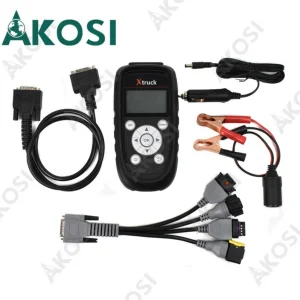
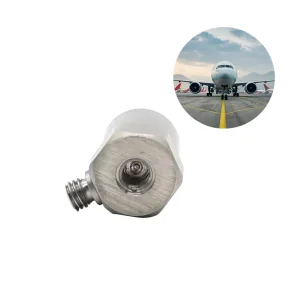
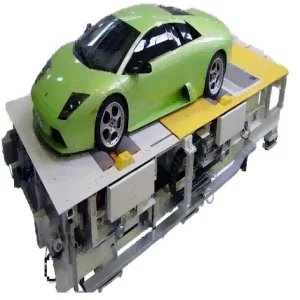
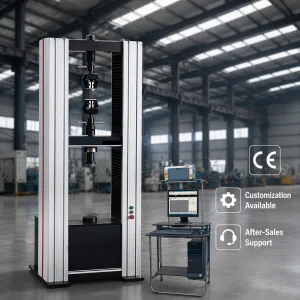
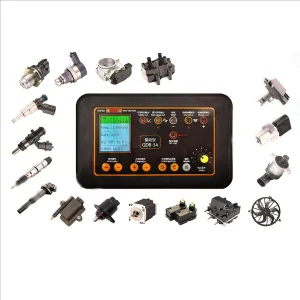
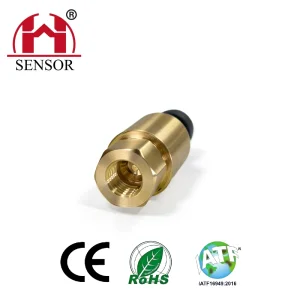
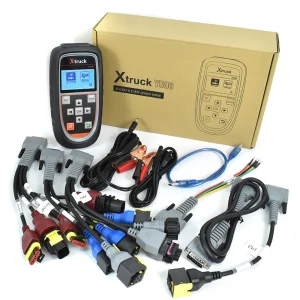
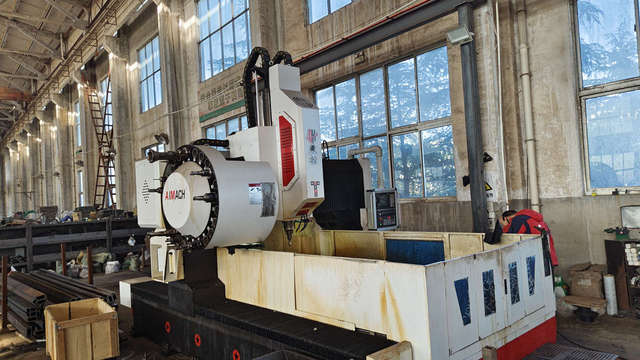
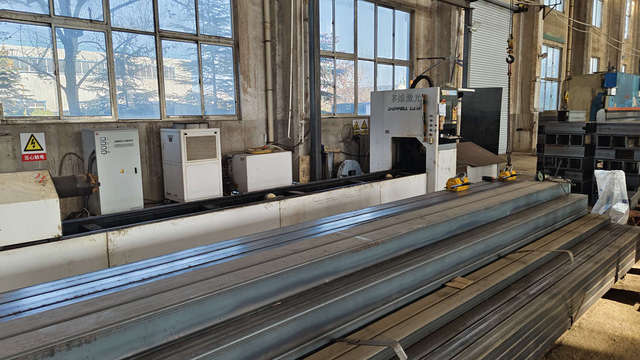
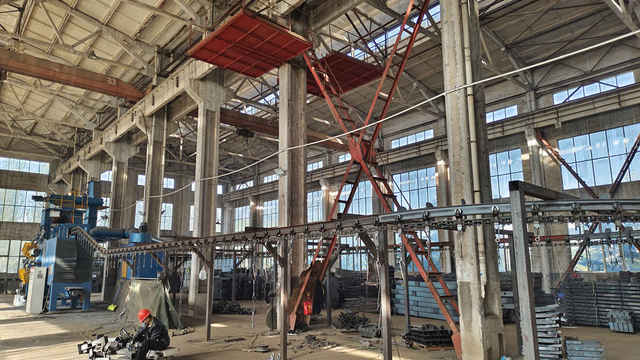
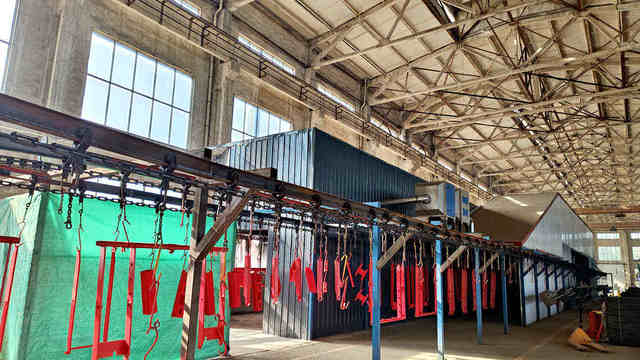
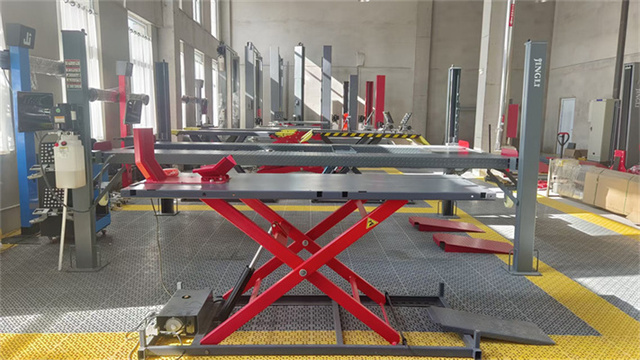
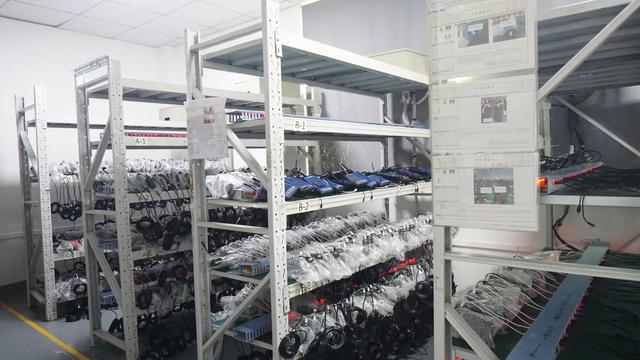
Inside our specialized production lines. Every diagnostic system is built, calibrated, and stress-tested to ensure reliable field performance.
 Manata Scanner