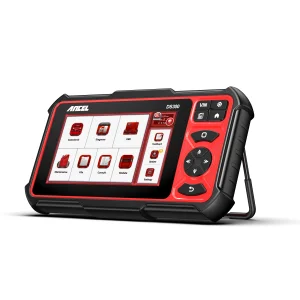
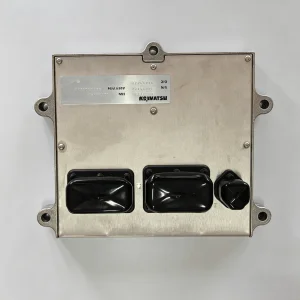
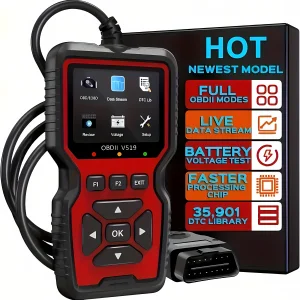
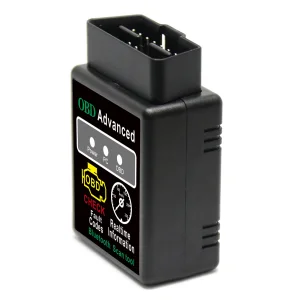
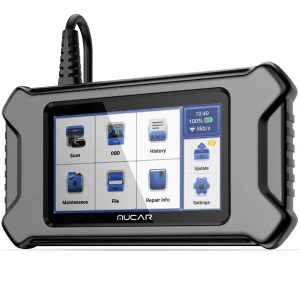
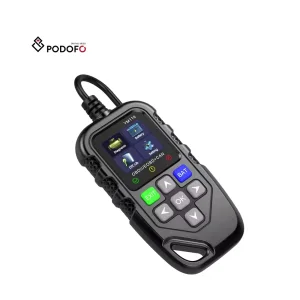
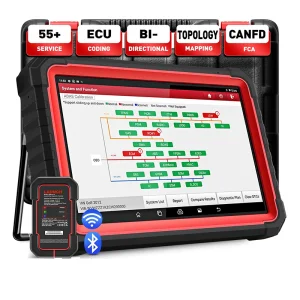
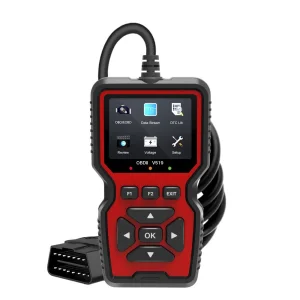
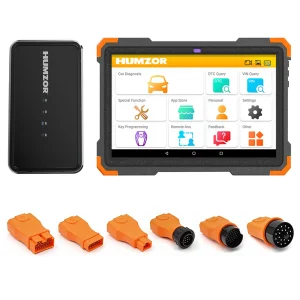
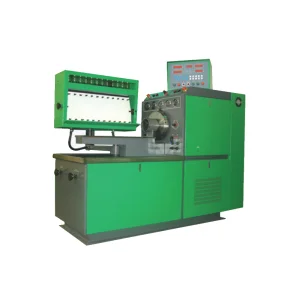
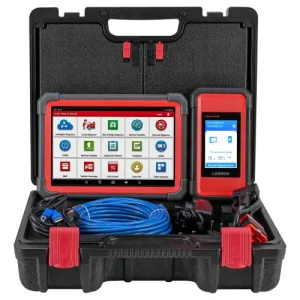
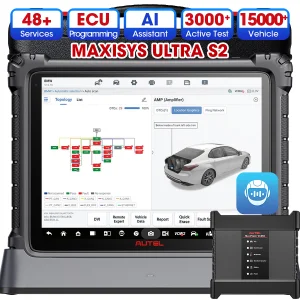
Professional-tier vehicle diagnostic tools, ECU controllers, and engine scanners engineered for precision workshop tuning, fleet tracking, and real-time fault detection.
The critical convergence of automotive software engineering, emissions conformity, and fleet asset management.
The modern automotive and industrial heavy-machinery markets are undergoing an unprecedented shift toward software-defined architectures. Engine Diagnostic Systems are no longer just basic code readers; they have evolved into the centralized intelligence core of workshop maintenance and fleet management operations. Driven by strict international regulations, including Europe's Euro 6d/Euro 7 standards and North America’s EPA emissions guidelines, manufacturers must build systems capable of micro-second data logging, precision monitoring of ECU (Engine Control Units), and real-time telemetry.
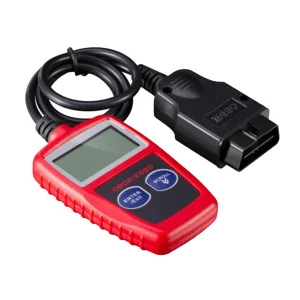
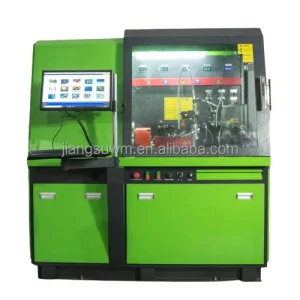
Globally, the market for engine diagnostics is segmented by application depth: high-end heavy-duty equipment systems (such as Komatsu ECM controllers), automotive aftermarket diagnostic systems (such as multi-system hand-held scanners), and common rail calibration rigs. This diversity means diagnostic equipment manufacturers must balance wide compatibility across legacy OBD-II systems with cutting-edge protocol support for newer CAN FD, DoIP (Diagnostics over IP), and secure gateway systems.
By using cloud-linked frameworks, these systems help workshop owners reduce mechanical diagnostic times by over 40%, optimizing labor efficiency and increasing workshop capacity.
Exploring the key innovations driving vehicle diagnostics, from AI-driven failure prediction to high-pressure common rail validation.
Diagnostic tools are moving beyond passive DTC detection. Next-generation systems analyze historical ECU parameters, live sensor logs, and wear models to predict failures before they happen, saving fleet managers from costly road breakdowns.
As modern vehicle systems handle larger volumes of data, older CAN networks can experience bottlenecks. DoIP and CAN FD allow data transmission speeds up to 100 Mbps, enabling fast full-system flashes and ECU programming.
Diagnostic manufacturers are developing unified platforms that support both traditional internal combustion engines (ICE) and electric vehicles (EVs). These tools monitor both high-voltage battery health (BMS) and traditional combustion systems.
Understanding how diagnostic systems operate in varied and demanding environments globally.
Different industries require specialized diagnostic solutions. For example, open-pit mining operations rely on robust hardware, like IP66-rated diagnostic devices, to withstand dust, vibration, and extreme temperatures. Standard workshop scanners, by contrast, focus on software flexibility and wide-ranging vehicle database updates.
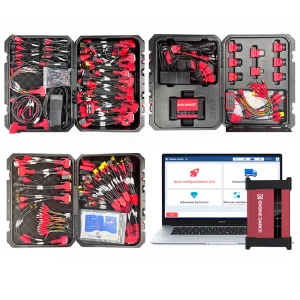
Shenzhen Manata Scanner Co., Ltd. addresses these diverse needs by engineering ruggedized diagnostic systems, advanced ECU programming tools, and high-precision calibration benches. This comprehensive line ensures that whether you are diagnostics-testing a fleet of city transit buses or servicing heavy-duty earth-moving machinery, your operations remain efficient and productive.
The development path toward autonomous diagnostics, OTA programming, and standardized cybersecurity protocols.
Consolidating engine, transmission, ABS, and ADAS diagnostics into single-handheld platforms with wireless Bluetooth interfaces.
Integrating cryptographic authentication keys to safely interface with OEM Secure Gateways (SGW) like FCA, Renault, and VW.
Executing remote firmware modifications, clearing DTC codes, and updating engine parameters directly via cellular networks.
Utilizing machine learning to self-diagnose system anomalies and recommend precise calibration parameters without human error.
A Leading China Automotive Diagnostic Equipment Manufacturer.
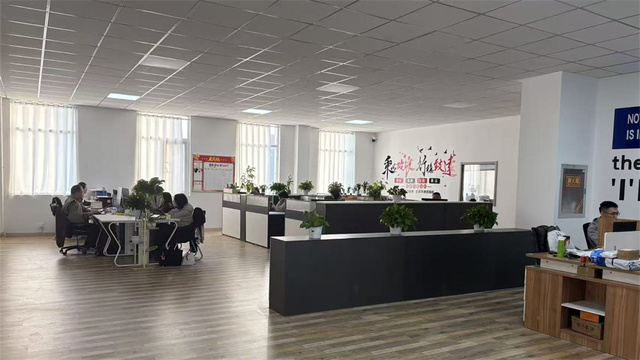
Shenzhen Manata Scanner Co., Ltd. is a leading China automotive diagnostic equipment manufacturer specializing in advanced vehicle inspection systems and ECU diagnostic solutions for the global automotive aftermarket. With a strong commitment to innovation, quality, and intelligent vehicle servicing, Manata Scanner delivers reliable diagnostic technologies designed to improve maintenance efficiency, reduce downtime, and support modern workshop operations.
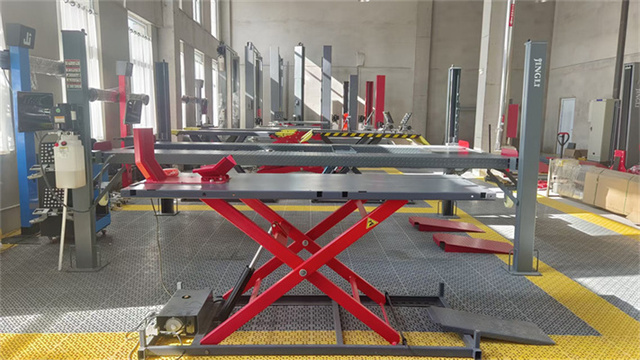
The company offers a comprehensive portfolio of automotive diagnostic equipment, including vehicle inspection systems, ECU programming and coding tools, automotive scan tools, ADAS calibration equipment, EV battery diagnostic systems, TPMS diagnostic devices, and intelligent fleet diagnostic solutions. These products are widely used by automotive repair workshops, vehicle inspection centers, dealerships, fleet operators, and maintenance service providers worldwide.
Driven by continuous technological innovation, Shenzhen Manata Scanner Co., Ltd. integrates artificial intelligence, cloud connectivity, big data analysis, and advanced electronic testing technologies into its product development process. The company's R&D team focuses on creating intelligent, accurate, and user-friendly diagnostic solutions capable of meeting the evolving requirements of both conventional and new energy vehicles.
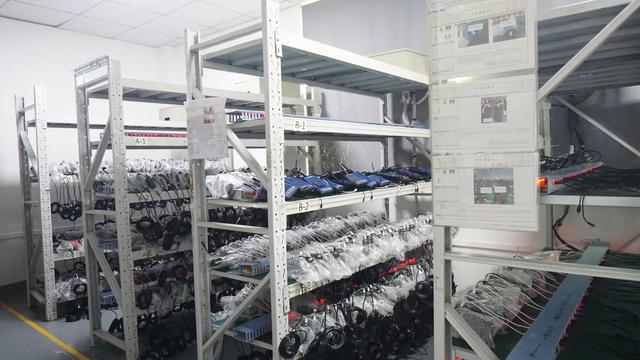
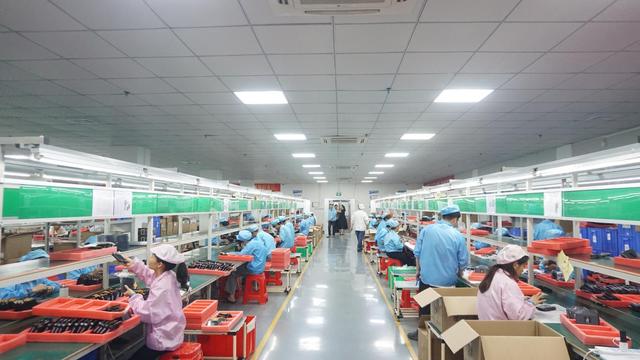
Quality is at the core of Manata Scanner's manufacturing philosophy. The company implements strict quality management procedures throughout design, production, testing, and final inspection to ensure stable performance and long-term reliability. Its products are engineered to comply with international standards and are exported to customers across Europe, North America, South America, Southeast Asia, the Middle East, and other global markets. Committed to becoming a trusted global partner in automotive diagnostics, Shenzhen Manata Scanner Co., Ltd. continues to provide innovative products, professional technical support, and customized solutions that help customers enhance service capabilities and operational efficiency.
Technical answers to key questions about ECU tuning, hardware interfaces, common rail testing, and scan tool configurations.
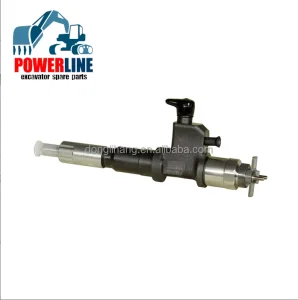
High-precision testing systems, diesel injector test benches, J2534 pass-thru program devices, and diesel common rail components.
 Manata Scanner