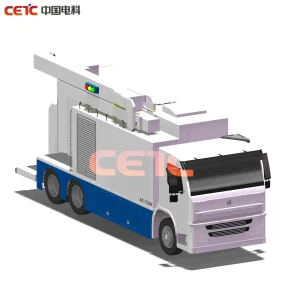
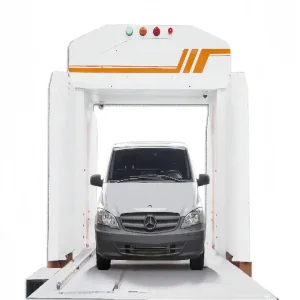
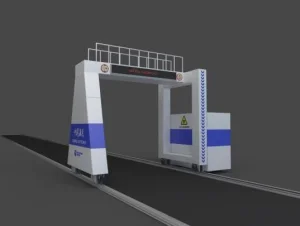
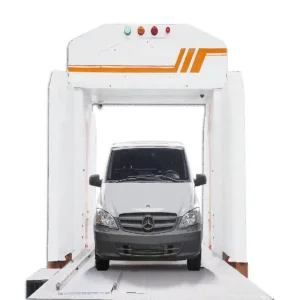
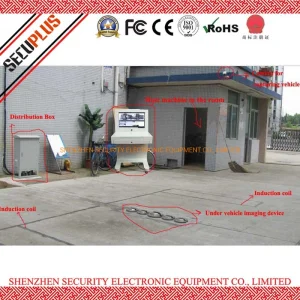
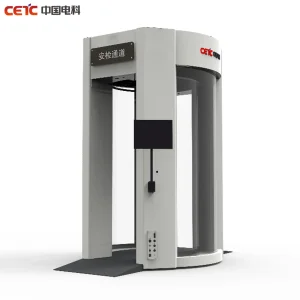
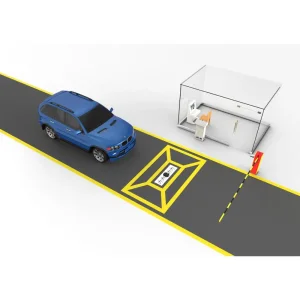
Engineered for immediate deployment at high-security transit checkpoints, custom border zones, and critical infrastructure across the Bangkok Metropolitan Area.
As the economic engine of Thailand and the primary logistical gateway for mainland Southeast Asia, the Bangkok Metropolitan Area requires unparalleled security infrastructure. The integration of the Eastern Economic Corridor (EEC) development scheme and the continuous expansion of rapid transit networks (BTS/MRT) demand highly reliable, high-throughput security controls. Commercial trade hubs like the Port of Bangkok (Khlong Toey) and the massive cargo networks at Suvarnabhumi Airport handle millions of cargo movements annually, presenting a dual challenge of fast custom clearance and uncompromising safety enforcement.
Furthermore, Bangkok's status as a diplomatic center housing over a hundred foreign embassies, regional UN offices, and vital government complexes (such as the Chaeng Watthana Government Complex) elevates the threat profile for potential contraband trafficking, vehicle-borne improvised explosive devices (VBIEDs), and illegal border crossings. Securing these zones demands next-generation under-carriage screening systems capable of real-time imaging and automated anomaly detection.
Bangkok's environmental conditions pose extreme challenges to optoelectronic security systems. The city experiences prolonged monsoon seasons, seasonal localized flooding (often exceeding depths of 10-20 cm on roadways), high humidity levels fluctuating between 70% and 90%, and severe ambient dust (PM2.5). These factors dictate that any vehicle inspection system deployed in the region must feature:
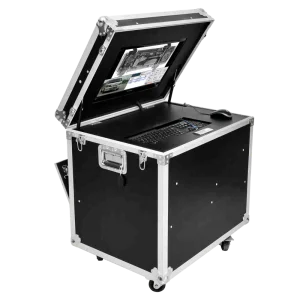
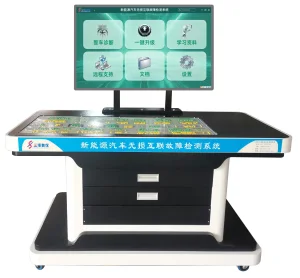
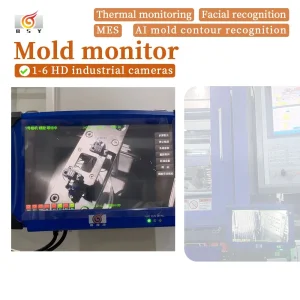
Innovative non-destructive testing and portable diagnostic arrays designed for vehicle manufacturers, EV development facilities, and highly mobile customs checkpoints.
Understanding the distinction between screening paradigms is critical for global procurement managers. Depending on the targeted site, different physical inspection processes should be implemented:
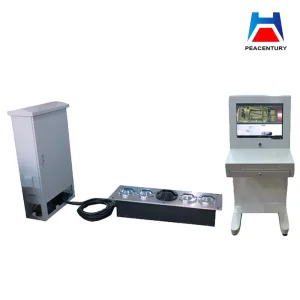
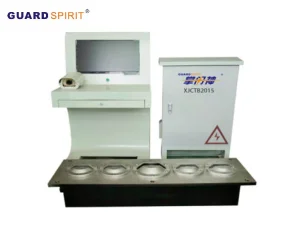
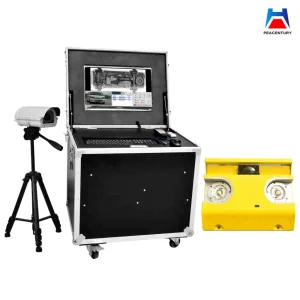
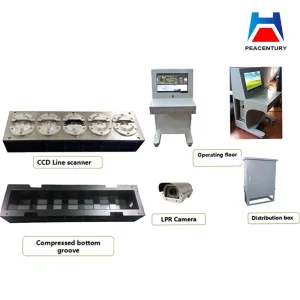
Optical UVSS units utilize high-speed linear CCD/CMOS line-scan cameras aligned with structured LED light arrays. As a vehicle rolls over the ground scanner, the system captures thousands of line-slice images per second, stitching them together via integrated processing software to present a single, high-definition undercarriage composite image. Key features include:
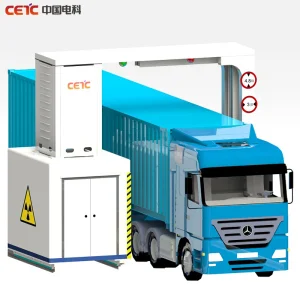
For border crossings, port cargo manifests, and customs clearances at logistics hubs like the Lat Krabang ICD, optical inspection is insufficient for detecting dense internal cargo discrepancies or hidden organic material. In these high-stakes environments, high-energy X-ray imaging systems are deployed. These utilize a linear accelerator or a high-kV source to penetrate solid steel structures:
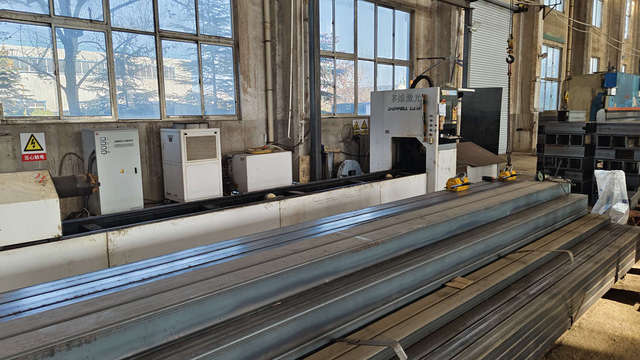
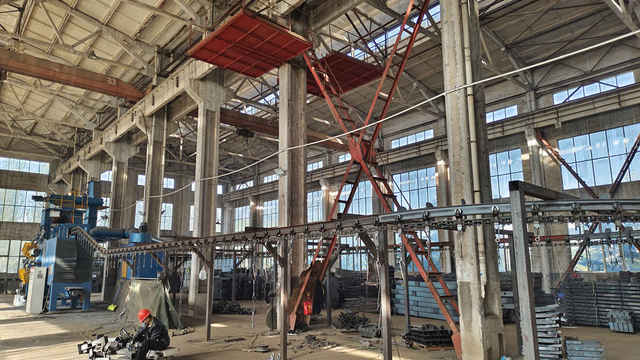
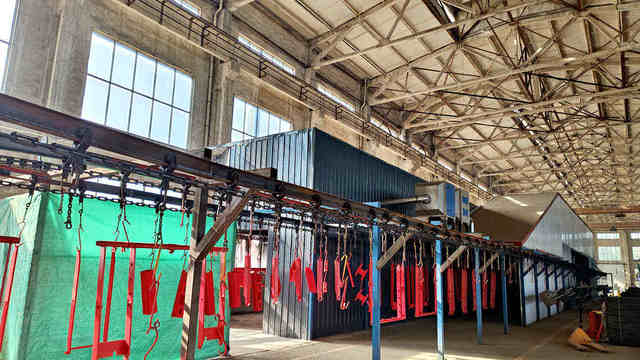
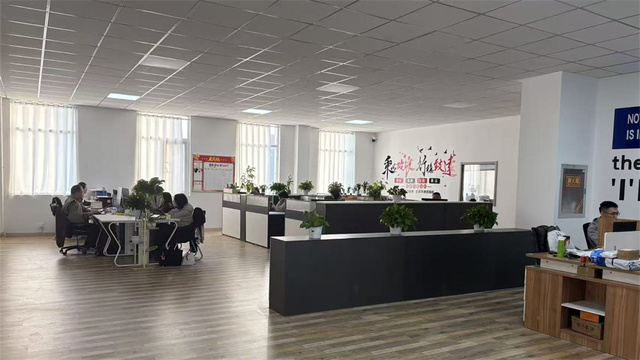
Shenzhen Manata Scanner Co., Ltd. is a global leader in automotive diagnostics and high-security screening equipment.
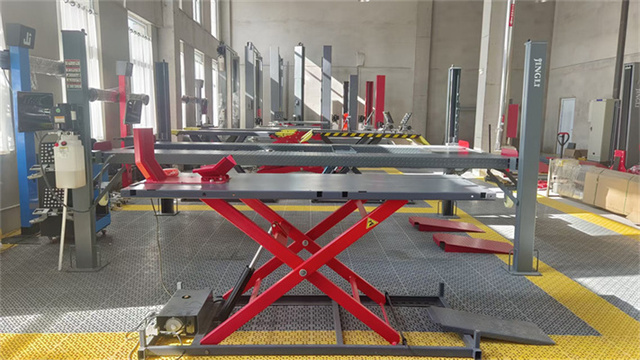
Shenzhen Manata Scanner Co., Ltd. is a leading China automotive diagnostic equipment manufacturer specializing in advanced vehicle inspection systems and ECU diagnostic solutions for the global automotive aftermarket. With a strong commitment to innovation, quality, and intelligent vehicle servicing, Manata Scanner delivers reliable diagnostic technologies designed to improve maintenance efficiency, reduce downtime, and support modern workshop operations.
The company offers a comprehensive portfolio of automotive diagnostic equipment, including vehicle inspection systems, ECU programming and coding tools, automotive scan tools, ADAS calibration equipment, EV battery diagnostic systems, TPMS diagnostic devices, and intelligent fleet diagnostic solutions. These products are widely used by automotive repair workshops, vehicle inspection centers, dealerships, fleet operators, and maintenance service providers worldwide.
Driven by continuous technological innovation, Shenzhen Manata Scanner Co., Ltd. integrates artificial intelligence, cloud connectivity, big data analysis, and advanced electronic testing technologies into its product development process. The company's R&D team focuses on creating intelligent, accurate, and user-friendly diagnostic solutions capable of meeting the evolving requirements of both conventional and new energy vehicles.
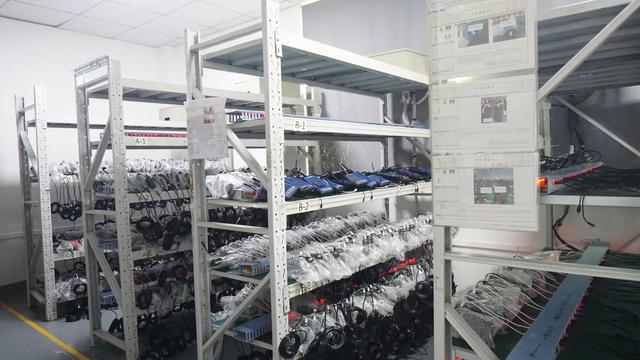
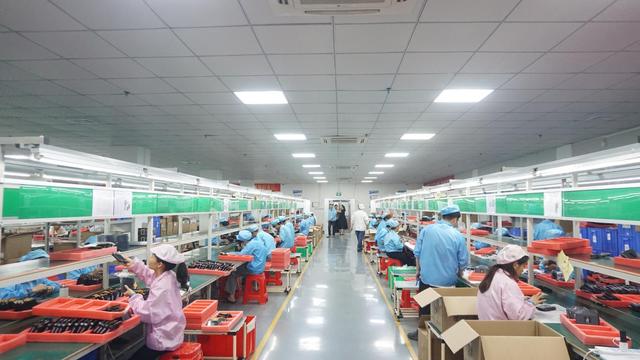
Quality is at the core of Manata Scanner's manufacturing philosophy. The company implements strict quality management procedures throughout design, production, testing, and final inspection to ensure stable performance and long-term reliability. Its products are engineered to comply with international standards and are exported to customers across Europe, North America, South America, Southeast Asia, the Middle East, and other global markets.
Committed to becoming a trusted global partner in automotive diagnostics, Shenzhen Manata Scanner Co., Ltd. continues to provide innovative products, professional technical support, and customized solutions that help customers enhance service capabilities and operational efficiency.
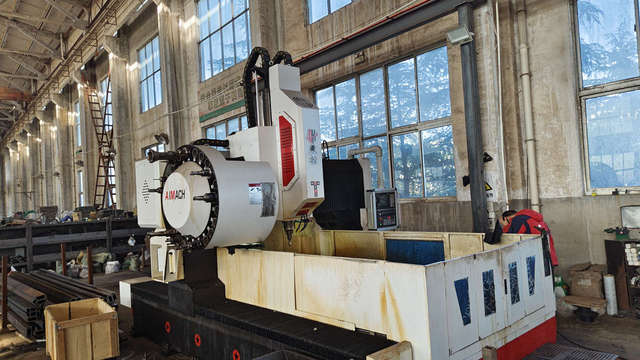
Enterprise procurement departments looking to source inspection equipment for Bangkok hubs need to assess metrics beyond initial hardware costs. Standard operational longevity and interoperability with regional networks must be integrated into procurement templates:
While the initial acquisition of a vehicle inspection scanner is significant, long-term costs depend heavily on the Mean Time Between Failures (MTBF) and Mean Time to Repair (MTTR). In high-throughput sites like the Lat Krabang ICD, a system outage causes severe container congestion. High-quality components, such as solid-state LED illumination arrays (with lifetimes exceeding 100,000 operational hours) and modular camera boards that allow swift line-replacement within 15 minutes, are critical requirements.
Modern security operations rely on unified command centers. A vehicle inspection scanner cannot operate as an isolated silo. It must feed data directly into centralized Physical Security Information Management (PSIM) systems or Video Management Systems (VMS) such as Milestone, Genetec, or local Thai enterprise security consoles. Supplying comprehensive SDKs, support for standard ONVIF profiles, and RESTful APIs is standard practice for Manata Scanner, ensuring smooth integration with existing IT infrastructure.
Explore our full range of fixed, mobile, and specialized scanning products optimized for Bangkok's logistics networks, commercial repair hubs, and transit checkpoints.
Thailand’s automotive industry is shifting rapidly toward electric vehicles (EVs). Government initiatives (such as the 30@30 policy) aim to make EVs account for 30% of domestic vehicle production by 2030. The streets of Bangkok are seeing a growing presence of new energy passenger cars, buses, and logistics fleets. This presents a new challenge for vehicle inspection:
Standard UVSS checks focus on foreign object detection. For EVs, the undercarriage battery enclosure houses high-voltage cells. Physical impact from Bangkok’s road debris or deep-water wading during flash floods can dent battery casings, causing internal cell disruption and potential thermal runaway. Advanced UVSS systems must combine high-speed optical scanning with thermal imaging sensors to check for under-vehicle temperature anomalies in real time.
Beyond external visual checks, inspecting modern smart vehicles requires diagnostic connection capabilities. Shenzhen Manata Scanner's automotive diagnostic equipment portfolio features J2534 Passthru coding interfaces, ADAS calibration setups, and dedicated EV battery diagnostic modules. This hardware allows workshop technicians and border inspectors to evaluate a vehicle's digital integrity—monitoring CAN-bus metrics and verifying the absence of tampered security software or modified engine control code.
Technical answers regarding installation, compliance, and operation of vehicle inspection systems in Bangkok and global markets.
Whether you require a quote, customized CAD layout drawings, or compliance assistance for installation in Bangkok or other regions, our technical team is ready to help.
Send Inquiry Now Manata Scanner