Explore our premium grade diagnostic equipment designed for precision vehicle calibration, battery pack testing, and structural safety inspections.
The global automotive aftermarket is undergoing a profound paradigm shift. As software-defined vehicles (SDVs), electric drivetrains, and Advanced Driver Assistance Systems (ADAS) become the standard, conventional mechanical tools are no longer sufficient. Today's workshop operators, fleet managers, and industrial inspection centers require high-precision, digital, and connected diagnostic architectures.
B2B procurement professionals from Europe, North America, and the Middle East are shifting focus toward sourcing intelligent diagnostic nodes, OBD-II/CAN-bus data loggers, and modular ADAS calibration targets. These tools not only reduce vehicle downtime but also ensure alignment with strict global safety and environmental regulations. Procuring directly from key manufacturing clusters in China has become a strategic necessity to balance advanced R&D features with capital expenditure efficiency.
How China's automotive tool ecosystem provides unmatched scalability, technological agility, and cost-to-performance ratios.
From PCB fabrication and micro-controller assembly in Shenzhen to precision metal tooling in Zhejiang, the entire value chain is located within a 3-hour logistics radius. This decreases prototyping and volume production lead times significantly.
Unlike traditional Western manufacturers with multi-year development cycles, Chinese diagnostic tool suppliers push OTA (Over-The-Air) software updates and database updates weekly, keeping pace with new vehicle models and software structures.
Chinese factories are highly responsive to custom B2B requests. Whether it requires localized language software adaptation, customized diagnostic cables, private label hardware branding, or specific CAN-bus protocol integration, flexibility is guaranteed.
A trusted global manufacturer specializing in advanced vehicle diagnostics and security inspection systems.
Shenzhen Manata Scanner Co., Ltd. is a leading China automotive diagnostic equipment manufacturer specializing in advanced vehicle inspection systems and ECU diagnostic solutions for the global automotive aftermarket. With a strong commitment to innovation, quality, and intelligent vehicle servicing, Manata Scanner delivers reliable diagnostic technologies designed to improve maintenance efficiency, reduce downtime, and support modern workshop operations.
The company offers a comprehensive portfolio of automotive diagnostic equipment, including vehicle inspection systems, ECU programming and coding tools, automotive scan tools, ADAS calibration equipment, EV battery diagnostic systems, TPMS diagnostic devices, and intelligent fleet diagnostic solutions. These products are widely used by automotive repair workshops, vehicle inspection centers, dealerships, fleet operators, and maintenance service providers worldwide.
Driven by continuous technological innovation, Shenzhen Manata Scanner Co., Ltd. integrates artificial intelligence, cloud connectivity, big data analysis, and advanced electronic testing technologies into its product development process. The company's R&D team focuses on creating intelligent, accurate, and user-friendly diagnostic solutions capable of meeting the evolving requirements of both conventional and new energy vehicles.
Quality is at the core of Manata Scanner's manufacturing philosophy. The company implements strict quality management procedures throughout design, production, testing, and final inspection to ensure stable performance and long-term reliability. Its products are engineered to comply with international standards and are exported to customers across Europe, North America, South America, Southeast Asia, the Middle East, and other global markets.
Committed to becoming a trusted global partner in automotive diagnostics, Shenzhen Manata Scanner Co., Ltd. continues to provide innovative products, professional technical support, and customized solutions that help customers enhance service capabilities and operational efficiency.

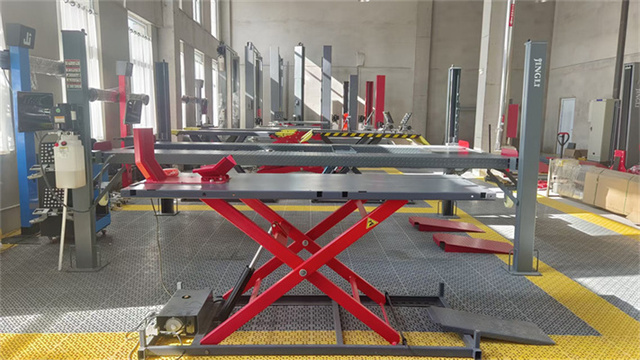
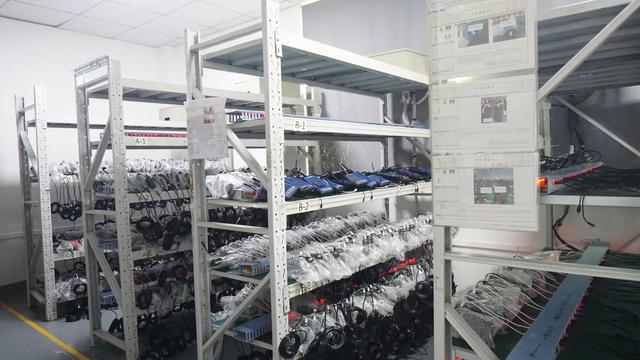
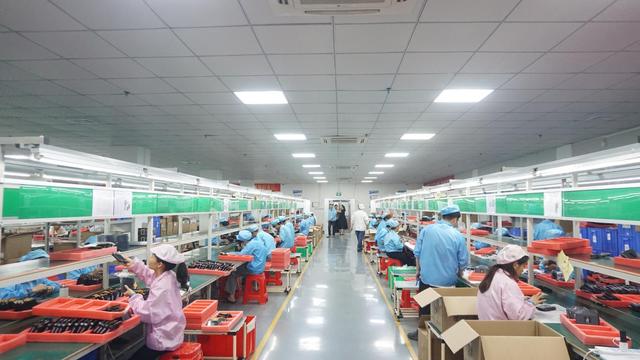
Understanding where and how our high-precision equipment operates in global commercial ecosystems.
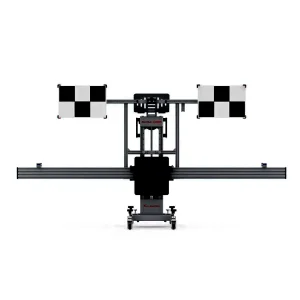
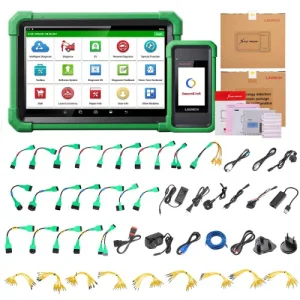
After structural alignment or windshield replacement, vehicles require thorough ADAS sensor recalibration. Using the LAUNCH X-431 ADAS PRO PLUS system ensures all safety-critical cameras, radar arrays, and sonar networks are realigned to exact OEM geometric parameters.
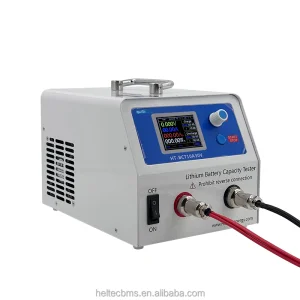
With electric vehicle growth, battery health evaluation is vital. The LAUNCH X431 PRO3S+ EV paired with dedicated LiFePO4 battery capacity testers allows technicians to run direct cell-level analysis, charge-discharge curves, and high-voltage insulation tests safely.
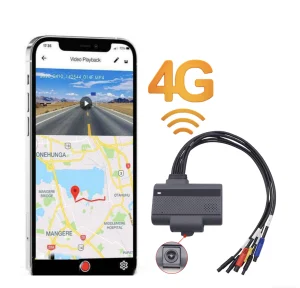
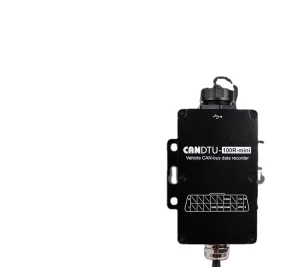
Fleet operators utilize 4 Channel ADAS GPS MDVRs and CAN-bus data loggers to track driver behavior, record telemetry, and monitor drivetrain health in real time, preventing sudden breakdowns on long-haul routes.
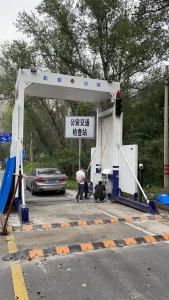
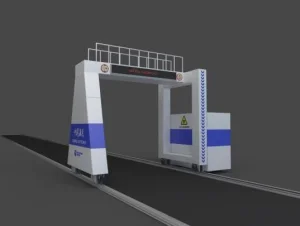
Large-scale safety scanning requires deep scanning. Our Rail Movable Large Vehicle Safety Inspection Systems use advanced X-ray array imaging to scan container trucks and heavy rail cars for cargo validation and threat assessment.
The technological developments defining the next decade of diagnostic and repair tools.
AI engines on diagnostic devices cross-reference diagnostic codes (DTCs) with global repair databases, providing repair paths, wiring diagrams, and parts availability instantly.
Modern vehicles run on high-bandwidth ethernet. Diagnostics over IP (DoIP) and CAN Flexible Data-rate (CAN-FD) interfaces are standard in our systems, allowing gigabit communication.
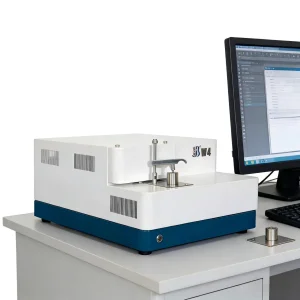
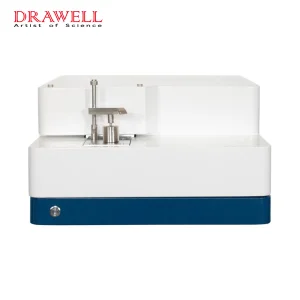
Integrating emission spectrometers like the W4 Vacuum Emission Spectrometer allows production lines and heavy workshops to verify material composition, preventing fatigue failures.
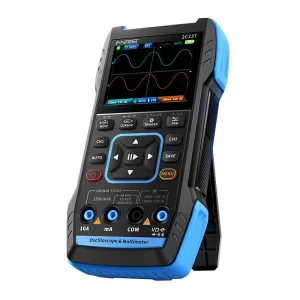
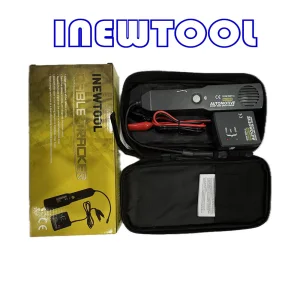
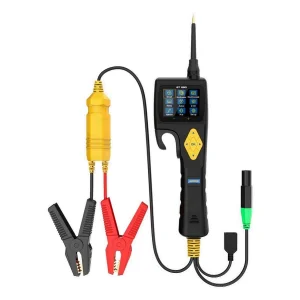
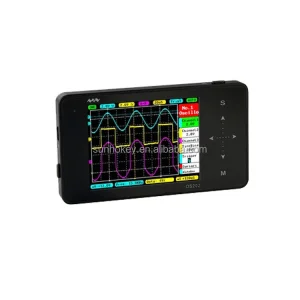
Complete range of handheld test devices, smart trackers, and analytical equipment for professional workshops.
A B2B framework for verifying supplier compliance, design depth, and service terms.
Ensure diagnostic multiplexers support SAE J2534 passthru, DoIP, and CAN FD. Ask the supplier for the MCU specification sheet (e.g., STM32 cores or high-end NXP chips) to guarantee processor speed and future-proof firmware capacity.
An expensive diagnostic scanner is useless without rich databases. Validate that the scanner supports comprehensive vehicle brands across Asian, European, and American platforms, and covers crucial EV battery parameters.
Look for manufacturing operations certified by ISO 9001:2015. Hardware products must possess CE, FCC, and RoHS certifications. Large scanning machinery requires radiation protection certifications (e.g., FDA or local nuclear safety approvals).
Detailed technical answers for procurement directors, import managers, and global distributors.
 Manata Scanner