Exhaust Purification Gas Air Tower PP Chemical Absorption Lreatmento Scrubber Desulfurization Waste Biogas Equipment Wet

Product Description

Industrial Spray Tower Overview
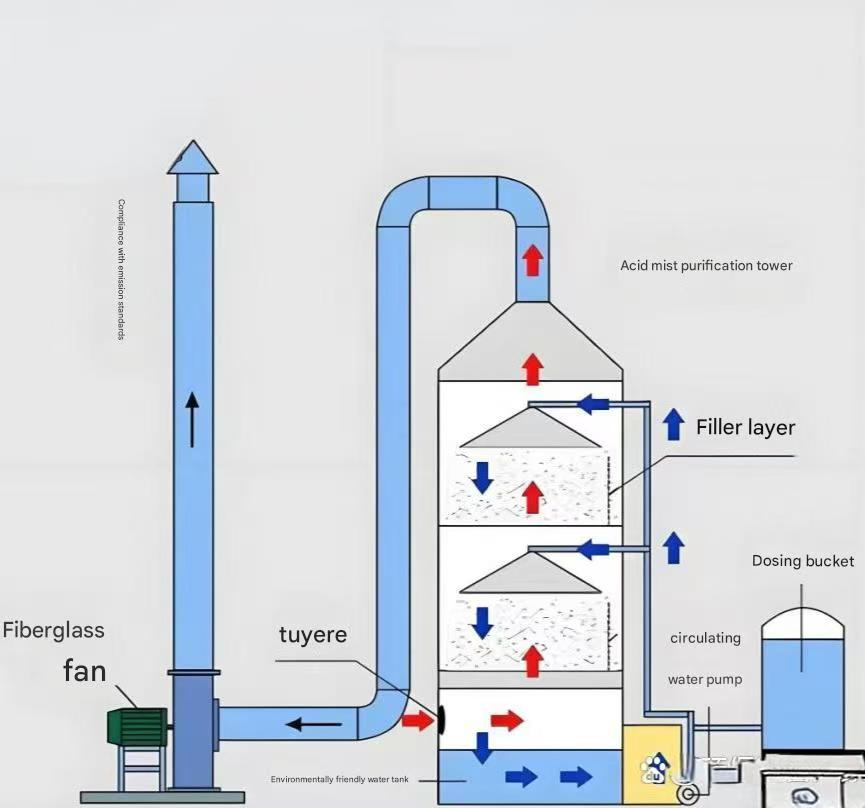
Working principle diagram of spray tower
Working principle of spray tower

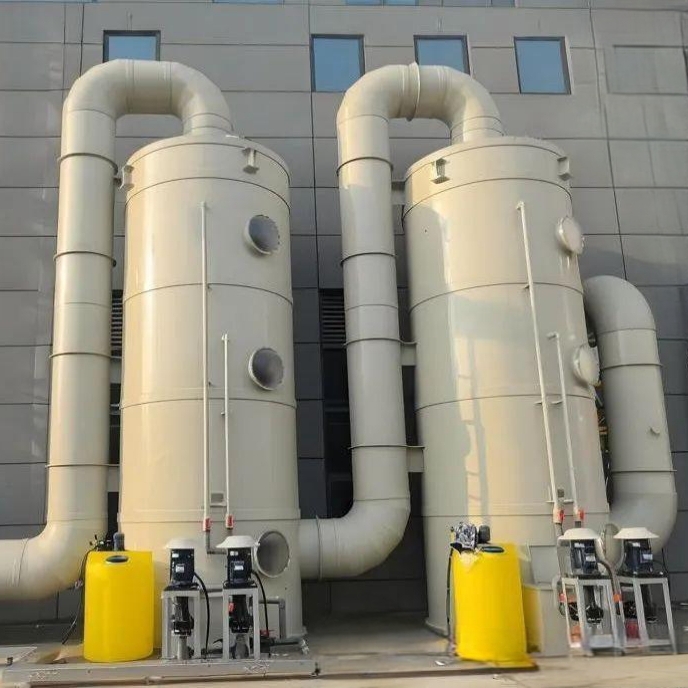
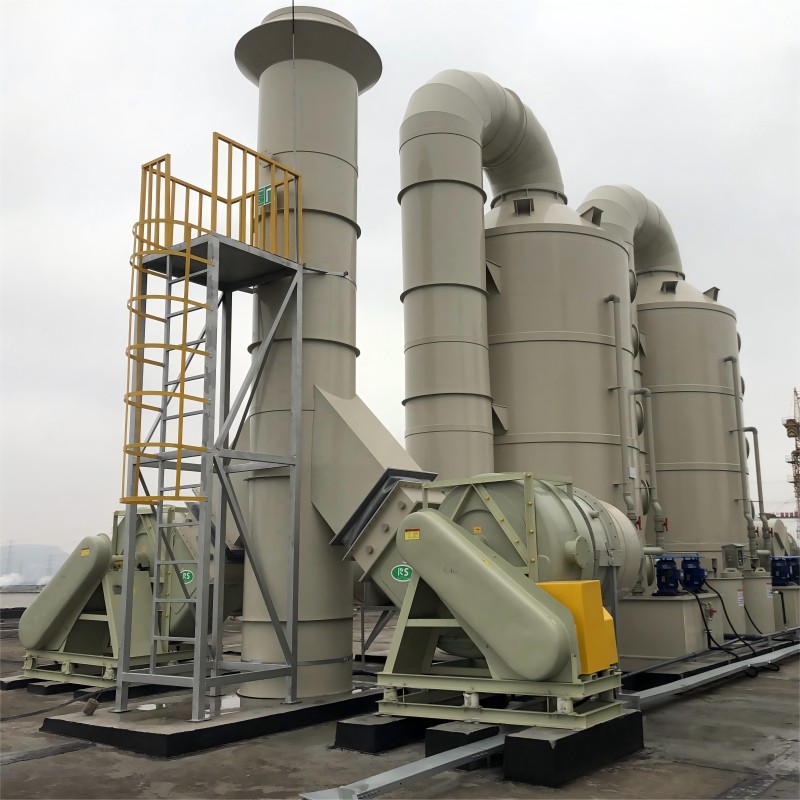
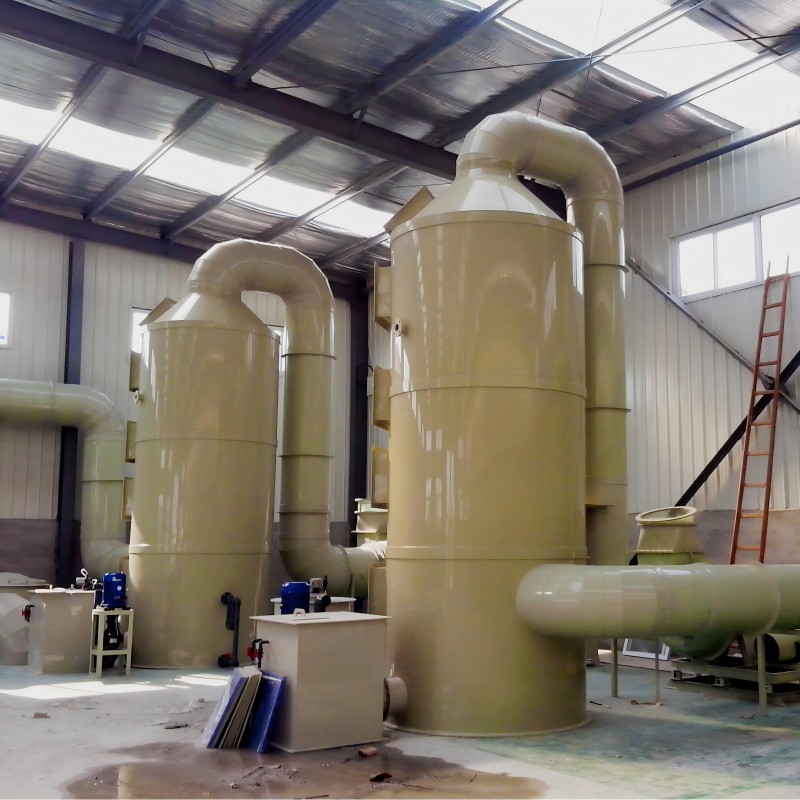
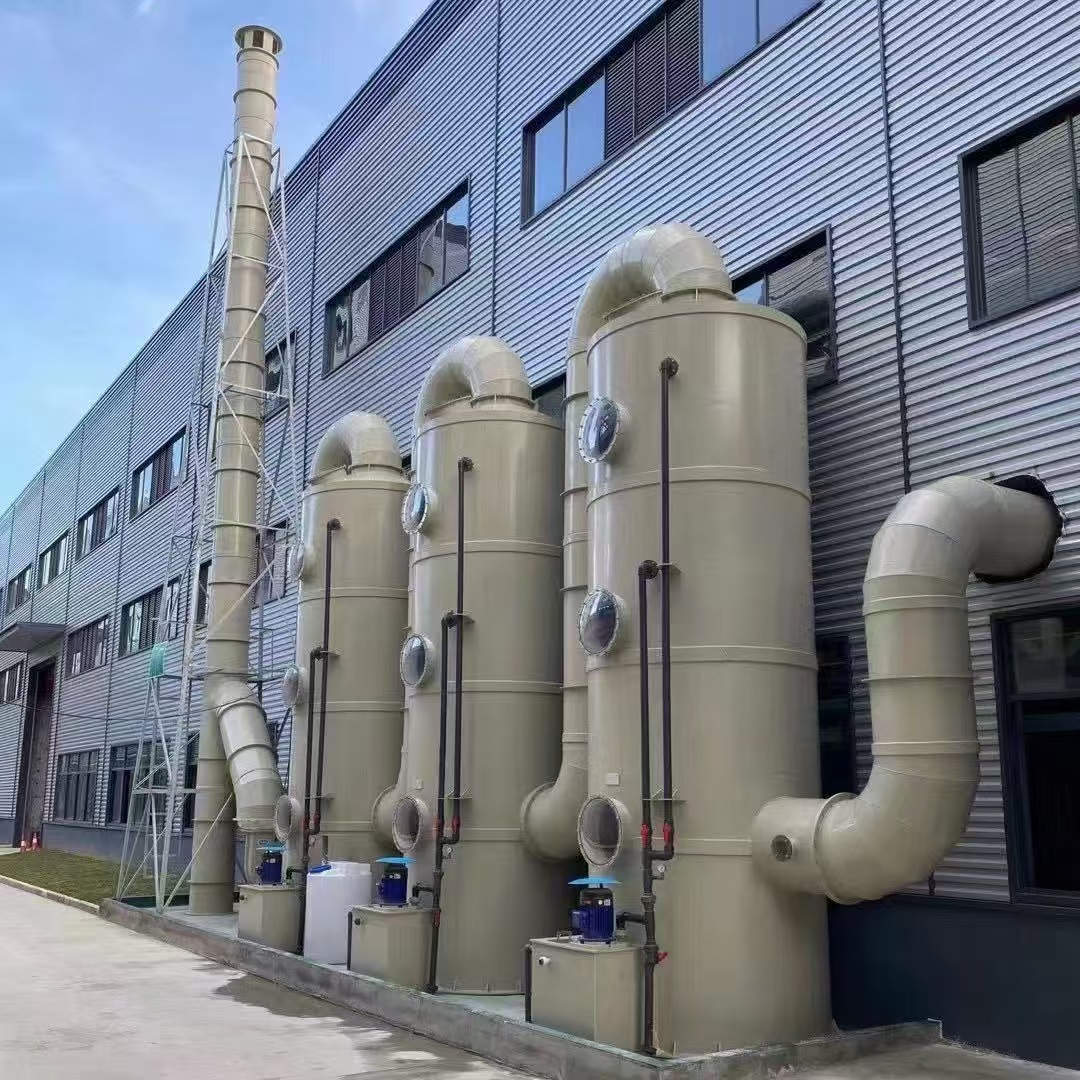
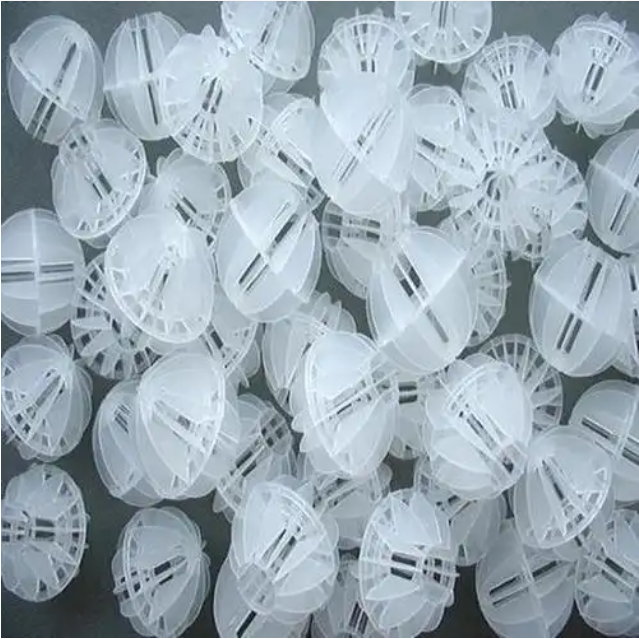
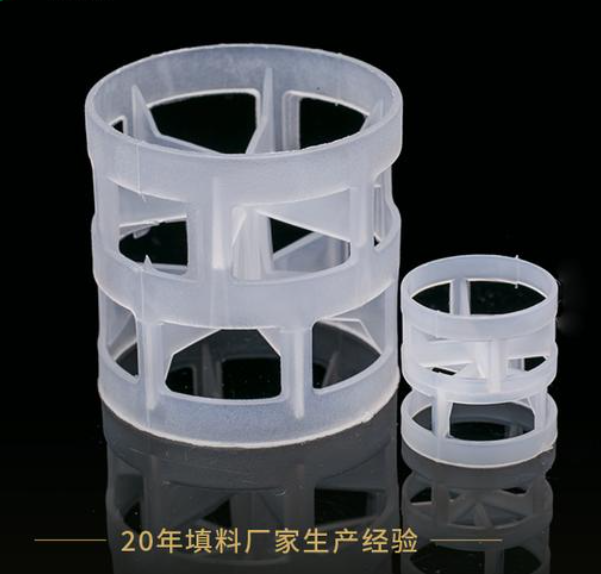
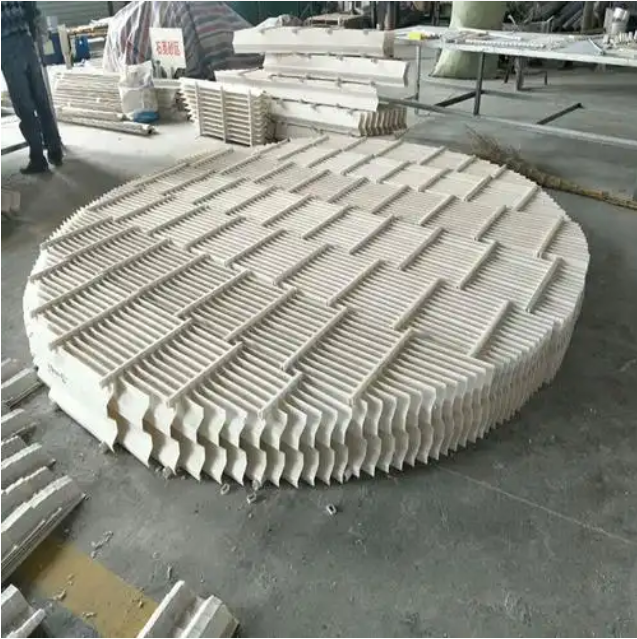
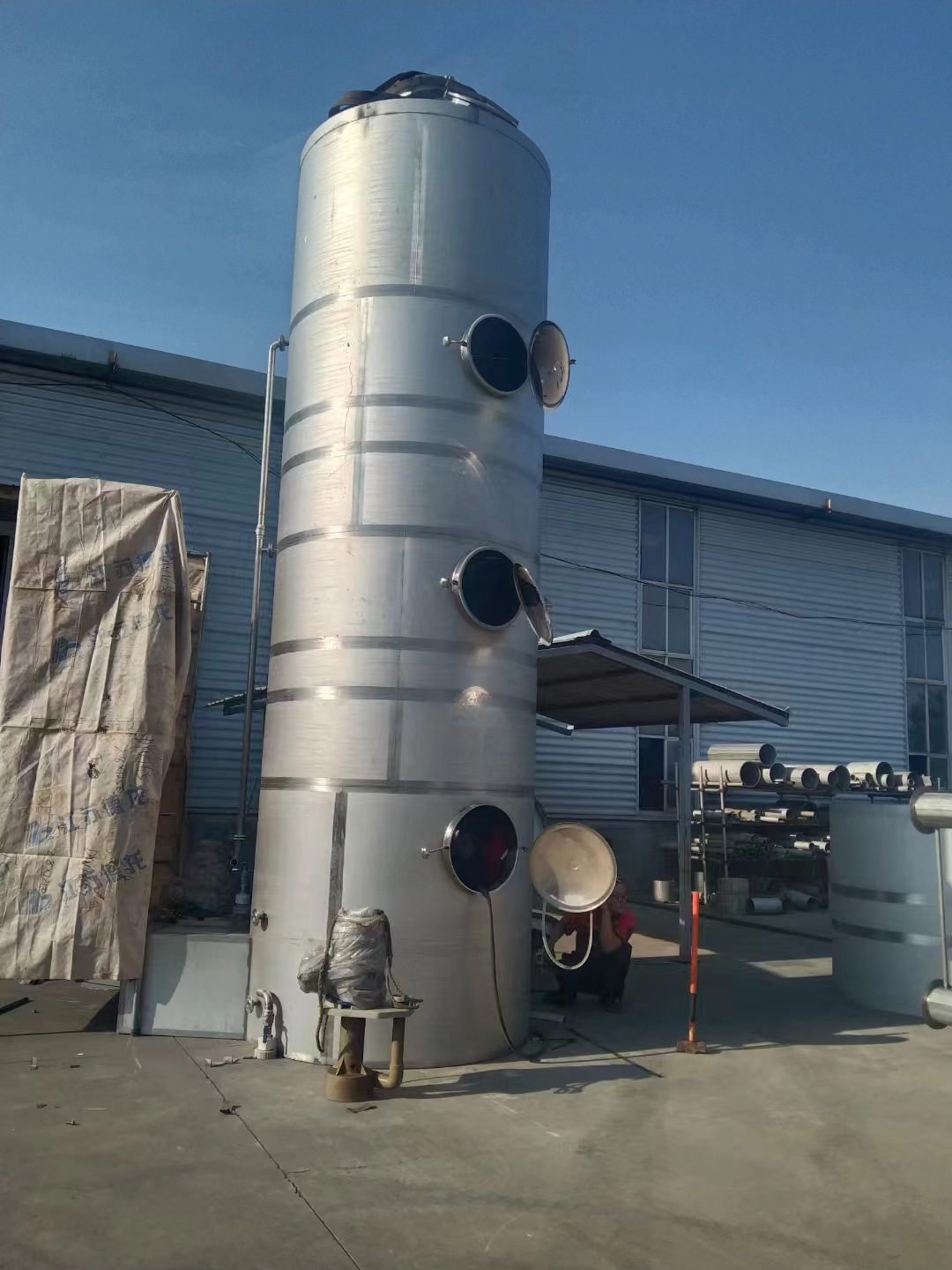
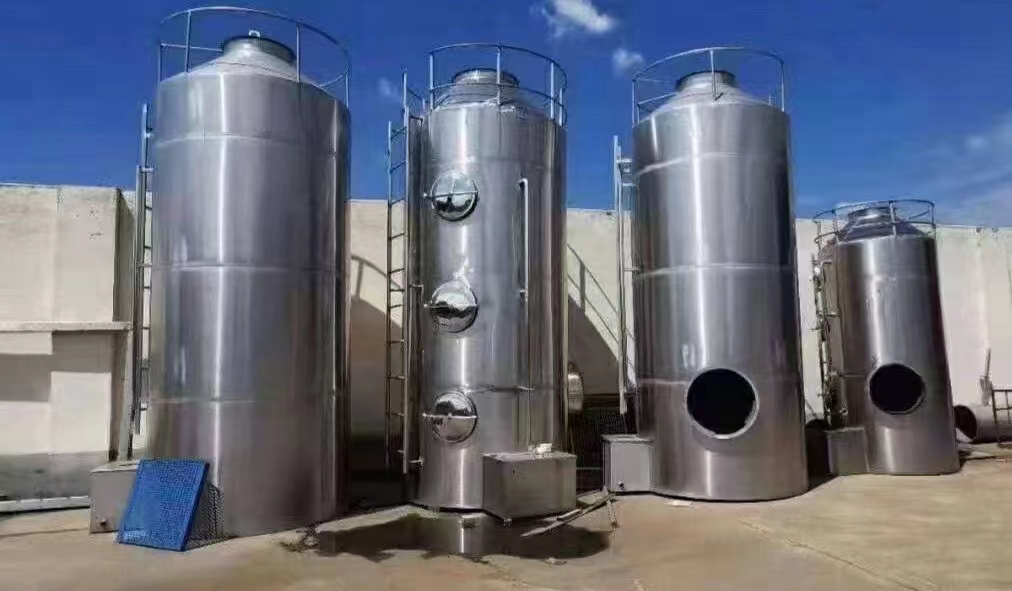
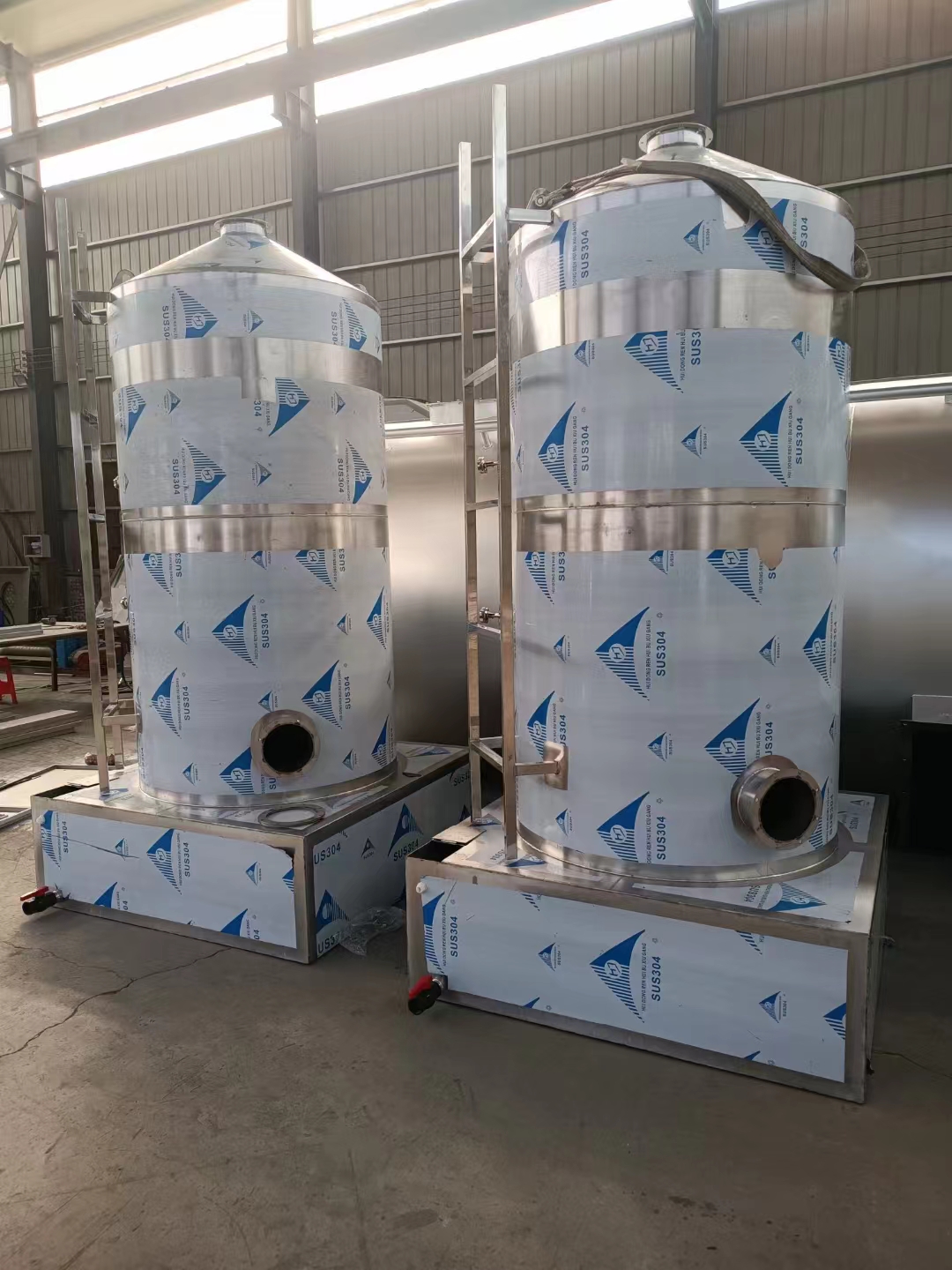
The working principle of the spray tower is mainly based on the contact and chemical reaction between liquid and gas, and the waste gas is purified through spraying, adsorption and neutralization reactions. The spray tower disperses the liquid into fine droplets through the nozzle. These droplets form a layer of water film in the process of mixing with the air flow, which absorbs and removes harmful substances in the waste gas. In addition, the spray tower is equipped with fillers inside, which further absorb and filter tiny particles and harmful substances in the waste gas. Finally, a water collector is set at the bottom of the spray tower to collect the treated wastewater.

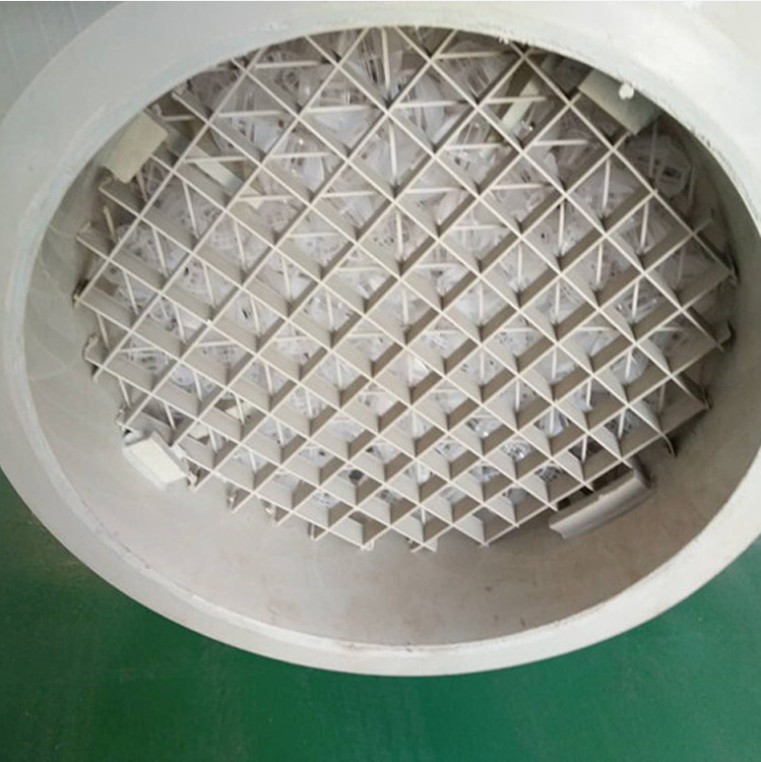
Spray Tower Setup Details
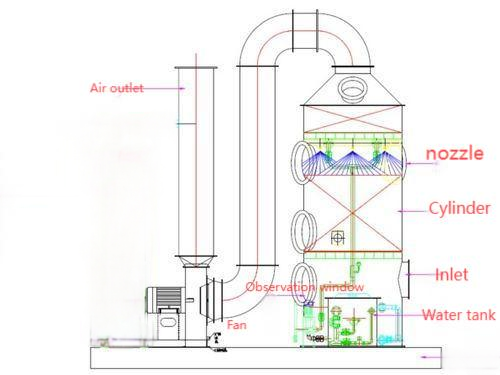
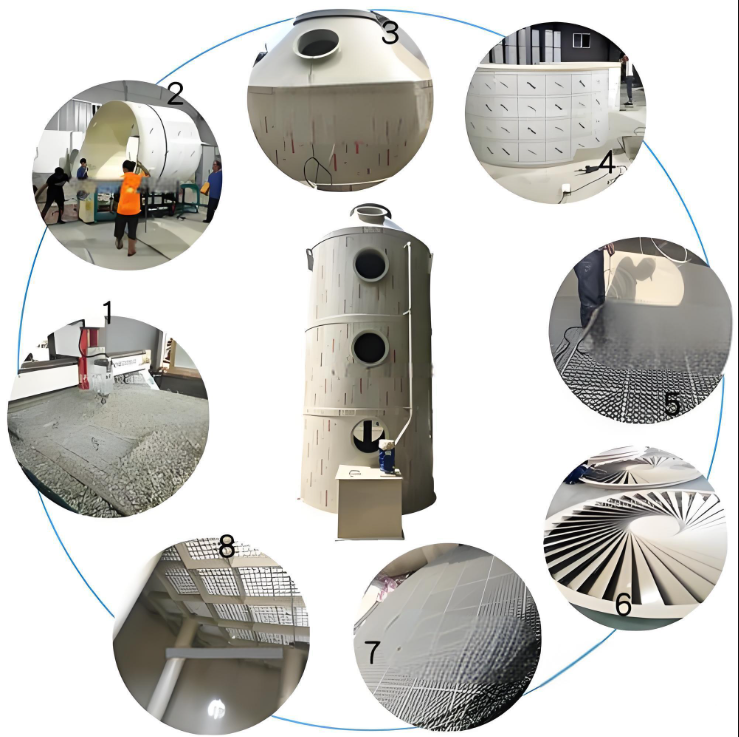
Internal Structure of Spray Tower
Spray Tower Components A Spray Tower Components B
Product Process View A Product Process View B
Structure Dimension Diagram
Structural View Detail A Structural View Detail B
Tower Installation Detail A Tower Installation Detail B
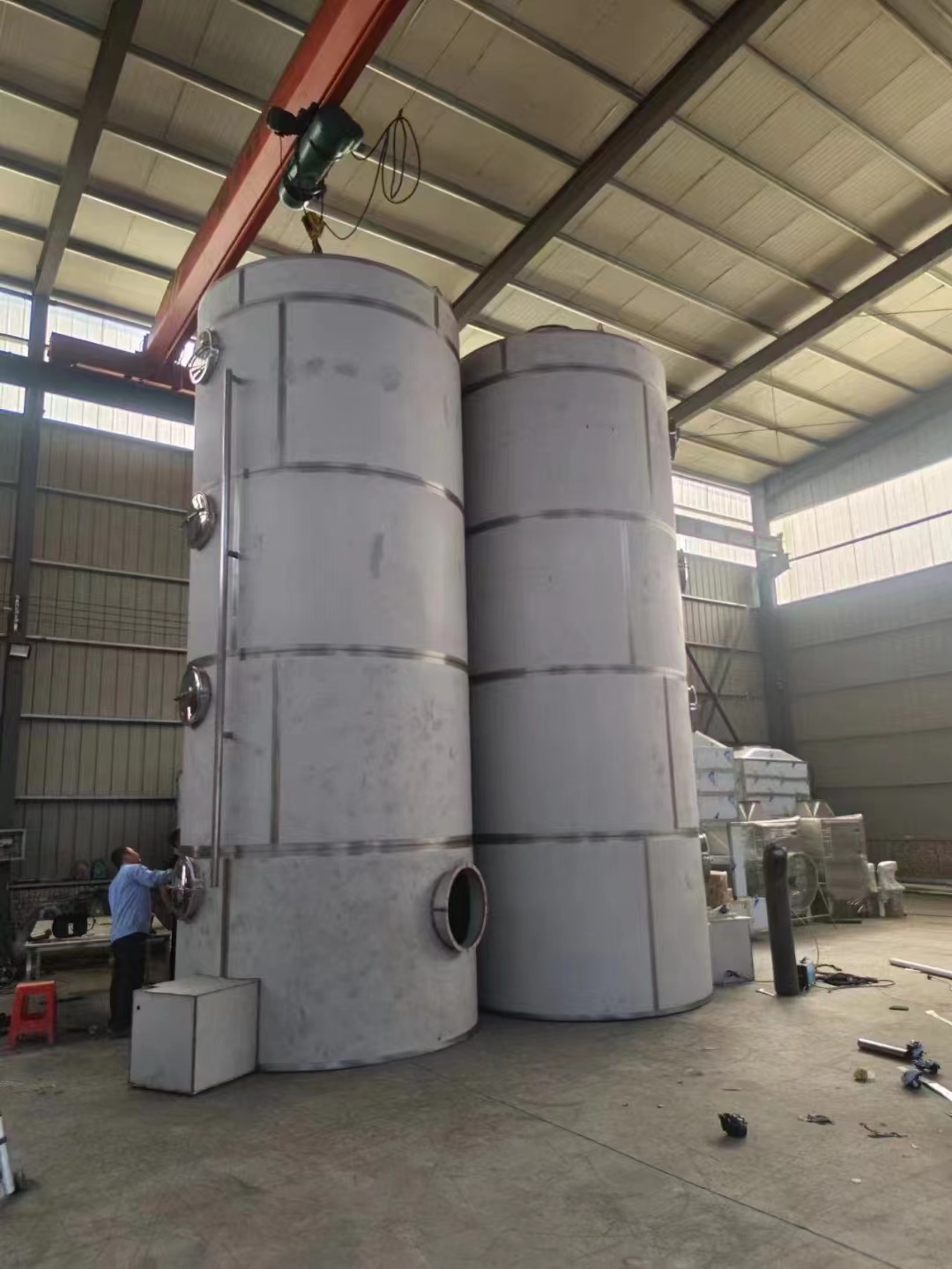
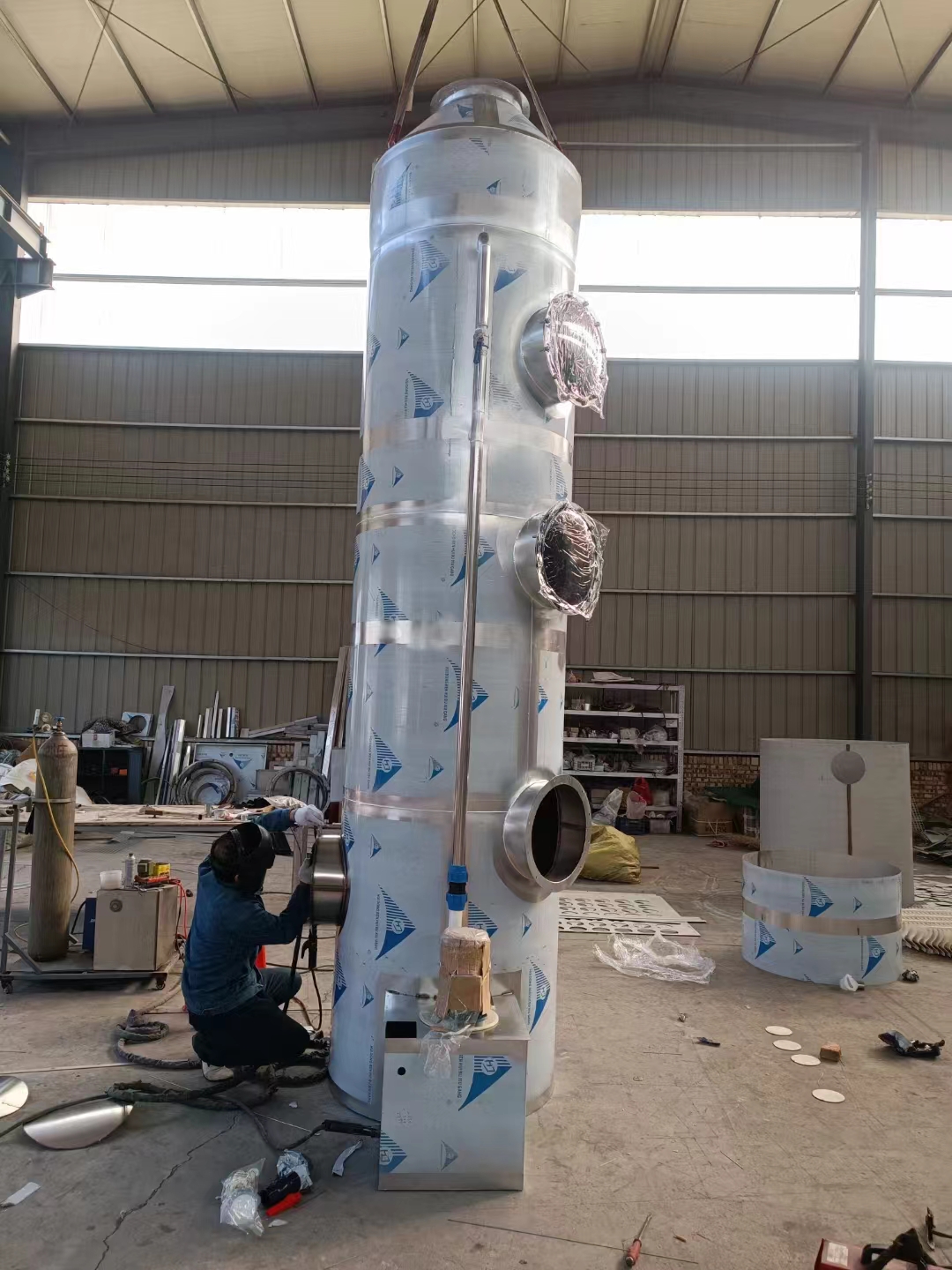
Complete Spray Tower Assembly
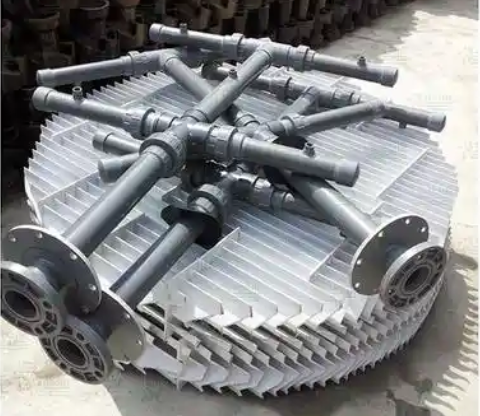
Nozzle and Pipe Details A Nozzle and Pipe Details B
Water Collector Structure
Operation Flow Display
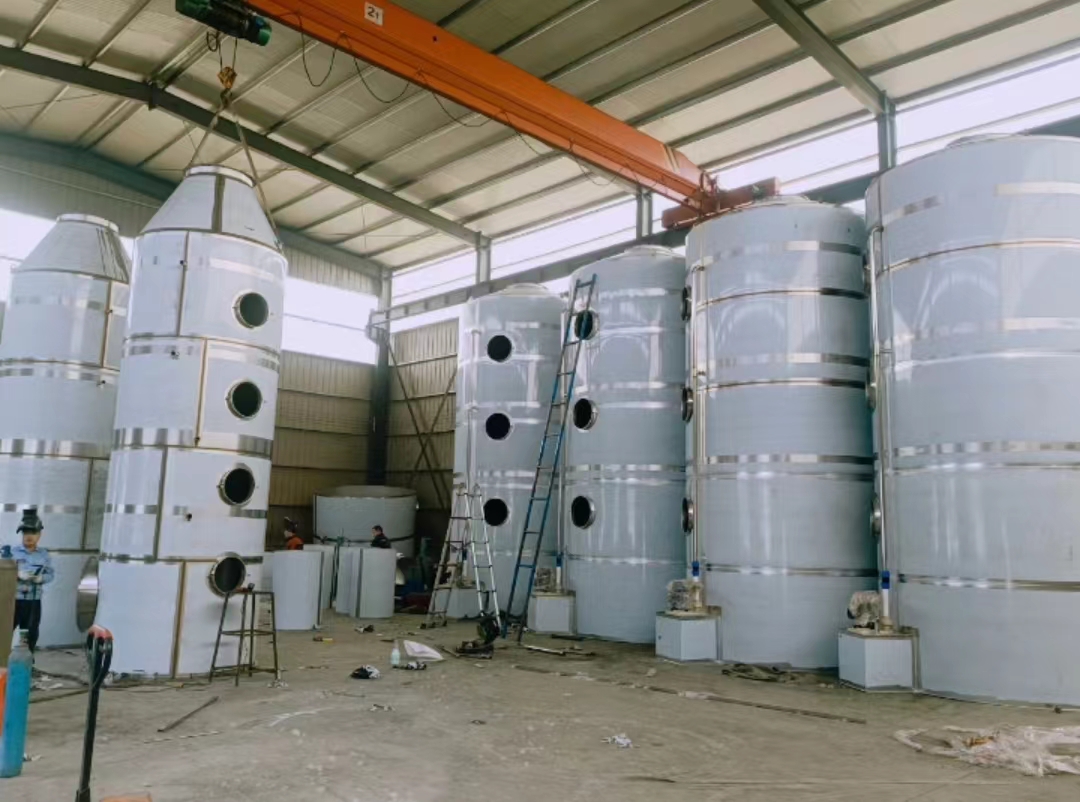
Production Showcase 1 Production Showcase 2 Production Showcase 3 Production Showcase 4 Production Showcase 5 Production Showcase 6
Material Specification Overview
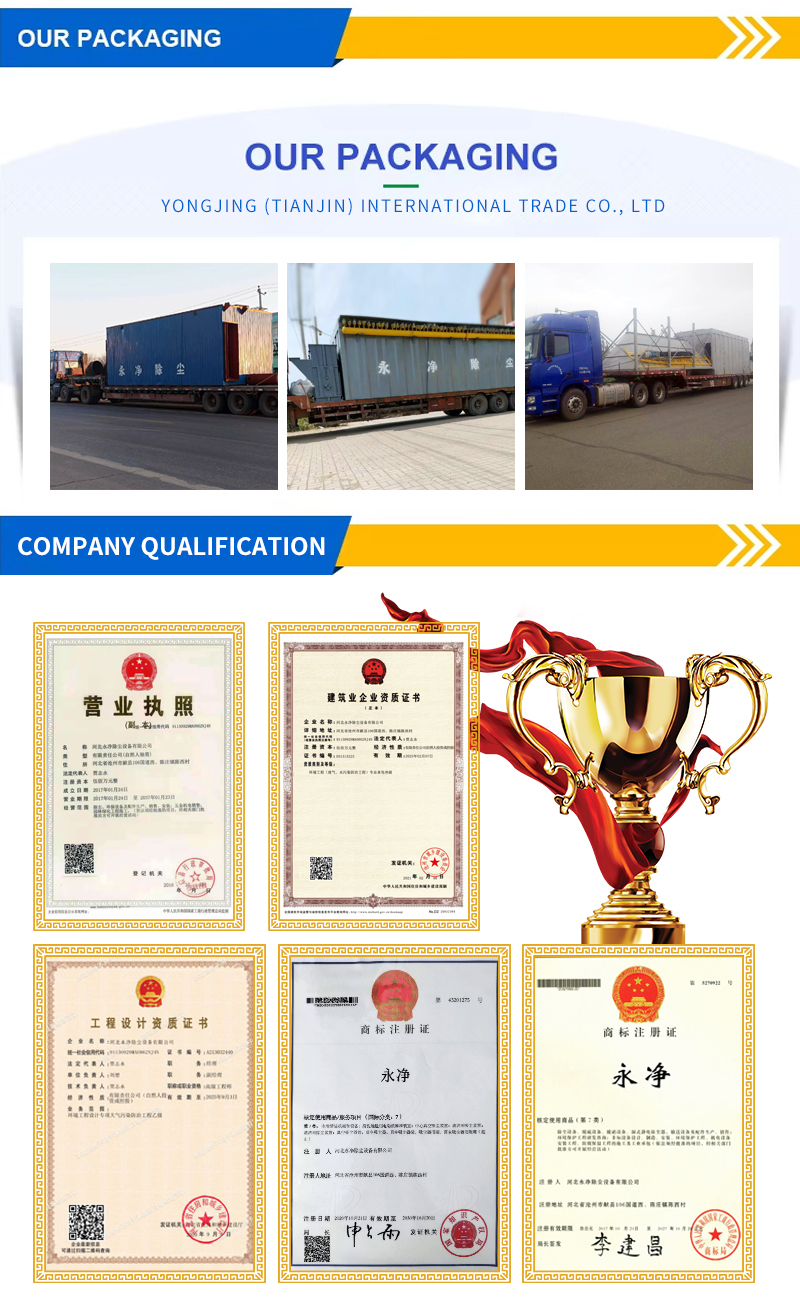
Product Quality Standards
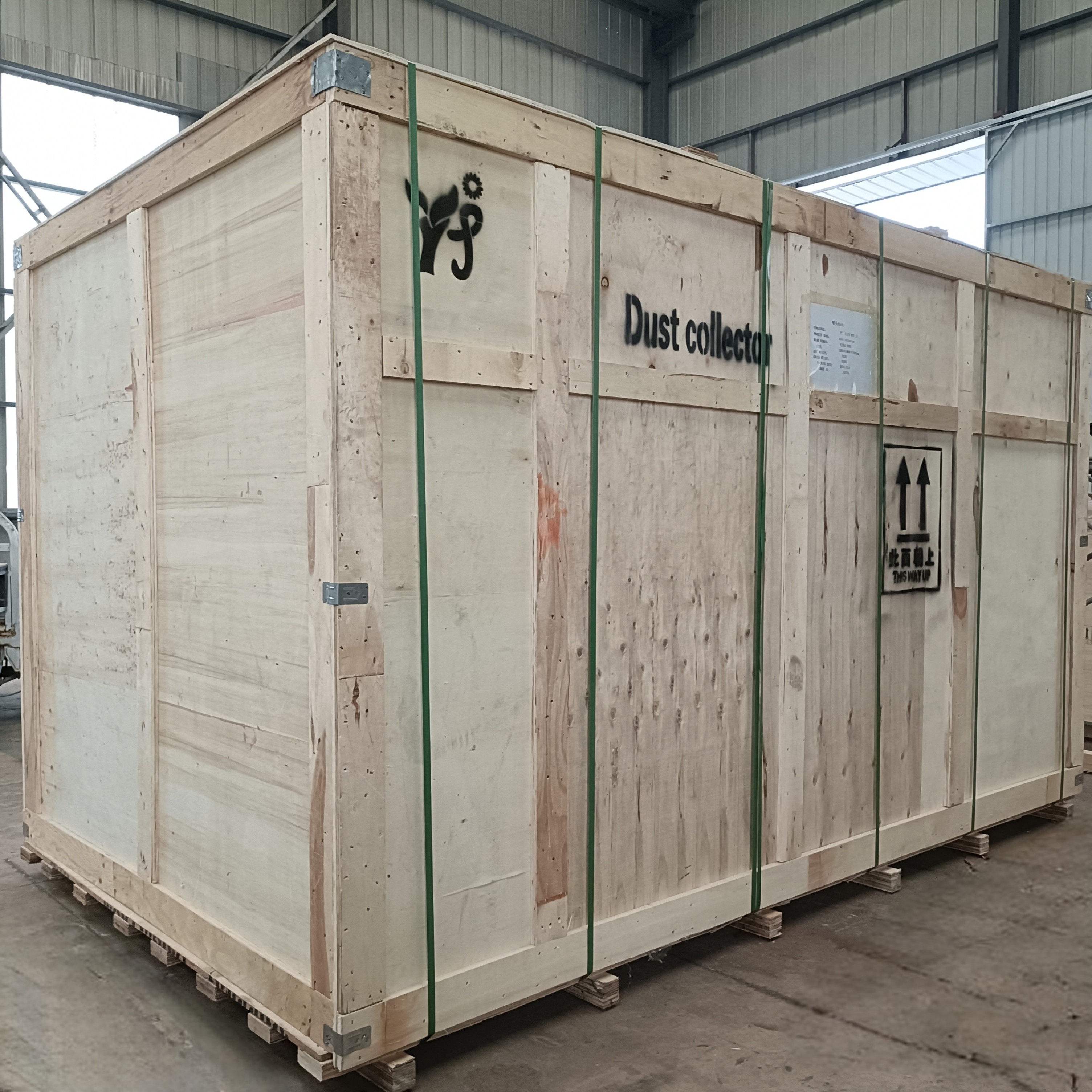
Delivery Packaging Display
Factory Storage Display
Factory Operation Profile
Frequently Asked Questions
How does a spray tower remove air pollutants?
It utilizes chemical neutralization and physical absorption. Liquid solvent is sprayed inside the tower and contacts the upward-flowing exhaust gas. Pollutants are absorbed into the liquid, leaving the cleaned air to exit from the top.
What are the primary components inside the tower?
The core components include the spray nozzles for atomizing the liquid, packing materials (fillers) to increase the contact area, and a demister at the top to trap moisture droplets.
Which types of gases can a spray tower treat effectively?
It is highly effective for treating acid fumes (like HCl, H2SO4), alkaline gases (like NH3), water-soluble organic gases, and particulate dust in industrial exhausts.
How often should the packing media be maintained?
Depending on the dust loading and chemical intensity of the exhaust, inspection is recommended every 3 to 6 months to clean build-ups and prevent clogging.
What is the purpose of the water collector at the bottom?
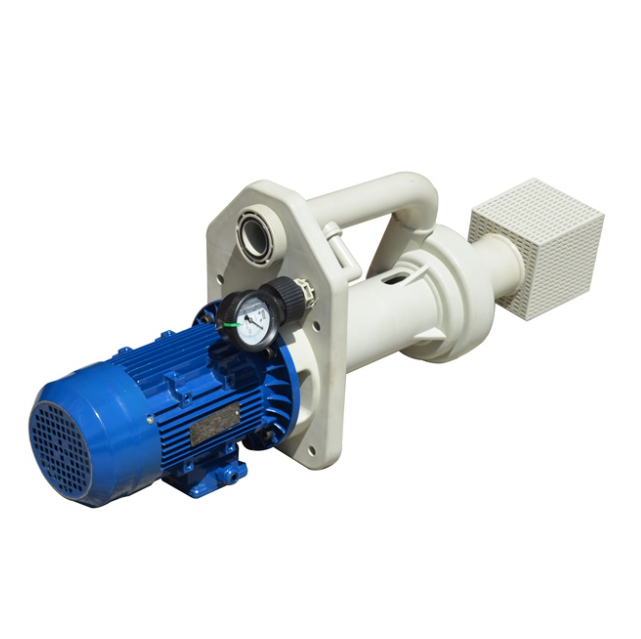
The collection tank at the bottom stores the spent washing liquid for neutralization or filtration, allowing for circulation or treatment before safe discharge.

Related Products