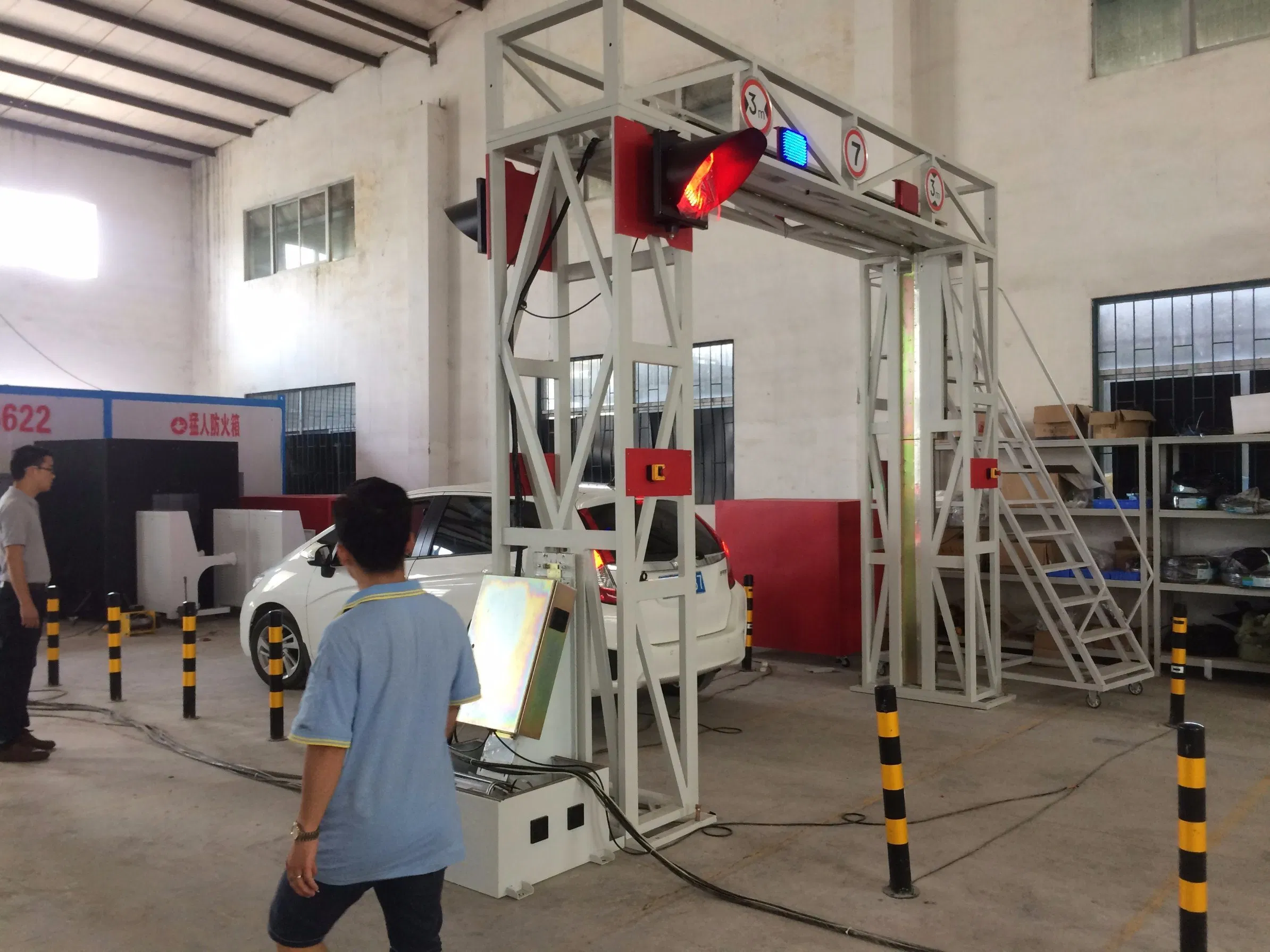
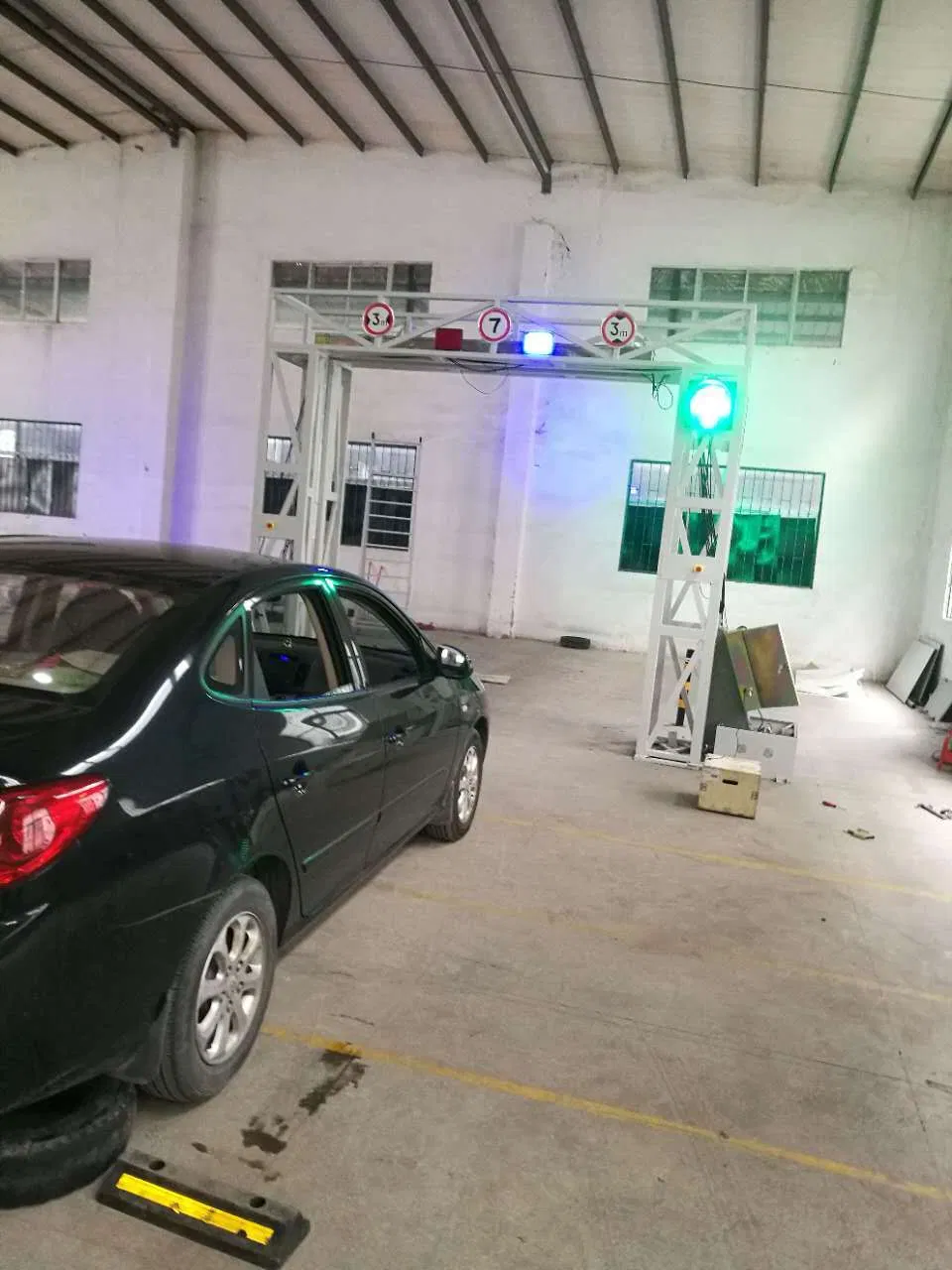
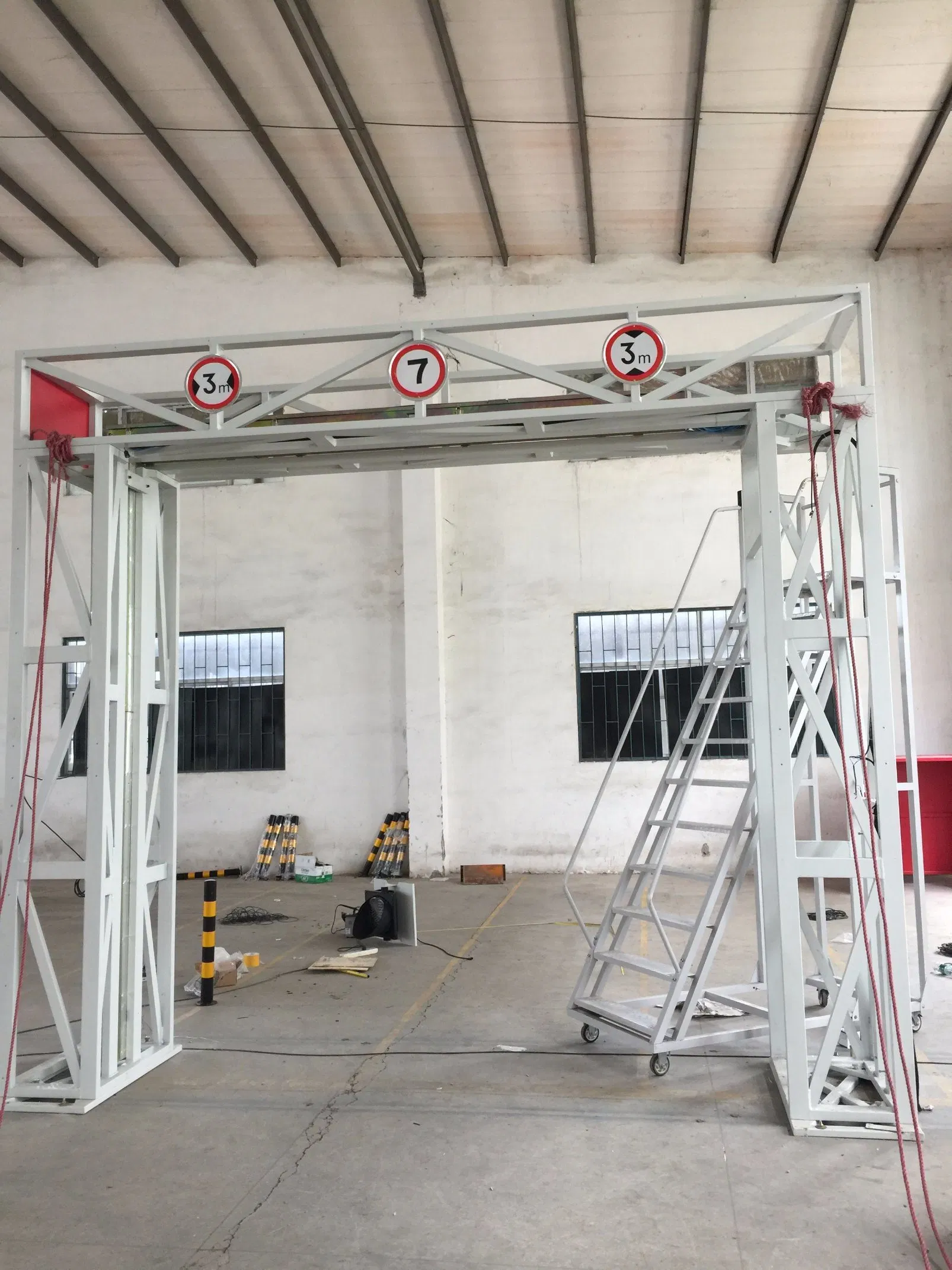
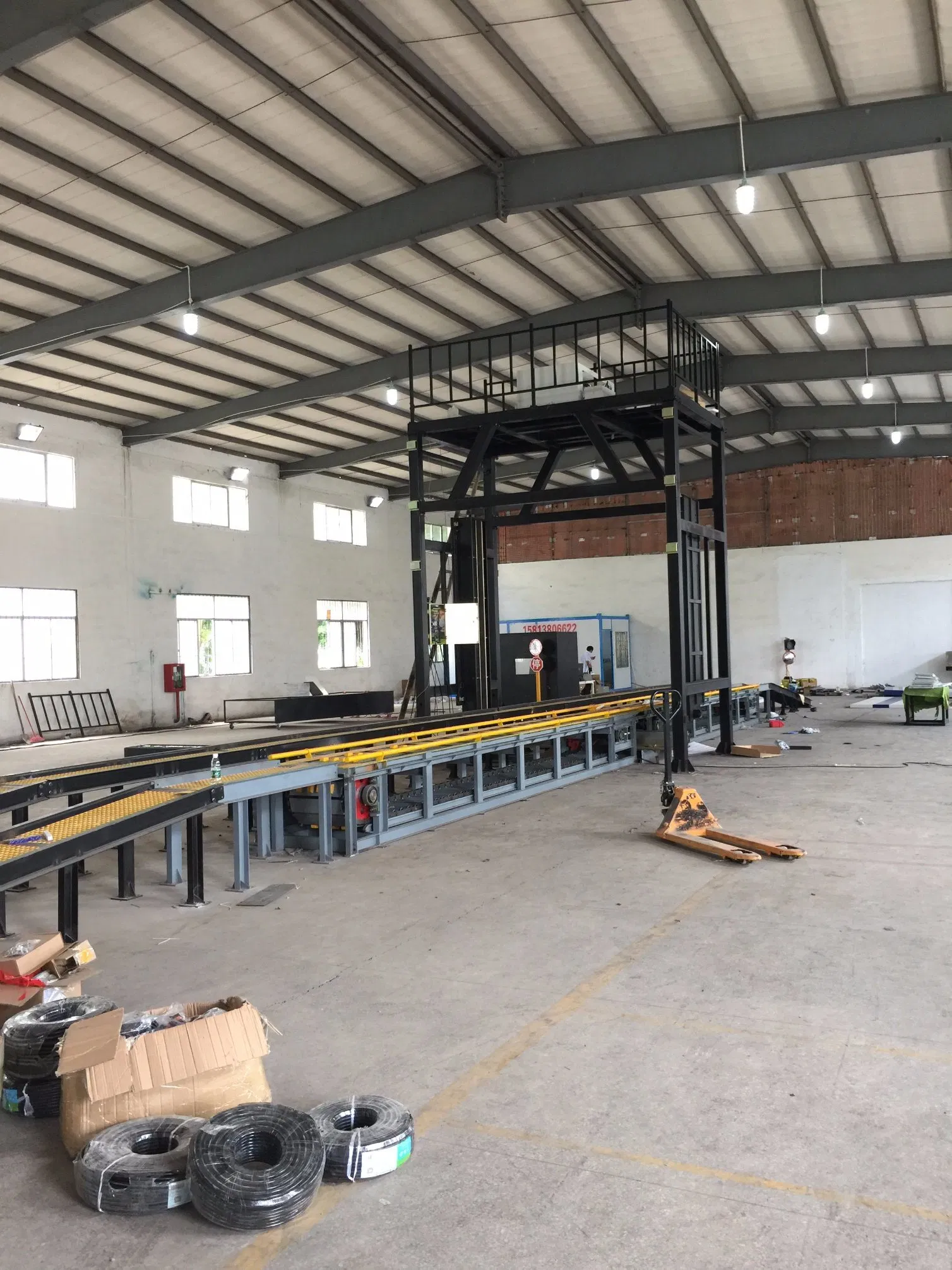
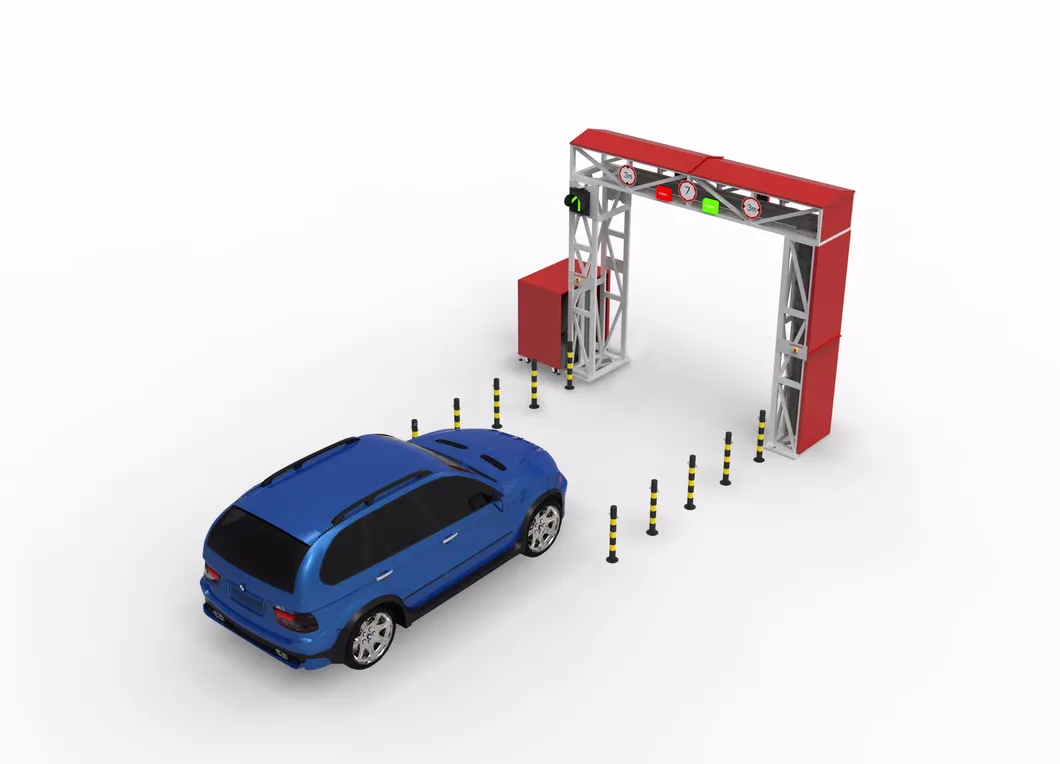
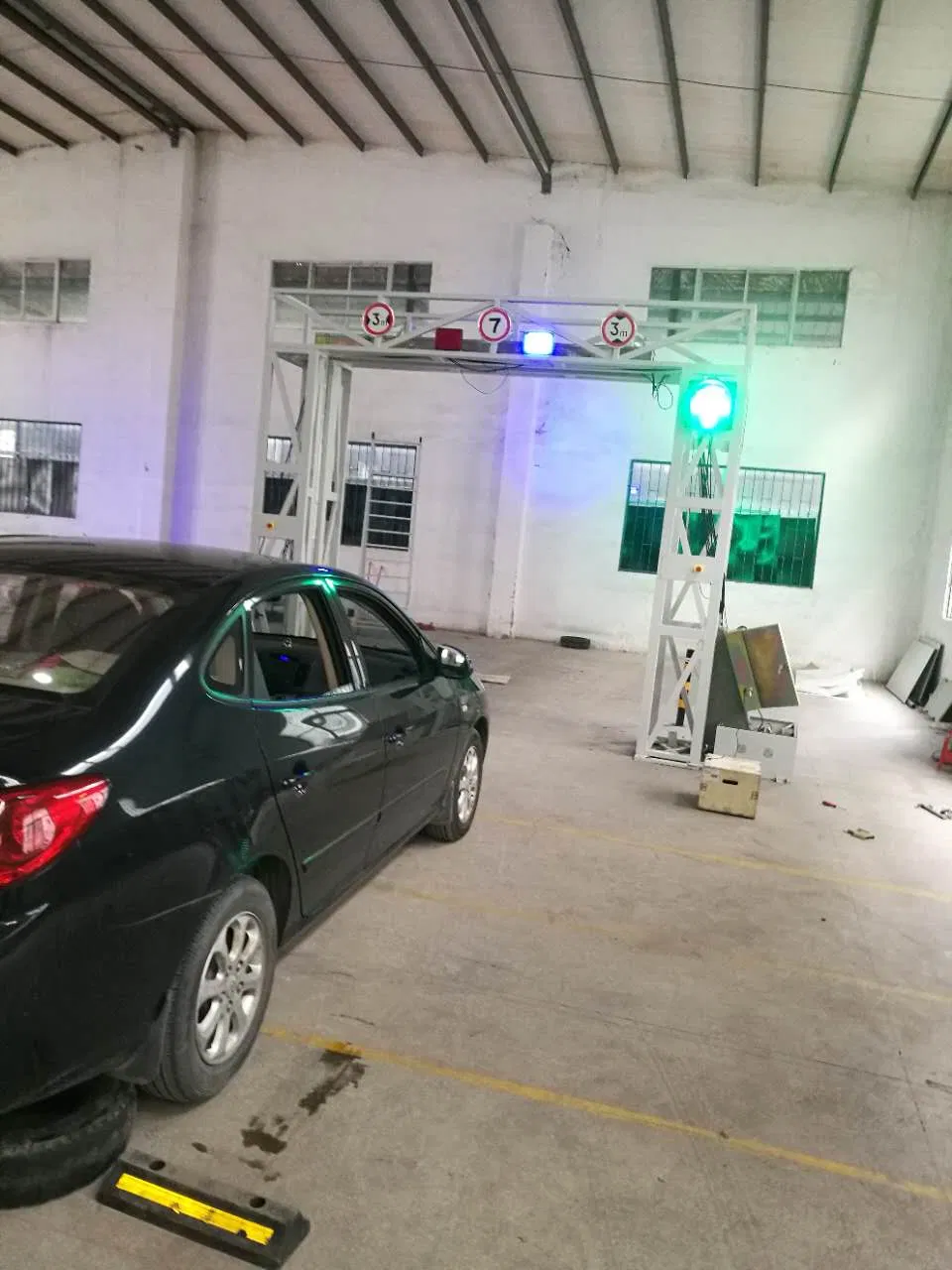
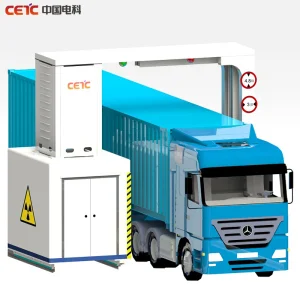
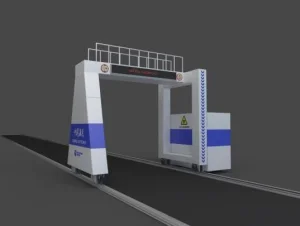
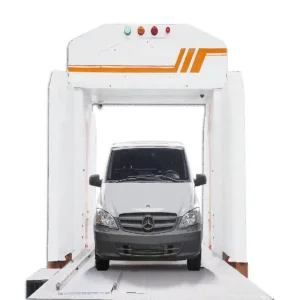
AT 2900 is designed for passenger cars, small vehicles, and cargo vans non-intrusive inspection (NII scanning system).
Product Highlights
Drive-Thru Technology
Occupied vehicle scanning capability allows passengers to remain in their cars during the scanning process, driving under their own power through the portal.
Small Footprint
Deployment of the AT2900 requires a relatively small ground surface area without special requirements for additional complex infrastructure.
High Penetration
Produces high-quality X-ray images of inspected objects through 20 mm of steel at car speeds up to 10 km/h.
High Quality Images
Ensures proper detectability of concealed objects, producing images with 2% contrast sensitivity and 0.8mm copper wire detection.
Dual Energy Imaging
Features automatic 3-color coding for material separation, allowing organic, non-organic, and metal materials to be distinguished.
Radiation Safety
Ensures extremely low dose rate operation for driver and passengers (compliant with ANSI 43.17 standard). Equipped with video surveillance.
License Recognition (Option)
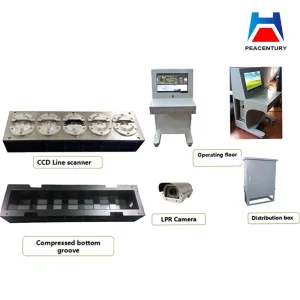
Optional camera integration enables the system to automatically identify and record the licence plate number of each vehicle.
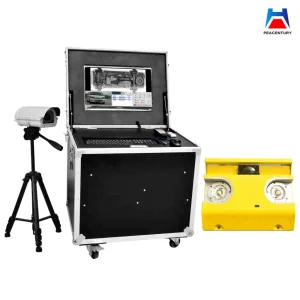
Under Vehicle Video (Option)
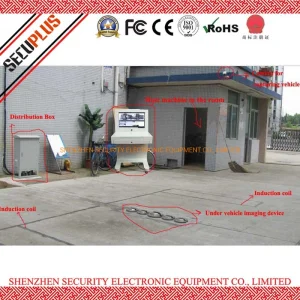
Integrates video surveillance systems designed specifically for under-vehicle threat inspections.
2. Automatic real-time display of the inspected vehicle
3. Brightness and contrast adjustment of acquired image
4. High-density and low-density objects display feature
5. Zoom in and pan functions (up to 8x)
6. Black and white display switching
Frequently Asked Questions (FAQ)
Can passenger cars be scanned while occupied?
Yes, the AT 2900 features advanced drive-thru technology. Passengers and drivers can remain safely in their vehicles during the scanning process as they drive through the inspection portal under their own power.
What is the radiation safety standard of this system?
The AT 2900 ensures high safety protocols with a radiation dose to passengers of less than 0.2μsv per scan, complying with ANSI 43.17 standards. The boundary radiation rate also complies with IAEA safety standards.
What level of steel penetration does the scanner provide?
The system delivers exceptional imaging capability, achieving a typical steel penetration of 45 mm, and a standard application penetration of 20 mm at scanning speeds of 10 km/h.
How does dual-energy imaging help identify threats?
The system uses automatic 3-color coding software to separate organic, non-organic, and metallic materials. This visual classification makes it significantly easier for security operators to identify suspicious objects.
What is the scanning capacity or throughput rate?
The AT 2900 vehicle scanner offers a high typical throughput capability of scanning up to 150 vehicles per hour at normal operation speed.
 Manata Scanner