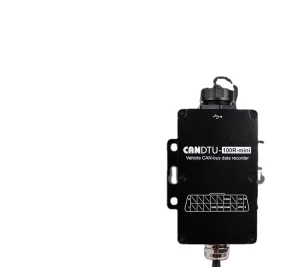
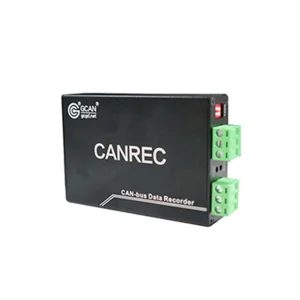
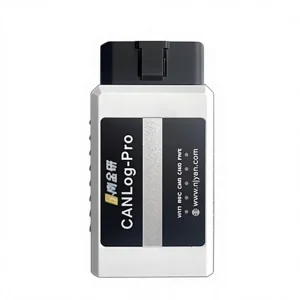
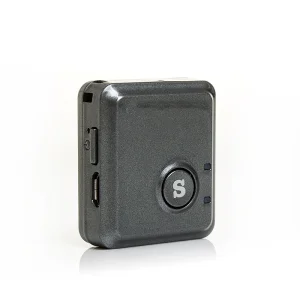
Engineered for immediate deployment across testing complexes and extreme fleet management environments in Northern Europe.
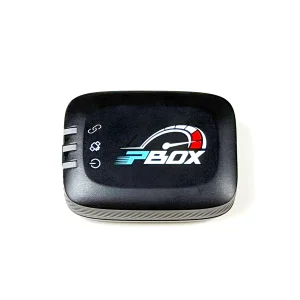
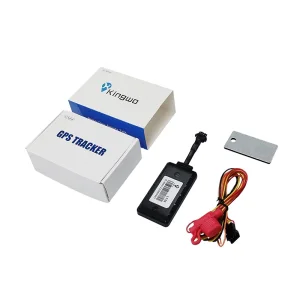
Finland represents one of the most critical proving grounds globally for winter automotive testing, cold climate adaptation, and advanced industrial forestry/mining machinery development. With primary winter validation sites located in Lapland—such as Rovaniemi and Ivalo—global automotive OEMs, tier-1 suppliers, and specialized heavy machinery manufacturers subject test fleets to some of the most unforgiving environments on the planet. Operating reliably under these extreme ambient temperatures (ranging from -20°C down to -40°C) demands data logging equipment with unmatched hardware integrity and thermal management.
In addition to automotive prototyping, the Finnish industrial economy is anchored by global heavy engineering firms in the forestry (e.g., automated timber harvesters) and underground mining sectors. These high-duty cycle machines rely heavily on complex, multi-layered J1939 CAN-bus networks to coordinate propulsion, hydraulics, safety controls, and real-time operator diagnostics. In these conditions, an automotive data logger is not just a diagnostics component; it is a vital industrial black box recording critical runtime telemetry to prevent catastrophic mechanical failure in remote arctic fields.
Modern vehicles have evolved into distributed, high-speed Ethernet and bus network systems. The classical CAN 2.0B standard, supporting maximum data transfer speeds of up to 1 Mbit/s with an 8-byte payload, is rapidly proving inadequate for modern ADAS, radar systems, and EV battery management telemetry. This has driven the industry-wide adoption of CAN FD (Flexible Data-rate), allowing payload data rates up to 5 Mbit/s or higher and expanding data payloads to 64 bytes per frame.
For Finnish procurement divisions, sourcing logging hardware that natively supports CAN FD protocol transceivers—while maintaining backward compatibility with older CAN networks—is imperative. This protocol capability ensures the precise logging of dynamic battery thermal controls, inverter performance metrics, and chassis dynamics parameters without the risk of packet drops or high-bus-load frame dropouts. The integration of high-precision GNSS sensors (supporting GPS, GLONASS, and Galileo constellations simultaneously) ensures that these digital bus logs are accurately synchronized with high-frequency spatial vectors, essential for validating chassis control loops on low-traction winter tracks.
Advanced diagnostic technology engineering, optimized supply chain resilience, and global export infrastructure.
Leveraging Shenzhen's unparalleled electronic manufacturing ecosystem, we offer custom hardware configuration, low-temp hardening, and custom firmwares within weeks. Our R&D cycles are 60% faster than traditional Western diagnostic tool manufacturers, ensuring rapid turnaround on prototype requests.
Our automotive data loggers utilize industrial-grade temperature-hardened flash memory controllers, automotive-grade transceivers (NXP, Infineon), and robust power management circuitry designed to handle sub-zero cold cransk and high voltage transients without system brownouts.
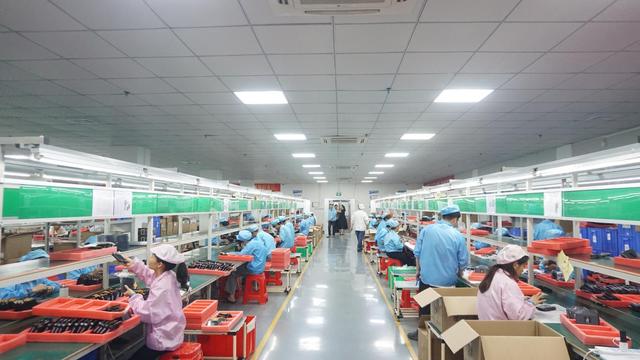
From automated SMT placement lines to dual temperature cycling chambers, every single board undergoes rigorous functional boundary testing. Our validation processes align strictly with CE, RoHS, FCC, and UNECE global standards for diagnostic and automotive logging components.
Shenzhen Manata Scanner Co., Ltd. is a leading China automotive diagnostic equipment manufacturer specializing in advanced vehicle inspection systems and ECU diagnostic solutions for the global automotive aftermarket. With a strong commitment to innovation, quality, and intelligent vehicle servicing, Manata Scanner delivers reliable diagnostic technologies designed to improve maintenance efficiency, reduce downtime, and support modern workshop operations.
Driven by continuous technological innovation, we integrate artificial intelligence, cloud connectivity, big data analysis, and advanced electronic testing technologies into our product development process. The company's R&D team focuses on creating intelligent, accurate, and user-friendly diagnostic solutions capable of meeting the evolving requirements of both conventional and new energy vehicles.
Explore our industrial-grade automotive interfaces, cloud-connected trackers, and CAN FD debugging systems.
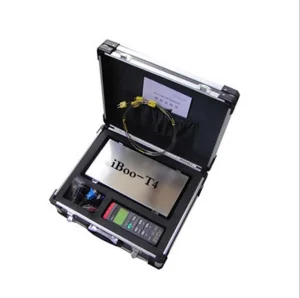
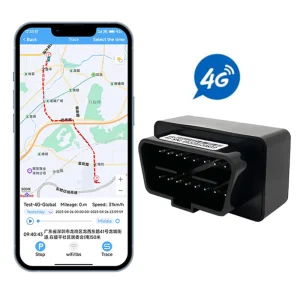
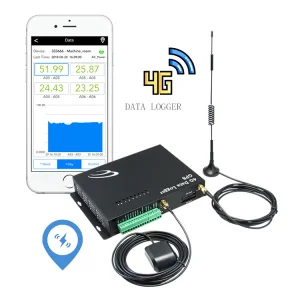
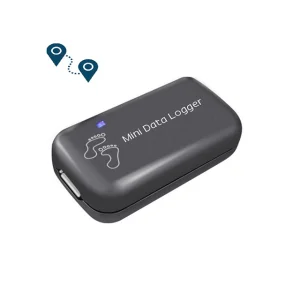
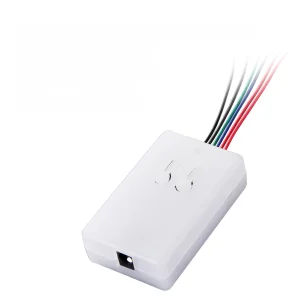
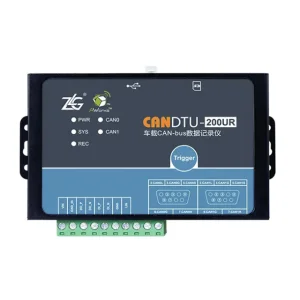
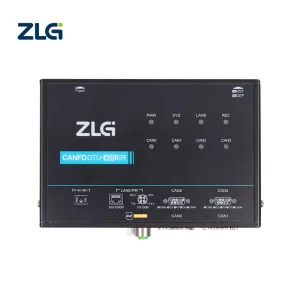
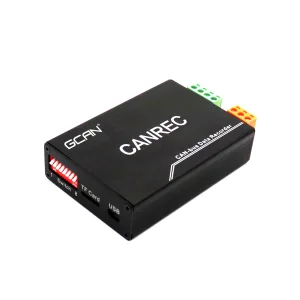
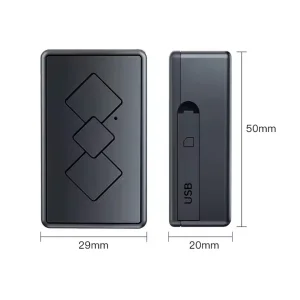
Tailoring electronic vehicle systems diagnostics to the demands of Northern European environments.
Electric Vehicle validation engineers face unique challenges in Northern climates. Battery charge acceptance rates drop significantly, and the auxiliary power required for battery thermal conditioning spikes. Sourcing our CAN FD data loggers allows test crews in Ivalo to log EV cell balancing data, charge rates, battery management system (BMS) status frames, and high-voltage inverter ripple values in real-time. System loggers run dynamically during charging and driving cycles to pinpoint cell cooling inefficiencies directly.
In forestry machinery, the combination of sub-zero operation, hydraulic line dampening, and rugged engine load factors demands loggers that operate continuously via ignition sensing triggers. Using ruggedized SD-card CAN loggers connected directly to standard J1939 backbones allows developers to capture complex load spikes, hydraulic solenoid command timing, and engine temperature fluctuations over weeks of continuous off-grid field operations.
Use the strategic comparison table below to determine the ideal diagnostic hardware setup for your testing protocols:
| Parameter | Entry OBD Loggers | GNSS Track Analyzers | High-Performance CAN FD Loggers |
|---|---|---|---|
| Primary Interface | OBD-II Port (J1962) | External Antennas / High-Frequency GNSS | Dual / Quad CAN FD Interfaces (Screw Terminal/D-Sub) |
| Sampling Speed | Up to 500kbps (CAN 2.0) | 10Hz - 25Hz GPS Update Cycles | Up to 5Mbps (CAN FD Payload phase) |
| Storage Type | Internal Flash / Cloud Sync | High-speed Internal Storage / microSD | High-capacity TF / SD card up to 512GB (Industrial Class) |
| Min. Operating Temp | -20°C | -30°C | -45°C (Grade-1 Automotive Compliant) |
| Applications | Fleet Telemetry & Logistics | Racetrack Acceleration & Dynamic Braking | ECU Flash Calibration, Battery BMS Debugging |
Clear, engineering-focused answers regarding automotive bus data logging, performance profiling, and procurement protocols.
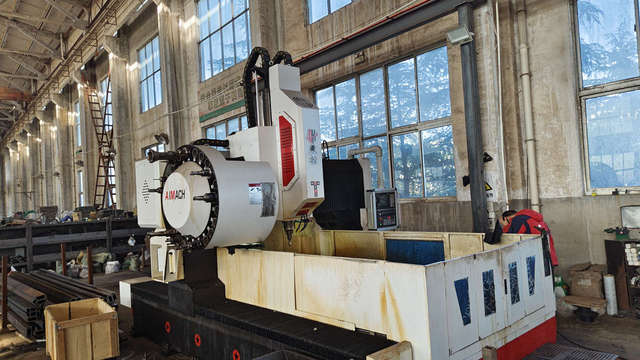
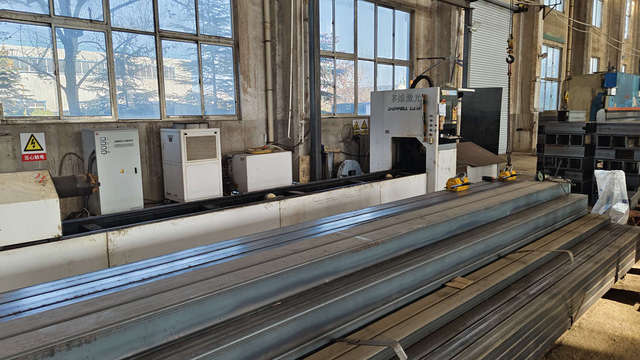
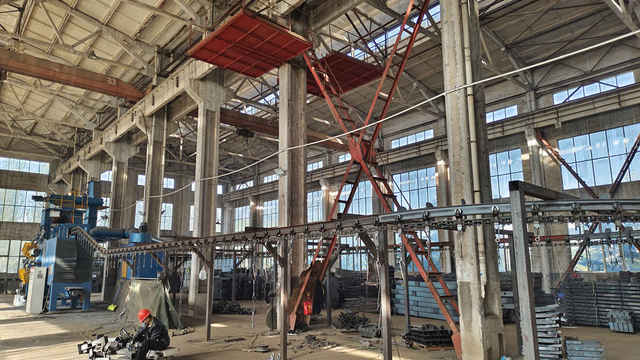
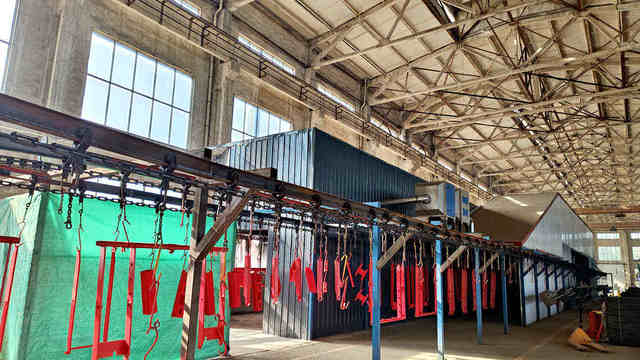
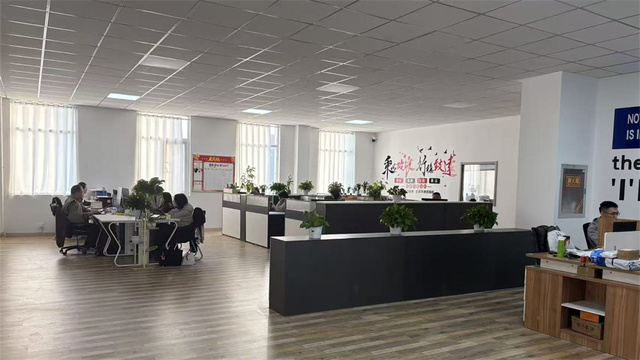
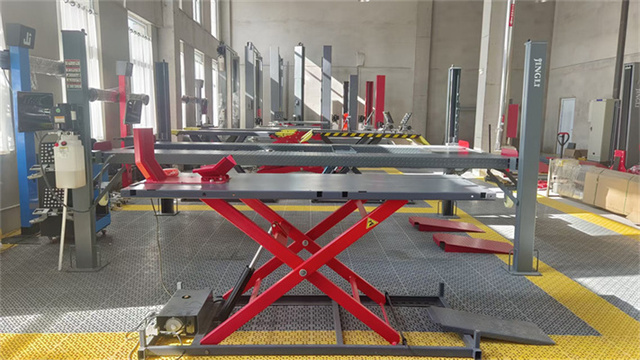
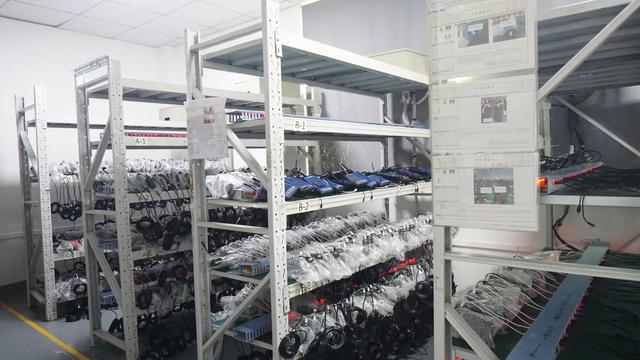
Inside our ISO-compliant electronic assembly and diagnostic systems calibration labs in Shenzhen.
Connect with our expert application engineering team to request sample platforms, evaluate protocol compatibility, or acquire quotes for custom-built telemetry systems.
Contact Our Engineering Division Manata Scanner