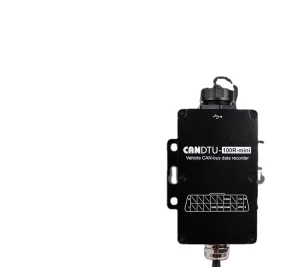
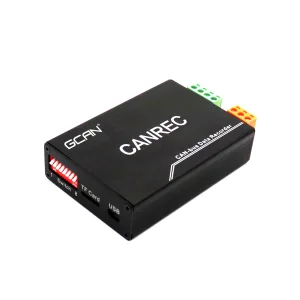
Engineered for high-vibration automotive environments, rapid prototyping, and real-time fleet diagnostics in Monterrey’s manufacturing parks.
How Nuevo León's massive industrial footprint drives the requirement for high-reliability data acquisition systems.
Monterrey, the capital of Nuevo León, has solidified its reputation as the industrial engine of Mexico, serving as a primary magnet for global nearshoring investment. With the influx of multi-billion dollar Tier-1 automotive components factories and the rapid expansion of EV supply chains, Monterrey has transitioned from simple assembly operations to complex electronic and powertrain validation engineering. The regional focus on zero-defect manufacturing and the T-MEC (USMCA) rules of origin mandate that vehicle components—especially ECUs, wiring harnesses, and battery management systems—undergo stringent local physical and data-driven testing.
Within this high-velocity manufacturing paradigm, automotive data loggers represent critical instruments for product validation (DVP&R), quality control, and functional safety compliance (ISO 26262). As vehicles integrate advanced driver assistance systems (ADAS), steer-by-wire controls, and electrification, loggers act as the primary black-box diagnostic tools, recording real-time CAN, CAN FD, LIN, and Ethernet frames. Monterrey-based engineering teams depend heavily on high-accuracy bus data recorders to troubleshoot firmware discrepancies, capture random transient errors, and qualify thermal performance during transit through diverse Mexican microclimates.
Furthermore, local engineering centers are increasingly collaborating with Chinese diagnostics pioneers like Shenzhen Manata Scanner Co., Ltd.. This strategic bridging of Shenzhen’s rapid R&D cycle with Monterrey’s close proximity to North American OEMs provides a distinct competitive advantage: rapid localization, customized firmware options, and cost-effective physical hardware capable of executing high-density vehicle diagnostics.
Understanding the essential interface protocols, physical hardening, and edge storage requirements demanded by Tier-1 buyers.
Modern vehicle architectures transfer large diagnostic payloads. Multi-channel CAN FD support ensures compatibility with high-baud rate configurations (up to 5-8 Mbps) while maintaining backward compatibility with standard CAN 2.0B networks.
Under extreme operating temperatures (-40°C to +85°C), data loss is unacceptable. Industrial-grade SD card or TF card structures combined with supercapacitors guarantee that the last captured frame is written safely upon power failure.
Combining local physical storage with LTE/4G/5G and Wi-Fi data uploading allows engineers to automatically sync vehicle telemetry with remote cloud storage systems as soon as the vehicle enters the test facility.
Exploring practical applications of telemetry systems from EV thermal profiling to dynamic ADAS safety audits.
New Energy Vehicles (NEVs) manufactured in northern Mexico must tolerate intense summer temperatures, placing immense stress on the Battery Management Systems (BMS). Using specialized CAN FD loggers equipped with thermocouple integrations allows engineers to map physical thermal changes to internal battery parameter frames. This correlations analysis is crucial for validating pack insulation and liquid cooling efficiency.
ADAS rely heavily on real-time processing of camera feeds, lidar sensor readings, and radar echoes. When testing driver alert modules on public highways or private proving grounds near Monterrey, multi-channel high-performance data recorders store structural sensor readouts. If a system failure or phantom braking event occurs, developers pull the millisecond-accurate log files to resolve control loop logic issues.
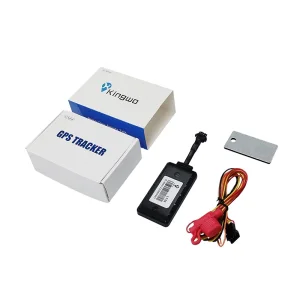
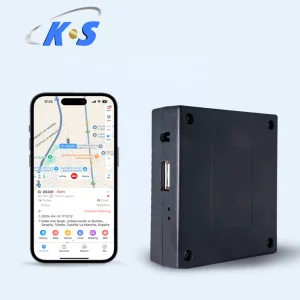
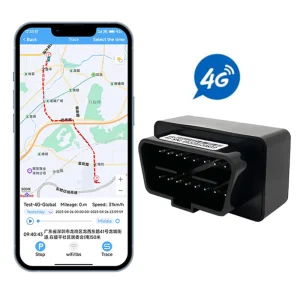
Integrating customized GPS trackers with active OBD-II query protocols transforms simple vehicle tracing into a proactive diagnostic dashboard. For commercial fleet operations running logistics routes from Nuevo León through Laredo, real-time transmission codes and engine performance variables are pushed directly to the cloud, preventing catastrophic engine damage before the warning lamp displays on the console.
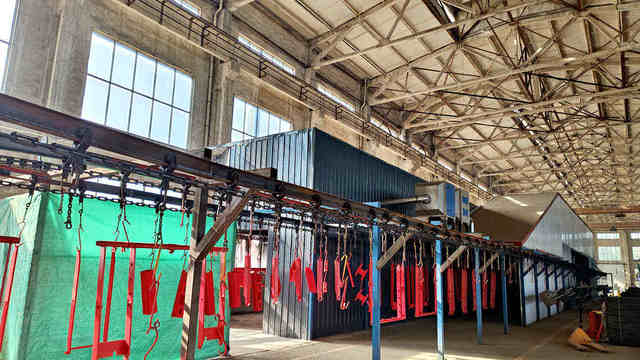
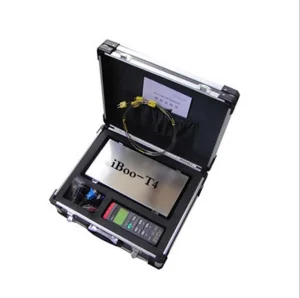
Beyond vehicle diagnostics, paint booth quality validation requires dedicated loggers. The baking temperature profiles within large assembly lines must be uniformly distributed to prevent paint peeling. High-temperature-resistant data loggers travel through the oven directly, tracking multipoint heat gradients to verify process consistency in Monterrey-based OEM assembly plants.
Integrating innovative Artificial Intelligence, IoT connectivity, and strict quality control to support global workshops and assembly operations.
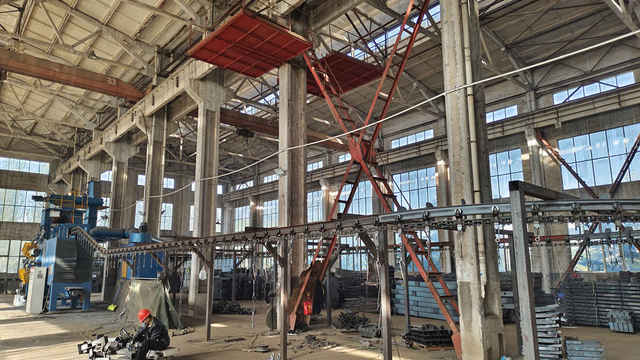
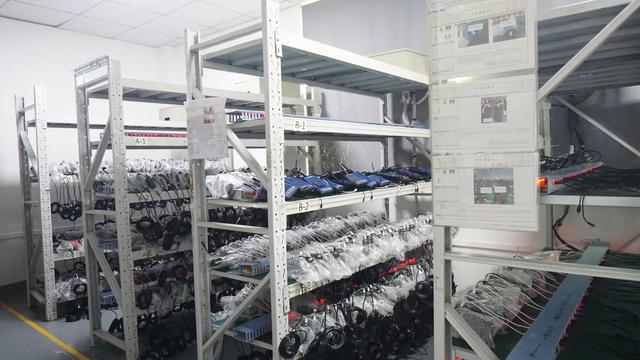
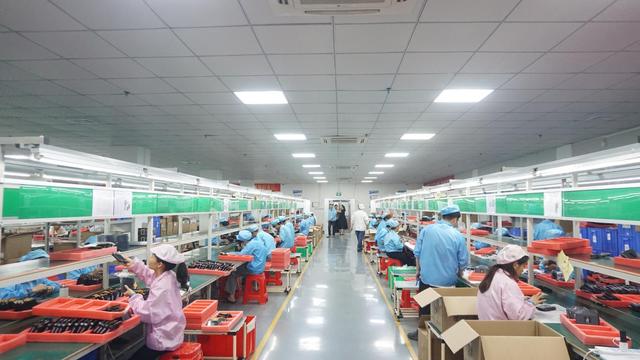
Shenzhen Manata Scanner Co., Ltd. is a leading China automotive diagnostic equipment manufacturer specializing in advanced vehicle inspection systems and ECU diagnostic solutions for the global automotive aftermarket. With a strong commitment to innovation, quality, and intelligent vehicle servicing, Manata Scanner delivers reliable diagnostic technologies designed to improve maintenance efficiency, reduce downtime, and support modern workshop operations.
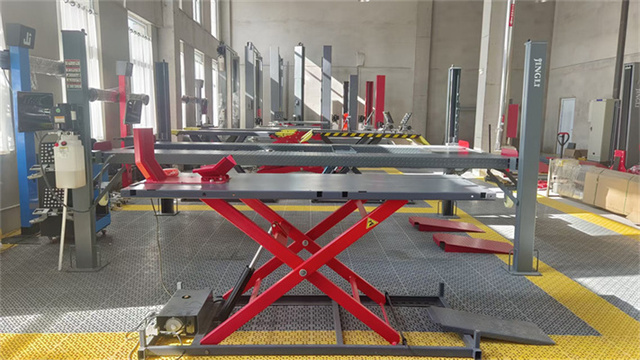
The company offers a comprehensive portfolio of automotive diagnostic equipment, including vehicle inspection systems, ECU programming and coding tools, automotive scan tools, ADAS calibration equipment, EV battery diagnostic systems, TPMS diagnostic devices, and intelligent fleet diagnostic solutions. These products are widely used by automotive repair workshops, vehicle inspection centers, dealerships, fleet operators, and maintenance service providers worldwide.
Driven by continuous technological innovation, Shenzhen Manata Scanner Co., Ltd. integrates artificial intelligence, cloud connectivity, big data analysis, and advanced electronic testing technologies into its product development process. The company's R&D team focuses on creating intelligent, accurate, and user-friendly diagnostic solutions capable of meeting the evolving requirements of both conventional and new energy vehicles.
Quality is at the core of Manata Scanner's manufacturing philosophy. The company implements strict quality management procedures throughout design, production, testing, and final inspection to ensure stable performance and long-term reliability. Its products are engineered to comply with international standards and are exported to customers across Europe, North America, South America, Southeast Asia, the Middle East, and other global markets.
Committed to becoming a trusted global partner in automotive diagnostics, Shenzhen Manata Scanner Co., Ltd. continues to provide innovative products, professional technical support, and customized solutions that help customers enhance service capabilities and operational efficiency.
Aligning data transmission and diagnostic tooling with North American automotive standards.
Deploying automotive diagnostics in Monterrey demands adherence to regional environmental and electronic certifications. Devices must comply with NOM (Normas Oficiales Mexicanas) certifications and FCC/CE emissions rules to prevent electromagnetic interference within active vehicle harnesses. Data encryption is equally paramount; utilizing AES-256 local storage schemes prevents unauthorized extraction of proprietary ECU diagnostic codes (ODX/PDX) and OEM calibration files.
To facilitate seamless imports, Shenzhen Manata Scanner Co., Ltd. manages complete compliance documentation, including international tariff codes (HS Codes) for electronic diagnostic components, guaranteeing uninterrupted cross-border supply chains. Our loggers support data export to industry-standard vector formats such as MDF4, ASC, and BLF, ensuring direct integration with engineers' existing analytical tools in Monterrey and the wider North American markets.
Expert insights into hardware performance, protocol integration, and configuration challenges.
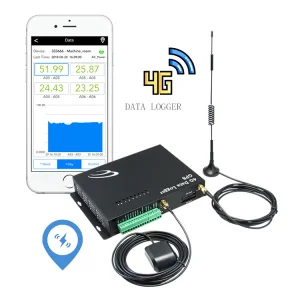
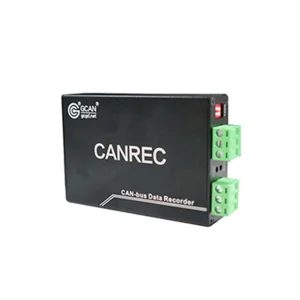
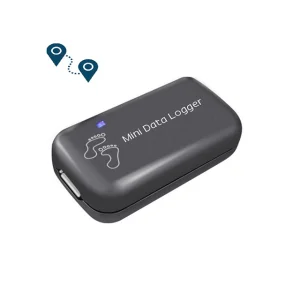
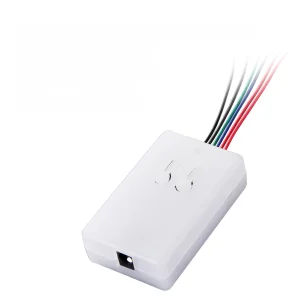
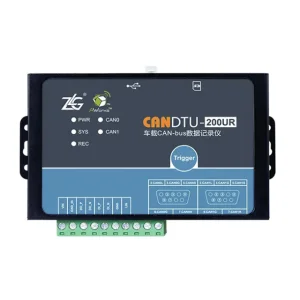
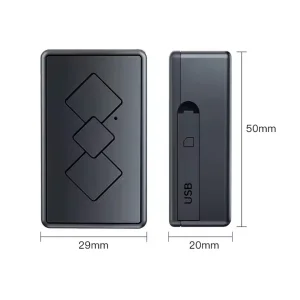
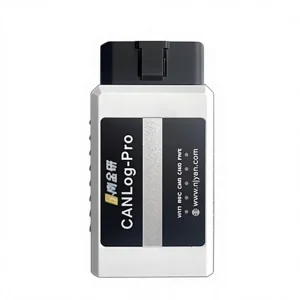
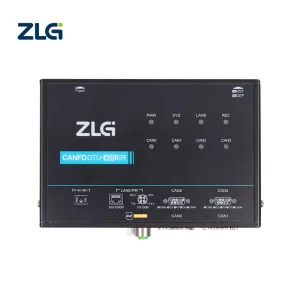
Explore our complete catalog of professional vehicle telemetry, CAN controllers, temperature trackers, and fleet asset management solutions.
Get in touch with our applications engineering department. We offer customized design configurations, API access, and bulk commercial pricing for Monterrey manufacturing plants.
Request A Customized Proposal Manata Scanner