Explore our state-of-the-art precision diagnostic tools, fleet management hubs, and specialized battery load testers directly engineered by China's leading automotive equipment manufacturer.
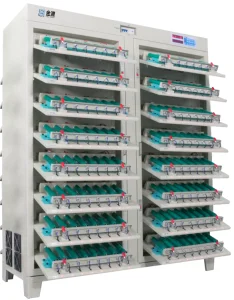
Lithium Battery Charge-Discharge Testing Equipment: 512-Channel Cylindrical Cell Capacity Tester 18650 Grading Machine
View Product Details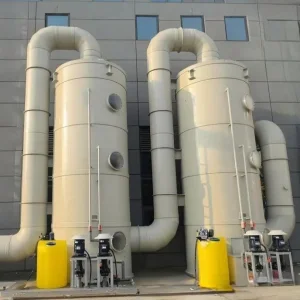
Exhaust Purification Gas Air Tower PP Chemical Absorption Treatment Scrubber Desulfurization Waste Biogas Equipment Wet
View Product Details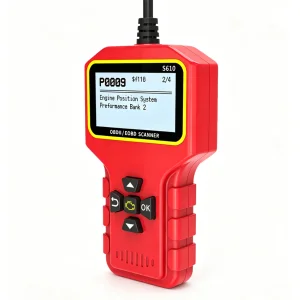
Source Factory S610 OBD II Scanner, Automotive Engine Fault Code Reader, Vehicle Diagnostic Tool for All Cars
View Product Details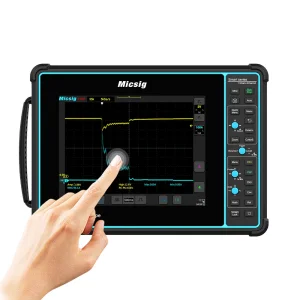
Micsig SATO1004 Portable Automotive Oscilloscope 4 Channels 100MHz Bandwidth 1GSa/s Sampling Rate 8" Touch Screen 8-Bit
View Product Details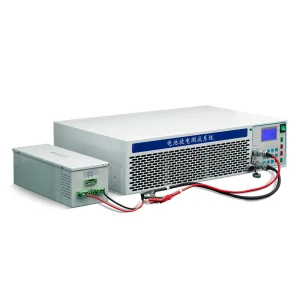
100V 30A Lithium Battery Voltage Safety Protection Discharge Test With Software Display Internal Resistance Capacity Testers
View Product Details
For Xtool D7s Full System Automotive Scanner Bidirectional Car Diagnostic Tools with ECU Coding & 38+ Reset Newest 2024 CANFD
View Product Details
Automobile Maintenance/Auto Repair Equipment/Automotive Equipment/Truck Tyre Changer/Auto Scanner
View Product DetailsAnalyzing market demand, strict emissions mandates, and the shift toward digitalized forced-induction inspection worldwide.
The modern automotive and industrial powertrain sectors are experiencing an unprecedented reliance on forced induction technologies. As global environmental agencies enact ultra-stringent emission limits—such as Euro 6d/Euro 7 standards and US EPA Tier 4 Final—the global automotive aftermarket has reached a pivotal juncture. Turbocharging is no longer reserved for high-performance sports cars; it is the cornerstone of engine downsizing, thermal efficiency optimization, and carbon footprint reduction across passenger cars, commercial transport fleets, heavy machinery, and marine vessels.
However, modern turbochargers are sophisticated electro-mechanical systems. Modern Variable Geometry Turbochargers (VGT / VNT) utilize high-speed microprocessors, pulse-width modulated (PWM) or CAN-bus controlled electronic actuators, precise pneumatic boost control valves, and tolerances measured in microns. When a turbocharging assembly fails or operates sub-optimally, diagnosing the root cause requires far more than legacy pressure gauges. Today's workshops require multi-layered Turbocharger Diagnostic Equipment engineered to analyze aerodynamic airflow, dynamic vibration at speeds exceeding 250,000 RPM, electronic actuator response curves, and real-time engine control unit (ECU) communication protocols.
Factory-grade diagnostics require full calibration protocols matching OEM standards (BorgWarner, Garrett, Holset, IHI, Mitsubishi Heavy Industries). Diagnostic equipment must read micro-stepper motor positions and sensor feedback accurately.
High-speed core balancing platforms ensure dynamic balancing grades conforming to ISO 1940 (G1.0 or G2.5 standard), mitigating structural vibration, oil leakage, and premature bearing destruction.
Electronic actuators require dynamic signal simulation. Premium testing devices automatically test position sensor voltage, mechanical linkage resistance, stroke limits, and internal electronic chip health.
A comparative engineering breakdown of advanced dynamic testing, airflow benching, and electronic diagnostics.
| Equipment Category | Primary Diagnostic Function | Technical Key Performance Indicators | Target Operational Use Case |
|---|---|---|---|
| Dynamic High-Speed Core Balancers (VSR) | Measures micro-unbalance at operational rotational velocities up to 300,000 RPM. | Piezoelectric vibration acceleration sensors, real-time spectral FFT analysis, dynamic balance tolerance G1.0. | Turbo Remanufacturing Plants, Production Line Quality Assurance. |
| VGT/VNT Flow Bench Testers | Calibrates mechanical variable nozzle vane positioning according to mass airflow specs. | High-precision pneumatic pressure transducers, differential mass airflow sensors, automated vane position learning. | Specialized Auto Repair Centers, Reconditioning Facilities. |
| Electronic Actuator Testers & Flashers | Reads, tests, and reprograms electronic actuators (Hella, REA, Siemens, Sonceboz). | Supports PWM, SENT, CAN 2.0B, and CAN-FD signal generator protocols; automated angle position sensor testing. | Fleet Maintenance Depots, Auto Diagnostic Workshops. |
| Integrated Automotive Scanners & Oscilloscopes | In-system diagnostics reading DTCs, live boost pressure graphs, and signal waveforms. | Multi-channel signal capture (100MHz bandwidth, 1GSa/s sampling), ECU coding, bi-directional actuation test. | Dealership Service Bays, Multi-brand Repair Centers. |
In high-speed turbocharger diagnostics, unbalance is the primary cause of noise, vibration, and total shaft failure. Advanced diagnostic rigs manufactured in China utilize sophisticated dynamic signal processing (DSP) hardware coupled with fast Fourier transform (FFT) algorithms. As the cartridge (CHRA) is driven by oil-fed high-pressure compressed air, piezoelectric sensors record oil film vibrations across the frequency spectrum. This enables technicians to isolate dynamic imbalance caused by turbine wheel defects, shaft bending, compressor wheel unbalance, or thrust bearing tolerance wear with sub-milligram precision.
Combining supply chain integration, hardware-software synergy, and economic efficiency to empower international distributors.
China's automotive electronics hubs (specifically the Shenzhen-Guangdong industrial cluster) integrate microelectronics design, dynamic sensor calibration, micro-machining, and software development within a 50-mile radius. This enables rapid product iteration and superior cost structures.
Chinese manufacturers offer profound structural modularity. Whether requiring customized software UI for specific regional car fleets, localized diagnostic databases, custom hardware branding, or private-label firmware integration, factory-direct partners accommodate tailored requests seamlessly.
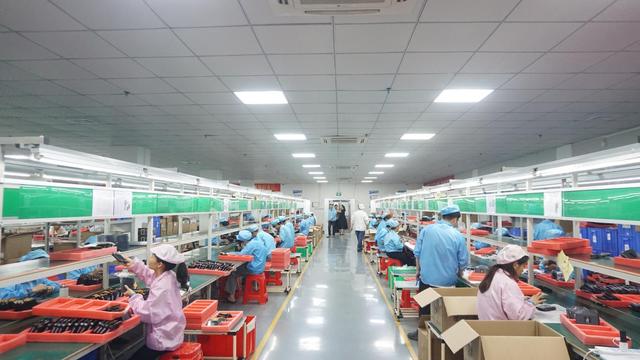
Leading Chinese diagnostic factories operate under ISO 9001 quality management frameworks. Products undergo rigorous environmental stress testing, high-voltage isolation safety checks, electromagnetic compatibility (EMC/CE) validation, and multi-stage burn-in tests prior to dispatch.
By eliminating excessive regional brand markups and sourcing straight from Tier-1 manufacturing facilities, international buyers gain access to advanced diagnostic capabilities at a fraction of European or North American equipment costs, boosting ROI for repair garages.
Pioneering Automotive Diagnostics, ECU Inspection Systems, and Precision Workshop Technologies for Global Aftermarkets.
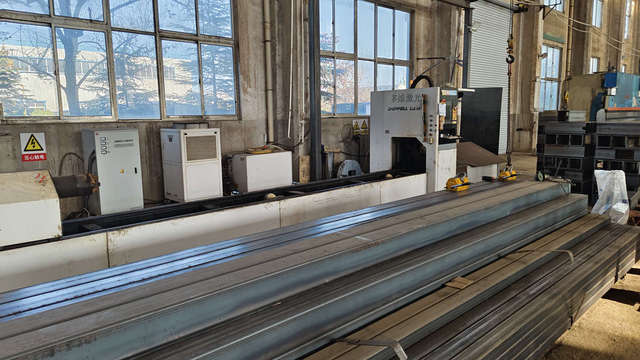
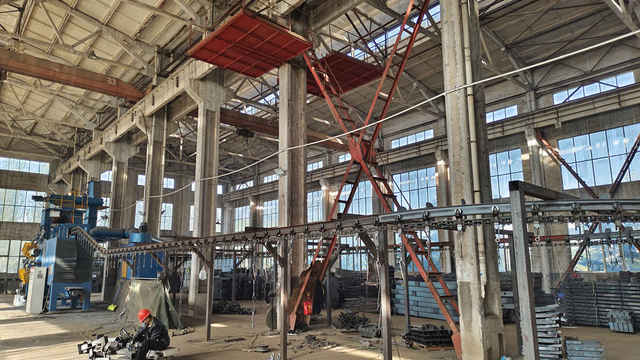
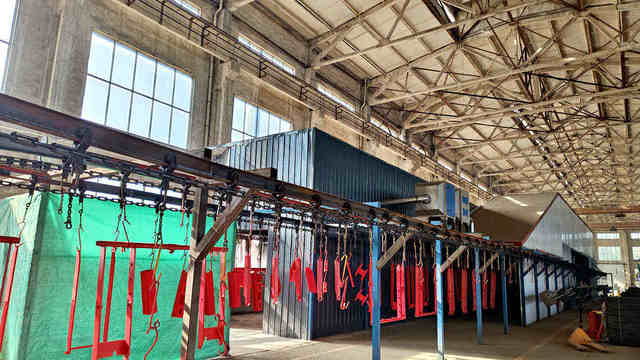
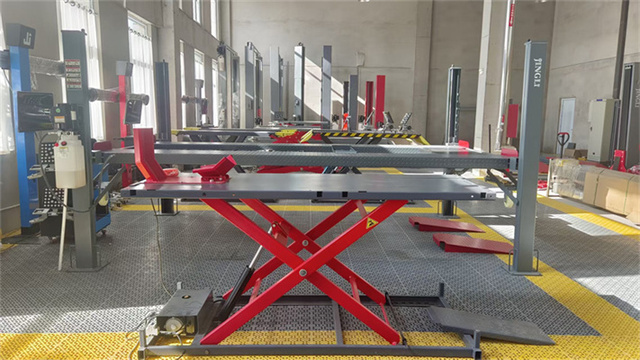
Shenzhen Manata Scanner Co., Ltd. is a leading China automotive diagnostic equipment manufacturer specializing in advanced vehicle inspection systems and ECU diagnostic solutions for the global automotive aftermarket. With a strong commitment to innovation, quality, and intelligent vehicle servicing, Manata Scanner delivers reliable diagnostic technologies designed to improve maintenance efficiency, reduce downtime, and support modern workshop operations.
The company offers a comprehensive portfolio of automotive diagnostic equipment, including vehicle inspection systems, ECU programming and coding tools, automotive scan tools, ADAS calibration equipment, EV battery diagnostic systems, TPMS diagnostic devices, and intelligent fleet diagnostic solutions. These products are widely used by automotive repair workshops, vehicle inspection centers, dealerships, fleet operators, and maintenance service providers worldwide.
Driven by continuous technological innovation, Shenzhen Manata Scanner Co., Ltd. integrates artificial intelligence, cloud connectivity, big data analysis, and advanced electronic testing technologies into its product development process. The company's R&D team focuses on creating intelligent, accurate, and user-friendly diagnostic solutions capable of meeting the evolving requirements of both conventional and new energy vehicles.
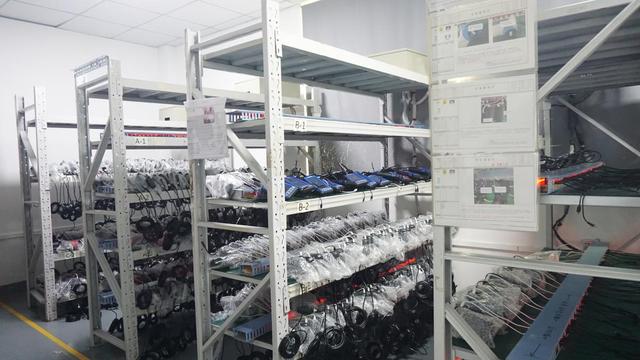
Quality is at the core of Manata Scanner's manufacturing philosophy. The company implements strict quality management procedures throughout design, production, testing, and final inspection to ensure stable performance and long-term reliability. Its products are engineered to comply with international standards and are exported to customers across Europe, North America, South America, Southeast Asia, the Middle East, and other global markets.
Committed to becoming a trusted global partner in automotive diagnostics, Shenzhen Manata Scanner Co., Ltd. continues to provide innovative products, professional technical support, and customized solutions that help customers enhance service capabilities and operational efficiency.
Tailored diagnostic strategies for heavy transport, passenger vehicles, marine applications, and specialized reconditioning hubs.
Heavy-duty trucks (Cummins, Detroit Diesel, Volvo) operate under high load factors. Dynamic diagnostics identify oil seal degeneration and VGT nozzle sticking early, avoiding costly highway engine breakdowns.
Small-displacement turbo engines require strict dynamic balancing and flow bench setup to eliminate turbo lag and whistle noise. Automated test benches streamline factory rebuild throughput.
Custom racing builds require extended boost dynamic limits. Advanced diagnostic oscilloscopes and pressure data loggers evaluate transient boost spikes, compressor surge thresholds, and wastegate response.
A strategic purchasing guide for importers, chain workshops, and industrial equipment buyers.
When selecting a supplier for Wholesale Turbocharger Diagnostic Equipment, B2B sourcing directors must weigh technical parameters against operational requirements. Below is the decision framework evaluated by leading procurement teams globally:
Ensure the diagnostic tool updates quarterly to support new vehicle models, new actuator protocols (e.g., CAN-FD, DoIP), and updated DTC databases. Cloud-connected updating mechanisms are vital.
Industrial flow benches require medical-grade differential pressure transducers and optical laser tachometers capable of non-contact rotation sensing up to 300,000 RPM.
Verify that the factory provides direct engineering support, spare parts availability, fast RMA service, and remote diagnostic assistance for complex electronic calibration bugs.
Devices must carry international certifications (CE, FCC, RoHS) to clear customs friction and guarantee technician electrical safety during high-voltage hybrid engine testing.
Predictive maintenance, AI acoustic analysis, and unified EV/Hybrid diagnostic platforms.
Next-generation diagnostic equipment integrates machine learning models that analyze sound frequency profiles emitted by spinning turbochargers to detect micro-cracks in turbine blades before catastrophic failure.
As electric vehicles incorporate range extenders (ICE coupled to high-voltage generators) and e-compressors, diagnostic equipment is evolving to measure dual-voltage electrical inputs alongside mechanical boost pressures.
Diagnostic reports generated at the bench auto-sync directly to cloud storage, generating branded PDF calibration certificates for vehicle owners and streamlining workshop repair logs.
Discover specialized EV battery testers, ADAS mobile calibration platforms, and automotive oscilloscopes.
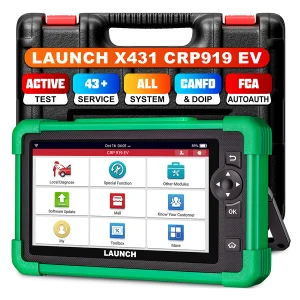
LAUNCH CRP919 EV Electric Vehicle OBD2 Diagnostic Tool Auto Scanner for New Energy Cars Battery Powered English Language
View Product Details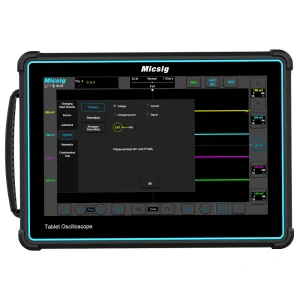
Micsig ATO1004 Portable Automotive Oscilloscope 100MHz 4 Analog Channels 1GSa/S 10.1 Inch Touch Screen LCD
View Product Details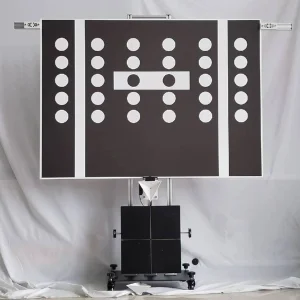
ADAS Portable Diagnostic Tools for Vehicle Equipment New Mobile Calibration System for Garages
View Product Details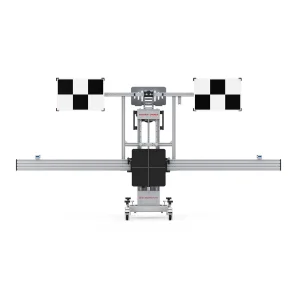
LAUNCH X-431 ADAS PRO PLUS X431 ADAS PRO+ Ultra-high Precision ADAS Calibration Tool
View Product Details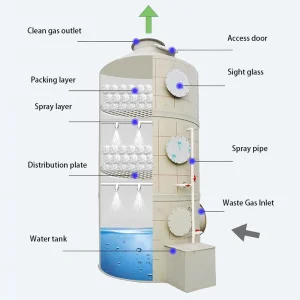
Disposal Equipment Waste Exhaust Gas Venturi Wet Scrubber Tower For SO2 CO2 NH3 Desulfurization Deamination
View Product Details
X-431 ADAS MOBILE Calibration Tool Portable Base and Arms Can Be Folded in One Piece Automotive Diagnostic Equipment
View Product DetailsDetailed answers to technical, operational, and commercial questions for enterprise buyers.
Static bench testing evaluates static mechanical checks, such as manual actuator movement and low-pressure leakage tests. Dynamic high-speed balancing (VSR testing) spins the assembled core (CHRA) up to operational velocities (150,000 to 250,000+ RPM) while feeding hot, pressurized oil. Dynamic testing measures actual operational vibration acceleration using piezoelectric sensors, detecting subtle rotor dynamic imbalance that cannot be identified during static inspection.
Yes. Modern diagnostic platforms produced by Shenzhen Manata Scanner Co., Ltd. feature multi-protocol communication chips supporting PWM, SENT, CAN 2.0B, and CAN-FD. The software includes database profiles for Hella, REA, Siemens, Sonceboz, and Denso electronic actuators, allowing technicians to read minimum/maximum stop angles, test position sensor voltage outputs, write new zero-point calibration routines, and reprogram replacement actuators.
Even if a turbocharger is dynamically balanced, improperly calibrated variable nozzle vanes will lead to incorrect boost pressures. If vanes open too wide, the vehicle experiences severe turbo lag and sluggish acceleration; if vanes close too tight, over-boosting occurs, triggering engine limp mode or blowing head gaskets. A flow bench diagnostic tool measures mass airflow through the vanes at defined actuator positions, guaranteeing OEM-compliant boost curves.
Absolutely. All diagnostic scanners, ECU programming tools, and oscilloscopes are built to support standard OBD-II protocols (ISO 9141, KWP2000, J1850 PWM/VPW, CAN 2.0) as well as modern enterprise communication layers such as CAN-FD, DoIP (Diagnostics over Internet Protocol), and J2534 pass-thru standards. This ensures broad compatibility with European, American, Asian, and Chinese domestic vehicle models.
For global distributors and brand owners, Shenzhen Manata Scanner Co., Ltd. provides comprehensive OEM/ODM services. This includes customized exterior hardware design (casing colors, rubber boots, silkscreen logos), custom UI/UX firmware branding, localized software translations, specialized diagnostic software module additions, and custom packaging. Minimum order quantities (MOQs) vary depending on the depth of hardware vs software customization required.
Dynamic balancing machines require periodic calibration using a certified reference rotor to maintain ISO 1940 accuracy. Oil supply filters must be changed regularly to prevent particulate contamination in the test bench bearing supply line, and piezoelectric vibration sensors should be checked for zero-drift annually. Shenzhen Manata Scanner provides detailed technical manuals, remote software calibration utilities, and replacement sensor kits.
As the automotive market transitions toward electrification, Manata Scanner offers specialized high-voltage diagnostic gear, including 512-channel cell capacity testers, high-voltage battery discharge/protection safety testers, electric vehicle OBD2 diagnostic tools (e.g., LAUNCH CRP919 EV), and ADAS calibration systems tailored for electric platforms like NIO, Tesla, and BYD.
Standard inventory items (handheld scanners, portable oscilloscopes, battery testers) typically ship within 3 to 7 business days. Custom OEM orders or large benchtop diagnostic rigs (such as industrial scrubber towers or customized load banks) generally require a production lead time of 15 to 30 business days depending on specific technical configurations and factory queue status. Express air freight and sea shipping options are available globally.
While standard OBD-II scanners read diagnostic trouble codes (DTCs), an automotive oscilloscope measures physical electrical signals in real-time. Technicians use multi-channel oscilloscopes to capture PWM duty cycles sent by the ECU to the turbo solenoid, analyze MAP (Manifold Absolute Pressure) sensor voltage response time, verify hall-effect position sensor waveforms, and detect intermittent wiring harness glitches that code readers miss.
Shenzhen Manata Scanner Co., Ltd. provides multi-tiered technical support. This includes lifetime software updates for supported scanner platforms, one-on-one video assistance with senior field engineers for workshop machine setup, comprehensive online knowledge bases, detailed wiring schematics, and a dedicated RMA team for rapid hardware component replacements.
 Manata Scanner