Pre-configured diagnostics architectures engineered for automotive repair hubs, commercial fleets, and technical institutes across Canada.
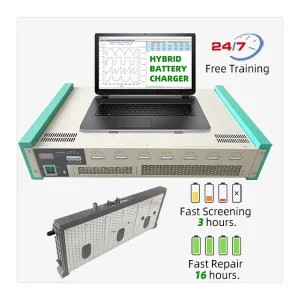
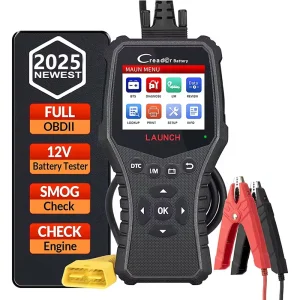
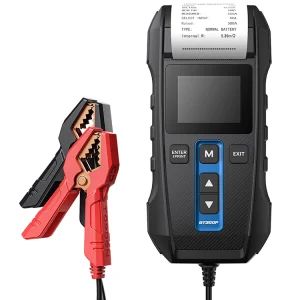
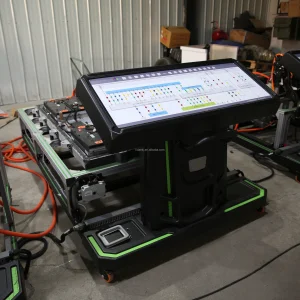
Analyzing sub-zero electrochemical behaviors, municipal transit electrification, and the demand for robust localized diagnostic systems.
Canada’s commitment to achieving net-zero greenhouse gas emissions by 2050 has accelerated the adoption of electric vehicles (EVs) across consumer, municipal, and industrial fleets. However, the country’s vast geographical scale and extreme temperature fluctuations present unique engineering challenges for battery life cycles. Cold-weather operations significantly impact lithium-ion cell chemistry, accelerating degradation and reducing overall range. For fleet managers and automotive workshop networks in major metropolitan areas like Toronto, Montreal, Vancouver, and Calgary, implementing high-precision EV battery diagnostic systems is no longer optional—it is a critical operational necessity.
In sub-zero temperatures (below -20°C, typical of Canadian winters in the Prairies and northern territories), internal cell resistance increases drastically. This impedes lithium-ion diffusion, restricts discharge capacity, and increases the susceptibility of cells to lithium plating during charging cycles. Standard On-Board Diagnostics (OBD2) tools cannot analyze these complex electrochemical shifts. Sophisticated EV diagnostic systems must evaluate cell-by-cell voltage differentials, internal resistance variances, and thermal management metrics to prevent premature battery degradation.
The global EV battery diagnostic market is undergoing a transition driven by regulatory pressures, vehicle safety standards, and circular economy initiatives. The European Union’s implementation of "Battery Passport" regulations is setting a global benchmark for traceability, lifecycle assessment, and end-of-life recycling. In North America, the localized integration of the EV supply chain is accelerating. The United States and Canada are investing heavily in manufacturing facilities, lithium processing units, and recycling infrastructure.
As these Gigafactories go online, the demand for testing equipment that spans the entire battery lifecycle—from manufacturing quality control to secondary-use grading (repurposing EV batteries for stationary energy storage)—is skyrocketing. Manufacturers must design equipment that supports a wide range of battery chemistries, including Lithium Iron Phosphate (LFP), Nickel Manganese Cobalt (NMC), and emerging Solid-State variations. This requires dynamic hardware that adapts to changing voltage and communications protocols.
Shenzhen, China, stands as the global hub for electronic and new-energy vehicle component engineering. As a leading manufacturer based in this tech cluster, Shenzhen Manata Scanner Co., Ltd. capitalizes on unique manufacturing efficiencies that benefit international buyers, particularly in Canada:
How specialized diagnostic systems support local transit authorities, mining fleets, and multi-brand service centers.
Transit authorities in cities like Ottawa and Winnipeg are transitioning to electric bus fleets. Our high-voltage battery diagnostic systems allow technicians to run periodic checks to pinpoint faulty cells within large packs, preventing route breakdowns and optimizing winter pre-heating systems.
Mining sites in Ontario and Quebec are deploying heavy electric equipment underground to eliminate diesel exhaust. These heavy-duty applications demand rugged, dust-proof battery testers capable of executing deep discharge diagnostics and evaluating safety insulation resistance.
With Canada’s diverse vehicle mix (including Tesla, Ford, GM, Hyundai, and European brands), independent repair networks require universal OBD2 diagnostic scanners with EVDiag kits to perform ECU flashing, BMS updates, and high-voltage isolations safely.
The next generation of EV diagnostics is shifting away from static offline scans toward cloud-connected, predictive analysis. By continuously feeding state-of-health (SoH) metrics, charge discharge curves, and operating temperature profiles into AI algorithms, service centers can anticipate cell failures up to 30 days before they occur. This transition from reactive troubleshooting to predictive maintenance minimizes vehicle downtime and extends battery lifetimes by up to 20%.
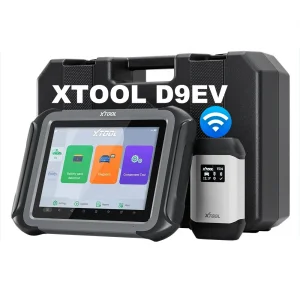
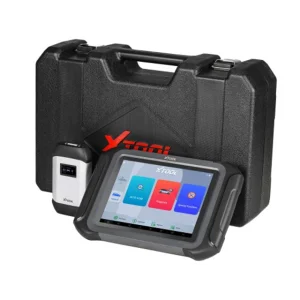
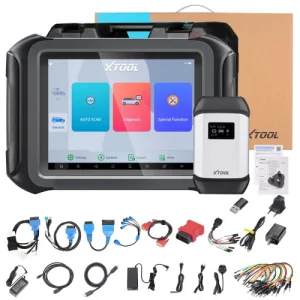
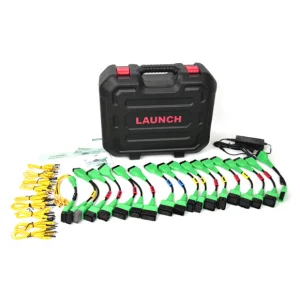
Explore our main diagnostic line, designed for professional automotive service networks and high-voltage technicians.
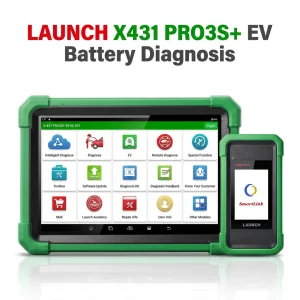
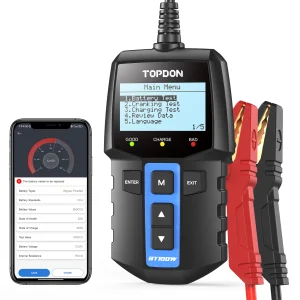
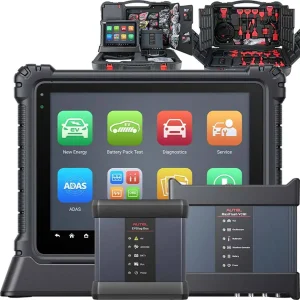
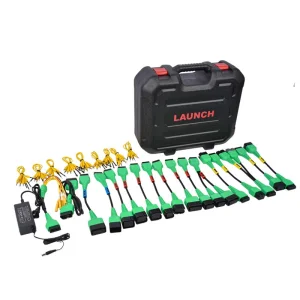
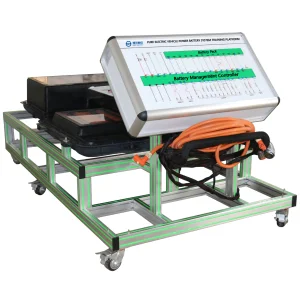
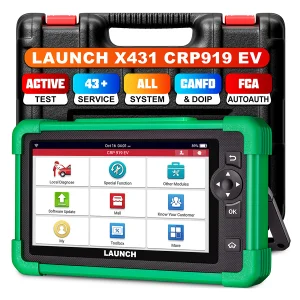
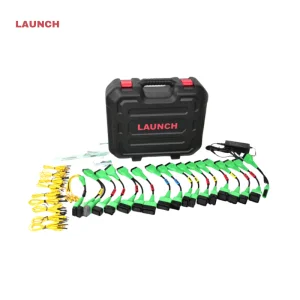
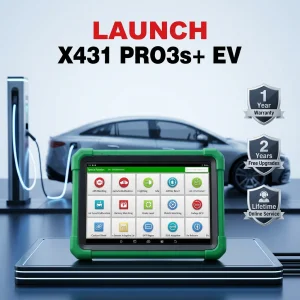
Specific OBD2 scanners and pack diagnostic systems compatible with Tesla, BYD, and leading international EV models.
A leading manufacturer of high-performance automotive diagnostic and inspection platforms serving global and Canadian automotive aftermarket networks.
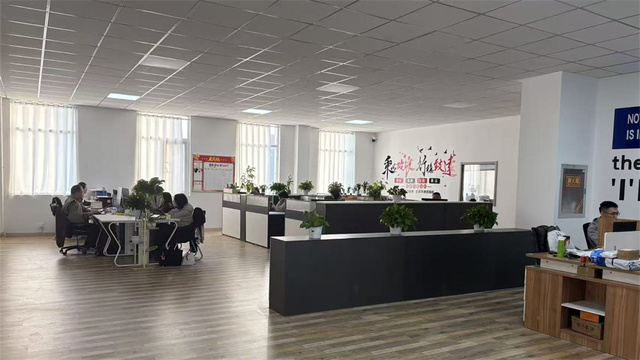
Shenzhen Manata Scanner Co., Ltd. is a leading China automotive diagnostic equipment manufacturer specializing in advanced vehicle inspection systems and ECU diagnostic solutions for the global automotive aftermarket. With a strong commitment to innovation, quality, and intelligent vehicle servicing, Manata Scanner delivers reliable diagnostic technologies designed to improve maintenance efficiency, reduce downtime, and support modern workshop operations.
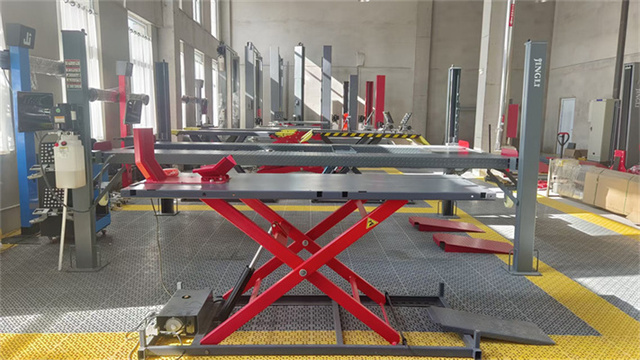
The company offers a comprehensive portfolio of automotive diagnostic equipment, including vehicle inspection systems, ECU programming and coding tools, automotive scan tools, ADAS calibration equipment, EV battery diagnostic systems, TPMS diagnostic devices, and intelligent fleet diagnostic solutions. These products are widely used by automotive repair workshops, vehicle inspection centers, dealerships, fleet operators, and maintenance service providers worldwide.
Driven by continuous technological innovation, Shenzhen Manata Scanner Co., Ltd. integrates artificial intelligence, cloud connectivity, big data analysis, and advanced electronic testing technologies into its product development process. The company's R&D team focuses on creating intelligent, accurate, and user-friendly diagnostic solutions capable of meeting the evolving requirements of both conventional and new energy vehicles.
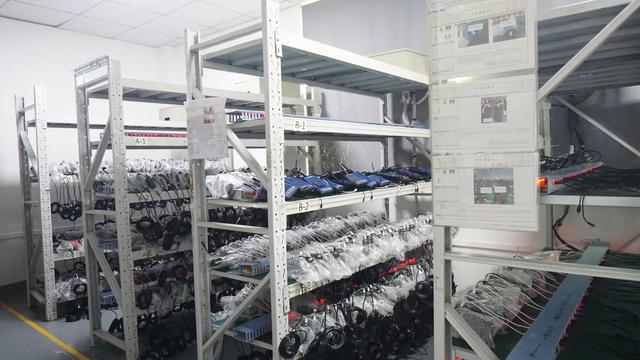
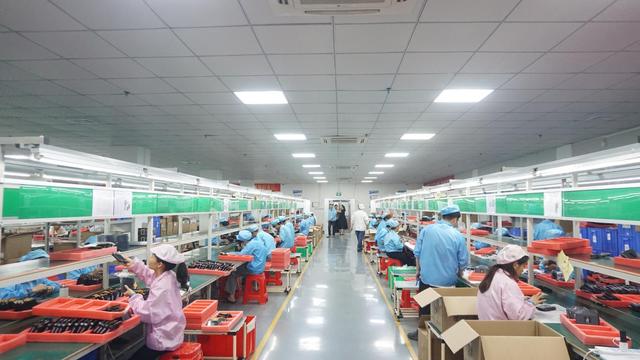
Quality is at the core of Manata Scanner's manufacturing philosophy. The company implements strict quality management procedures throughout design, production, testing, and final inspection to ensure stable performance and long-term reliability. Its products are engineered to comply with international standards and are exported to customers across Europe, North America, South America, Southeast Asia, the Middle East, and other global markets.
For Canadian industrial buyers, automotive networks, and public transit fleets, sourcing from Shenzhen Manata Scanner Co., Ltd. ensures a direct path to advanced technology with streamlined import logistics. We establish robust support models incorporating:
Understand the mechanics of EV diagnostics, cell balancing, and import protocols for the Canadian market.
 Manata Scanner