Manata Scanner
1 / 5
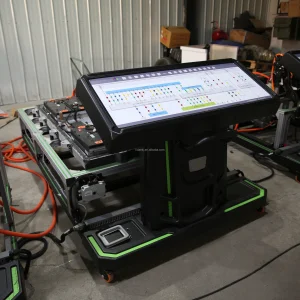
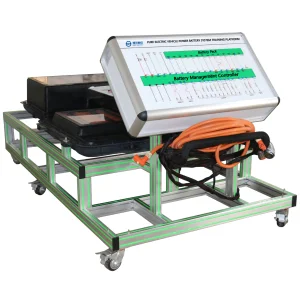
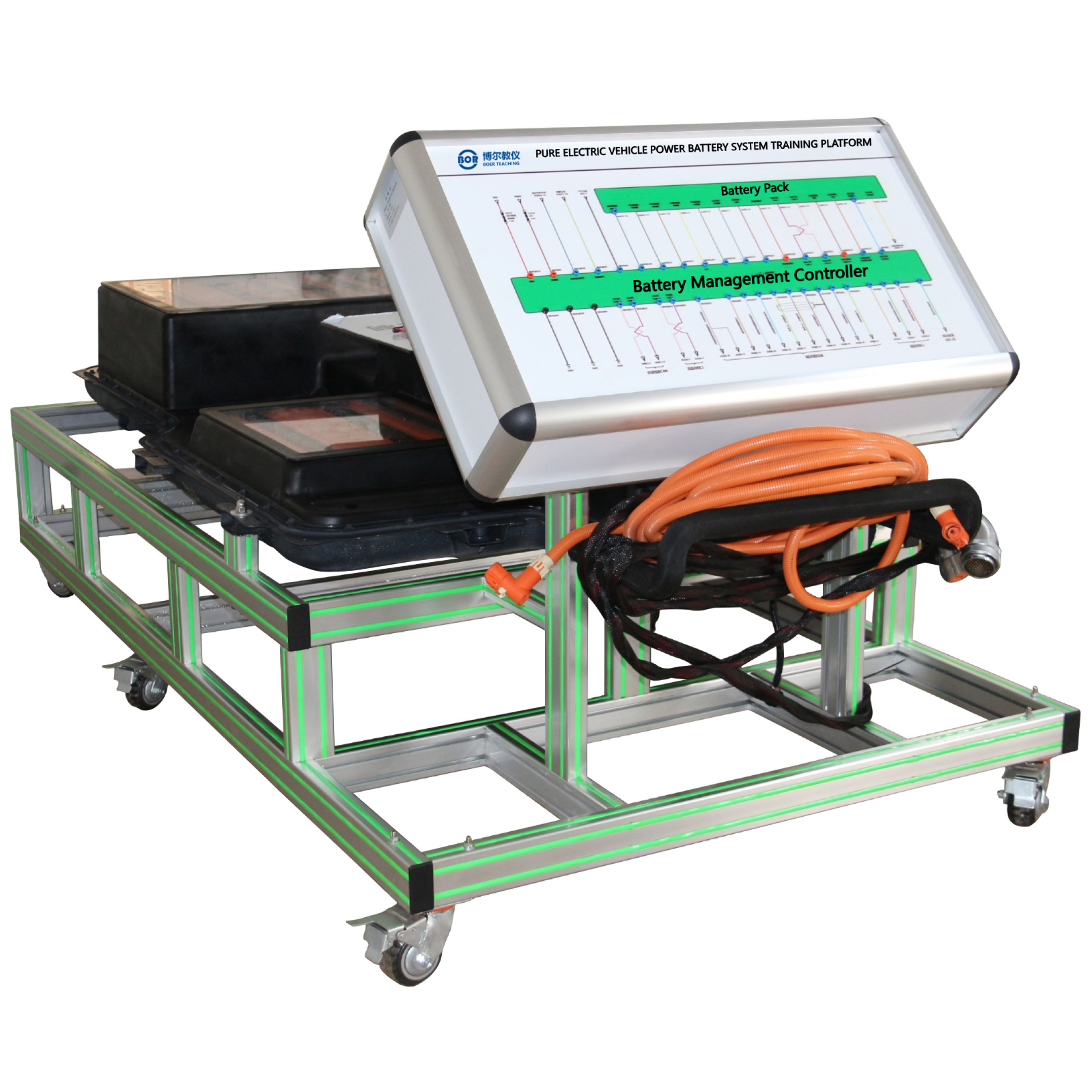
This product utilizes a mainstream battery management system for new energy pure electric vehicles. Using a national standard communication protocol, the BMS collects data such as 24 cell voltages and battery pack temperature in real time. This data is transmitted to a multimedia terminal for a dynamic graphical display via the CAN bus, touchscreen display, and digital software. Fault settings are included, creating a battery management system fully compatible with pure electric vehicles, cultivating students' ability to analyze and troubleshoot faults in new energy electric vehicle battery management systems.
It utilizes lithium iron phosphate batteries, with a nominal cell voltage of 3.2V and a capacity of 20Ah. Four cells are connected in series, resulting in a rated battery pack voltage of 76.8V.
This product utilizes a national standard communication protocol and adopts a group management mode. It collects data such as 24 cell voltages and battery pack temperature in real time. This data is transmitted to a 15.6-inch multimedia terminal for a dynamic graphical display via the CAN bus, touchscreen display, and digital software.
Equipped with a national standard AC charging port, it can be used with the AC charging system intelligent training platform for interconnection and charging.
It features four parallel test stations, with expansion capabilities, allowing simultaneous measurement of power battery pack and individual cell voltage signals.
Through the multimedia interface, faults such as overcharge, over-discharge, undervoltage, and test line break can be set for individual cells in the power battery pack. Power supply and signal faults can also be set for temperature sensors, as well as power supply and control faults for the high-voltage DC contactor.
The built-in on-board charger utilizes microcomputer measurement and control technology. The embedded CPU accurately monitors various battery pack conditions. Intelligent multi-band constant current and constant voltage charging modes prevent overvoltage and undervoltage in the battery pack, effectively protecting the battery and extending its lifespan.
Non-virtual fault settings are used for individual cell faults, the BMS (battery management system), and the AC charging system.

A: The system utilizes lithium iron phosphate batteries. Each cell has a nominal voltage of 3.2V and a capacity of 20Ah. Four cells are connected in series, resulting in a rated battery pack voltage of 76.8V.
A: The battery management system collects data such as 24 individual cell voltages and overall battery pack temperature in real time. This data is transmitted via the CAN bus to a 15.6-inch touchscreen multimedia terminal for dynamic graphical display.
A: Through the multimedia interface, users can set faults such as overcharge, over-discharge, undervoltage, and test line breaks for individual battery cells. Additionally, power supply and signal faults for temperature sensors, as well as power supply and control faults for the high-voltage DC contactor, can be set.
A: Yes. It is equipped with a national standard AC charging port, allowing it to interconnect with the AC charging system intelligent training platform for physical charging operation and learning.
A: The integrated charger uses microcomputer control and an embedded CPU to monitor battery pack conditions. It employs intelligent multi-band constant current and constant voltage charging modes to prevent overvoltage and undervoltage, protecting the battery structure and extending its service life.
A: The platform utilizes non-virtual (physical/real) fault settings for individual cell faults, the battery management system (BMS), and the AC charging system, providing students with authentic troubleshooting practice.