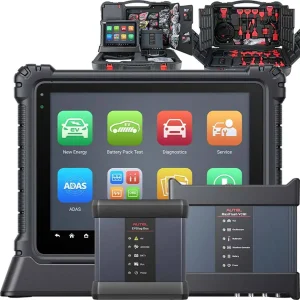
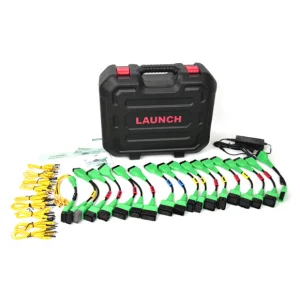
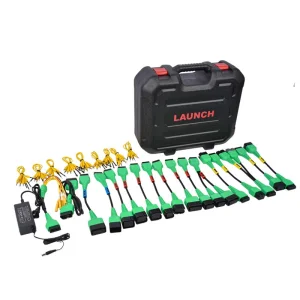
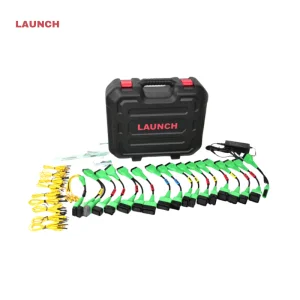
Enterprise-grade equipment for cell capacity balancing, fault simulation, and high-voltage battery diagnostic operations.
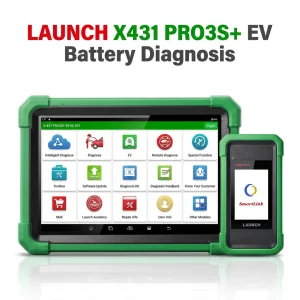
The city of Chicago serves as a central hub for transportation, heavy logistics, and regional distribution across the United States. Key freight corridors such as Interstate 80, 90, and 94 intersect here, connecting coastal ports to the heart of the Midwest. Due to this strategic geographic positioning, Chicago has become a primary location for the transition to commercial electric vehicles (EVs). Fleet operators, municipal transit agencies like the Chicago Transit Authority (CTA), and regional distribution networks are investing heavily in commercial medium- and heavy-duty electric trucks. This deployment requires a robust charging and maintenance infrastructure capable of managing grid demands and keeping heavy assets operational.
However, operating large electric vehicle fleets in the Chicago metro area presents unique challenges. This is where advanced battery diagnostics become critical. Diagnostic systems serve as the foundation of preventative maintenance, allowing operations managers to monitor the State of Health (SoH) and safety profiles of multi-megawatt battery assets. Without precise diagnostic capability, battery degradation can lead to unplanned downtime and high replacement costs, impacting fleet operational margins.
“Integrating high-precision EV battery diagnostics into fleet management workflows is no longer optional; it is the core mechanism that secures uptime and protects asset values under extreme environmental stress.”
Chicago's severe winter conditions present operational hurdles for lithium-ion battery chemistry. Sub-zero temperatures increase internal resistance within lithium cells, slow down electrochemical reactions, and restrict lithium-ion diffusion within the anode. Consequently, vehicle range decreases, and charging rates slow down to prevent lithium plating—a major cause of internal short circuits and accelerated degradation.
To mitigate these environmental challenges, battery diagnostic tools must offer deep analysis. Typical OBD2 scanners only read standard Fault Codes (DTCs). Advanced diagnostics, however, communicate directly with the Battery Management System (BMS) to analyze cell voltage deviation, charge-discharge balance, thermal sensor performance, and electrochemical impedance metrics. This allows fleet managers to detect cell mismatching and thermal system failures before they cause operational disruptions.
The global electric vehicle infrastructure market is shifting from simple vehicle maintenance toward specialized battery diagnostic and reconditioning operations. Around the world, safety regulations, warranty compliance, and secondary market valuations drive the adoption of high-voltage testing systems. The European Union's upcoming Battery Passport initiative highlights the importance of battery data transparency, setting a standard that North American operators are beginning to adopt.
Enterprise procurement requirements have also evolved. Large fleet companies, leasing firms, and battery recycling centers now require diagnostic equipment that meets strict benchmarks:
Shenzhen Manata Scanner Co., Ltd. utilizes the strengths of China's advanced electronics and battery manufacturing ecosystems. Based in Shenzhen, our company has direct access to high-quality components, advanced semiconductor fabrication, and skilled engineering resources. This strategic location enables us to accelerate product development, moving from design to final testing in a fraction of the time required by traditional markets.
Our manufacturing philosophy is built on three key areas of value:
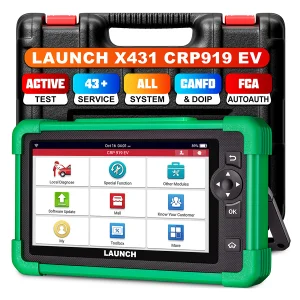
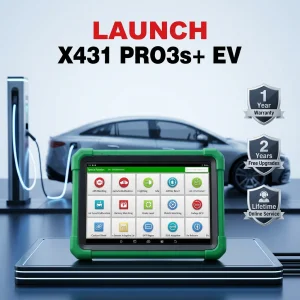
At major intermodal hubs southwest of Chicago, electric drayage trucks undergo high-stress duty cycles. Utilizing tools like the Launch X431 PRO3S+ EV Diagnostic Tool, service technicians can perform comprehensive battery pack health assessments in under 15 minutes. By monitoring individual cell temperatures and voltage behavior during high-load charging cycles, fleet managers can identify weak cells, schedule preventative maintenance, and prevent unexpected breakdowns on the road.
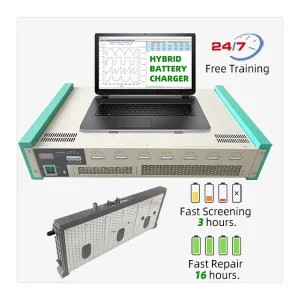
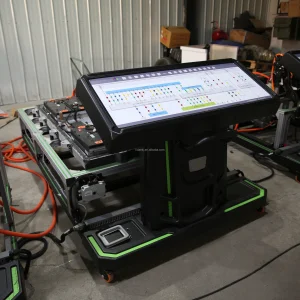
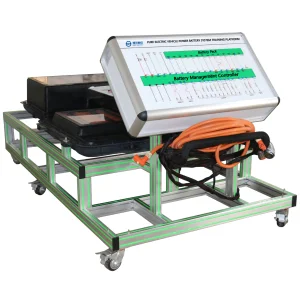
Transit bus operations require high system reliability. Municipal transit depots use the Smart Auto Cell Capacity Charge Discharge Balance System to recondition older battery packs. This system balances state of charge (SoC) profiles across hundreds of cells, restoring lost range and postponing expensive pack replacements. This predictive maintenance approach helps transit agencies optimize their operational budgets.
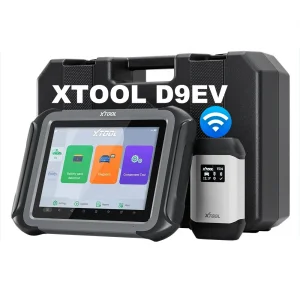
As older electric vehicles reach the end of their operational life, recycling centers in the Midwest use high-voltage diagnostic kits like the Autel MaxiSys Ultra EV to grade batteries for secondary use. Packs are quickly analyzed, categorized by remaining capacity, and sorted for stationary energy storage systems or sent for raw material recovery. This clean energy circular economy relies on accurate diagnostic data to function efficiently.
Whether you manage a transit fleet, run a vehicle repair network, or coordinate a battery recycling facility in the Chicago market, our technical team is ready to assist. Contact us today for customized system configurations and volume quotes.
Send Inquiry NowExplore our full range of OBD2 battery analyzers, dedicated diagnostic systems, and specialized EV diagnostic upgrade kits.
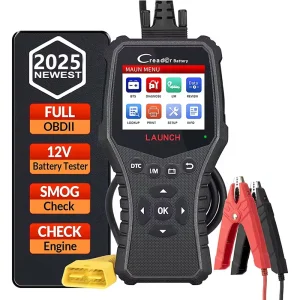
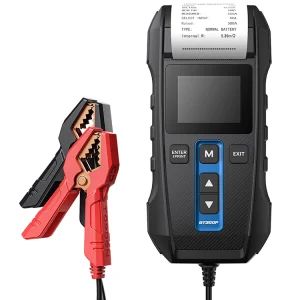
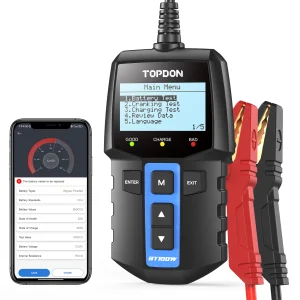
In-depth answers to common questions about battery diagnostics, thermal management, and testing protocols.
Shenzhen Manata Scanner Co., Ltd. delivers intelligent vehicle inspection and high-voltage battery diagnostic solutions to the global aftermarket.
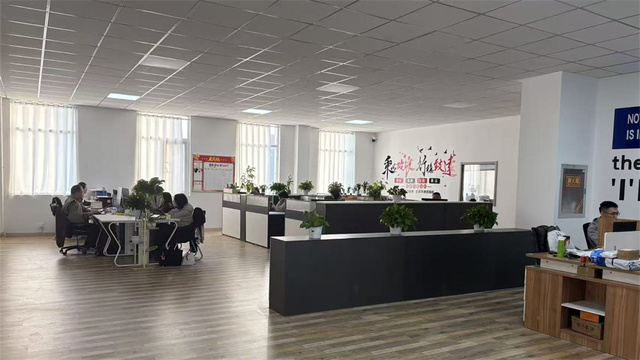
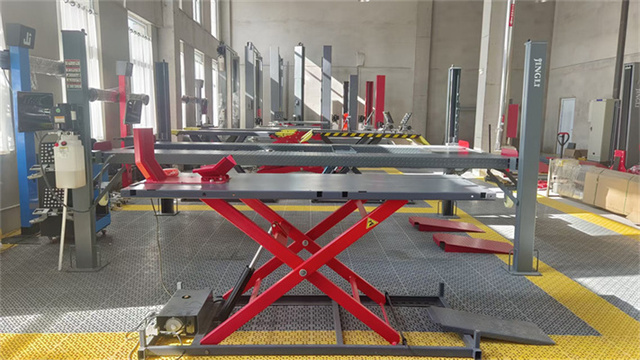
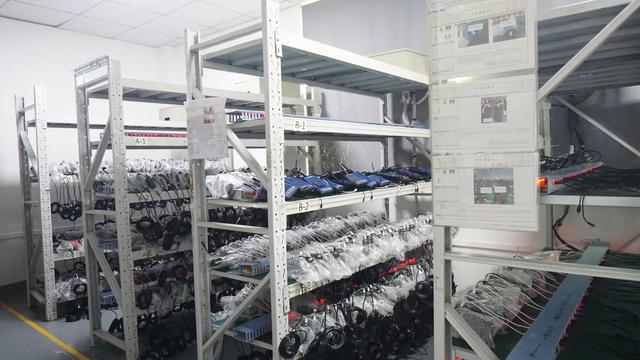
Shenzhen Manata Scanner Co., Ltd. is a leading China automotive diagnostic equipment manufacturer specializing in advanced vehicle inspection systems and ECU diagnostic solutions for the global automotive aftermarket. With a strong commitment to innovation, quality, and intelligent vehicle servicing, Manata Scanner delivers reliable diagnostic technologies designed to improve maintenance efficiency, reduce downtime, and support modern workshop operations.
The company offers a comprehensive portfolio of automotive diagnostic equipment, including vehicle inspection systems, ECU programming and coding tools, automotive scan tools, ADAS calibration equipment, EV battery diagnostic systems, TPMS diagnostic devices, and intelligent fleet diagnostic solutions. These products are widely used by automotive repair workshops, vehicle inspection centers, dealerships, fleet operators, and maintenance service providers worldwide.
Driven by continuous technological innovation, Shenzhen Manata Scanner Co., Ltd. integrates artificial intelligence, cloud connectivity, big data analysis, and advanced electronic testing technologies into its product development process. The company's R&D team focuses on creating intelligent, accurate, and user-friendly diagnostic solutions capable of meeting the evolving requirements of both conventional and new energy vehicles.
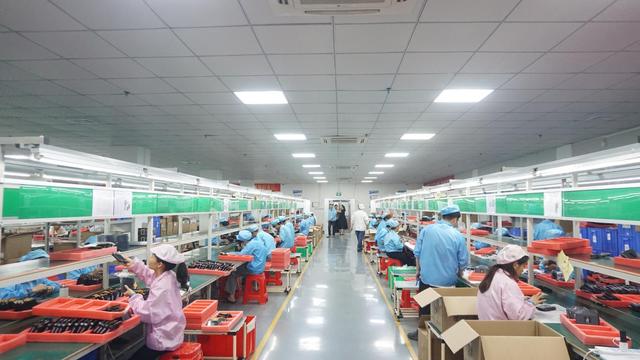
Quality is at the core of Manata Scanner's manufacturing philosophy. The company implements strict quality management procedures throughout design, production, testing, and final inspection to ensure stable performance and long-term reliability. Its products are engineered to comply with international standards and are exported to customers across Europe, North America, South America, Southeast Asia, the Middle East, and other global markets.
Committed to becoming a trusted global partner in automotive diagnostics, Shenzhen Manata Scanner Co., Ltd. continues to provide innovative products, professional technical support, and customized solutions that help customers enhance service capabilities and operational efficiency.
 Manata Scanner