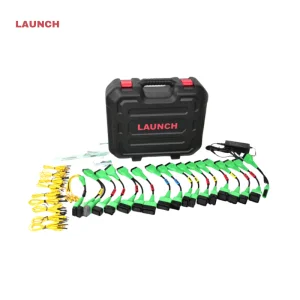
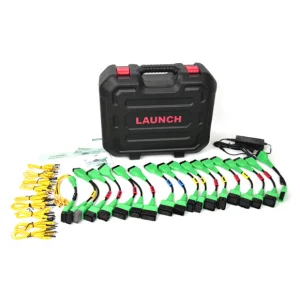
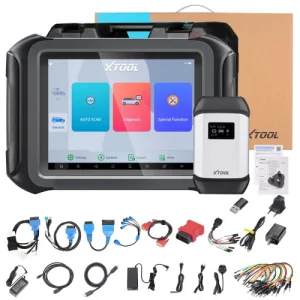
Premium grade diagnostic benches, balancing stations, and fault simulation equipment designed to satisfy Traxio regulations & European HEV-certification standards.
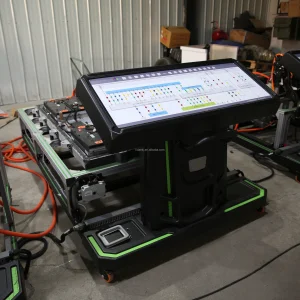
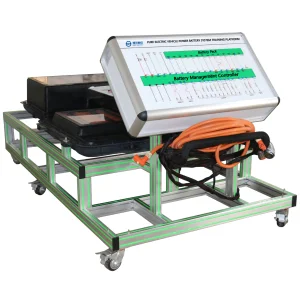
Belgium occupies a central geopolitical and logistical node in Europe, housing critical logistics corridors such as the Port of Antwerp-Bruges and major transit channels across Wallonia and Flanders. Under the weight of the European Green Deal and regional policies like Brussels’ Low Emission Zone (LEZ), Belgium is accelerating the electrification of corporate fleets, heavy haulage trucks, and public transportation networks (e.g., STIB/MIVB, De Lijn, and TEC).
By 2026, Belgium’s corporate car fiscal regime demands all new company vehicles be zero-emission. This rapid deployment requires automotive repair workshops, recovery operations, and fleet logistics centers to possess high-grade diagnostic infrastructure. Ensuring high State of Health (SOH) evaluations and reliable isolation testing is no longer a luxury—it is a regulatory and functional absolute.
Our hardware modules integrate seamlessly with EU charging standardizations, enabling complete safety evaluations across dynamic European climates.
Providing quick on-site roadside testing, routine maintenance, and multi-system scanning capabilities for fleet operators and independent garages in Wallonia and Flanders.
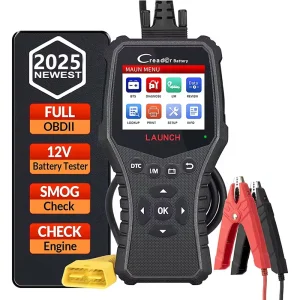
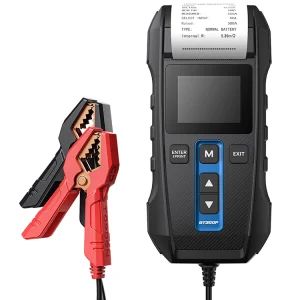
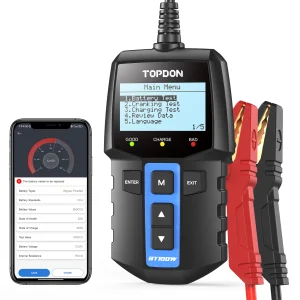
How deep system diagnostics prevents catastrophic failures, models capacity fade, and processes battery status indexes.
EV Battery Health is governed by electrochemical reactions and physical stresses. Over time, factors such as active material dissolution, solid electrolyte interphase (SEI) growth, and lithium plating lead to a decline in pack capacity. Developing robust diagnostic tools involves interpreting data across three critical pillars:
Shenzhen Manata Scanner Co., Ltd. addresses these challenges by supplying tools equipped with high-resolution analog-to-digital converters, allowing automotive experts to retrieve BMS diagnostic error codes, isolate faulty cells, and program replacements with accuracy.
| Diagnostic Layer | Key Parameter | Acceptable Range |
|---|---|---|
| Cell Delta Voltage | Voltage Difference | < 30 mV (Optimal) |
| Chassis Isolation | Resistance Value | > 500 Ω/V |
| BMS Communication | Protocol Matching | CAN-FD / DoIP / UDS |
| SOH Calculation | Capacity Retention | 80% - 100% (Usable) |
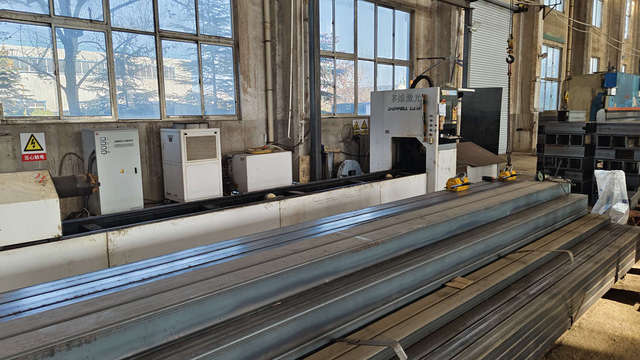
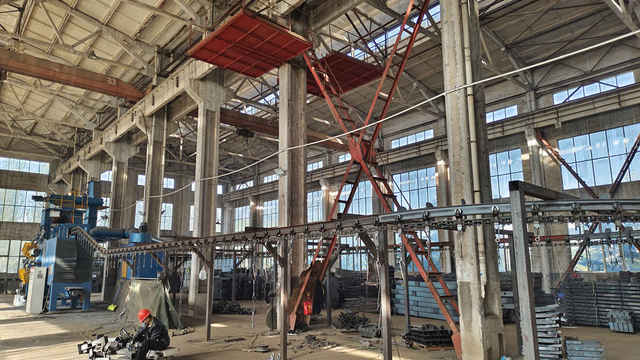
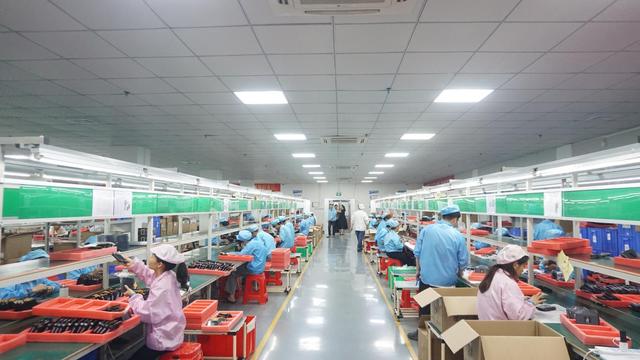
As a prominent manufacturer based in Shenzhen, China, Shenzhen Manata Scanner Co., Ltd. leverages a highly integrated electronics supply chain. By executing design, hardware layout (PCB), software compilation, and system calibration under one centralized quality standard (ISO 9001:2015), we bridge the gap between innovation and pricing competitiveness.
Our deep manufacturing capabilities allow us to output diagnostics units that match or exceed European domestic brands, offering comprehensive protocol decoding capabilities for contemporary EV lines (Tesla, BYD, Volkswagen, BMW, Peugeot, and industrial commercial vehicles).
Book a Virtual Factory Tour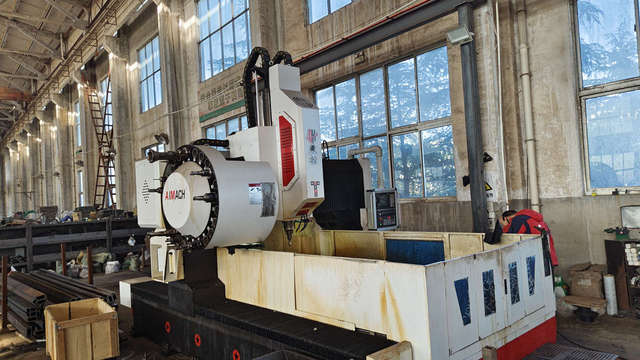
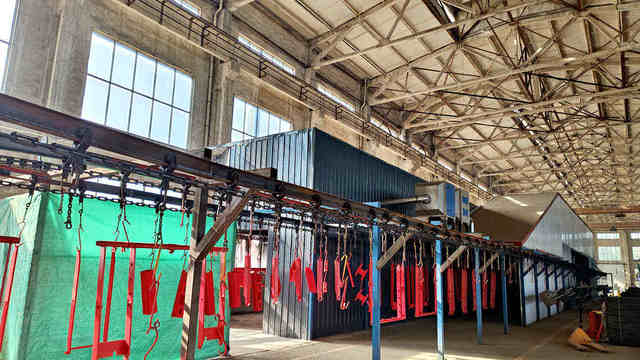
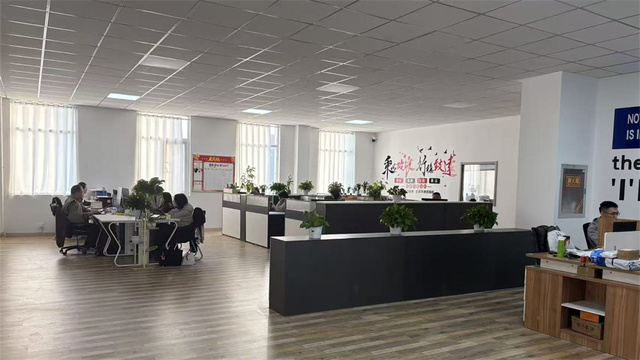
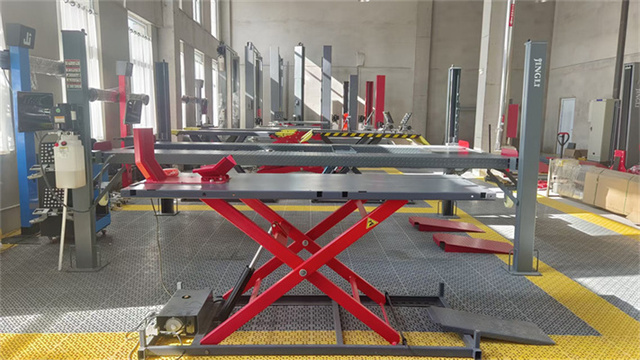
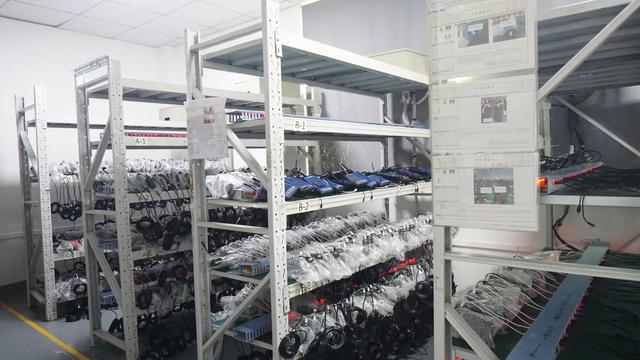
Our EV diagnostic platforms resolve complex issues for stakeholders throughout the Belgian new energy value chain.
Commercial transport fleets operating electric haulers near the Port of Antwerp-Bruges utilize our high-voltage simulators and diagnostic terminals to minimize downtime during scheduled state-of-health diagnostics.
Technical institutes in Ghent, Antwerp, and Hasselt deploy our BMS Diagnostic Trainers and fault simulation boards to educate future technicians under strict domestic high-voltage certifications (HEV1, HEV2).
Recycling operators and battery repurposing firms in Liege use our high-accuracy charge-discharge balance devices to classify returned automotive battery packs for second-life residential energy storage systems.
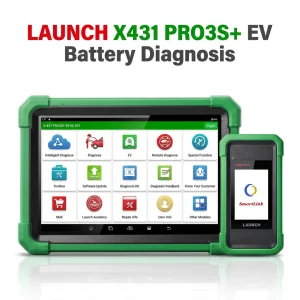
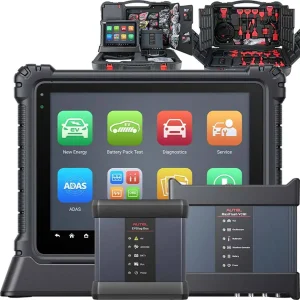
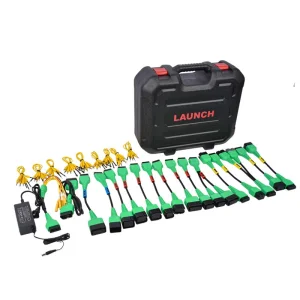
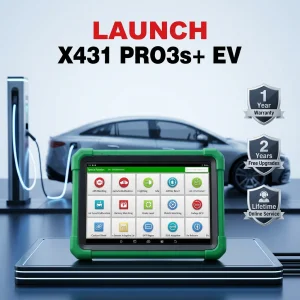
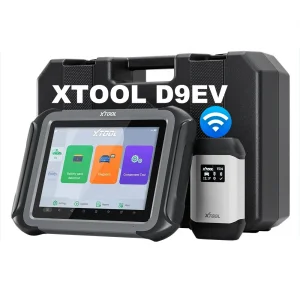
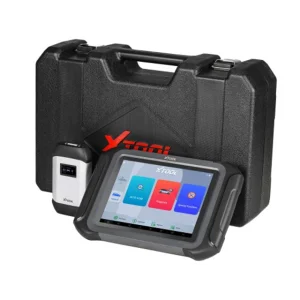
Comprehensive OBD2 solutions, high-level ECU programming platforms, and specialized EV diagkits engineered for workshops demanding the highest level of automotive repair accuracy.
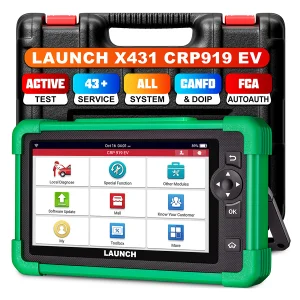
Supporting corporate procurement workflows with reliable validation documentation and responsive service agreements.
For procurement officers in European enterprises, selecting diagnostic hardware suppliers is heavily gated by security and environmental certifications. Shenzhen Manata Scanner Co., Ltd. maintains robust testing parameters to ensure smooth market entry:
We provide localized branding options, custom interface configurations (including Dutch, French, and German for the Belgian user base), and dedicated server clusters within Europe. This ensures fast connection times for cloud-based telemetry evaluations, data parsing, and diagnostic reports generation.
Addressing common technical inquiries from European automotive engineers and purchasing managers.
Our diagnostic platforms read data directly from the vehicle’s Battery Management System (BMS) using protocols such as UDS over CAN and DoIP. By combining internal resistance calculations, historical cycle counts, and capacity calculations during charging or balancing phases, our software estimates SOH with a high level of accuracy relative to factory standards.
Yes. Working on high-voltage battery systems in Belgium requires adherence to strict safety standards (including HEV1 and HEV2 guidelines). Our systems include isolation detection modules that verify the system’s electrical isolation resistance before high-voltage operations begin, reducing risk for technicians.
Our high-end platforms (such as the Launch X431 and XTOOL lines) support diagnostic protocols including standard OBD-II, CAN, CAN-FD, DoIP, and UDS. This enables comprehensive ECU coding, parameter adjustments, and battery pack evaluations across European, American, and Asian EV brands.
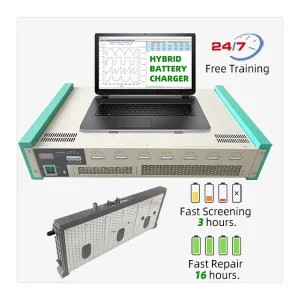
Our reconditioning and balancing systems feature independent channel thermal monitoring, overvoltage protection, undervoltage cutoff limits, and polarity reversal protection. These features prevent overheating during cell charging and discharging cycles, ensuring stable and reliable balancing.
Absolutely. By performing controlled charge and discharge cycles, our systems evaluate the capacity retention of used modules, allowing recycling centers and second-life integrators to grade and group cells for static energy storage systems.
 Manata Scanner