Advanced diagnostic platforms deployed globally and calibrated for rapid local implementation in the HCMC manufacturing corridor.
Understanding environmental compliance dynamics, regional logistics, and international manufacturer benchmarks for Vietnam's key economic zone.
As Vietnam targets net-zero carbon emissions by 2050 under updated Environmental Protection Laws, Ho Chi Minh City faces stringent policy enforcement. Key industrial zones like the Tan Thuan Export Processing Zone, Hiep Phuoc Industrial Park, and Saigon Hi-Tech Park are transitioning to rigorous air pollution and volatile organic compound (VOC) limitations.
This transition has driven massive demand for continuous emissions monitoring systems (CEMS), advanced optical emission spectrometers, and robust automotive exhaust screening devices that meet local regulations (Decree No. 08/2022/ND-CP) and international test standards.
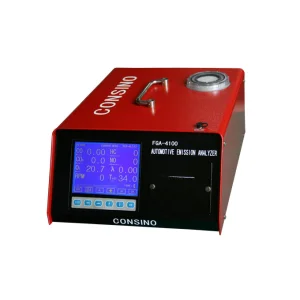
Vietnam has transitioned towards Euro 5 equivalent tailpipe regulations. Public transit networks, freight operators in Cat Lai Port, and the Vietnam Register (Đăng kiểm) demand highly accurate vehicle exhaust analyzers capable of measuring HC, CO, CO2, O2, and NOx simultaneously.
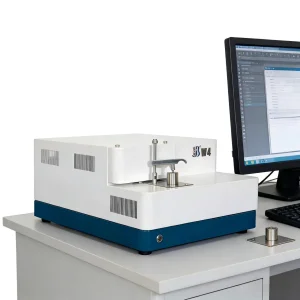
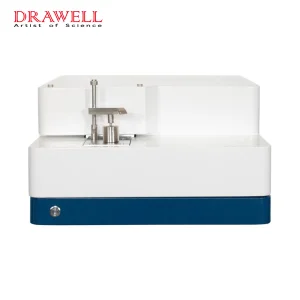
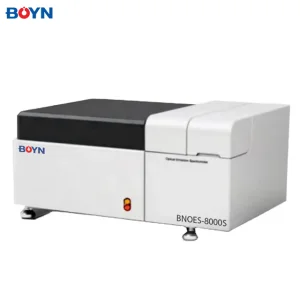
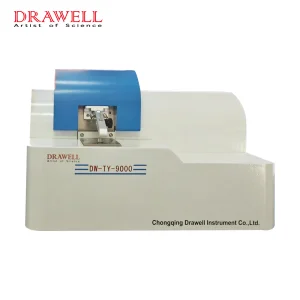
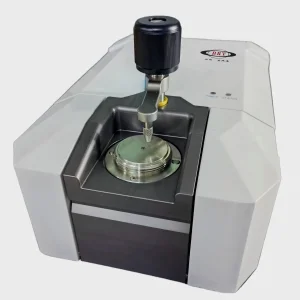
The manufacturing infrastructure of Southern Vietnam relies on direct-reading optical emission spectrometers (OES) and ICP-AES units. These tools ensure the chemical profile of metallic raw materials complies with international metallurgy codes for exports to markets like the USA and the European Union.
Why international EPC contracting firms and domestic Vietnamese laboratories procure technical test units directly from certified manufacturers in southern China.
Southern Chinese manufacturing centers benefit from fully integrated supply chains that source high-grade optical sensors, vacuum cells, and high-frequency spark generators within close proximity. This reduces production lead times by up to 40% compared to Western competitors.
State-of-the-art export factories utilize automated optical calibration rooms certified under ISO/IEC 17025. Every gas analyzer, emission chamber, and spectrometer undergoes multi-point testing with reference standards traceably linked to international meteorological labs.
Shipping lanes from Shenzhen, Guangzhou, or Ningbo ports to Ho Chi Minh City's Cat Lai Port or Tan Son Nhat Airport are well-established. Routine transport takes under 7 days, significantly reducing customs clearance friction and inventory holding costs.
Deploying specialized testing setups across critical production, logistics, and automotive nodes.
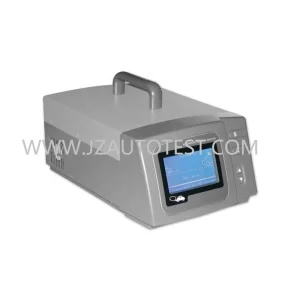
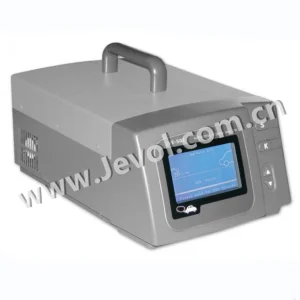
With massive container traffic circulating through the HCMC-Dong Nai-Binh Duong logistics triangle, exhaust screening stations use 5-in-1 gas analyzers to check heavy-duty diesel and petrol vehicles, mitigating toxic urban particulate and gas pollution.
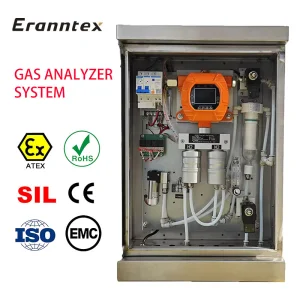
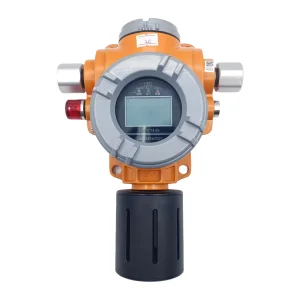
Electronics packaging facilities and thermal processing plants use online VOC and CO/NOx gas analyzers. Direct integration with digital SCADA systems allows compliance teams to stream real-time emission data to HCMC's Department of Natural Resources and Environment (DONRE).
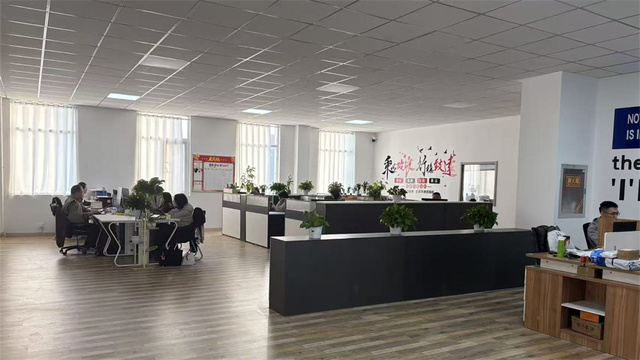
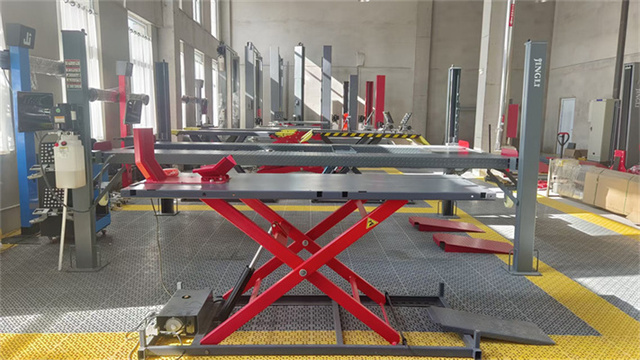
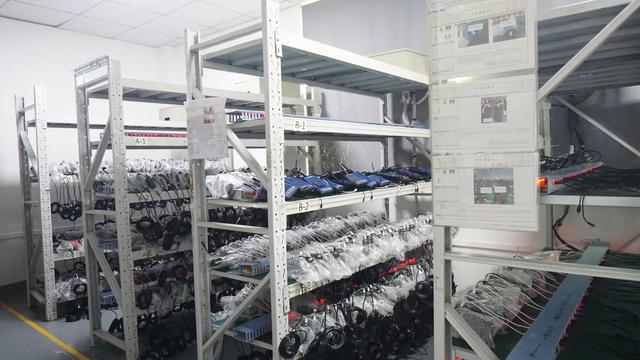
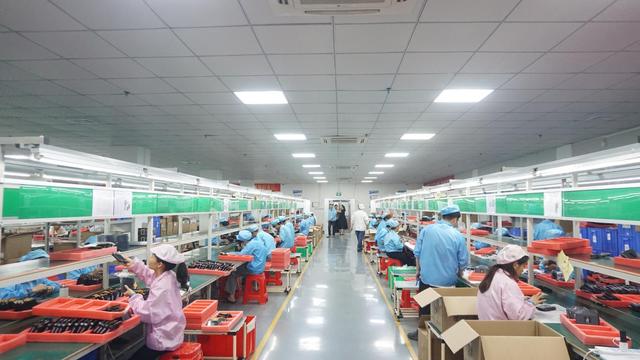
Shenzhen Manata Scanner Co., Ltd. is a leading China automotive diagnostic equipment manufacturer specializing in advanced vehicle inspection systems and ECU diagnostic solutions for the global automotive aftermarket. With a strong commitment to innovation, quality, and intelligent vehicle servicing, Manata Scanner delivers reliable diagnostic technologies designed to improve maintenance efficiency, reduce downtime, and support modern workshop operations.
The company offers a comprehensive portfolio of automotive diagnostic equipment, including vehicle inspection systems, ECU programming and coding tools, automotive scan tools, ADAS calibration equipment, EV battery diagnostic systems, TPMS diagnostic devices, and intelligent fleet diagnostic solutions. These products are widely used by automotive repair workshops, vehicle inspection centers, dealerships, fleet operators, and maintenance service providers worldwide.
Driven by continuous technological innovation, Shenzhen Manata Scanner Co., Ltd. integrates artificial intelligence, cloud connectivity, big data analysis, and advanced electronic testing technologies into its product development process. The company's R&D team focuses on creating intelligent, accurate, and user-friendly diagnostic solutions capable of meeting the evolving requirements of both conventional and new energy vehicles.
Quality is at the core of Manata Scanner's manufacturing philosophy. The company implements strict quality management procedures throughout design, production, testing, and final inspection to ensure stable performance and long-term reliability. Its products are engineered to comply with international standards and are exported to customers across Europe, North America, South America, Southeast Asia, the Middle East, and other global markets.
Committed to becoming a trusted global partner in automotive diagnostics, Shenzhen Manata Scanner Co., Ltd. continues to provide innovative products, professional technical support, and customized solutions that help customers enhance service capabilities and operational efficiency.
Critical answers for sourcing engineers, laboratory directors, and compliance managers in Vietnam and global markets.
For regulatory compliance in high-traffic regions like Ho Chi Minh City, automotive gas analyzers measuring HC, CO, CO2, O2, and NO require daily zero calibration (ambient clean air) and span gas calibration every six months. Using high-purity calibration gases with certified NIST traceability ensures measurement deviations remain within standard limits, preventing false failures during official vehicle testing inspections.
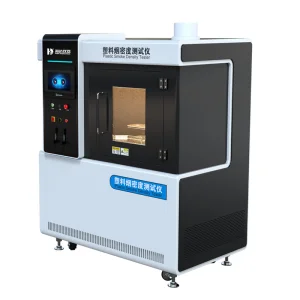
ASTM E662 outlines the standard test method for measuring the specific optical density of smoke generated by solid materials under radiant heat or open flame conditions. This is critical for evaluating materials used in public transport, aerospace, and construction sectors. Choosing equipment built by specialized factories guarantees precise furnace temperature settings and reliable thermopile heat flux sensor performance, ensuring clean compliance audits.
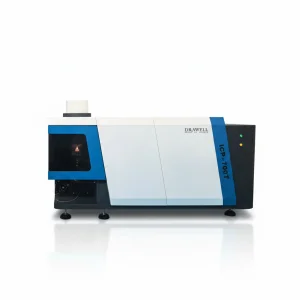
Spark-OES (Optical Emission Spectrometry) is a direct, solid-sample technique optimized for rapid, high-throughput metal analysis. It is highly valued in foundries, metalworking shops, and warehouses due to its fast processing times. ICP-AES (Inductively Coupled Plasma Atomic Emission Spectroscopy) requires sample dissolution in liquid acid, but offers superior detection limits for trace elements down to parts-per-billion (ppb) levels. This makes ICP-AES indispensable for complex environmental, chemical, and advanced material research laboratories.
Industrial spray painting processes release large quantities of volatile organic compounds (VOCs) and flammable solvent vapors. High-quality explosion-proof booths use spark-resistant exhaust fans, explosion-proof LED lighting systems, and multi-stage filtration barriers to keep paint mist levels well below the lower explosive limit (LEL). They also channel exhaust air through active carbon adsorption beds to ensure emissions comply with local environmental standards before discharge.
Procurement professionals should prioritize suppliers offering CE/ISO-certified components, reliable calibration software support, and custom power adapters suited for Vietnam's electrical grid (typically 220V/50Hz). Establishing a solid supply agreement with trusted manufacturers in nearby hubs like Shenzhen or Guangzhou minimizes freight costs and guarantees rapid delivery of replacement parts, sensors, and calibration accessories.
Explore our complete catalog of industrial emission testers, metallurgical spectrometers, and workshop analyzers.

Contact our technical engineering team today to configure emission testing setups that strictly align with your local environmental mandates.
Send Inquiry Now Manata Scanner