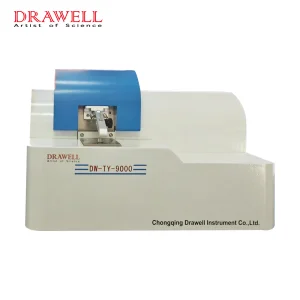
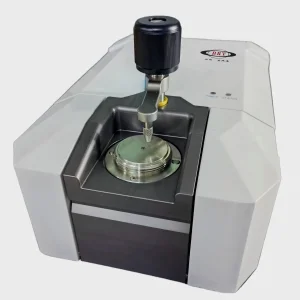
Manata Scanner
1 / 1
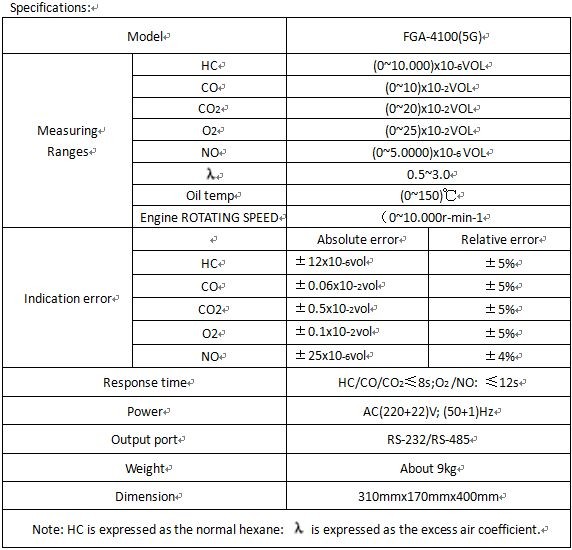
| Parameter | Measuring Range |
|---|---|
| HC | (0 ~ 10,000) x 10-6 VOL |
| CO | (0 ~ 10) x 10-2 VOL |
| CO2 | (0 ~ 20) x 10-2 VOL |
| O2 | (0 ~ 25) x 10-2 VOL |
| NO | (0 ~ 5,000) x 10-6 VOL |
| Oil Temp | (0 ~ 150) °C |
| Engine Rotating Speed | (0 ~ 10,000) r·min-1 |
| Dimensions | 310 mm x 170 mm x 400 mm |
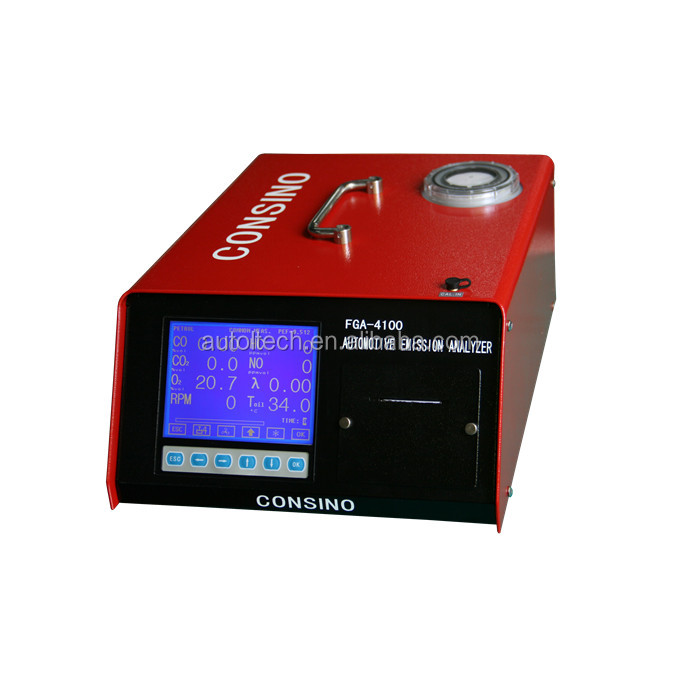
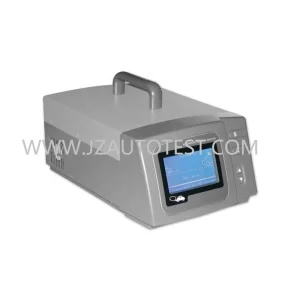
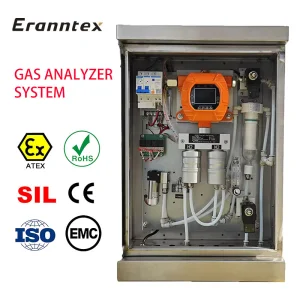
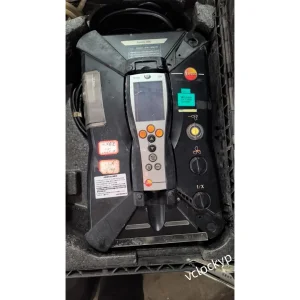
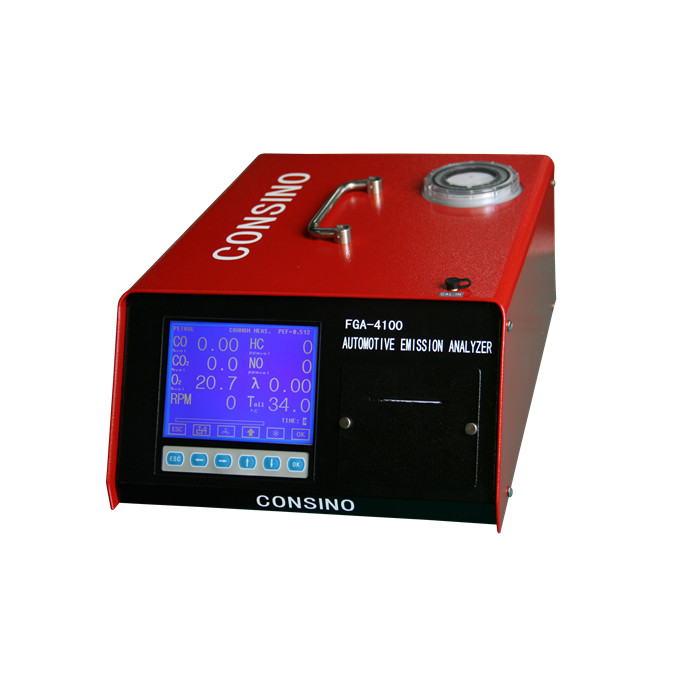
The FGA-4100 measures HC, CO, and CO2 using the Non-Dispersive Infrared (NDIR) method, and O2 and NO via electrochemical sensors with integrated pressure and temperature compensation.
Yes, the device fully conforms to international metrological standards, specifically OIML R99 and ISO3930 Class I. It satisfies the measurement requirements for dual idle speed and average values under current emission regulations.
Due to its high stability and automatic zeroing function, the FGA-4100 does not require frequent calibration with standard calibration gas, making it highly convenient for daily operations.
The engine rotating speed can be measured quickly and easily by connecting the sensor via the vehicle's cigarette lighter or directly to the battery.
Yes, the system is designed to support an optional external printer, enabling on-site printouts of the measured exhaust gas data.