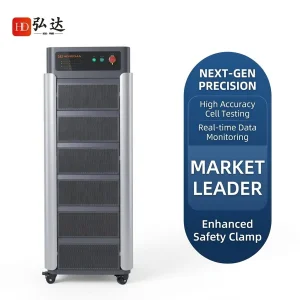
High-precision testing systems calibrated to deliver structural diagnostic accuracy and thermal evaluation across multi-chemistry cells.
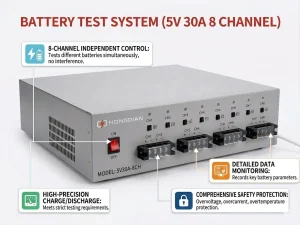
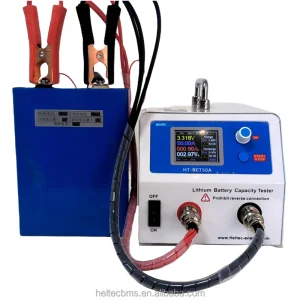
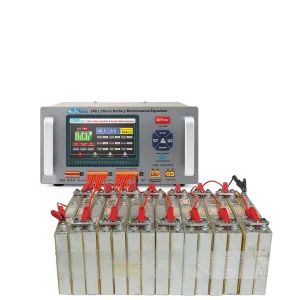
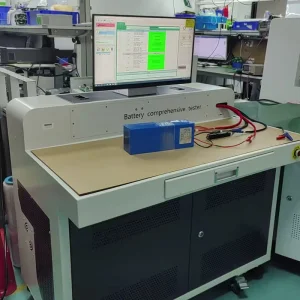
The Moscow metropolitan area and its surrounding industrial zones have emerged as critical hubs for the electrification of public municipal transit networks, heavy manufacturing backup systems, and localized defense and logistics infrastructure. Driven by organizations such as Mosgortrans—which operates one of the largest electric bus fleets in Europe—and major regional logistics networks, the demand for highly reliable testing equipment has grown exponentially.
A key operational variable in the Moscow region is the severe sub-zero winter temperatures, which often drop below -20°C. Batteries operating under these harsh conditions experience accelerated chemical degradation, increased internal impedance, and structural vulnerability. This necessitates advanced battery testing solutions capable of verifying electrochemical performance, state-of-health (SoH), and high-rate discharge reliability under extreme thermal stresses.
Suppliers and exporters catering to this market must deliver systems configured with robust environmental chamber control interfaces, high-rate charge-discharge accuracy (typically within ±0.05% FS), and heavy-duty structural safety certifications. Integrating localized validation protocols, dynamic cell balancing, and high-voltage safety interlocks is not just an advantage—it is a functional necessity for the regional power sector.
Engineered for diagnostic laboratories, maintenance depots, and battery rebuilding lines servicing the Russian industrial sector.
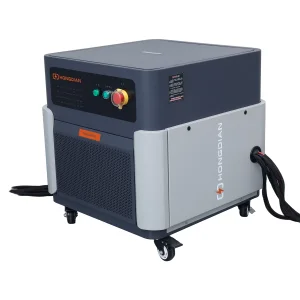
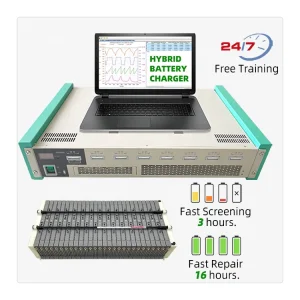
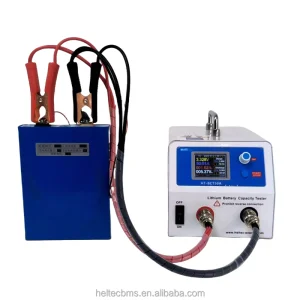
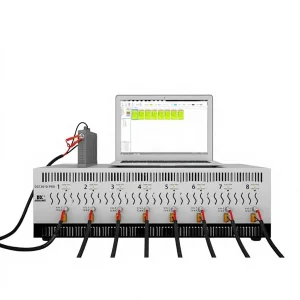
How enterprise buyers mitigate operational risks when procuring high-rate testers and cycle-life test cabinets.
Modern LFP and NMC chemistries demand extremely flat voltage discharge curves. Industrial buyers prioritize systems with ≤0.05% full-scale reading tolerances to accurately capture incremental changes in battery capacity and internal resistance.
High-rate cycling carries inherent safety risks. Testers must incorporate multiple safety triggers, including over-voltage, low-voltage, thermal sensing clamps, and physical separation layers to prevent fire hazards during continuous operations.
For smart manufacturing facilities in Moscow, battery testers must export data via standard interfaces such as MODBUS or CAN-bus, allowing local operators to aggregate cycle performance data directly into central MES control centers.
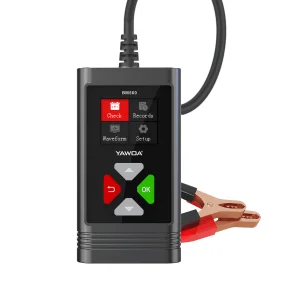
Shenzhen Manata Scanner Co., Ltd. addresses these complex industrial demands by aligning advanced automotive diagnostics with direct battery pack validation. Integrating vehicle ECU communication with battery pack performance checks is vital for workshop efficiency. Diagnostic systems are built to analyze the State-of-Health (SoH) of both conventional and new energy vehicles (EVs).
By using cloud-linked diagnostic modules, workshop owners and fleet administrators can check battery pack degradation markers and log individual cell voltages simultaneously. This unified testing method helps repair centers, EV retrofitting operations, and battery distributors in Moscow minimize downtime while ensuring high precision across the entire testing cycle.
Analyzing trends in cell validation: solid-state diagnostics, high-rate regenerative grids, and automated balance algorithms.
As the battery industry shifts toward solid-state designs and high-capacity chemistries (such as high-nickel NMC and silicon-anode cells), testing systems must evolve. Standard DC load testing is no longer sufficient. The next generation of industrial-grade testing equipment is designed to implement Electrochemical Impedance Spectroscopy (EIS) directly inside high-rate testing cabinets, allowing operators to diagnose internal resistance profiles in real-time without removing cells.
Another major trend is Energy Regeneration. During long discharge tests, standard equipment converts energy into waste heat. Our updated engineering designs feed this energy back into the local grid, reducing electrical consumption by up to 85% during multi-day testing cycles. For Moscow's high-density municipal grids, this technology lowers operating costs and reduces thermal loads in research laboratories.
Shenzhen Manata Scanner Co., Ltd. delivers high-quality manufacturing standards and direct logistical integration to the Moscow region.
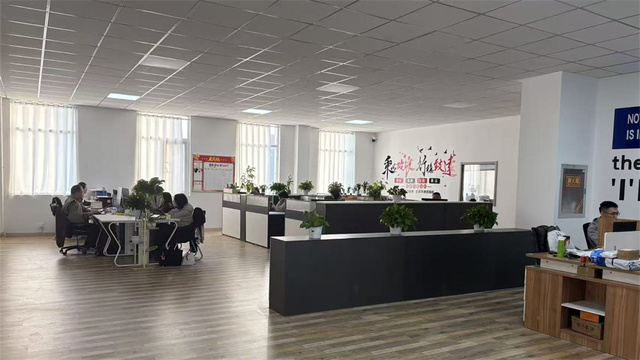
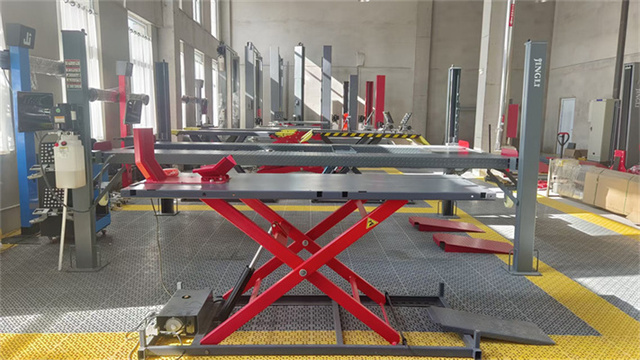
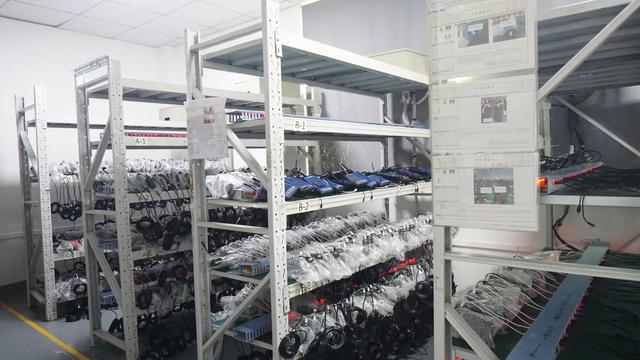
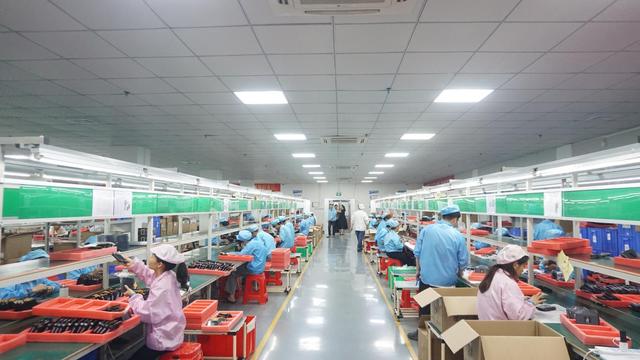
Shenzhen Manata Scanner Co., Ltd. is a leading automotive diagnostic equipment manufacturer specializing in vehicle inspection systems, ECU diagnostic solutions, and advanced EV battery diagnostics for the global automotive aftermarket. Our advanced development processes combine artificial intelligence, cloud interfaces, big data processing, and precise electrical measurements to support both traditional combustion engines and new energy vehicle platforms.
Understanding regional compliance requirements is critical for smooth imports and commissioning. Our systems are engineered to align with regional safety declarations and electromagnetic compatibility (EMC) regulations, including TR CU 020/2011 and TR CU 004/2011. Furthermore, we leverage established logistics networks, including warehouse distribution hubs in Central Europe and direct cross-border cargo lines, to ensure reliable delivery schedules, customs clearance support, and prompt spare parts supply.
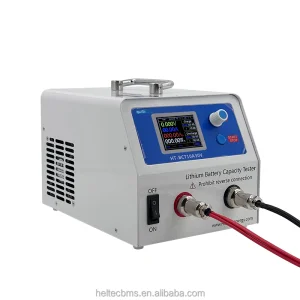
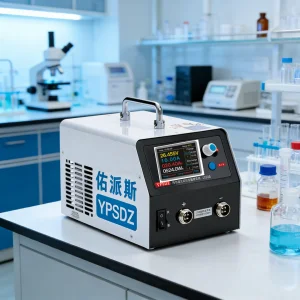
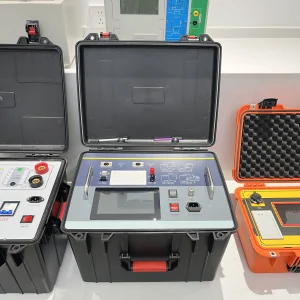
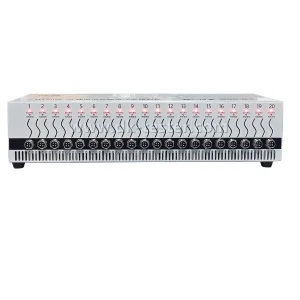
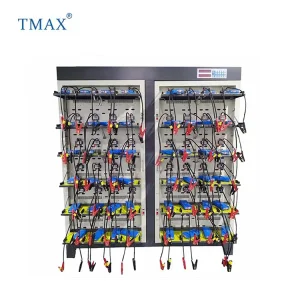
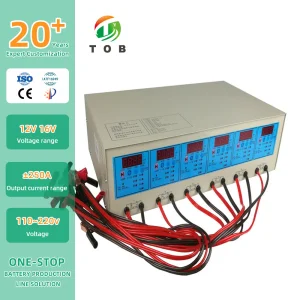
From modular battery pack analyzers to heavy dielectric loss testers, configure your facility with industry-proven solutions.
Common inquiries from plant managers, laboratory directors, and procurement specialists.
Electrolyte viscosity increases at low temperatures, which raises internal resistance (IR) and distorts voltage readings. Testing systems must use high-frequency diagnostic circuits alongside temperature sensing clamps to accurately measure active capacity under thermal stress.
Over multiple cycles, small variations in cell manufacturing lead to voltage imbalances within a series string. Active balancing machines redistribute energy or safely discharge high-voltage cells to prevent single cells from overcharging, maximizing the pack's overall capacity and safety.
Our equipment features redundant safety safeguards, including independent hardware voltage checks, real-time thermal monitoring, flame-retardant enclosures, and automatic safety shutdowns if parameters exceed preset limits.
Yes. Most of our systems support industrial communication standards like RS485, CAN, and Ethernet. They output data in standardized formats, allowing seamless integration with localized MES and laboratory database architectures.
 Manata Scanner