 Manata Scanner
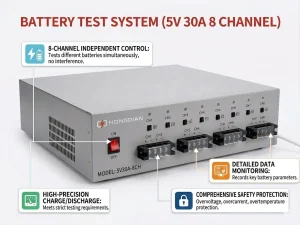
Deploying specialized calibration, repair, and cycle-testing hardware built to withstand rigorous industrial protocols in Serbia and Europe.
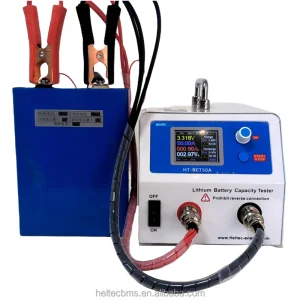
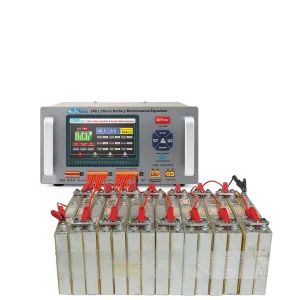
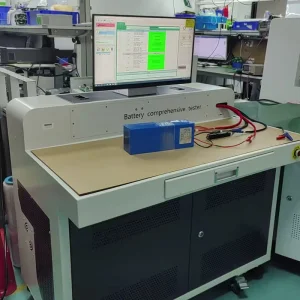
An in-depth analysis of localization, supply chains, and battery testing standards within the Balkan corridor.
Serbia is rapidly transforming into a major node in Europe's green energy transition. Driven by one of the continent's largest natural lithium deposits and positioned at the geographical gates of the EU, the country is drawing massive investments in clean mobility, battery manufacturing, and industrial assembly facilities. Tech-corridors spanning Belgrade, Novi Sad, and Niš are attracting electric vehicle (EV) component supply chains, logistics systems, and raw-material processing initiatives.
This industrial expansion demands reliable, continuous-duty testing infrastructure. Without precise quality control at the manufacturing, pack integration, and end-of-line (EOL) validation stages, local facilities risk falling behind the EU’s strict regulatory landscape. Our high-precision testing hardware is engineered to align with European battery safety directives, enabling Serbian engineers to perform cycle life tracking, state-of-health (SoH) diagnostics, and thermal safety inspections in compliance with regional standards.
The global battery industry is undergoing a generational shift. The transition from legacy chemistries to high-nickel ternary lithium, lithium iron phosphate (LiFePO4), sodium-ion, and solid-state configurations requires highly adaptive and programmable test profiles. Modern testing systems must support key advancements across multiple fronts:
To reduce charging times, modern automotive platforms are shifting to high-voltage layouts. Testing equipment must operate under high-power parameters with robust galvanic isolation. Fast-switching transient response times are essential to mimic real-world driving conditions, protecting test components and personnel from electrical stress.
As the first generation of EVs retires, grading systems must determine which cells are fit for static energy storage systems (BESS). Automated charge-discharge profiling, internal resistance (ACIR/DCIR) analysis, and capacity grading are the baseline requirements for certifying second-life battery viability.
Modern production facilities require automated testing protocols that interface directly with MES (Manufacturing Execution Systems). Real-time data streaming allows production managers to trace defects back to chemical coating steps, minimizing waste and optimizing output.
To stay competitive in the global market, our technological roadmap integrates advanced diagnostic methods into every stage of the battery lifecycle:
Moving beyond simple DC resistance tests, on-board and laboratory-scale EIS analyzes the electrochemical behavior of the cell at various frequencies. This identifies issues like lithium plating, electrolyte dry-out, and mechanical degradation before they lead to thermal runaway.
Our latest test systems route high-frequency diagnostic data directly to cloud-based diagnostic engines. By comparing real-time telemetry with predictive digital twins, operators can forecast battery lifetime with minimal error margins.
Battery maintenance is no longer passive. Modern balancers actively transfer charge from high-capacity to low-capacity cells during normal cycles, restoring balanced packs, extending operational range, and reducing maintenance overhead for heavy fleets.
Our battery testing solutions are designed to address the specific needs of Serbia's growing industrial and automotive sectors:
Serving transport logistics hubs in Belgrade and Niš by checking and balancing high-voltage electric bus and delivery van battery packs.
Supporting renewable energy integrations (solar and wind installations) across Vojvodina with cell-level capacity verification systems.
Ensuring backup systems for national telecommunications towers remain reliable by running automated capacity and discharge cycles.
Providing state-of-the-art multi-channel research testing options to engineering departments at the University of Belgrade and the University of Novi Sad.
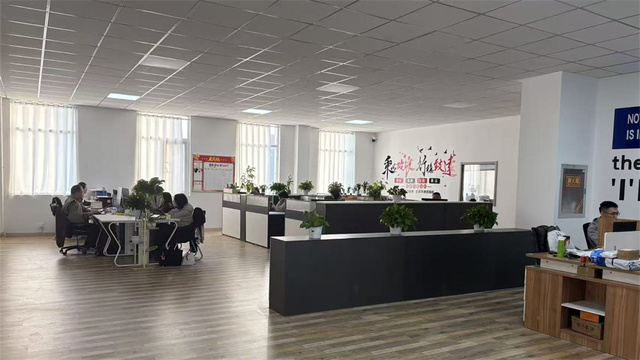
Shenzhen Manata Scanner Co., Ltd. is a leading China automotive diagnostic equipment manufacturer specializing in advanced vehicle inspection systems and ECU diagnostic solutions for the global automotive aftermarket. With a strong commitment to innovation, quality, and intelligent vehicle servicing, Manata Scanner delivers reliable diagnostic technologies designed to improve maintenance efficiency, reduce downtime, and support modern workshop operations.
Driven by continuous technological innovation, Shenzhen Manata Scanner Co., Ltd. integrates artificial intelligence, cloud connectivity, big data analysis, and advanced electronic testing technologies into its product development process. The company's R&D team focuses on creating intelligent, accurate, and user-friendly diagnostic solutions capable of meeting the evolving requirements of both conventional and new energy vehicles.
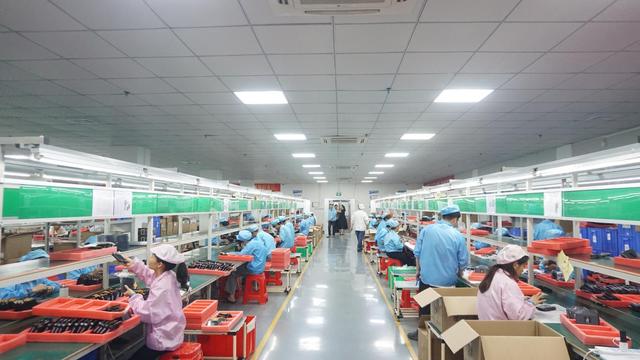
Quality is at the core of Manata Scanner's manufacturing philosophy. The company implements strict quality management procedures throughout design, production, testing, and final inspection to ensure stable performance and long-term reliability. Its products are engineered to comply with international standards and are exported to customers across Europe, North America, South America, Southeast Asia, the Middle East, and other global markets.
Committed to becoming a trusted global partner in automotive diagnostics, Shenzhen Manata Scanner Co., Ltd. continues to provide innovative products, professional technical support, and customized solutions that help customers enhance service capabilities and operational efficiency.
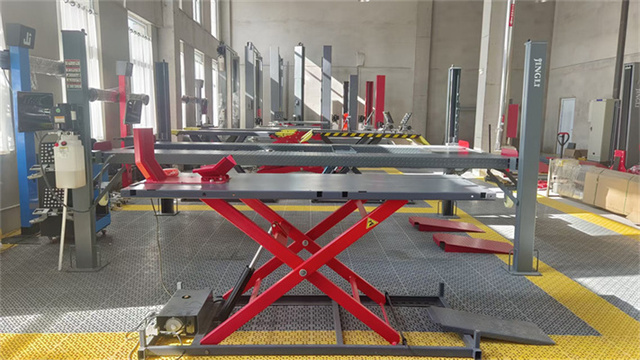
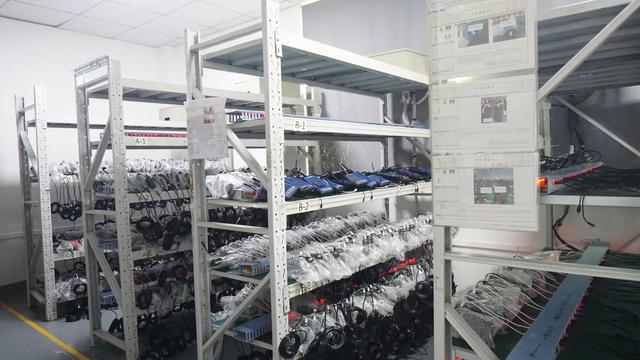
Select from our core catalog of test, repair, and diagnostics units built to meet European safety, CE, and DIN certification guidelines.
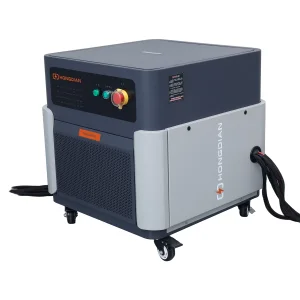
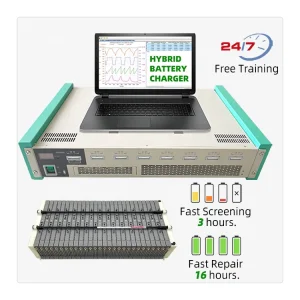
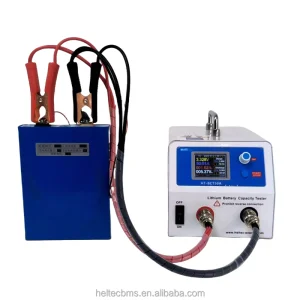
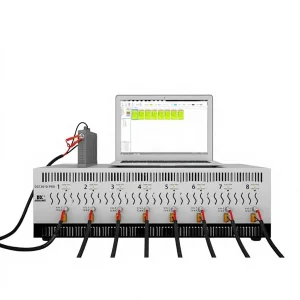
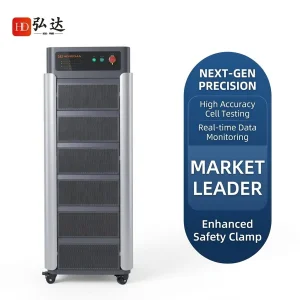
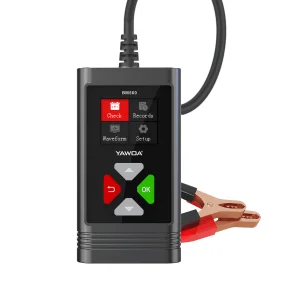
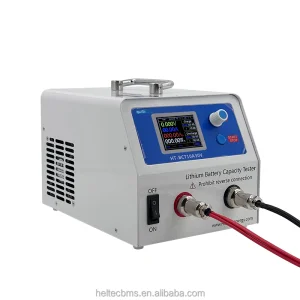
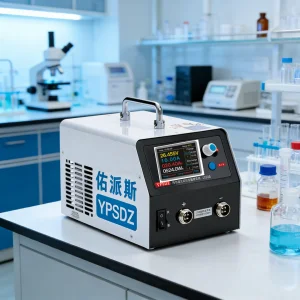
Our solutions cover specialized niches, from high-voltage dielectric loss analysis to high-throughput multi-channel grading lines. We support factory integrations for global facilities, ensuring that custom battery chemistries are verified prior to integration into large-scale systems.
Technical, compliance, and application answers for engineers and battery procurement managers in Serbia.