Empowering Off-Grid Solar Networks, Telecom Infrastructure, and Industrial Grade Energy Storage Systems in East Africa with High-Precision Testing & Diagnosis Systems.
Send Inquiry Now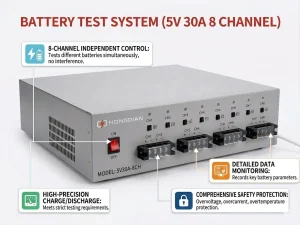
Shenzhen Manata Scanner Co., Ltd. integrates advanced artificial intelligence, cloud diagnostic platforms, and high-precision electronic instrumentation to empower power grids, battery assemblers, and vehicle technicians worldwide, with dedicated support optimized for the extreme conditions of Sudan's industrial environments.
As Sudan scales its agricultural productivity, upgrades municipal microgrids, and supports a resilient telecommunications grid spanning from Khartoum to Port Sudan, battery maintenance has transformed from an operational chore into a critical economic safeguard.
The Sudanese market operates under extreme atmospheric and grid conditions. With daytime temperatures routinely exceeding 40°C in industrial hubs, battery infrastructure faces severe thermal stress. Telecom operators, including giants like Zain, Sudani, and MTN, rely extensively on massive off-grid lead-acid and lithium-iron-phosphate (LiFePO4) storage banks to ensure round-the-clock uptime. However, elevated temperatures accelerate battery degradation, capacity fade, and cell mismatch.
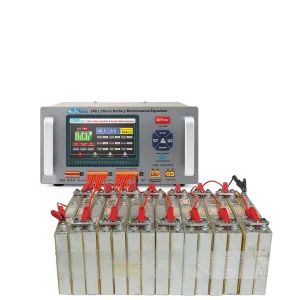
Additionally, the rapid expansion of solar-driven agricultural water pumping systems across the Nile valley has heightened the demand for localized battery capacity validation. Without proper cell balancing and routine state-of-health (SoH) diagnostics, localized battery networks suffer premature failure. Sourcing advanced battery testing equipment allows local enterprises to pinpoint weak cells within a series string, balance uneven voltages, and effectively double the lifespan of their costly imported energy storage systems.
As a primary exporter, Shenzhen Manata Scanner Co., Ltd. addresses the core demands of the Sudanese market by combining high-precision manufacturing, industrial-grade protection protocols, and cost-effective scaling:
Industrial application fields for battery analyzers and testing machines in Sudan extend across multiple key verticals:
Get in touch with our expert sales engineers today to receive detailed technical specifications, customs routing guides, and direct factory quotes tailored for Port Sudan delivery.
Send Inquiry NowGlobally, the shift from lead-acid batteries to lithium-based chemistry (especially LiFePO4 and Sodium-ion) is transforming the battery testing ecosystem. Modern testers no longer simply read open-circuit voltages. Today’s systems utilize AC internal resistance (ACIR) and DC internal resistance (DCIR) testing to detect micro-dendrite formation and cathode aging.
Another notable trend is regenerative discharging. Instead of dissipating energy as waste heat during testing cycles, advanced industrial testers recycle energy back into the power system, significantly lowering operational electricity bills. For Sudanese factories, this feature reduces the heat footprint of testing facilities, lowering auxiliary cooling demands and enhancing long-term operational reliability.
Procuring industrial diagnostics equipment from Shenzhen to Sudan involves routing through established corridors. Port Sudan serves as the primary maritime entry point. Importers should coordinate closely with customs brokers to verify compliance documentation:
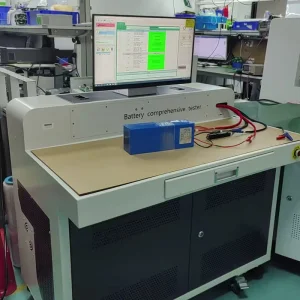
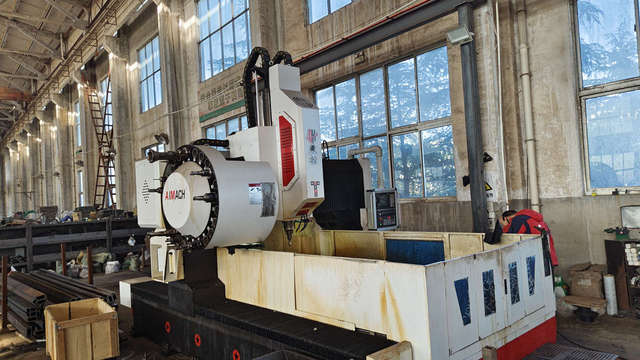
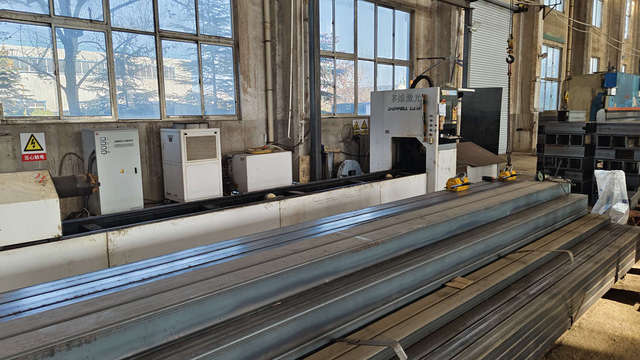
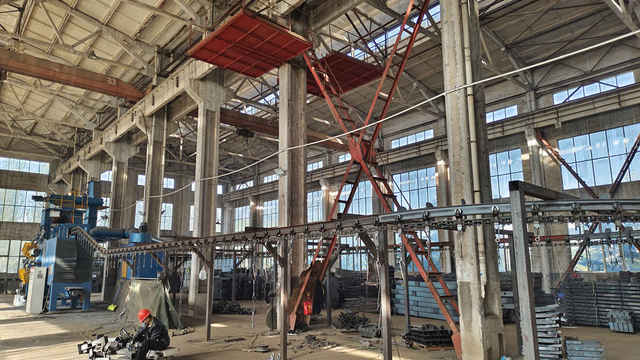
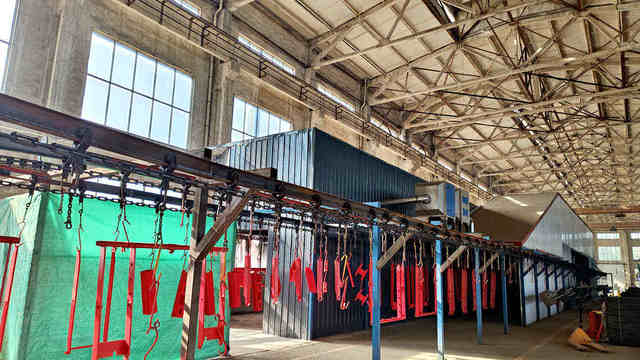
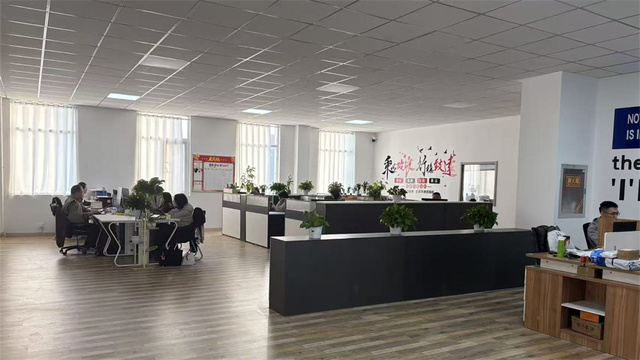
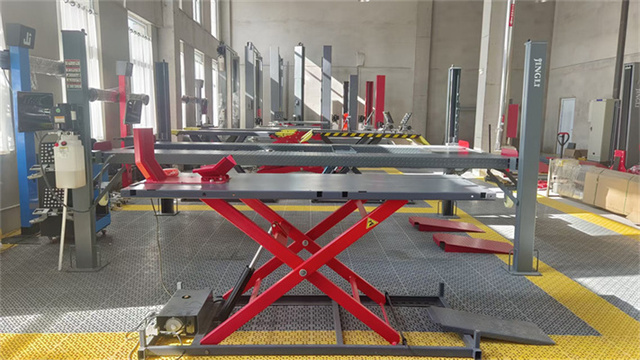
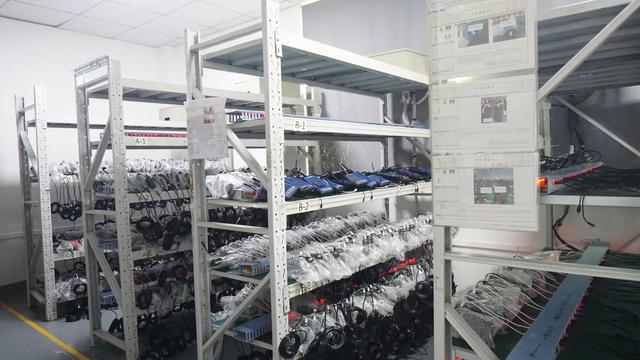
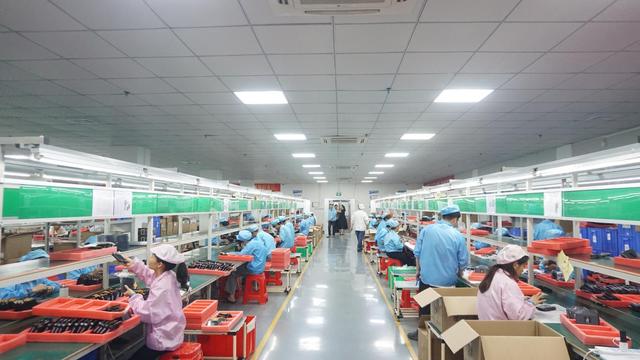
An inside look at our state-of-the-art assembly lines, testing equipment validation bays, and international dispatch staging.
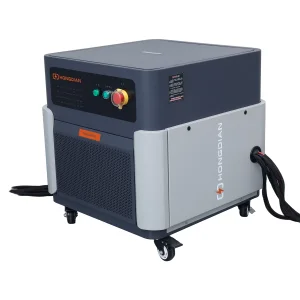
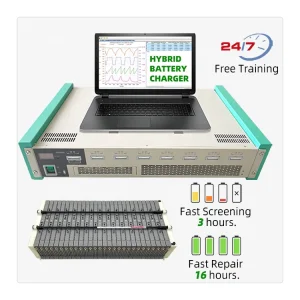
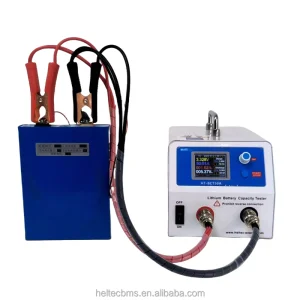
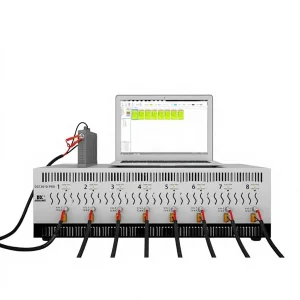
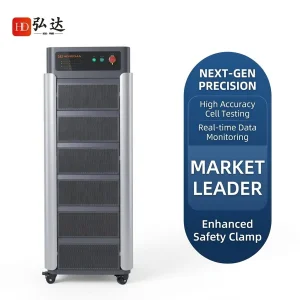
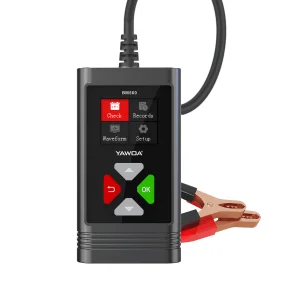
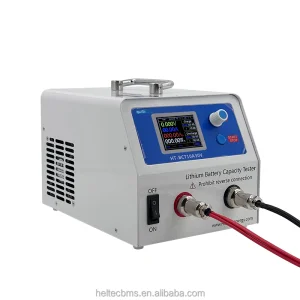
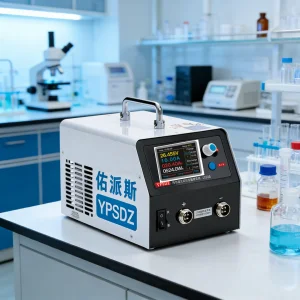
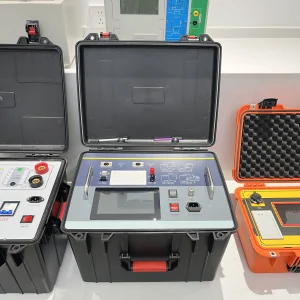
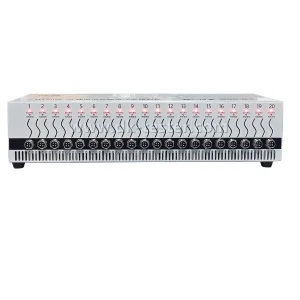
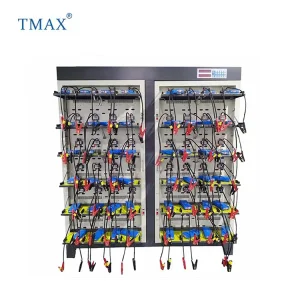
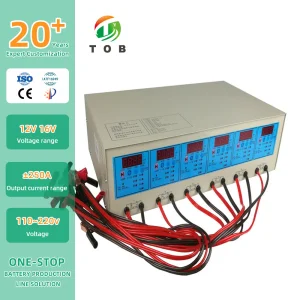
Our machinery is configured with auto-sensing thermal shutdown limits and heavy-duty active fan cooling arrays. For desert installations and non-airconditioned workshops in Khartoum or Port Sudan, we recommend selecting models with high-grade aluminum heatsinks and a wider operating temperature scope (certified up to 55°C peak ambient performance). Additionally, internal components are coated with conformal varnishes to prevent damage from both heat and dust accumulation.
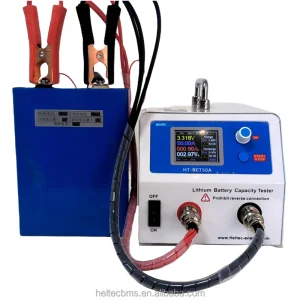
Yes. The Dekang DK2010 and related hybrid capacity analyzers support multi-chemistry testing routines. Through simple software configuration, operators can run standardized charge-discharge curve profiling on Lead-Acid, LiFePO4, Lithium-Ion, and NiMH battery cells. This flexibility makes them ideal for multi-sector repair centers supporting both automotive starting batteries and agricultural solar batteries.
Our testers are equipped with comprehensive electrical defense layers: Reverse Polarity Protection, Over-Voltage Protection (OVP), Over-Current Protection (OCP), and short-circuit protection circuits. The High Power 150W 8-Channel Tester also features IP22 casing protection and isolated channel mechanics, preventing power anomalies from affecting adjacent test slots if a single cell fails.
Every unit undergoes a comprehensive factory calibration procedure traceable to international metrology standards before departure from Shenzhen. The test software includes built-in calibration verification routines, allowing your local engineering team to perform self-calibration using simple high-precision multi-meters.
Standard ocean freight shipments from Shenzhen to Port Sudan typically require 20 to 30 days transit time. For urgent system repairs and diagnostic equipment testing needs, air freight services can deliver tools within 7 to 10 days. We supply full export documentation, packing lists, and custom invoice support to simplify clearance processes in Sudan.
Partner with Shenzhen Manata Scanner Co., Ltd. to secure direct access to the latest advancements in battery health monitoring, capacity optimization, and cellular balancing technologies.
Contact Our Export Division Now Manata Scanner