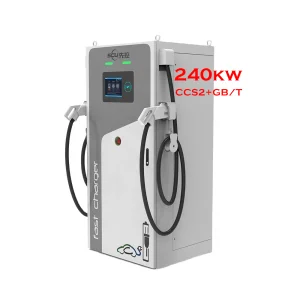
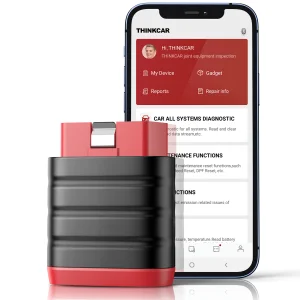
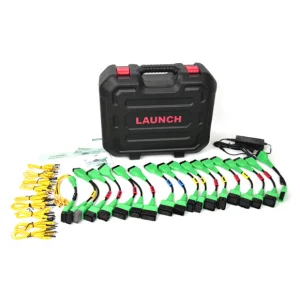
Explore our first tier of engineered diagnostic platforms, featuring integrated power systems, professional obd scanners, and battery maintenance instruments.
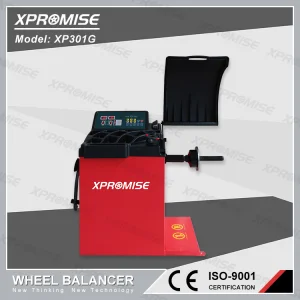
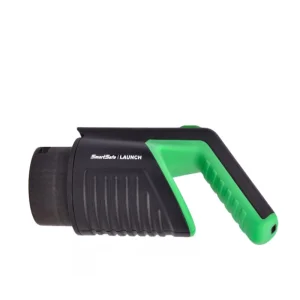
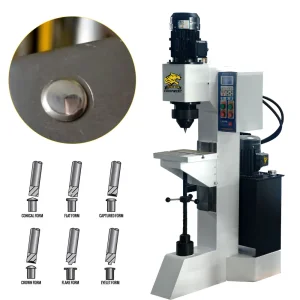
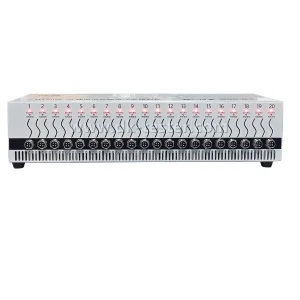
The automotive industry is undergoing its most profound transformation since the invention of the assembly line. Driven by electrification, digital connectivity, and autonomous driving, vehicle networks have transitioned from isolated controller systems to complex, server-like computing architectures on wheels. In this environment, traditional diagnostic instruments fall short. Industrial-grade portable vehicle scanners are no longer just basic diagnostic trouble code (DTC) readers—they are sophisticated edge-computing nodes capable of real-time parameter analysis, high-speed bus communication, and secure OTA software deployment.
Global demand for advanced diagnostic equipment is growing rapidly. Workshops, high-capacity inspection centers, and multi-national fleet operators face challenges from modern vehicular ecosystems (such as CAN-FD, DoIP, and complex EV battery chemistry). The modern scanning device must bridge legacy technologies with next-generation EV power grids, requiring unparalleled signal fidelity, firmware versatility, and structural durability.
Understanding the technical divergence in testing frameworks, communication buses, and safety verification procedures.
| Diagnostic Parameter | Traditional Internal Combustion Engine (ICE) | New Energy Vehicles (EV/HEV/PHEV) | Next-Gen Hybrid/Integrated Diagnostics |
|---|---|---|---|
| Primary Protocols | K-Line, CAN Bus, OBD-II (SAE J1979) | CAN-FD, DoIP (ISO 13400), UDS (ISO 14229) | Ultra-fast Ethernet, Custom Manufacturer APIs |
| Critical Analysis Metrics | Combustion feedback, emissions, fuel pressure | State of Health (SoH), State of Charge (SoC), Cell Balancing | HV isolation insulation, dynamic capacity wear |
| Voltage Testing Scope | 12V – 24V Electrical Systems | 400V – 800V DC Battery Architecture | Intelligent multi-stage testing & load control |
| Physical Testing Requirements | Basic hand-held scanner hookup | Isolation safety gear, test guns (e.g. FC01) | Automated battery balancing & cycle testers |
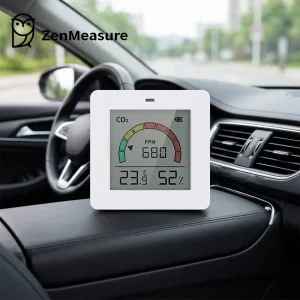
This structural variance highlights why workshops require advanced diagnostic systems. Traditional scanning platforms designed for internal combustion vehicles cannot decipher the telemetry of modern electric vehicles. Advanced EV diagnostics require high-precision sensor systems, temperature/humidity loggers, dynamic battery balancing modules, and professional ADAS calibration equipment to ensure safe and efficient repairs.
Shenzhen Manata Scanner Co., Ltd. is a leading China automotive diagnostic equipment manufacturer specializing in advanced vehicle inspection systems and ECU diagnostic solutions for the global automotive aftermarket. With a strong commitment to innovation, quality, and intelligent vehicle servicing, Manata Scanner delivers reliable diagnostic technologies designed to improve maintenance efficiency, reduce downtime, and support modern workshop operations.
The company offers a comprehensive portfolio of automotive diagnostic equipment, including vehicle inspection systems, ECU programming and coding tools, automotive scan tools, ADAS calibration equipment, EV battery diagnostic systems, TPMS diagnostic devices, and intelligent fleet diagnostic solutions. These products are widely used by automotive repair workshops, vehicle inspection centers, dealerships, fleet operators, and maintenance service providers worldwide.
Driven by continuous technological innovation, Shenzhen Manata Scanner Co., Ltd. integrates artificial intelligence, cloud connectivity, big data analysis, and advanced electronic testing technologies into its product development process. The company's R&D team focuses on creating intelligent, accurate, and user-friendly diagnostic solutions capable of meeting the evolving requirements of both conventional and new energy vehicles.
Quality is at the core of Manata Scanner's manufacturing philosophy. The company implements strict quality management procedures throughout design, production, testing, and final inspection to ensure stable performance and long-term reliability. Its products are engineered to comply with international standards and are exported to customers across Europe, North America, South America, Southeast Asia, the Middle East, and other global markets.
How distinct commercial contexts require tailored testing, measuring, and calibration instruments.
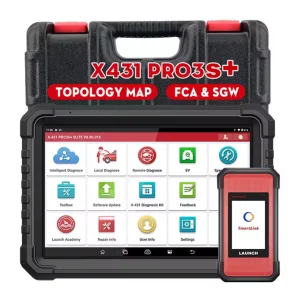
High-end repair garages need complete diagnostic tools (like the LAUNCH X-431 PRO3S ELITE or Autel MaxiTPMS TS508) for ADAS calibration, ECU programming, and tire sensor diagnostics. These tools allow workshops to work on a wide variety of car brands with high precision, helping them run more efficiently.
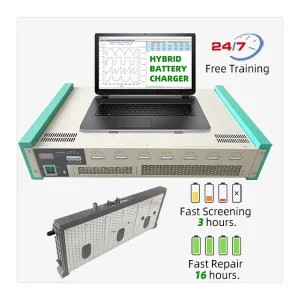
As electric vehicles age, battery service centers need specialized tools like charge-discharge balancers, cell capacity analysis systems, and specialized EV test guns. These diagnostic systems isolate individual faulty cells, balancing the pack to restore vehicle performance.
Long-haul transportation companies need real-time data tracking, fuel-level monitoring, and GPS location services. Deploying rugged, continuous data loggers helps managers track vehicle health, schedule maintenance early, and prevent breakdowns on the road.
Exhibiting strict adherence to global safety, communication, and environmental protocols.
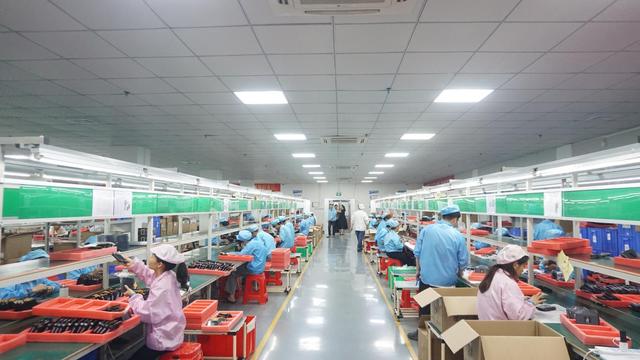
Quality and reliability are essential when diagnostics directly affect passenger safety and high-voltage systems. Shenzhen Manata Scanner Co., Ltd. ensures its entire manufacturing process meets global standards. From PCB surface-mount technology (SMT) to software debugging and load testing, every step is carefully controlled.
Our products are certified to meet major international standards (including CE, FCC, RoHS, and ISO 9001), making them ready for immediate use in regulated markets. This compliance ensures workshops can safely run high-voltage diagnostic routines on new energy vehicles.
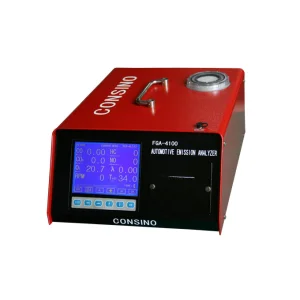
Explore our second tier of diagnostic and testing equipment, designed for emissions analysis, system calibration, and complex telemetry tracking.
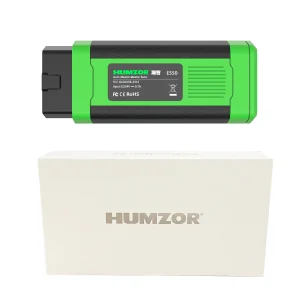
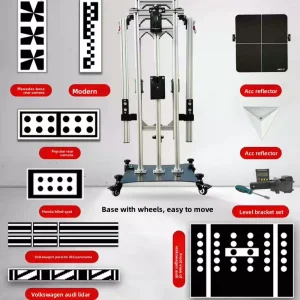
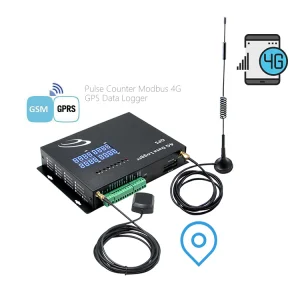
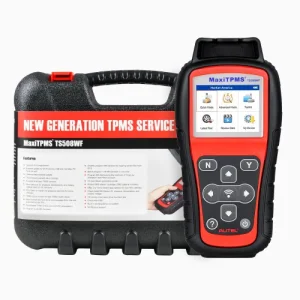
A forward-looking view into how diagnostic tools are evolving over the next decade.
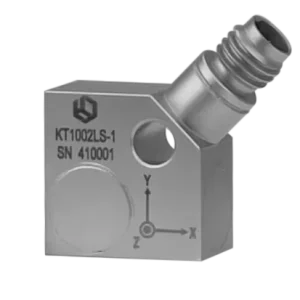
The diagnostic tools of tomorrow will do much more than read static error codes. Using advanced cloud platforms, diagnostics are moving toward predictive fleet maintenance. By continuously monitoring parameters like battery cell health and engine vibration, systems can detect failures before they happen. This shift helps fleet operators prevent breakdowns, reduce downtime, and improve safety.
We are also seeing the integration of Artificial Intelligence (AI) and Machine Learning into diagnostic interfaces. Instead of manually searching through manuals, technician platforms can analyze live vehicle data and immediately recommend the best repair steps. As vehicles become more complex, this AI support will be essential for keeping workshops fast, efficient, and accurate.
Crucial technical queries answered by our diagnostic technology team.
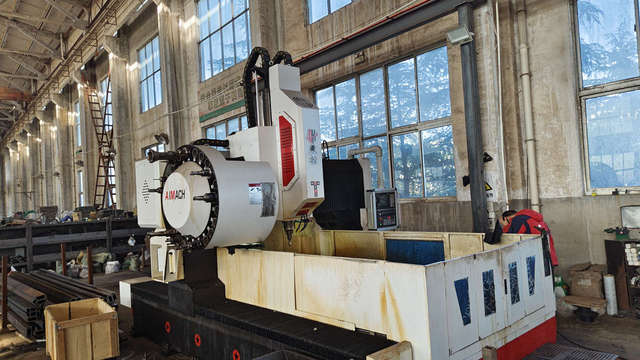
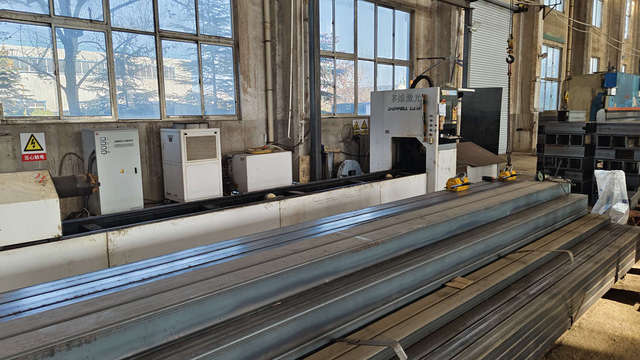
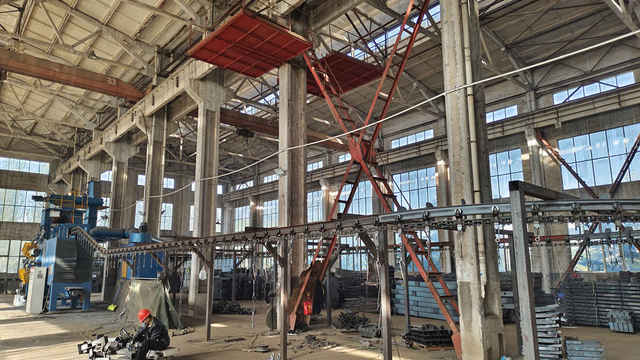
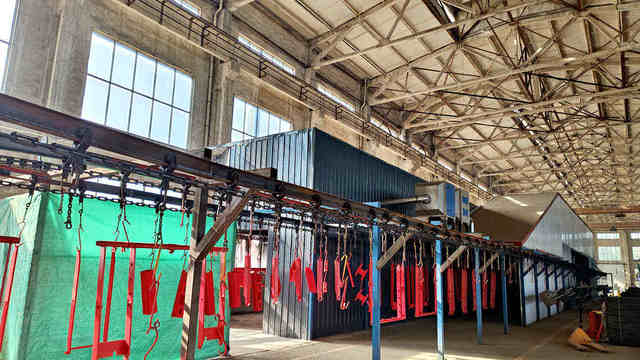
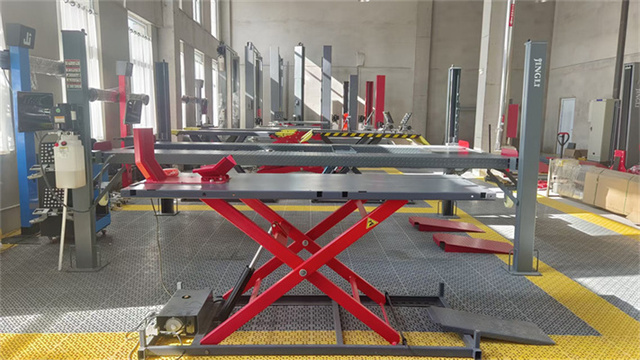
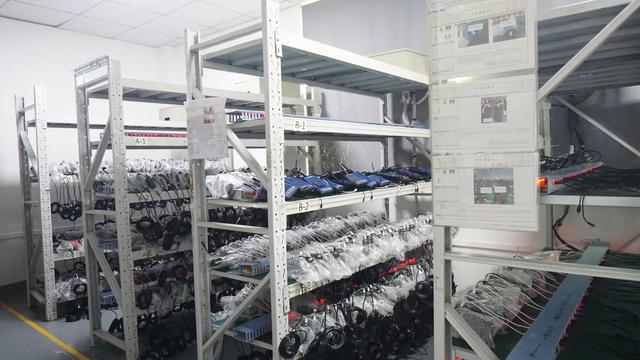
Inside the production lines, testing laboratories, and assembly facilities of Shenzhen Manata Scanner Co., Ltd.

 Manata Scanner