High-performance diagnostic, emission, and battery instrumentation selected for global workshop operations and regulatory compliance.
As the global transportation and industrial sectors align with strict environmental frameworks, the demand for sophisticated Emission Analyser Tools and digital automotive diagnostic equipment has reached an unprecedented scale. Global environmental policies, such as the Euro VI / Euro VII standards, US EPA Clean Air regulations, and China VI emissions mandates, require precise monitoring and management of automotive exhausts, particulate matter, and internal combustion efficiency. In this landscape, Shenzhen Manata Scanner Co., Ltd. serves as a pivotal manufacturer and exporter, delivering high-integrity diagnostic instruments that ensure vehicles comply with global environmental protocols.
Emission analysis has evolved from simple tailpipe carbon monoxide (CO) gas measurements to comprehensive, real-time diagnostic scanning of complex on-board computer architectures. Modern emissions monitoring is governed by On-Board Diagnostics (OBDII) standards, selective catalytic reduction (SCR) networks, and CAN-bus telemetry. A vehicle's tailpipe emission rating is now directly controlled by integrated microprocessors that adjust combustion parameters based on sensor telemetry.
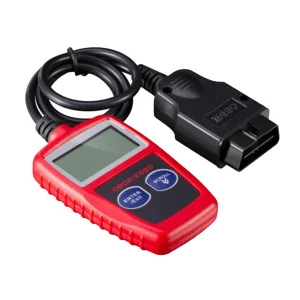
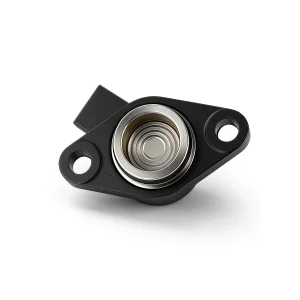
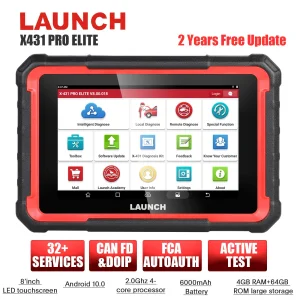
For instance, SCR (Selective Catalytic Reduction) AdBlue systems rely heavily on precise pressure data to inject urea into the exhaust stream, neutralizing toxic nitrogen oxides (NOx) into harmless nitrogen and water. The integration of high-sensitivity urea pressure sensors—capable of transmitting data in under 1 millisecond—enables emission control systems to respond instantly to engine load fluctuations. If the pressure drops or the urea mixture is inconsistent, the vehicle’s ECU immediately flags an emission fault, triggering diagnostic codes (such as those read by the MS309 or Launch X431 scanners) and prompting corrective maintenance.
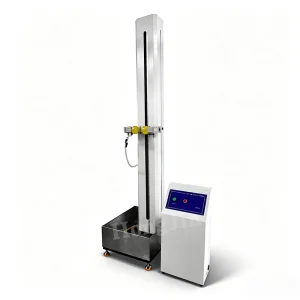
Furthermore, the automotive sector's shift towards electromobility does not render diagnostic and emission control technologies obsolete; rather, it introduces a dual-track requirement. Fleet operators and workshops must manage legacy internal combustion engine (ICE) vehicles while integrating electric vehicles (EVs). Diagnostic suites now incorporate EV battery pack diagnostic modules to check battery health, energy feedback systems, and battery structural safety (monitored through battery drop and impact testing machines). This unified approach to vehicle diagnostic health ensures overall vehicle efficiency and minimizes the carbon footprint of transport fleets worldwide.
For global procurement managers, environmental agencies, and automotive aftermarket distributors, sourcing emission analyzer tools and diagnostic equipment requires strict adherence to international safety and technical certifications. Key compliance benchmarks include:
Ensuring electromagnetic compatibility (EMC) so diagnostic scanners do not interfere with vehicle control modules during operations.
Guaranteeing that exhaust gas measuring components and pressure sensors maintain measurement accuracy over thousands of duty cycles.
Supporting high-speed communication standards essential for scanning modern multi-gateway vehicles without signal lag.
In countries with rigorous annual vehicle safety and emissions inspections (such as Germany’s TÜV, the US smog check program, or Japan’s Shaken system), diagnostic equipment must interface directly with government database portals. High-gain data receivers and CAN-bus loggers allow workshops to log emission test sequences and transmit them securely, eliminating manual entry errors and preventing fraudulent compliance passes.
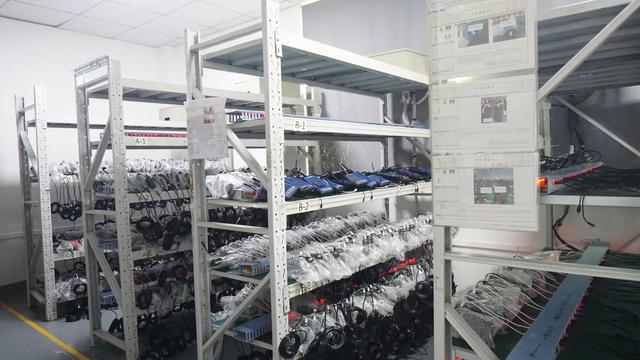
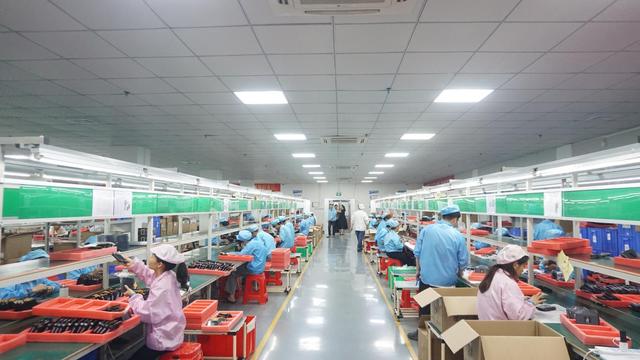
The concentration of high-technology manufacturing in Shenzhen, China, provides distinct advantages for global clients sourcing diagnostic instrumentation. Shenzhen Manata Scanner Co., Ltd. leverages the localized "Factory 4.0" ecosystem, merging mechanical assembly, automated SMT (Surface Mount Technology) lines, advanced optical inspections, and intelligent warehousing.
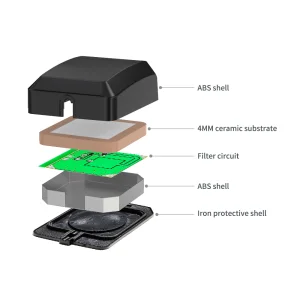
This supply chain configuration ensures resilience against semiconductor and component shortages. Through direct partnerships with silicon foundries and sensor developers, Manata Scanner maintains consistent production of complex microchip assemblies, high-gain active antennas, and automotive-grade pressure sensors.
Quality assurance remains the core priority. By conducting environmental simulation testing—such as battery drop impact testing, thermal cycling, and high-voltage energy feedback cycles—every diagnostic device is certified to withstand the demanding conditions of commercial workshops and industrial vehicle testing lanes.

Diagnostic instruments serve distinct operational functions depending on the application context:
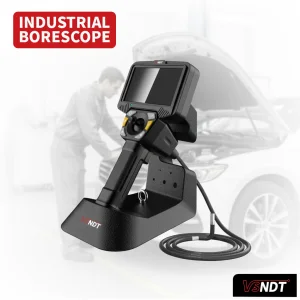
Technicians use diagnostic scanners and video borescopes to inspect cylinder walls, identify misfires that cause raw fuel to burn inside the catalytic converter, and clear diagnostic trouble codes (DTCs) after repairs.
Fleet managers deploy real-time CAN-bus loggers and high-gain GPS receivers to track heavy-duty trucks. Monitoring exhaust sensor telemetry prevents failures in particulate filter (DPF) regeneration cycles.
Government testing facilities use dedicated vehicle chassis dynamometers and diagnostic tools to verify exhaust and vehicle emissions control safety compliance before issuing annual roadworthiness permits.
Integrating these systems reduces exhaust emissions and improves fuel economy by ensuring engines operate at stoichiometric air-fuel ratios. Sourcing reliable hardware directly from experienced Chinese manufacturers like Shenzhen Manata Scanner Co., Ltd. allows repair networks and industrial enterprises to access high-tier testing capabilities cost-effectively.
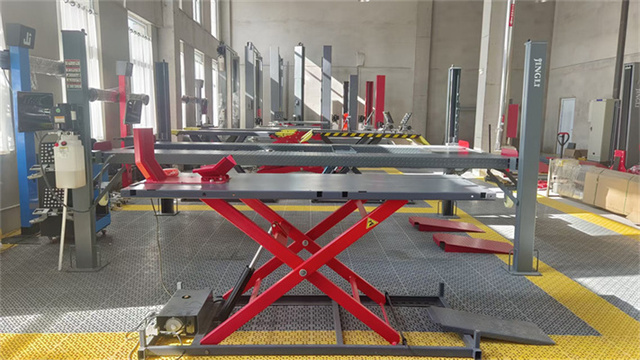
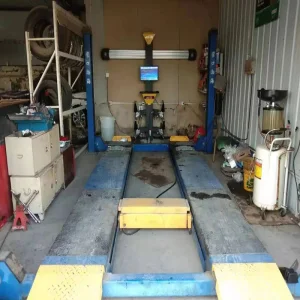
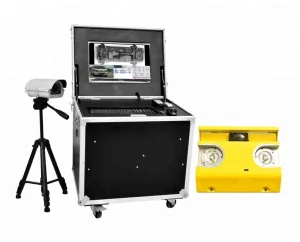
Engine control unit tuning systems, alignment machinery, and surveillance equipment built to industry-grade specifications.

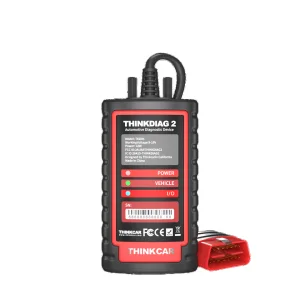
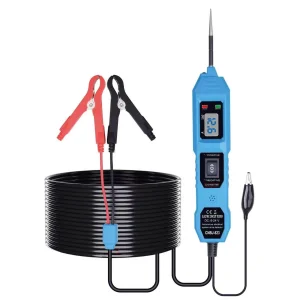
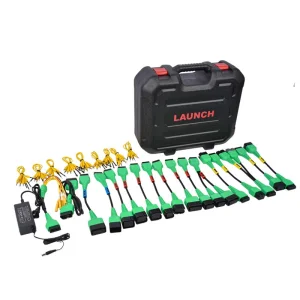
When a vehicle's tailpipe emission values diverge from normal profiles (such as those monitored by O2, NOx, or exhaust pressure sensors), the Engine Control Unit (ECU) writes a diagnostic trouble code (DTC) to its memory. Technicians connect an OBD2 scanner (like the MS309, Launch X431, or Thinkdiag2) to the vehicle's standard J1962 data link port to query the ECU, retrieve the fault codes, and identify components requiring repair, such as oxygen sensors, fuel injectors, or catalytic converters.
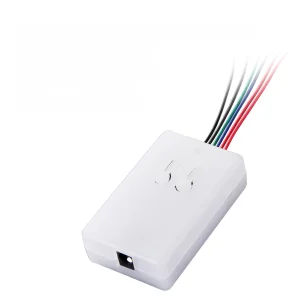
The Selective Catalytic Reduction (SCR) system uses a highly sensitive urea pressure sensor (or AdBlue transmitter) to maintain a steady injection line pressure, typically around 5 to 6 bar. Because AdBlue is corrosive and crystallizes easily, slight blockages or pump failures can occur. A transmitter with a quick 1-millisecond response time identifies pressure variations instantly, allowing the SCR controller to regulate injection volume, control NOx output, and prevent the engine from entering de-rate or limp modes.
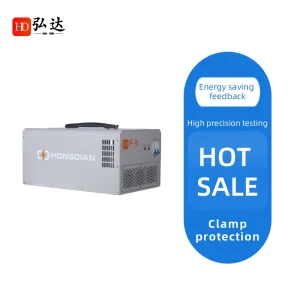
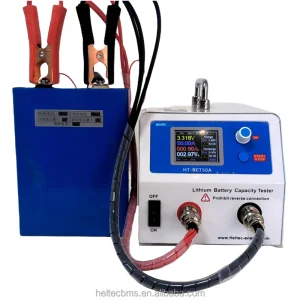
Traditional scanners check exhaust emissions, engine timing, and fuel systems. In contrast, Electric Vehicle (EV) battery diagnostic tools focus on High-Voltage (HV) pack health, tracking State of Health (SOH), Cell Voltage Deviation, and internal cell resistance. Industrial battery testers (such as the 60V100A energy feedback tester) run charge-discharge cycles to evaluate capacity loss, helping fleet operators manage battery lifespans and ensure electric vehicle safety.
Manata Scanner offers a direct path to advanced diagnostic R&D. By managing the production cycle—from SMT chip mounting to physical drop testing and sensor calibration—they provide stable quality at competitive export pricing. Their diagnostic units support modern CAN-FD, DoIP, and legacy OBDII protocols, making them suitable for workshop networks and automotive diagnostic distributors worldwide.
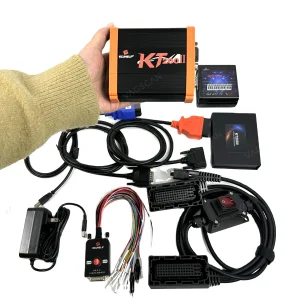
An ECU programmer (like the KT200 II) reads and writes the engine control unit's flash memory. In industrial fleet maintenance and repair, tuning the ECU can resolve software errors that cause premature soot accumulation in Diesel Particulate Filters (DPFs). Adjusting the injection mapping helps calibrate engine performance for varied fuel qualities in different export regions, reducing overall emission volumes.
 Manata Scanner