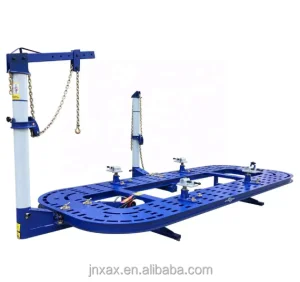
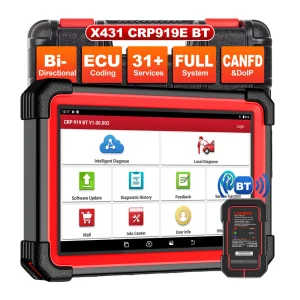
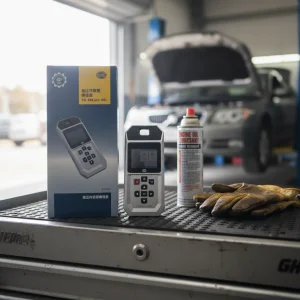
Select automotive scanning, programming, and alignment hardware designed to optimize repair efficiency and workflow integration.
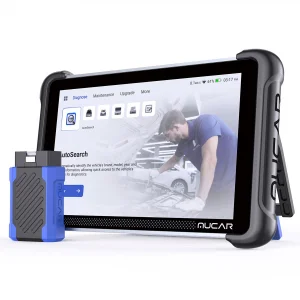
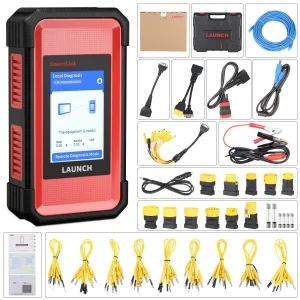
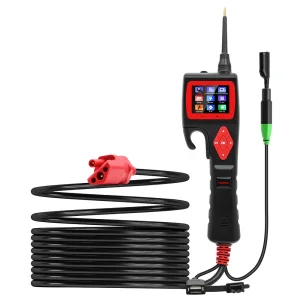
The global automotive aftermarket is undergoing a paradigm shift driven by the digitization of vehicle architectures, the rise of Electric Vehicles (EVs), and the commercial demand for minimized fleet downtime. Traditional physical scan tools, which require direct tethering to a vehicle's OBD-II port within a local workshop, are increasingly being augmented or replaced by remote diagnostic systems. These advanced platforms allow master technicians and remote expert centers to read diagnostic trouble codes (DTCs), monitor real-time sensor streams, and execute bi-directional commands from thousands of miles away.
As vehicle networks transition from traditional CAN bus setups to high-bandwidth automotive Ethernet and DoIP (Diagnostics over Internet Protocol) standards, the hardware and software engineering requirements for diagnostic manufacturers have scaled exponentially. Today's commercial remote diagnostic tool is not simply a code reader; it is an intelligent edge-computing node connected to cloud-based diagnostic platforms.
Across Europe, North America, and the Asia-Pacific region, the demand for enterprise-grade remote diagnostic systems is scaling rapidly. In North America, long-haul commercial logistics fleets leverage 4G/5G enabled telematics and GPS data loggers to continually send engine diagnostic telemetry back to centralized dispatch centers. This predictive maintenance cycle enables logistics providers to flag potential exhaust aftertreatment system errors, transmission faults, or safety failures before they result in highway breakdowns.
In Europe, stringent emissions compliance checks and ADAS (Advanced Driver Assistance Systems) calibration laws require workshops to access specialized dealer-level tools. The high cost of purchasing dedicated OEM tooling for dozens of car makes has birthed the "Remote Diagnostic Interface as a Service" (RDIaaS) model. Independent workshops connect a vehicle to a remote link interface—such as the Launch SmartLink C2.0—and request a remote OEM specialist to complete calibration, coding, or programming via the cloud.
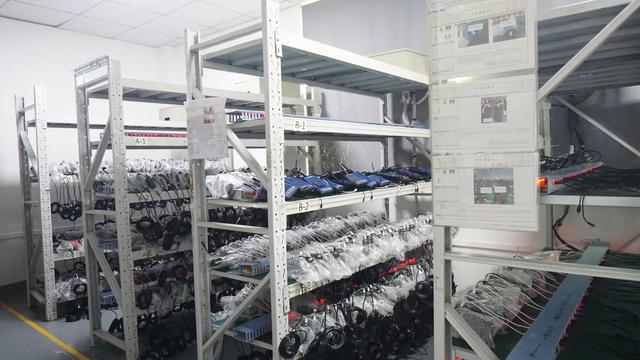
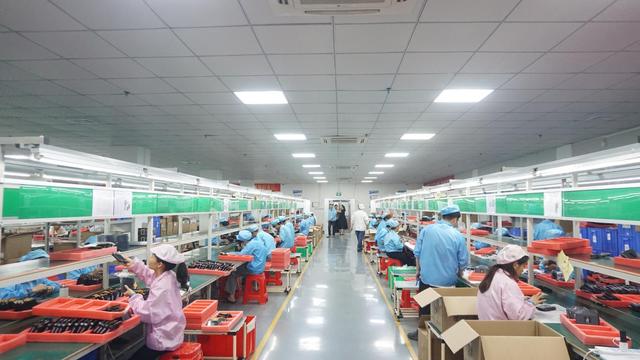
The production of advanced automotive diagnostic scanners, ECU programmers, and telematics hardware requires a highly synchronized microelectronics supply chain. Shenzhen, China, stands as the global epicentre of this manufacturing ecosystem. Companies operating in this hub, such as Shenzhen Manata Scanner Co., Ltd., benefit from unparalleled structural and technological efficiencies:
The immediate proximity to high-precision Surface Mount Technology (SMT) factories and multilayer PCB assembly lines allows manufacturers to rapidly prototype and iterate hardware platforms. Multi-core diagnostic processors, Wi-Fi 6 modules, and dual-Bluetooth controllers are integrated with minimal design-to-production delay.
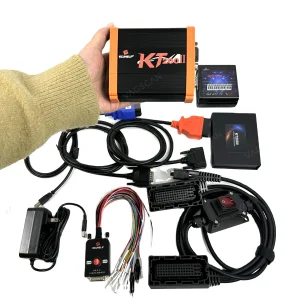
Access to major semiconductor manufacturers and passive component distributors enables consistent component supply, even during global chip shortages. This ensures that products like the KT200 II ECU Programmer maintain production continuity without long lead times.
Shenzhen's manufacturing cluster utilizes automated testing equipment (ATE), high-temperature burn-in chambers, and automated optical inspection (AOI) systems to achieve strict failure-rate targets (less than 0.05%) at a fraction of the cost of Western counterparts.
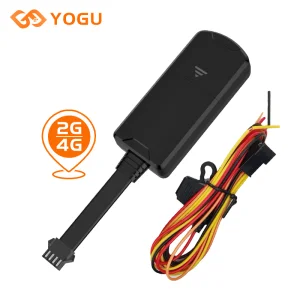
During extreme sub-zero weather conditions in Canada and the northern US, commercial transport fleets face elevated risk of DEF (Diesel Exhaust Fluid) crystallization and SCR emissions system failures. Utilizing a 2G+4G fleet management GPS data logger and diagnostic link, fleet dispatchers can remotely monitor diesel particulate filter (DPF) soot levels and trigger active, stationary regenerations before a vehicle enters an irreversible "engine derate" state. This prevents costly heavy-duty towing services and cargo delay penalties.
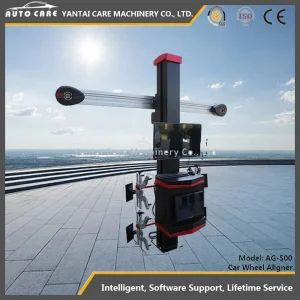
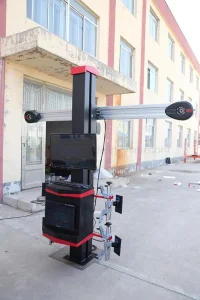
Following a minor front-end collision, a modern vehicle requires precise alignment of its forward-facing radar, lane-departure cameras, and active matrix LED headlights. By combining a physical 3D wheel alignment system, a physical beam calibrator headlight tool, and a remote diagnostic connection (such as Launch SmartLink), local mechanics can outsource the complex, model-specific ADAS software handshake and programming sequences directly to a remote specialist.
With the rapid adoption of EVs in China, Japan, and Southeast Asia, battery recycling facilities and repair centers require accurate assessment of high-voltage battery packs. The 2024 D9EV diagnostic scanner allows technicians to read cell-by-cell voltage, monitor temperature sensors, and perform dynamic battery pack analysis without removing the pack from the chassis. This data is exported to the cloud to calculate precise State of Health (SOH) and market value of the pack.
Several core technological vectors are actively reshaping the engineering and manufacturing of automotive remote diagnostic solutions:
When evaluating high-volume procurement contracts for diagnostic systems, OEM purchasing directors and fleet service operators use strict evaluation frameworks:
Shenzhen Manata Scanner Co., Ltd. is a leading China automotive diagnostic equipment manufacturer specializing in advanced vehicle inspection systems and ECU diagnostic solutions for the global automotive aftermarket. With a strong commitment to innovation, quality, and intelligent vehicle servicing, Manata Scanner delivers reliable diagnostic technologies designed to improve maintenance efficiency, reduce downtime, and support modern workshop operations.
The company offers a comprehensive portfolio of automotive diagnostic equipment, including vehicle inspection systems, ECU programming and coding tools, automotive scan tools, ADAS calibration equipment, EV battery diagnostic systems, TPMS diagnostic devices, and intelligent fleet diagnostic solutions. These products are widely used by automotive repair workshops, vehicle inspection centers, dealerships, fleet operators, and maintenance service providers worldwide.
Driven by continuous technological innovation, Shenzhen Manata Scanner Co., Ltd. integrates artificial intelligence, cloud connectivity, big data analysis, and advanced electronic testing technologies into its product development process. The company's R&D team focuses on creating intelligent, accurate, and user-friendly diagnostic solutions capable of meeting the evolving requirements of both conventional and new energy vehicles.
Quality is at the core of Manata Scanner's manufacturing philosophy. The company implements strict quality management procedures throughout design, production, testing, and final inspection to ensure stable performance and long-term reliability. Its products are engineered to comply with international standards and are exported to customers across Europe, North America, South America, Southeast Asia, the Middle East, and other global markets.
Committed to becoming a trusted global partner in automotive diagnostics, Shenzhen Manata Scanner Co., Ltd. continues to provide innovative products, professional technical support, and customized solutions that help customers enhance service capabilities and operational efficiency.
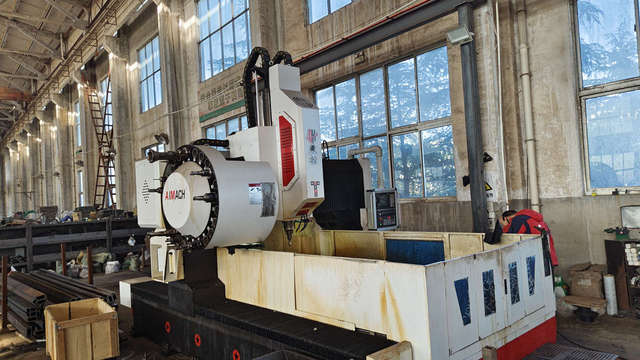
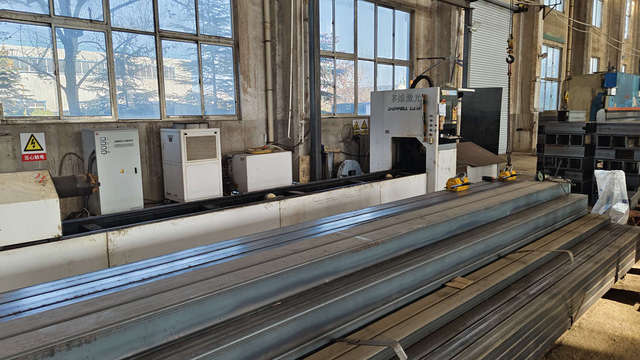
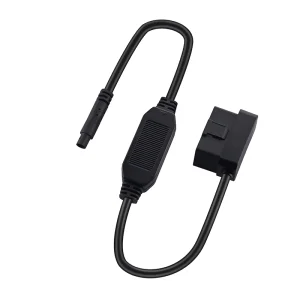
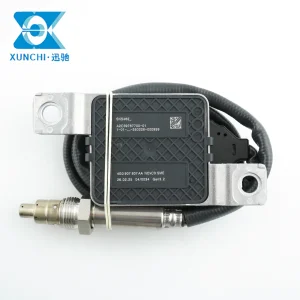
Explore specialized tools designed for truck fleets, electric vehicle high-voltage systems, and microchip ECU reprogramming.
Core engineering, protocol, and deployment questions addressed by our technical hardware design team.
 Manata Scanner