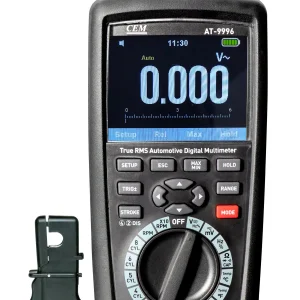
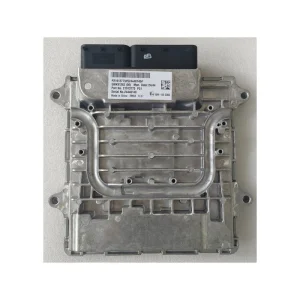
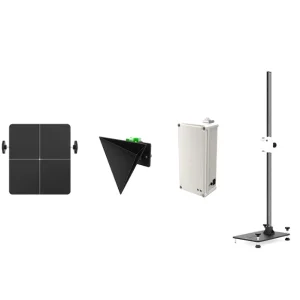
Engineered to support modern workshops, fleet systems, and battery monitoring with high-precision measurements.
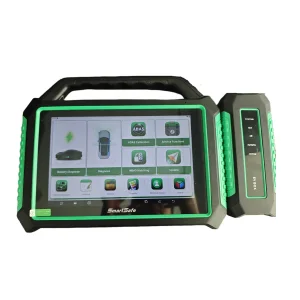
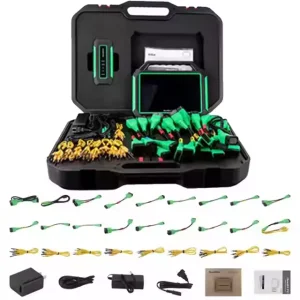
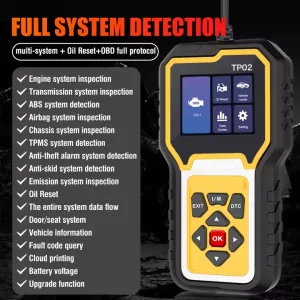
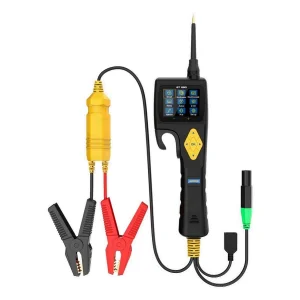
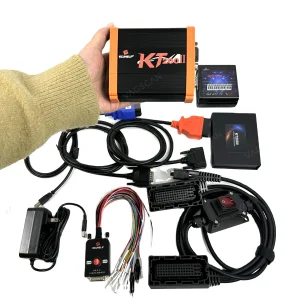
The global transition to electrification has changed the automotive maintenance and repair industry. Internal combustion engine (ICE) calibration methods are being replaced by high-voltage EV/HEV architectures. Diagnostics now require equipment capable of handling high voltage, checking battery health, calibrating sensors, and communicating with advanced electronic control units (ECUs).
Understanding the layout of top hybrid and electric vehicle test equipment manufacturers is important for global aftermarket buyers, diagnostic distributors, and fleet companies. The following details examine technical standards, manufacturing innovations, and diagnostic tools needed for modern electrified vehicles.
Electric and hybrid vehicles operate under high DC voltages, often exceeding 400V to 800V. Standard garage equipment cannot safely diagnose these systems. Industrial diagnostic manufacturers now focus on the following core areas:
The EV testing landscape is moving toward integrated, cloud-connected platforms. Looking ahead to 2030, key technical developments include:
Hardware-only diagnostic systems are shifting to cloud-integrated solutions. Diagnostic tools upload battery pack telemetry directly to cloud-based algorithms. This allows predictive maintenance by comparing real-time battery cell measurements against simulated battery models (digital twins).
Modern EVs rely heavily on OTA software updates. Future vehicle scanners must manage secure gateway controls, allowing technicians to program and adapt replacement parts while maintaining compliance with cyber-security standards (such as ISO 21434).
As vehicle-to-grid (V2G) systems expand, EV diagnostic tools need to test both charging and power output modes to ensure proper bidirectional energy flow.
OEM manufacturers and diagnostic providers offer varied solutions tailored to different stages of the vehicle life cycle:
| Vehicle Lifecycle Stage | Primary Equipment Type | Core Focus Area |
|---|---|---|
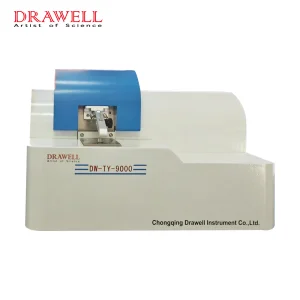
| Production (EOL Testing) | Direct emission optical spectrometers, high-capacity cell testing chambers | Material purity validation, battery assembly verification |
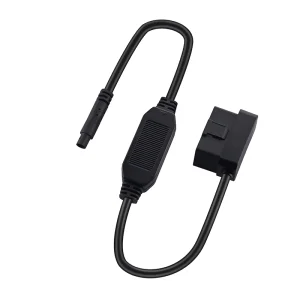
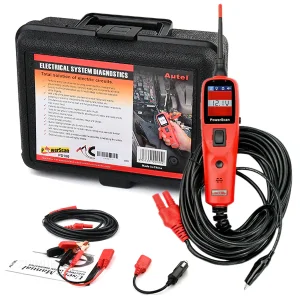
| Dealership & Workshop Repair | Multi-system diagnostic scanners, EV battery pack testers, ADAS calibration kits | Fault analysis, high-voltage component testing, sensor alignment |
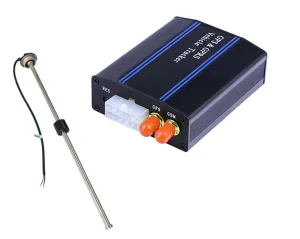
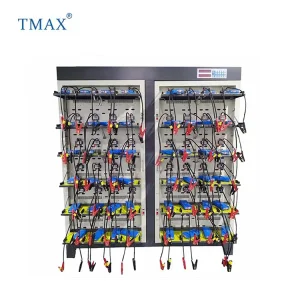
| Fleet & End-of-Life Recycling | Fleet fuel/power trackers, battery capacity grading machines | State of Health (SoH) assessment for logistics and secondary life use |
Shenzhen Manata Scanner Co., Ltd. integrates advanced electronic production and quality control systems.
Automated Surface Mount Technology (SMT) ensures precision circuit board manufacturing for scanners, ECU controllers, and high-voltage sensors.
Diagnostic tools undergo thermal and load testing to guarantee long-term operational stability in harsh workshop environments.
Every tester undergoes calibration against target standards, ensuring diagnostic and data acquisition accuracy.
Operating across global markets requires compliance with local standards and target specifications. Industry equipment exporters must verify:
When purchasing test equipment, enterprise procurement managers evaluate several key parameters. A structured evaluation helps ensure long-term utility:
Answers to common industry questions about EV diagnostics and testing equipment.
State of Health (SoH) indicates a battery pack's remaining energy capacity relative to its original rating. Accurate SoH monitoring allows fleet operators to predict range, schedule maintenance, and estimate the secondary market value of vehicles.
ICE vehicle diagnostics focus on engine combustion, mechanical wear, and exhaust data. EV diagnostics focus on battery pack thermals, State of Charge (SoC), State of Health (SoH), inverter functionality, and high-voltage circuit insulation.
Manufacturers build physical insulation into tool probes and casings, comply with CAT III/CAT IV electrical safety standards, and integrate software warnings to guide technicians safely through high-voltage service routines.
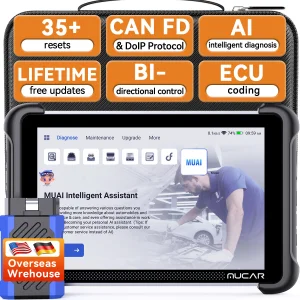
Modern vehicle scanners use CAN, CAN-FD, Automotive Ethernet, and DoIP (Diagnostic over IP) protocols to handle the high data rates required for multi-system diagnostics and ECU programming.
High-precision testing systems and diagnostic tools for automotive, laboratory, and production environments.
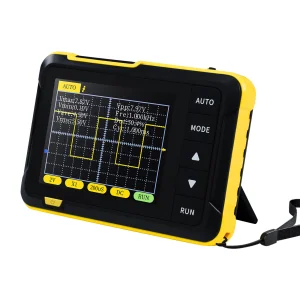
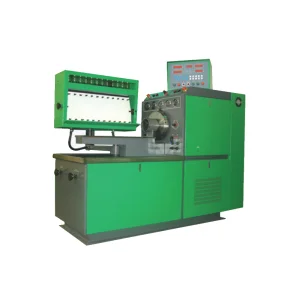
Continuous technological innovation integrating artificial intelligence, cloud connectivity, big data, and advanced electronic testing.
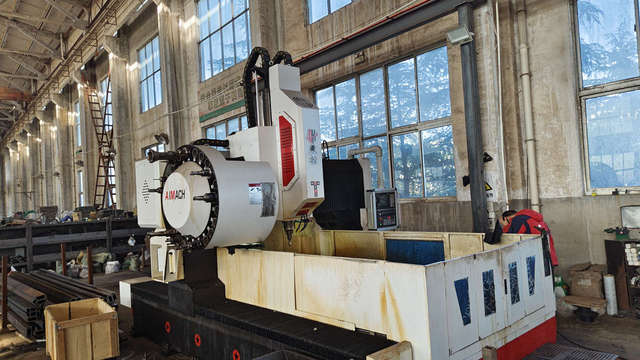
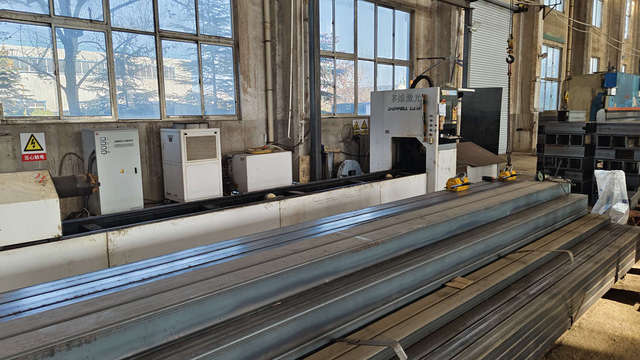
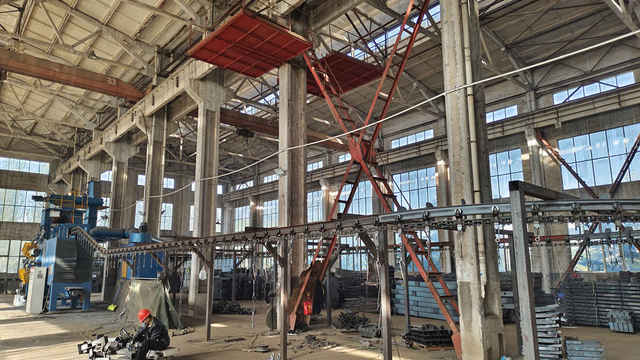


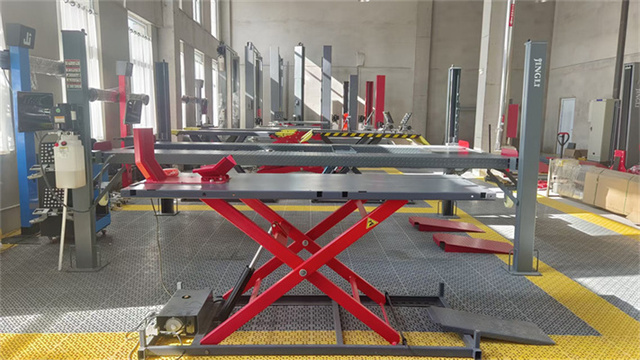
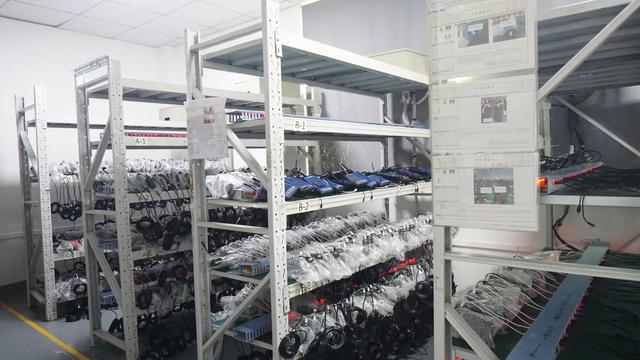
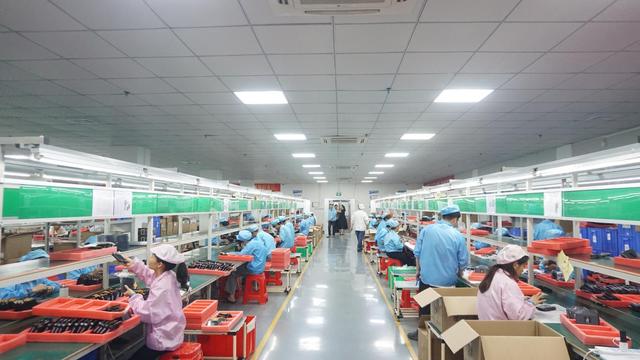
Driven by continuous technological innovation, Shenzhen Manata Scanner Co., Ltd. integrates artificial intelligence, cloud connectivity, big data analysis, and advanced electronic testing technologies into its product development process. The company's R&D team focuses on creating intelligent, accurate, and user-friendly diagnostic solutions capable of meeting the evolving requirements of both conventional and new energy vehicles. Quality is at the core of Manata Scanner's manufacturing philosophy. The company implements strict quality management procedures throughout design, production, testing, and final inspection to ensure stable performance and long-term reliability. Its products are engineered to comply with international standards and are exported to customers across Europe, North America, South America, Southeast Asia, the Middle East, and other global markets.
 Manata Scanner