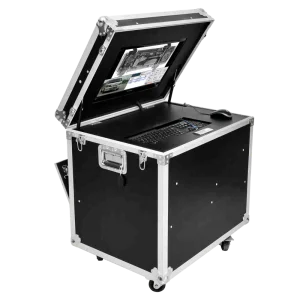
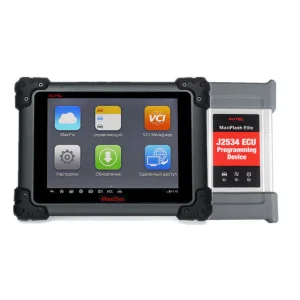
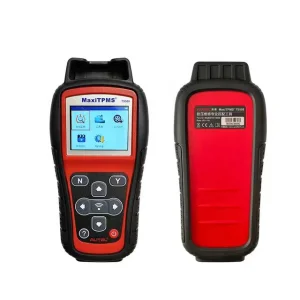
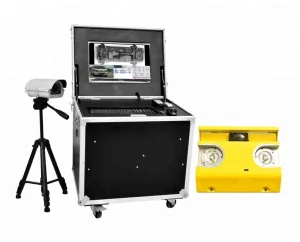
In modern automotive diagnostics, wheel alignment is no longer limited to simple mechanical adjustments. The geometric alignment of a vehicle's chassis directly influences dynamic stability, fuel economy, tire wear, and most importantly, the operation of Advanced Driver Assistance Systems (ADAS). High-precision wheel alignment tools calculate the precise orientation of a vehicle’s wheels relative to the chassis centerline and the road surface, focusing on four primary parameters: Camber, Caster, Toe-in/Toe-out, and Thrust Angle.
As vehicles transition toward automated driving systems, wheel alignment tools must interface directly with Steering Angle Sensors (SAS) and driver-assist radar modules. When aligning a vehicle, technicians must perform a electronic reset of the steering position, calibrating the vehicle's physical forward direction with the electronic center recognized by onboard computers. This synergy of mechanical and digital diagnostics makes sourcing high-quality, CE-certified alignment tools a crucial operational requirement for repair centers and industrial workshops worldwide.
For international procurement departments, safety compliance is a non-negotiable prerequisite. CE Certification indicates that automotive tools conform to the safety, health, and environmental protection standards of the European Economic Area (EEA). When evaluating wheel alignment equipment and diagnostic scanners, CE compliance ensures the systems satisfy three critical European Directives:
Ensures the structural integrity of mechanical lifting elements, drive-on runways, and heavy steel turnplates under continuous heavy loads.
Guarantees that high-frequency optical imaging cameras and digital signal processing components do not interfere with other garage equipment.
Specifies electrical insulation and safety thresholds for electronics operating within 50 to 1000 Volts AC or 75 to 1500 Volts DC.
Wheel alignment machinery and diagnostic systems must function reliably in diverse working conditions. Different markets present unique structural demands that influence the technical configuration of alignment systems:
In Europe, the dense adoption of new energy vehicles (NEVs) and strict safety regulations require alignment systems that seamlessly link with ADAS calibration targets. European mechanics prioritize systems capable of simultaneously calculating structural thrust angles and configuring multi-camera lane assistance sensors. Our CE certified equipment integrates perfectly with European workshop software, ensuring immediate synchronization with compliance frameworks.
North American freight infrastructure relies heavily on heavy-duty logistics. Over-the-road Class 8 semi-trucks require regular alignment of multiple steering and tandem drive axles to reduce rolling resistance. Heavy-duty diagnostic instruments and portable alignment systems are optimized to handle larger wheel bases, providing reliable operation on high-throughput workshop floors.
Industrial centers in tropical zones present challenging environments with high humidity, saline air, and elevated temperatures. Alignment targets and optical cameras require IP67 ingress protection, anti-corrosive coatings, and temperature-compensated sensors. This ensures optical beams remain calibrated despite extreme changes in workshop microclimates.
The automotive service industry is shifting toward automated diagnostics and digital inspection systems. Below is the development roadmap guiding the design of our next-generation automotive service tools:
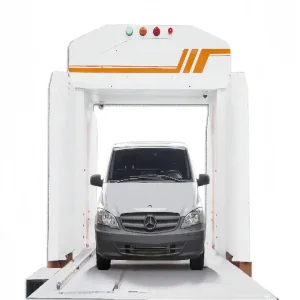
Integrating 3D optical sensors into automated inspection lanes to instantly measure wheel alignment specs as a vehicle enters the service bay.
Transitioning vehicle database storage to secure servers to provide real-time updates for new global vehicle models and specifications.
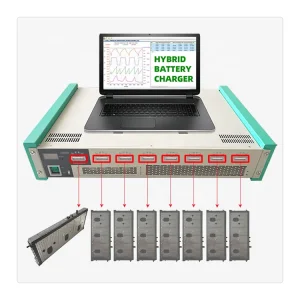
Coupling mechanical alignment platforms with high-voltage battery diagnostic equipment and electrical powertrain scanners.
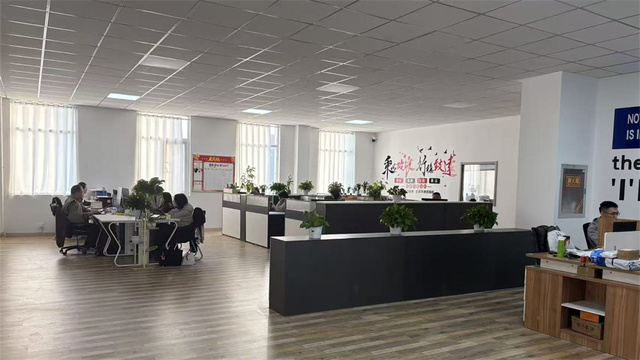
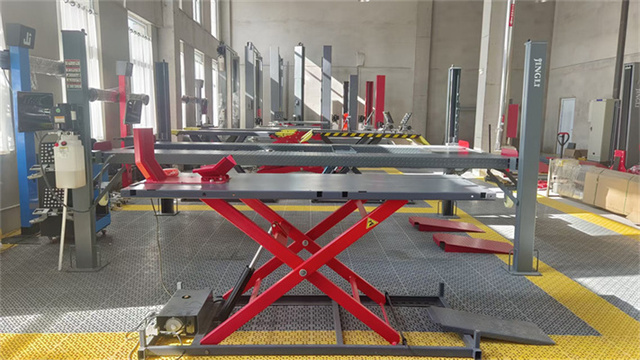
Shenzhen Manata Scanner Co., Ltd. is a leading China automotive diagnostic equipment manufacturer specializing in advanced vehicle inspection systems and ECU diagnostic solutions for the global automotive aftermarket. With a strong commitment to innovation, quality, and intelligent vehicle servicing, Manata Scanner delivers reliable diagnostic technologies designed to improve maintenance efficiency, reduce downtime, and support modern workshop operations.
The company offers a comprehensive portfolio of automotive diagnostic equipment, including vehicle inspection systems, ECU programming and coding tools, automotive scan tools, ADAS calibration equipment, EV battery diagnostic systems, TPMS diagnostic devices, and intelligent fleet diagnostic solutions. These products are widely used by automotive repair workshops, vehicle inspection centers, dealerships, fleet operators, and maintenance service providers worldwide.
Driven by continuous technological innovation, Shenzhen Manata Scanner Co., Ltd. integrates artificial intelligence, cloud connectivity, big data analysis, and advanced electronic testing technologies into its product development process. The company's R&D team focuses on creating intelligent, accurate, and user-friendly diagnostic solutions capable of meeting the evolving requirements of both conventional and new energy vehicles.
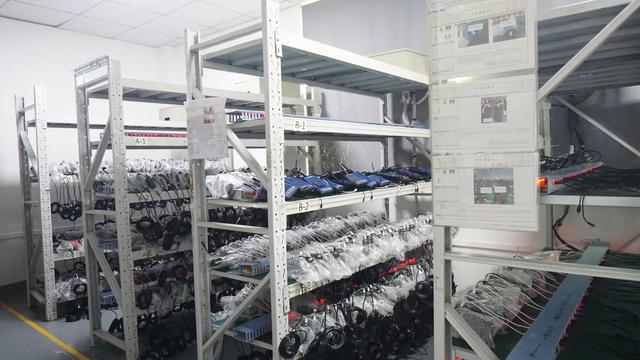
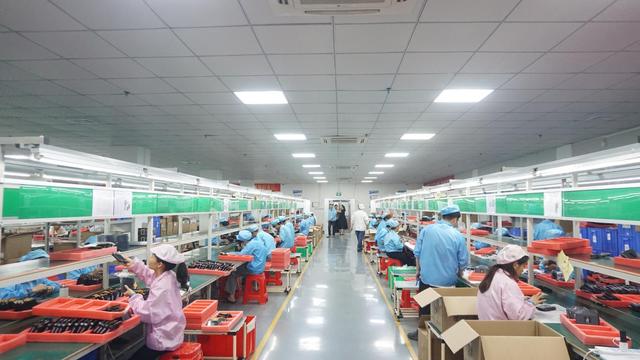
Quality is at the core of Manata Scanner's manufacturing philosophy. The company implements strict quality management procedures throughout design, production, testing, and final inspection to ensure stable performance and long-term reliability. Its products are engineered to comply with international standards and are exported to customers across Europe, North America, South America, Southeast Asia, the Middle East, and other global markets.
Committed to becoming a trusted global partner in automotive diagnostics, Shenzhen Manata Scanner Co., Ltd. continues to provide innovative products, professional technical support, and customized solutions that help customers enhance service capabilities and operational efficiency.
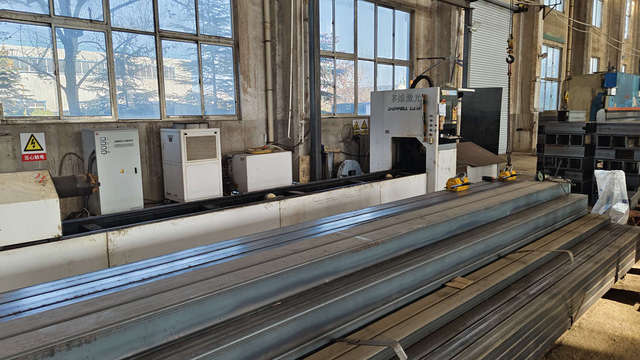
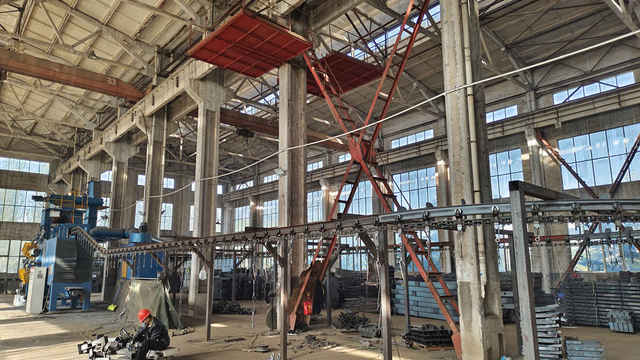
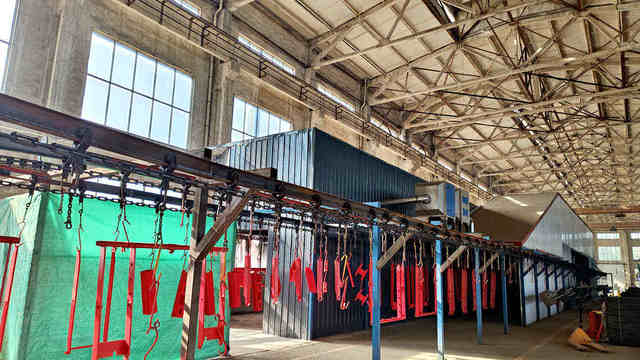
Manufacturing advanced automotive tools requires access to a robust, highly integrated supply chain. Shenzhen Manata Scanner Co., Ltd. utilizes the industrial cluster advantages of Shenzhen, China to deliver several key benefits to global partners:
 Manata Scanner