Industrial-grade automotive scanning systems, ECU programming tooling, and safety diagnostic systems engineered for global repair workshops.

The modernization of commercial fleet management and vehicle diagnostics through advanced diagnostic architectures and international compliance protocols.
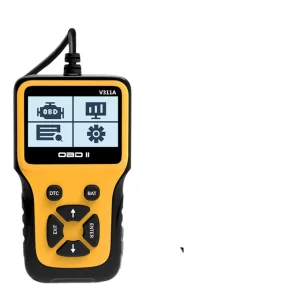
The global automotive ecosystem is going through a massive transformation driven by the transition toward Software-Defined Vehicles (SDVs). Diagnostic mechanisms that once relied on basic OBD-II error codes have now evolved into highly complex telemetry systems, requiring integrated hardware and cloud-based vehicle maintenance software. Because of this integration, global procurement teams demand diagnostic platforms that not only communicate with vehicle Electronic Control Units (ECUs) but also comply with strict international regulatory frameworks, specifically the European Union’s CE Certification standards.
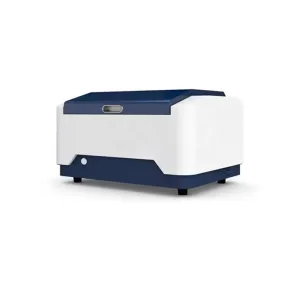
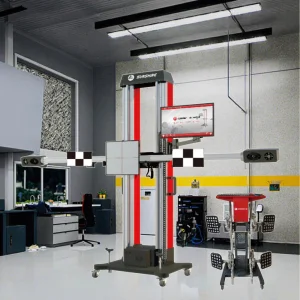
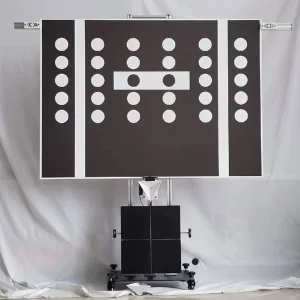
Modern vehicle maintenance software acts as the brains of automotive diagnostic and inspection machinery. From analyzing complex alloy composition with high-precision optical spectrometers to running predictive algorithms on lithium-ion battery packs in electric vehicles, software ensures hardware performs accurately. For instance, advanced software frameworks enable workshop devices like the AlignADAS S700 to align targets and radar sensors within sub-millimeter tolerances, providing reliable calibration that complies with ISO safety benchmarks.
Four primary technological shifts are shaping the design of modern automotive workshop platforms:
A technical guide for procurement officers sourcing high-integrity vehicle diagnostic software and hardware systems.
All electronic diagnostic tools must conform to the European Union's Electromagnetic Compatibility (EMC) Directive 2014/30/EU and Low Voltage Directive 2014/35/EU to operate safely within workshop environments.
Enables mechanics to program emission-related ECUs directly from OEMs without proprietary tools. Modern diagnostic systems require robust J2534 API support to work seamlessly with third-party software.
Software must support ISO 14229 (UDS) over Controller Area Network (CAN-FD) and Diagnostics over IP (DoIP) to ensure fast data transfers when flashing firmware on modern multi-gigabit automotive buses.
For fleet managers, government inspection agencies, and tier-1 repair franchises, compliance isn't just a legal checkmark—it's a critical safety requirement. Electromagnetic interference (EMI) from non-certified tools can disrupt sensitive laboratory spectrometers or vehicle ADAS calibration rigs, leading to incorrect diagnostic readings. Shenzhen Manata Scanner Co., Ltd. builds hardware and software that complies with these regulations, ensuring reliable operation when performing vehicle chassis security scans or exhaust gas analyses in busy workshop environments.
How advanced production lines in Shenzhen combine software development, hardware calibration, and quality control processes.
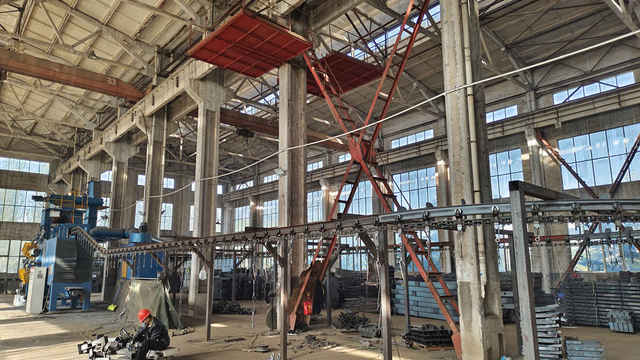
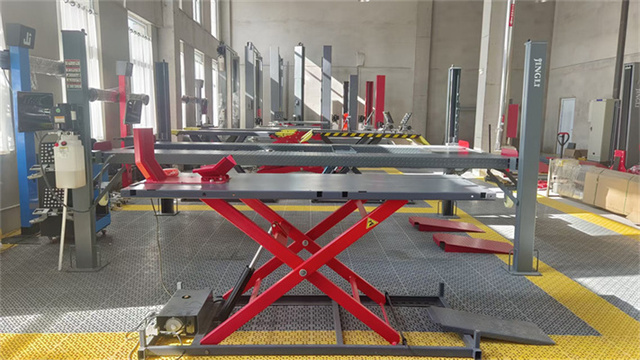
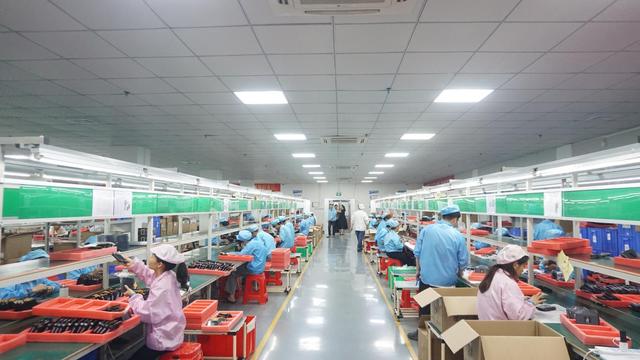
Shenzhen, China, has become the global center for high-tech automotive electronic diagnostics. By integrating rapid software updates with advanced hardware manufacturing, facilities in the region offer substantial advantages in quality control, scalability, and technical support. Modern diagnostic production lines rely on highly automated assembly systems, environmental testing chambers, and calibration bays to build tools that withstand demanding repair shop conditions.
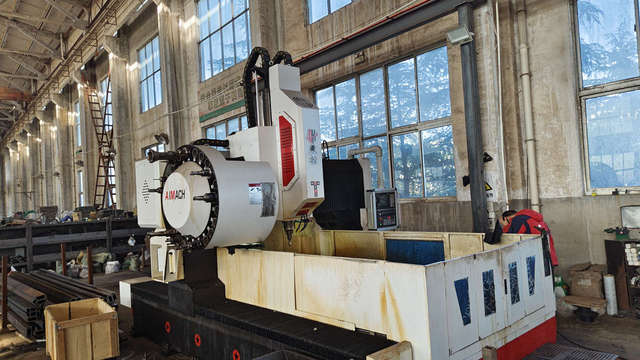
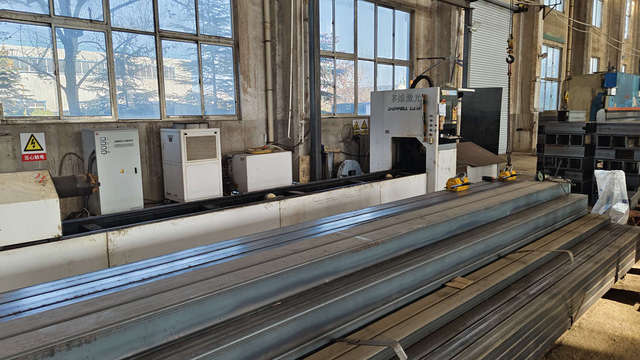
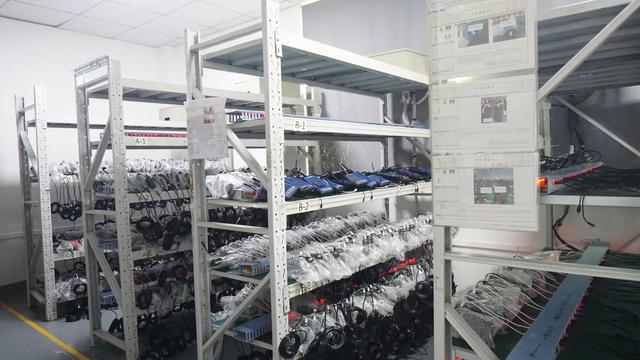
The manufacturing process at Shenzhen Manata Scanner Co., Ltd. demonstrates these high standards. Development starts with advanced software simulation, verifying ECU database compatibility across hundreds of international car brands. Once validated, diagnostic software is flashed onto hardware using automated testing beds. The devices then undergo thermal shock testing, static electricity protection checks, and drop tests to verify durability before packaging and shipment.
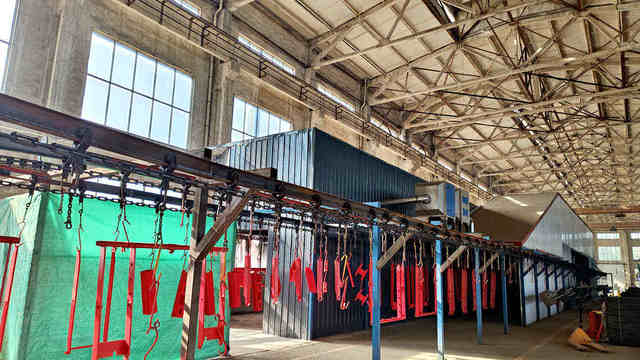
Additionally, modern Chinese manufacturing hubs incorporate Green Factory standards. From energy-efficient, explosion-proof paint booths to eco-friendly packaging materials, factories are minimizing their environmental footprint while keeping production costs competitive. This combination of efficiency and sustainability makes Shenzhen-made diagnostic equipment highly attractive to international buyers looking to optimize their supply chains.
Practical deployment of automotive diagnostics, ADAS targets, and safety scanners across commercial, safety, and government sectors.
Independent workshops face a wide range of vehicle models. Using multi-brand diagnostic scan tools and mobile ADAS calibration stands allows them to service advanced safety systems in-house. This keeps them competitive with franchised dealerships and creates a new revenue stream from sensor calibrations.
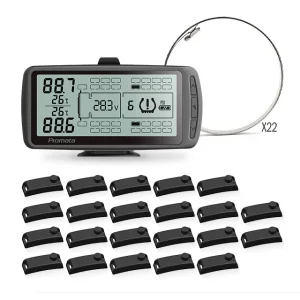
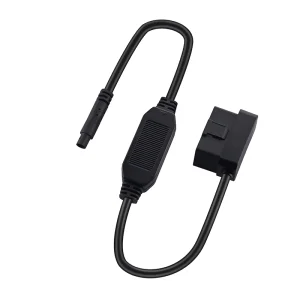
For heavy-duty trucking operations, preventing downtime is essential. Telematics-enabled TPMS systems and heavy-duty OBD diagnostic scanners monitor tire pressure, wheel alignment, and engine codes in real time. Catching minor issues early prevents road calls and keeps fleets running efficiently.
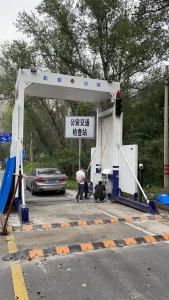
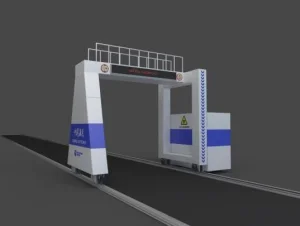
High-volume transit inspection centers need fast, reliable scanning systems. Under-vehicle scanning systems (UVSS) and automated exhaust gas analyzers quickly scan vehicles for structural issues and emission compliance, processing cars and trucks with minimal delays.
A trusted global manufacturer of advanced automotive diagnostics and intelligent workshop equipment.
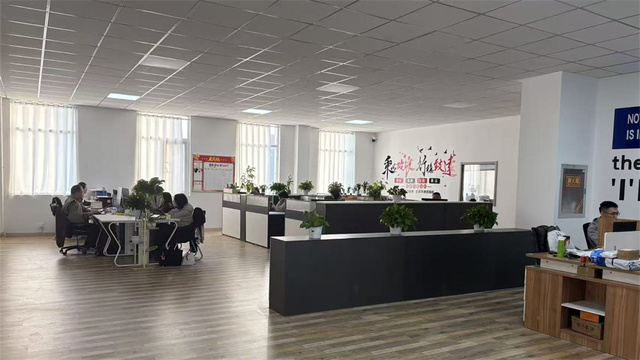
Shenzhen Manata Scanner Co., Ltd. is a leading China automotive diagnostic equipment manufacturer specializing in advanced vehicle inspection systems and ECU diagnostic solutions for the global automotive aftermarket. With a strong commitment to innovation, quality, and intelligent vehicle servicing, Manata Scanner delivers reliable diagnostic technologies designed to improve maintenance efficiency, reduce downtime, and support modern workshop operations.
The company offers a comprehensive portfolio of automotive diagnostic equipment, including vehicle inspection systems, ECU programming and coding tools, automotive scan tools, ADAS calibration equipment, EV battery diagnostic systems, TPMS diagnostic devices, and intelligent fleet diagnostic solutions. These products are widely used by automotive repair workshops, vehicle inspection centers, dealerships, fleet operators, and maintenance service providers worldwide.
Driven by continuous technological innovation, Shenzhen Manata Scanner Co., Ltd. integrates artificial intelligence, cloud connectivity, big data analysis, and advanced electronic testing technologies into its product development process. The company's R&D team focuses on creating intelligent, accurate, and user-friendly diagnostic solutions capable of meeting the evolving requirements of both conventional and new energy vehicles.
Quality is at the core of Manata Scanner's manufacturing philosophy. The company implements strict quality management procedures throughout design, production, testing, and final inspection to ensure stable performance and long-term reliability. Its products are engineered to comply with international standards and are exported to customers across Europe, North America, South America, Southeast Asia, the Middle East, and other global markets.
Committed to becoming a trusted global partner in automotive diagnostics, Shenzhen Manata Scanner Co., Ltd. continues to provide innovative products, professional technical support, and customized solutions that help customers enhance service capabilities and operational efficiency.
Expert technical answers regarding compliance, hardware compatibility, customization, and factory-level operations.
To earn a CE certificate, automotive scanners must pass electromagnetic compatibility (EMC) tests under Directive 2014/30/EU. This includes EN 55032 for radiated and conducted emissions, and EN 55035 for immunity to electrostatic discharge (ESD) and radiofrequency fields. Tools with integrated Wi-Fi or Bluetooth must also comply with the Radio Equipment Directive (RED) 2014/53/EU.
Yes, our diagnostic solutions support SAE J2534 Pass-Thru standards. This enables workshops to flash ECU software using official OEM subscriptions. The hardware requires a compatible VCI (Vehicle Communication Interface) with a USB 2.0 or higher connection, or Wi-Fi, along with J2534-compliant driver software.
Our software team regularly updates the central databases to include new vehicle protocols, including CAN-FD and DoIP (ISO 13400). Updates are distributed via over-the-air (OTA) cloud systems directly to customer diagnostic tools, ensuring workshops can service newer vehicle models without delay.
Yes. We provide complete OEM/ODM options, allowing fleet owners and large distributors to customize the user interface, brand assets, and integrate custom diagnostics or reporting tools tailored to their operating systems.
Standard diagnostic orders ship within 7 to 15 business days. Customized hardware projects requiring unique industrial styling or software builds take between 30 and 45 days, depending on tooling requirements and engineering reviews.
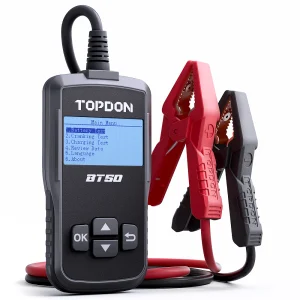
Our EV battery diagnostic systems support SAE J1939, UDS over CAN, and DoIP. The software reads battery parameters such as pack/cell voltages, temperatures, State of Charge (SOC), State of Health (SOH), and internal resistance directly from the BMS.
Systems like the AlignADAS S700 integrate sensor calibration data with mechanical alignment measurements. The software guides technicians through positioning the calibration frame, matching target coordinates, and verifying steering angle sensor alignment in a unified process.
We offer a comprehensive 12-month warranty on hardware, lifetime software security updates, and dedicated technical support via video call or email. Distributors also receive technical manuals, marketing assets, and remote setup assistance.
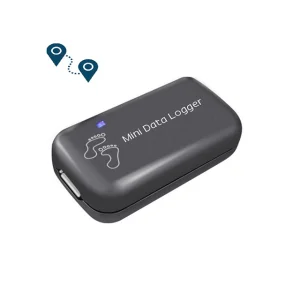
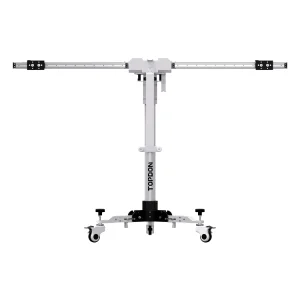
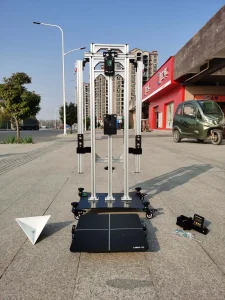
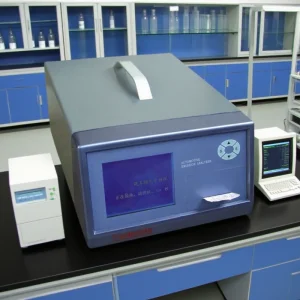
Explore our full range of vehicle maintenance systems, from GPS loggers and exhaust analyzers to advanced ADAS target calibration assemblies.

 Manata Scanner