Manata Scanner
1 / 5
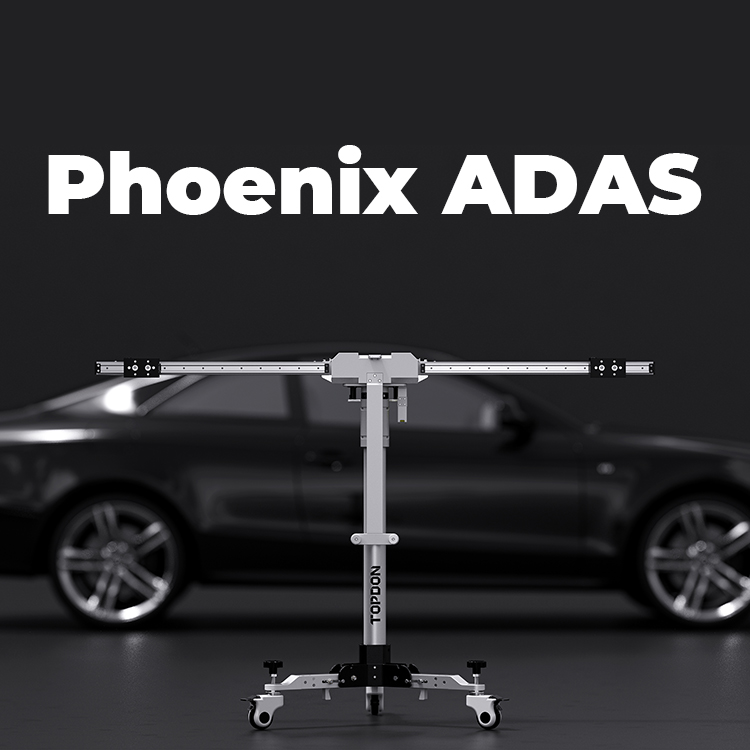
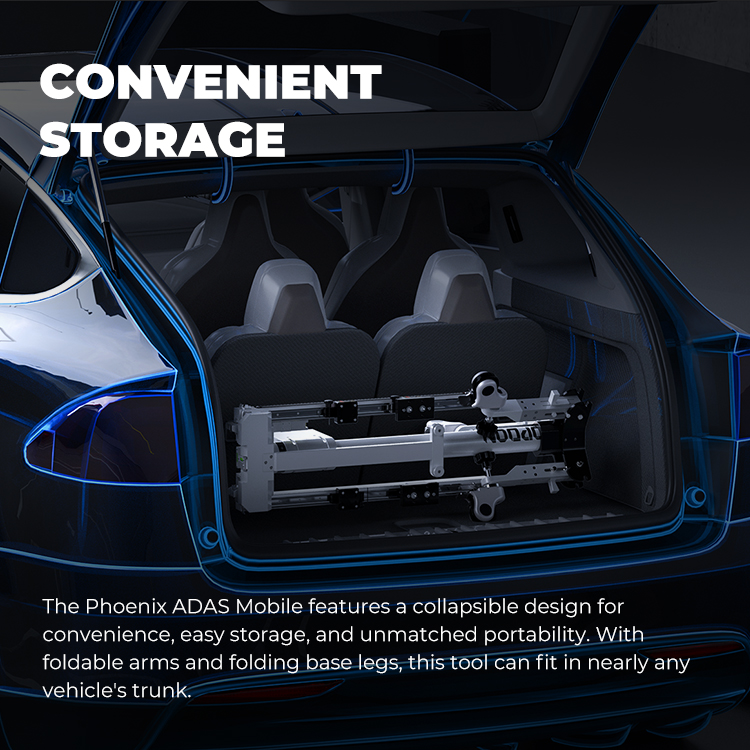
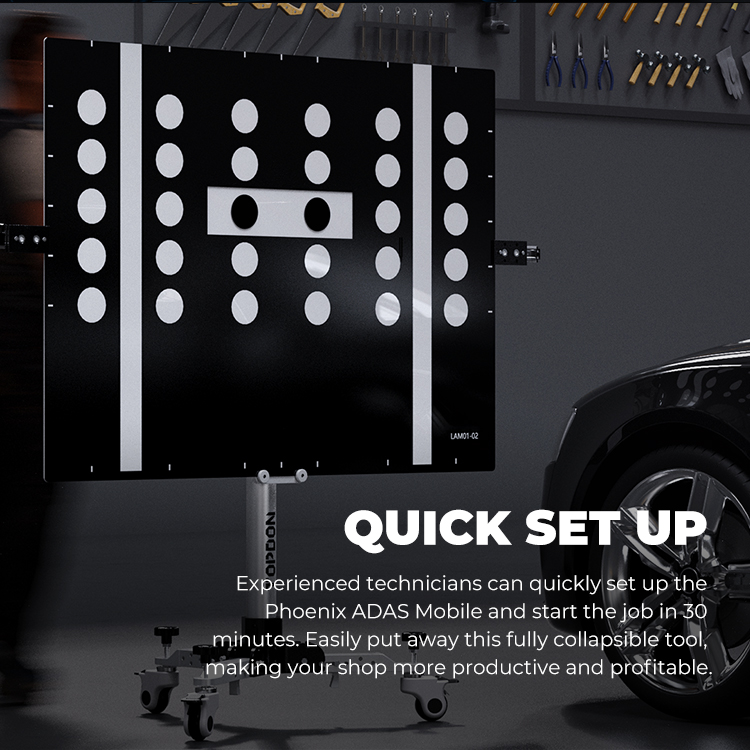
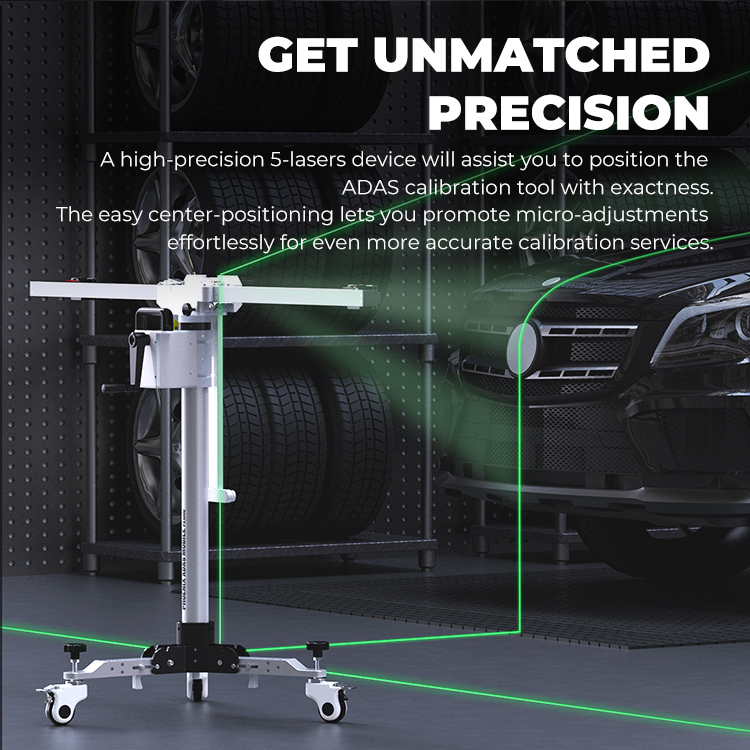
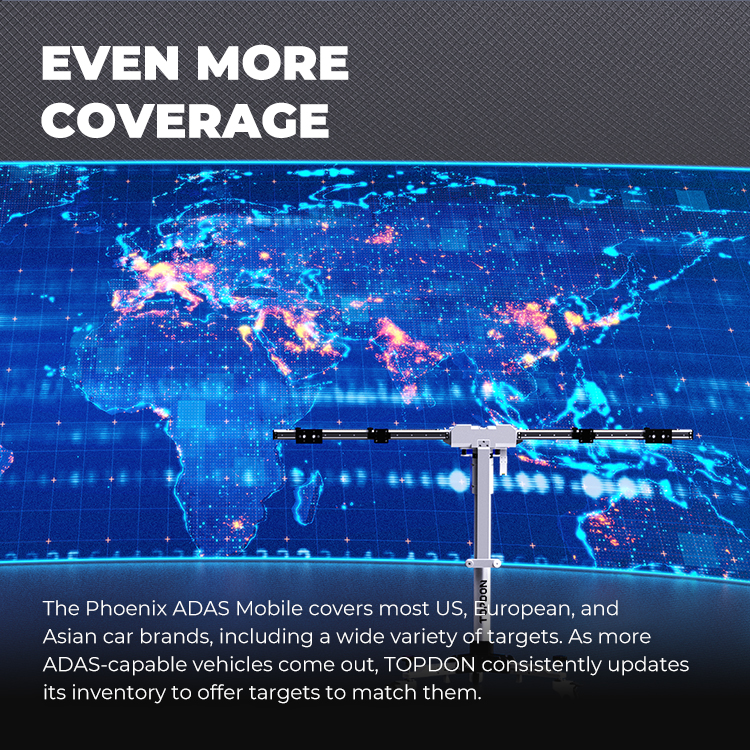
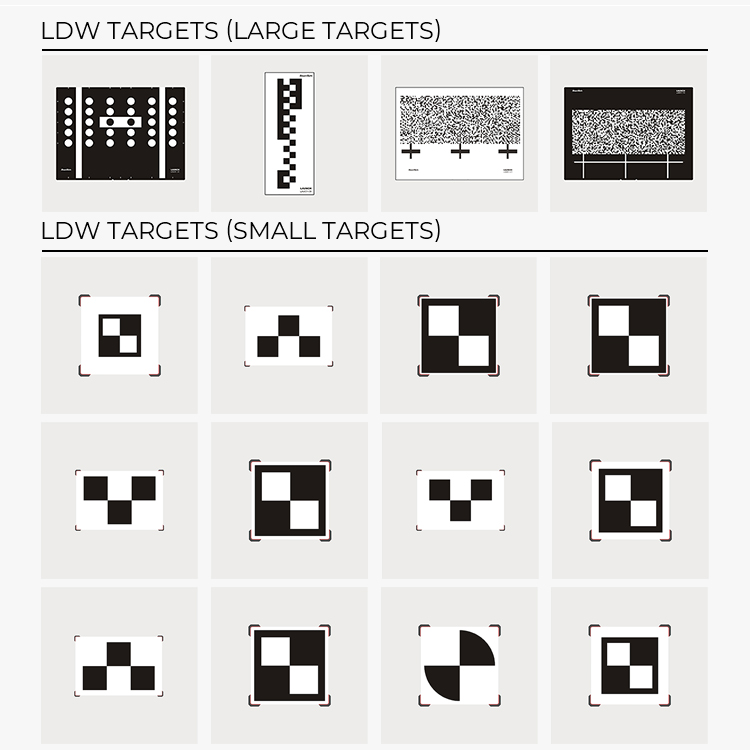
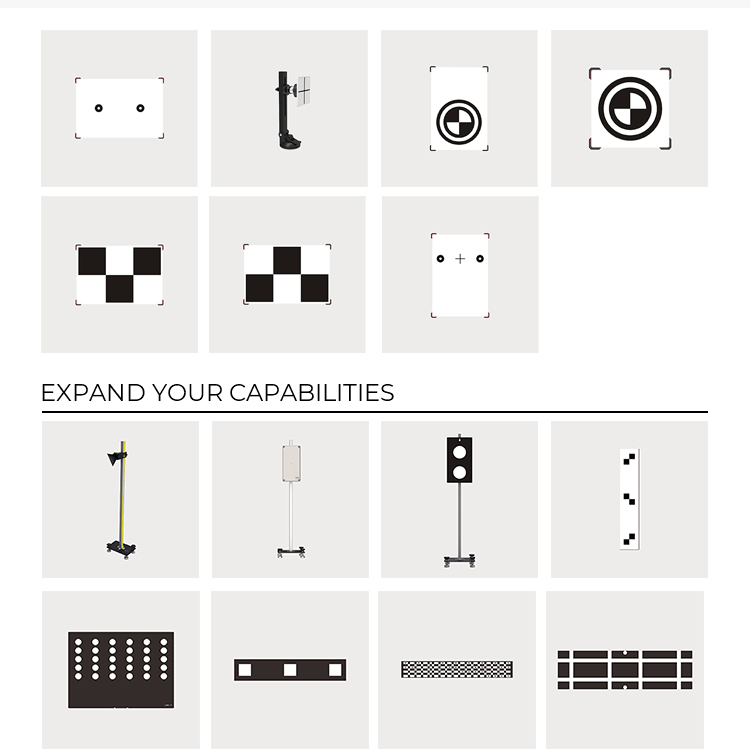
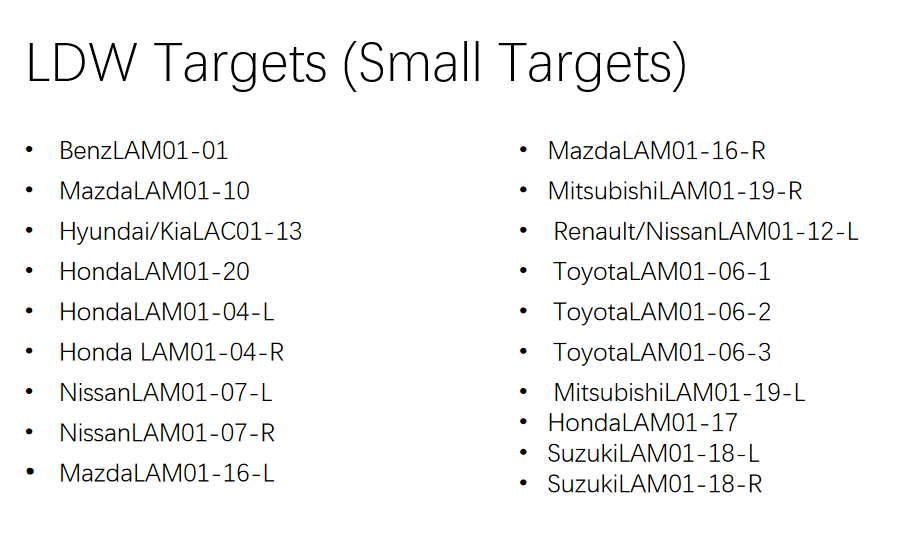

The ADAS (Advanced Driver Assistance System) uses image processing cameras, radar, light detection, and other sensors to monitor the vehicle's surroundings and detect potentially dangerous situations. The purpose is to increase safety through advanced situational awareness and reduce collision possibilities. Sensors used in ADAS include cameras, radars, lasers, and ultrasound. They can detect light, heat, pressure, and other variables used to monitor the vehicle. Usually, they are located in the front and rear bumpers, side mirrors, vehicle cab, and windshield glasses.
When repairing a vehicle after an accident, the calibration of the relevant auxiliary systems needs to be performed. When disassembling or reinstalling monitoring components such as cameras, radars, and sensors, replacing the vehicle ECU, or the vehicle height, the auxiliary and other systems will also need to be calibrated.
The front-view camera captures what is in front of the vehicle. It's used in a number of ADAS Systems, including Lane Departure Warning (LDW), Lane Keeping Assist (LKA), and Traffic Sign/Signal Recognition (TSR) - often in conjunction with other sensors, cameras, or sensing systems to provide input data.
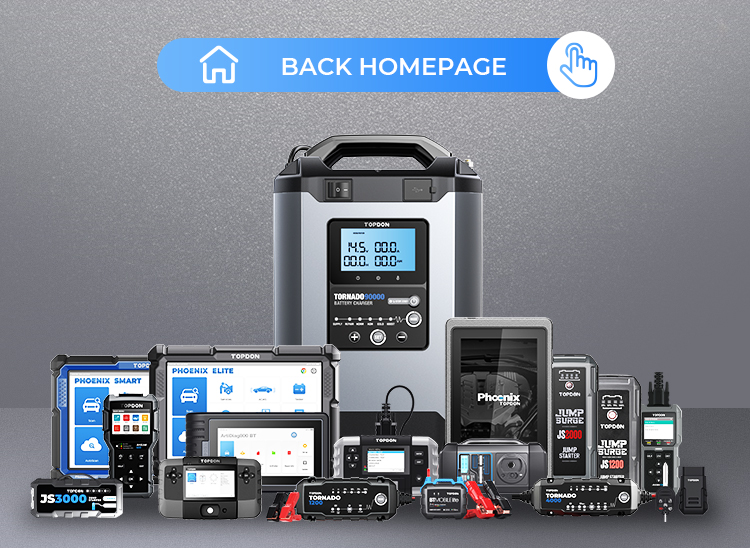
To get an ADAS calibration software, you can purchase a Phoenix diagnostics scanner or upgrade your existing Phoenix tablet.
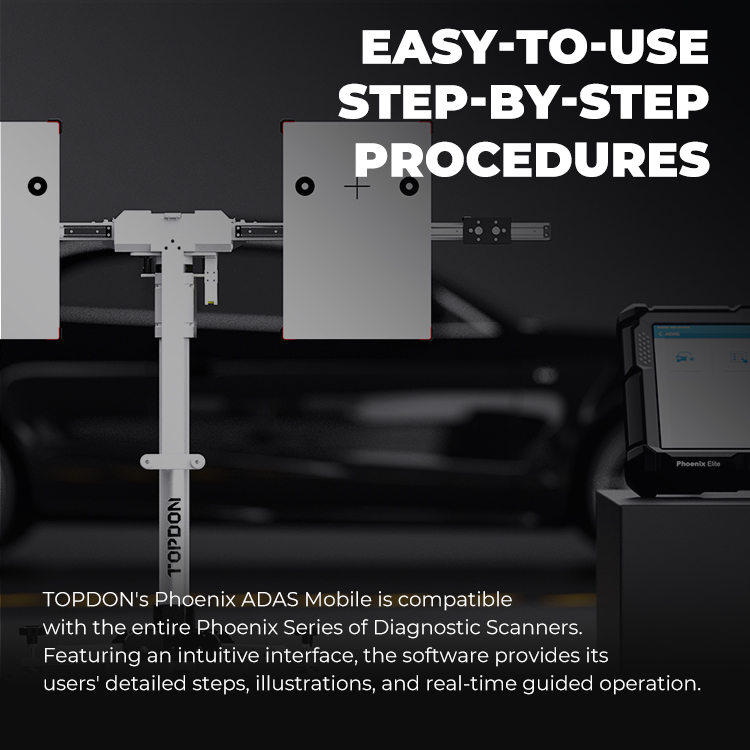
Upgrade Instructions: The Phoenix ADAS mobile accessories come with an activation card, including a password. Simply tap on the tablet's ADAS menu to activate the calibration function. The ADAS Mobile is compatible with the entire Phoenix Line.
Anything that affects the calibrated sensors. The most common needs for recalibration include collisions, window, bumper, hood, or trunk damage, mirror replacements, suspension work, module replacement, direct damage to a sensor, sensor replacements, and wheel alignments.
This depends on each vehicle. For most modern cars, either Stationary or Dynamic calibration procedures are required. Some cars, for instance, might require both.
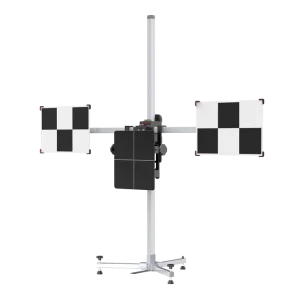
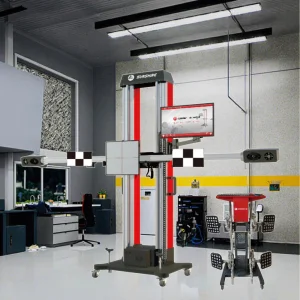
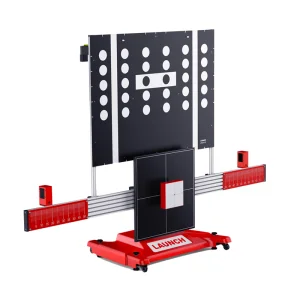
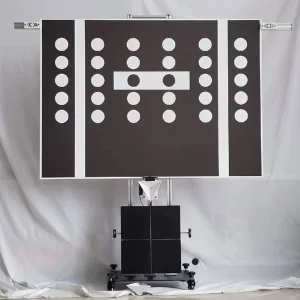
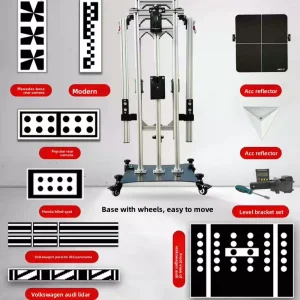
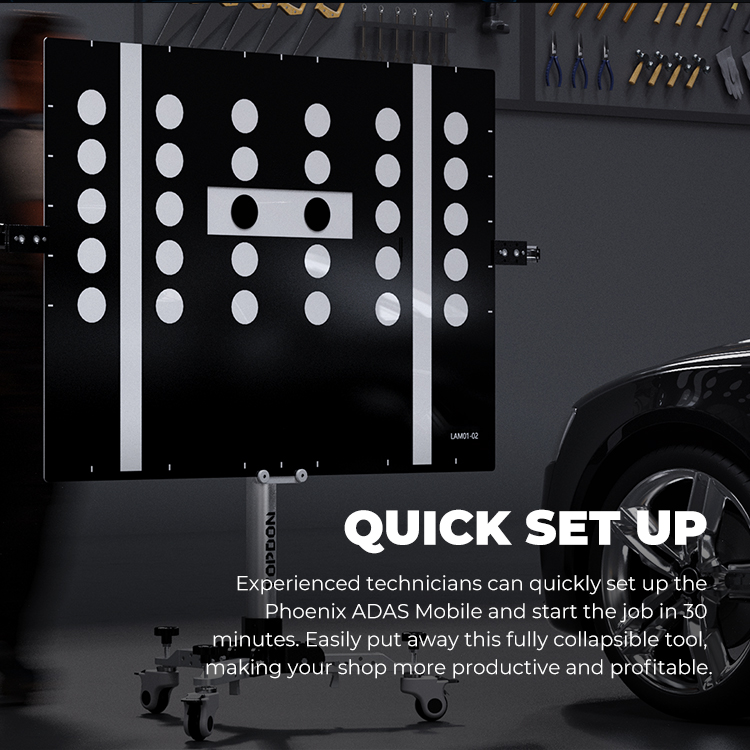
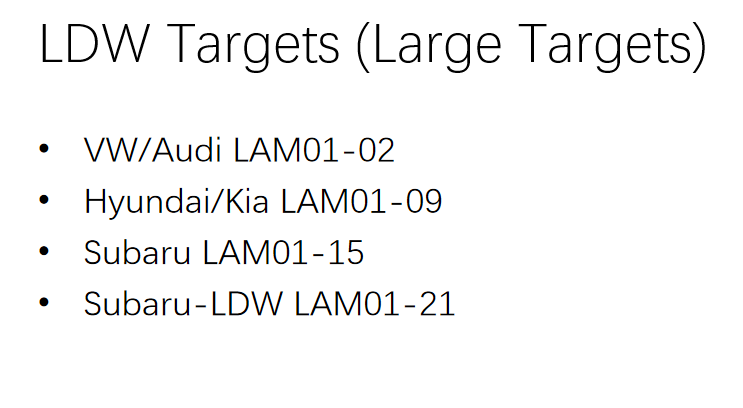
• Stationary calibrations are performed in a shop environment and require the use of targets or patterns.
• Dynamic calibrations require the vehicle to be driven on roadways for a certain amount of time with well-maintained road markings.
• When paired with a Phoenix scanner, technicians can perform both stationary and dynamic calibrations.