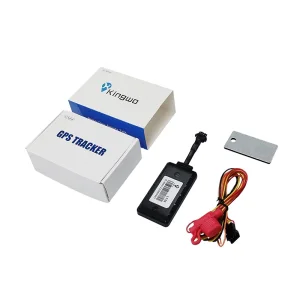
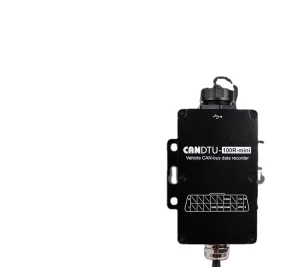
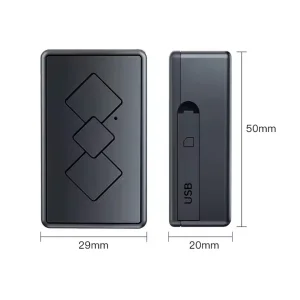
Pre-configured vehicle speed trackers, industrial diagnostic diagnostic interface modules, and sub-meter level GNSS tracking arrays deployed by global labs and Silicon Valley pilot fleets.
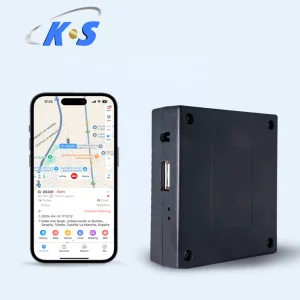
The San Francisco Bay Area stands as the epicentre of autonomous vehicle (AV) software programming, robotic sensor integration, and intensive field validation operations. Developing robust L4/L5 driving software requires processing exabytes of operational data. Standard CAN interface tools are no longer sufficient; engineering groups require robust, physical-layer diagnostics, sub-microsecond synchronization, and high-frequency CAN FD data loggers configured for zero-loss long-term operation.
From traversing steep incline profiles in downtown San Francisco, navigating complex multi-lane highway geometries on Route 101, to conducting thermal performance tests across the East Bay, diagnostic hardware must run continuously. Real-time telemetry systems allow engineering centers in San Francisco, Sunnyvale, and San Jose to retrieve bus metrics, coordinate sensor payload cycles, and analyze edge failures immediately.
Shenzhen Manata Scanner Co., Ltd. addresses these high-frequency network logging requirements by engineering multi-channel, isolated CAN / CAN FD, and GNSS integrated logging devices. We bridge the gap between rapid software prototyping and hardware execution cycles by delivering rugged, automotive-grade loggers designed for continuous deployment in test vehicle fleets.
Direct LTE-M/4G cloud synchronization pushes high-frequency CSV or MDF4 data logs directly into AWS S3/Azure storage backends for instant engineering team ingestion.
Synchronization of multiple CAN FD rings and external GPS timelines ensures sub-millisecond accuracy for analyzing chassis control changes, steering angles, and perception sensor data.
As vehicle electronics scale, classic architectures are giving way to high-bandwidth networks. Our engineering roadmap supports these changes.
Transitioning from CAN 2.0B (1 Mbps) to CAN FD (Flexible Data-rate up to 5-8 Mbps) is essential for processing high-density ADAS payload configurations. Our devices offer high-bandwidth frame capture, complete error frame detection, and database matching (.DBC format) to translate raw hexadecimal streams into physical metrics on-the-fly.
By implementing Ethernet physical-layer protocols (100BASE-T1), modern vehicles allow high-speed flashing and high-throughput monitoring. Our logging platforms integrate DoIP diagnostic gateways to interface with both traditional ECUs and high-performance central vehicle computers.
Chassis dynamics and autonomous pathing algorithms rely on precise position telemetry. Our analyzers utilize dual-frequency GPS, GLONASS, and BeiDou constellation receivers coupled with RTK networks to record vehicle positioning data down to centimeter-level accuracy.
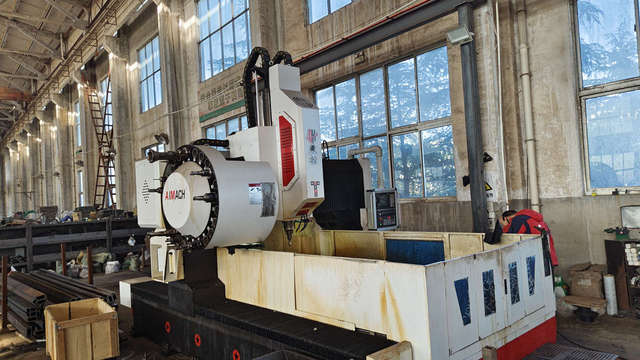
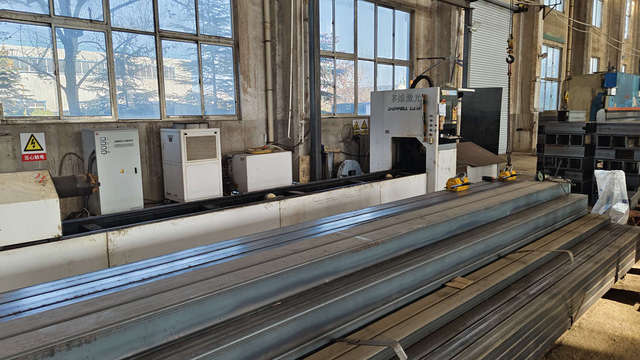
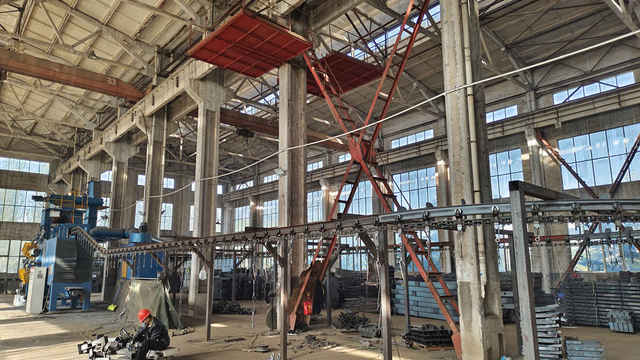
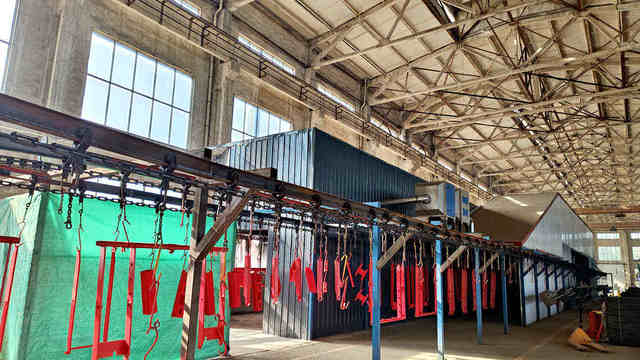
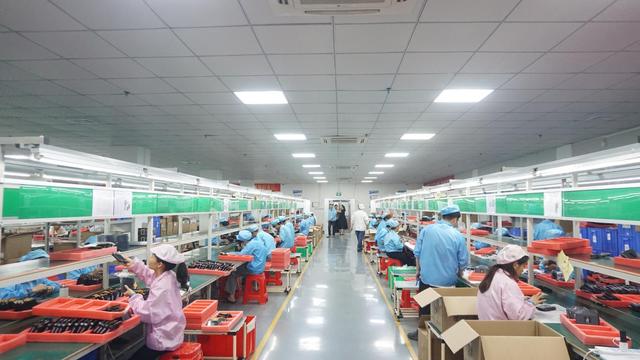
Headquartered in the global electronics manufacturing capital of Shenzhen, Shenzhen Manata Scanner Co., Ltd. operates an advanced Factory 4.0 infrastructure. We combine automated component pick-and-place precision with specialized testing protocols to guarantee consistent product quality.
Our ISO 9001:2015-certified manufacturing facility features modern Surface Mount Technology (SMT) lines, automated optical inspection systems (AOI), and in-circuit testing arrays. Every automotive data logger undergoes thermal stress profiling, high-vibration screening, and multi-day burn-in phases. This rigorous validation ensures stable operation under severe vehicle operating environments (-40°C to +85°C).
By optimizing our localized component supply networks, we maintain raw material inventory cycles that shield our international partners from supply disruptions. We offer design flexibility, rapid prototyping, and high-volume production output, ensuring San Francisco R&D programs progress from concept to scale validation without delay.
Inquire About Production CapabilitiesDeploying specialized sub-systems for heavy-duty fleet administration, ADAS optimization, and high-voltage vehicle validation.
High-resolution camera tracking, RADAR positioning, and LiDAR triggers generate extensive raw network traffic. Our loggers synchronize spatial reference timelines with vehicle CAN/LIN data streams, allowing engineers to correlate perception sensor performance with physical braking inputs, steering angles, and diagnostic codes.
New energy vehicle platforms place heavy demands on battery management systems (BMS). Our devices log temperature gradients, internal cell resistances, state-of-health (SOH), and charging profiles across high-voltage batteries. This data supports battery safety and thermal management optimization.
For large-scale test fleets and logistics operators, we provide telematics solutions that stream vehicle health metrics directly to fleet managers. Standardized J1939 and OBD-II configurations track fuel usage and identify engine faults, helping operators reduce repair expenses and manage fleet uptime.
As a global developer and exporter of diagnostic systems, Manata Scanner complies with the strict international guidelines required for integration into commercial vehicle designs. Our engineering systems conform to FCC Part 15 subparts for North American operation, carry full CE certifications, and meet RoHS directive requirements.
We supply engineering teams in the San Francisco market with ready-to-deploy hardware configurations. Our developer platforms provide open APIs, C++ programming libraries, and Python software development kits (SDKs). These tools simplify integration into custom data analysis workflows, cloud platforms, and engineering control desks.
Through our dedicated distribution and technical support infrastructure, we provide prompt hardware exchanges, custom firmware builds, and responsive remote engineering assistance to ensure your development programs run smoothly.
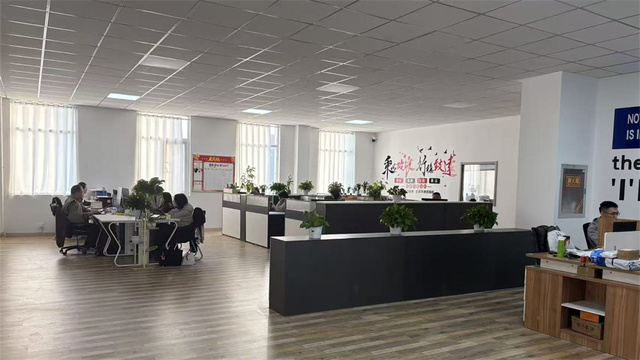
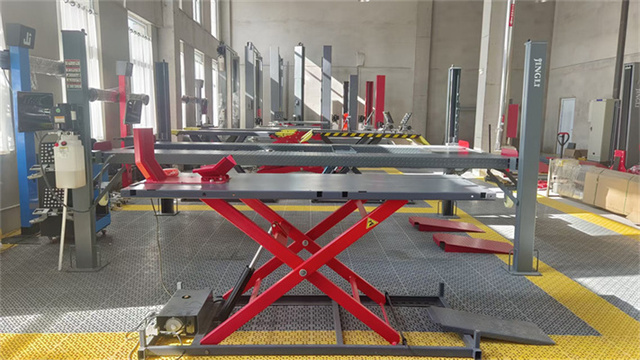
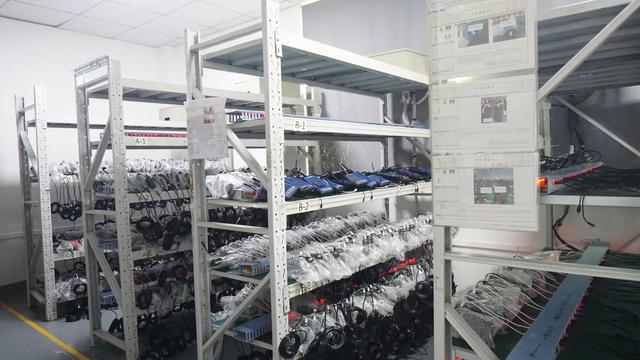
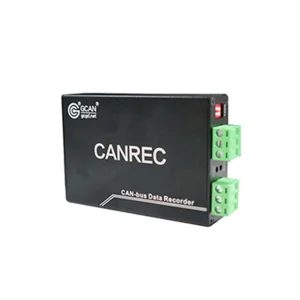
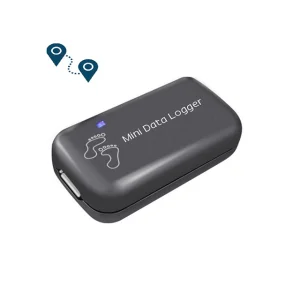
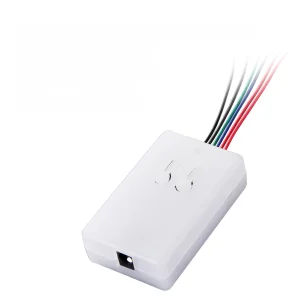
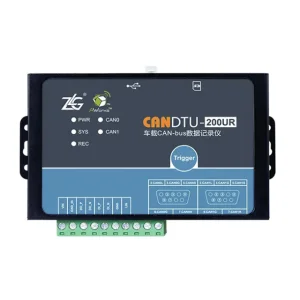
Explore our complete catalog of CAN recorders, specialized temperature monitors, and wireless telemetry diagnostic modules.
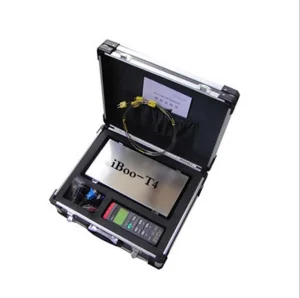
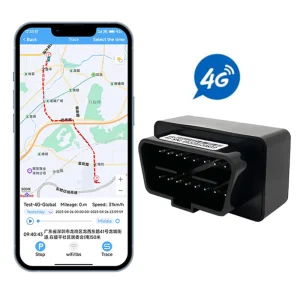
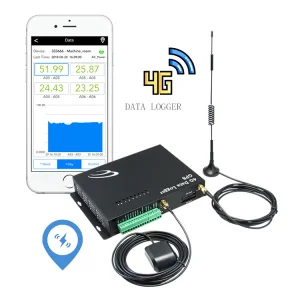
Technical guidance for instrumentation engineers, autonomous systems developers, and hardware specialists.
Whether you require custom CAN FD telemetry loggers for autonomous vehicle testing in San Francisco or looking to import high-volume vehicle diagnostics interfaces, our team provides technical support and tailored hardware solutions.
 Manata Scanner