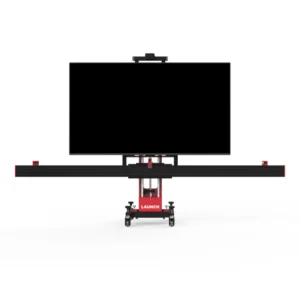
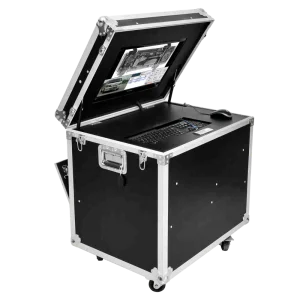
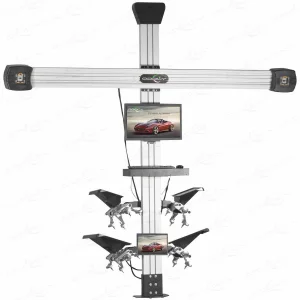
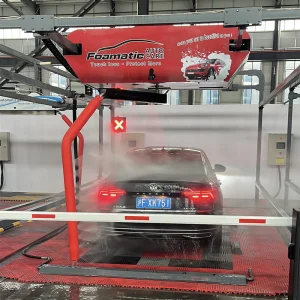
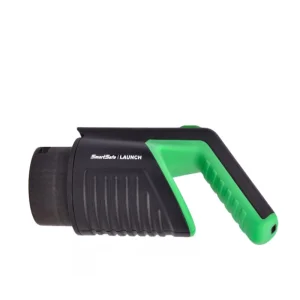
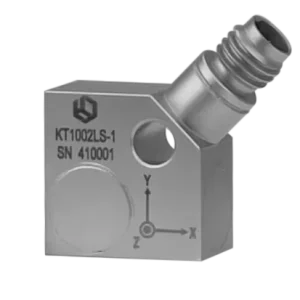
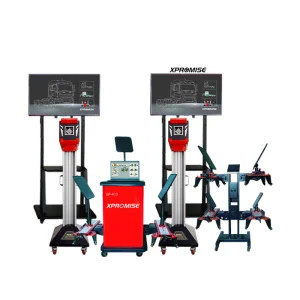
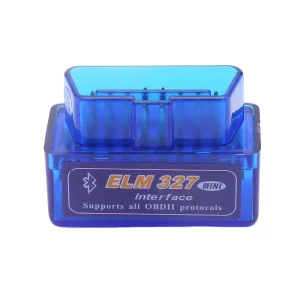
Explore our latest high-precision alignment, scanning, and calibration tools engineered for automotive workshops and fleet maintenance.
Years R&D Excellence
Exporting Regions
Strict QC Inspection
Certified Production Lines
Shenzhen Manata Scanner Co., Ltd. is a leading China automotive diagnostic equipment manufacturer specializing in advanced vehicle inspection systems and ECU diagnostic solutions for the global automotive aftermarket. With a strong commitment to innovation, quality, and intelligent vehicle servicing, Manata Scanner delivers reliable diagnostic technologies designed to improve maintenance efficiency, reduce downtime, and support modern workshop operations.
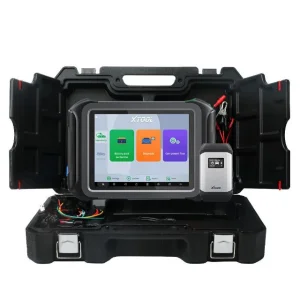
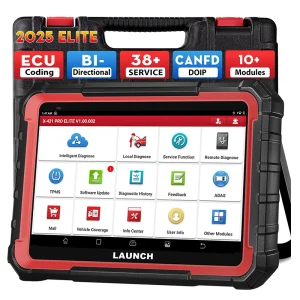
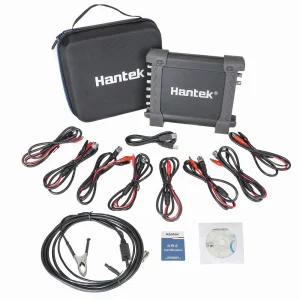
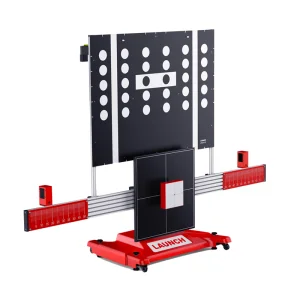
The company offers a comprehensive portfolio of automotive diagnostic equipment, including vehicle inspection systems, ECU programming and coding tools, automotive scan tools, ADAS calibration equipment, EV battery diagnostic systems, TPMS diagnostic devices, and intelligent fleet diagnostic solutions. These products are widely used by automotive repair workshops, vehicle inspection centers, dealerships, fleet operators, and maintenance service providers worldwide.
Driven by continuous technological innovation, Shenzhen Manata Scanner Co., Ltd. integrates artificial intelligence, cloud connectivity, big data analysis, and advanced electronic testing technologies into its product development process. The company's R&D team focuses on creating intelligent, accurate, and user-friendly diagnostic solutions capable of meeting the evolving requirements of both conventional and new energy vehicles.
Quality is at the core of Manata Scanner's manufacturing philosophy. The company implements strict quality management procedures throughout design, production, testing, and final inspection to ensure stable performance and long-term reliability. Its products are engineered to comply with international standards and are exported to customers across Europe, North America, South America, Southeast Asia, the Middle East, and other global markets.
Committed to becoming a trusted global partner in automotive diagnostics, Shenzhen Manata Scanner Co., Ltd. continues to provide innovative products, professional technical support, and customized solutions that help customers enhance service capabilities and operational efficiency.
Information Gain Highlight: Modern multiplexed communication protocols (such as CAN-FD, DoIP, and FlexRay) demand zero signal degradation. As vehicle electrical systems evolve, standard continuity testers are no longer sufficient. Integrated circuit diagnostics require advanced signal integrity verification, high-voltage isolation resistance testing, and computerized micro-short detection to prevent catastrophic control module damage.
The global automotive industry is undergoing a monumental transition toward electrification, automation, and continuous connectivity. Underpinning this evolution is the vehicle's electrical distribution system (EDS) — commonly referred to as the wiring harness. Often described as the central nervous system of the vehicle, the modern wiring harness connects thousands of sub-components, micro-controllers, sensors, actuators, and battery cells. Consequently, the demand for sophisticated vehicle wiring testers has scaled rapidly from niche workshop diagnostics to critical industrial quality control infrastructure.
Industrial wiring harness testing has shifted from simple manual multimeter probes to automated, software-driven test systems. These advanced platforms are capable of evaluating complex wire pathways in milliseconds. In Europe and North America, strict safety directives require extensive testing of high-voltage wire harnesses in electric vehicle (EV) platforms. These systems operate at potentials exceeding 800V, presenting significant risk of thermal runaway, dielectric breakdown, or electromagnetic interference (EMI) if micro-faults remain undetected.
China has long established itself as the global manufacturing hub for electronics, and the automotive diagnostic sector is no exception. Sourcing vehicle wiring testers and diagnostic systems from China-based manufacturers yields distinct operational advantages for international distributors and OEMs:
Vehicle wiring testers and multi-system diagnostic suites are deployed across various critical sectors of the automotive lifecycle:
End-of-line (EOL) harness testing verifies correct pinout configuration and connector mating before panels are fitted to the chassis, reducing warranty claims.
High-voltage battery pack and insulation testing tools, such as the iSmart EV FC01, verify the integrity of insulation resistance between high-voltage lines and the vehicle chassis.
ADAS sensors rely on stable power and communication pathways. High-speed testing systems ensure that radar and camera networks receive undistorted signals.
Historically, wiring harness testing focused on continuity (open circuits) and cross-wiring (short circuits). However, the inclusion of complex electronics in Software-Defined Vehicles (SDVs) has made physical continuity tests obsolete as a standalone solution. The current industry standard requires evaluating physical, electrical, and data-link layers simultaneously.
Modern testing platforms integrate high-frequency analysis to evaluate signal attenuation in twisted-pair Ethernet cabling. Advanced Time Domain Reflectometry (TDR) technology is integrated directly into compact handheld diagnostic units to pinpoint the exact location of a wire break within a harness bundle, down to the millimeter. Furthermore, cloud connectivity allows diagnostic systems to pull vehicle-specific ECU network topologies, cross-referencing live data stream metrics with known harness layouts to locate intermittent grounding faults.
When selecting a manufacturing partner in China for vehicle wiring, ECU, and high-voltage diagnostic equipment, procurement managers should evaluate the following parameters to ensure system reliability and long-term durability:
| Evaluation Parameter | Industry Standard Requirements | Critical Impact / Benefit |
|---|---|---|
| Supported Protocols | CAN, CAN-FD, LIN, K-Line, DoIP, J2534 passthru | Ensures full compatibility with legacy vehicle models and modern architectures. |
| Insulation Resistance | Up to 1000V DC testing limit, GΩ range detection | Essential for safe high-voltage testing of EV battery packs and motor cabling. |
| Interfering Signal Shielding | EMI/EMC compliance to CISPR25 specifications | Prevents false positive diagnostics in modern workshop environments. |
| Hardware Ruggedness | IP54 rated shell, drop resistance up to 1.2m | Guarantees service life in active, harsh workshop or garage settings. |
| Firmware Support | Over-the-Air (OTA) secure cloud updates | Enables rapid upgrades as new vehicle makes and models enter the market. |
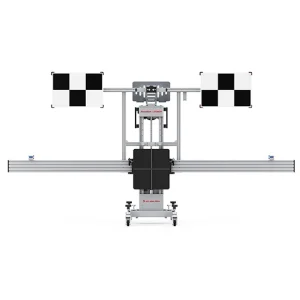
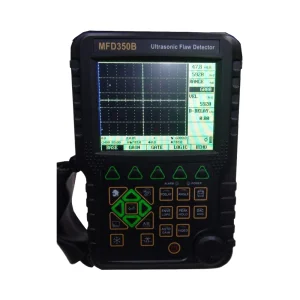
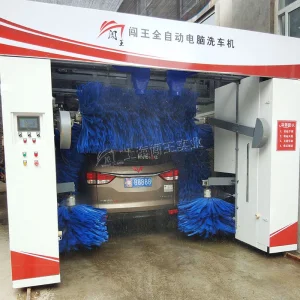
Discover highly specialized calibration systems, under-vehicle scanners, and automated wash solutions designed for automotive service networks.
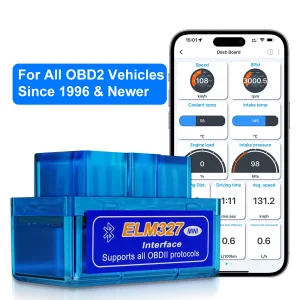
Get authoritative insights on vehicle wiring inspection, battery pack testing, and automotive scan tool operations.
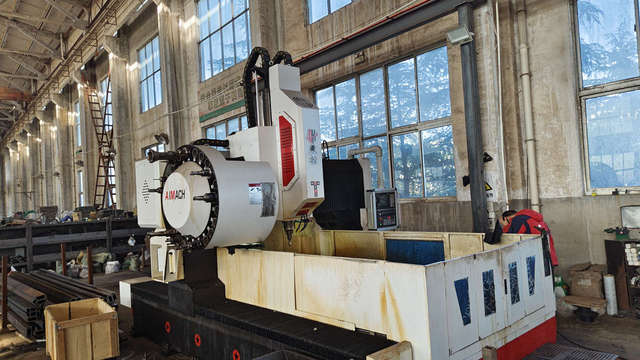
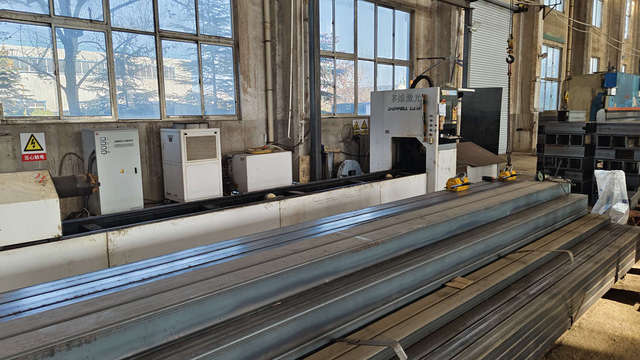
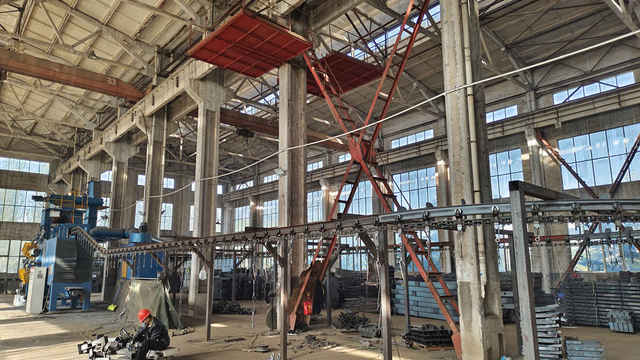
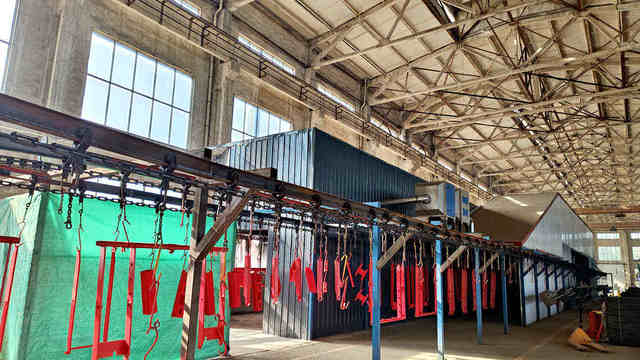
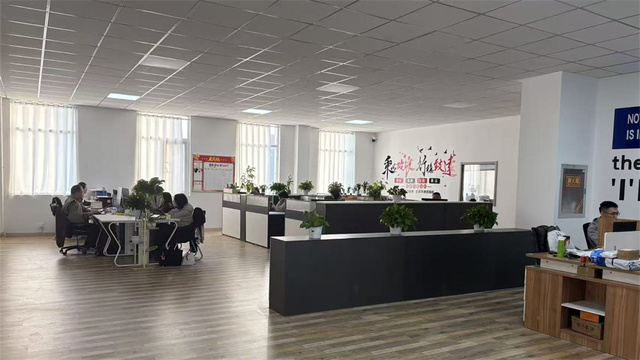
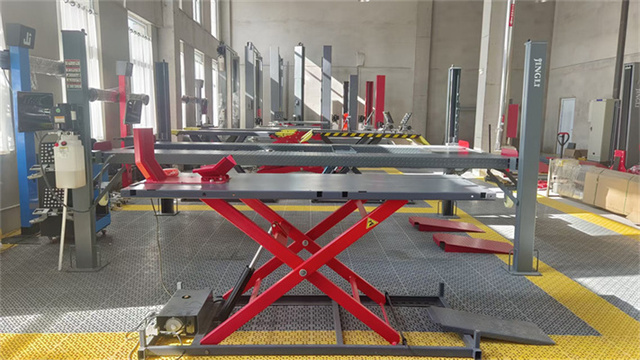
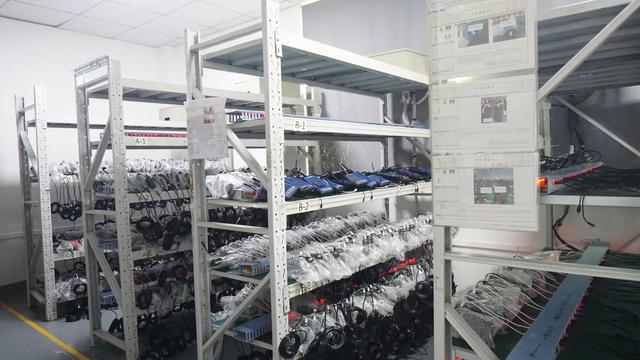
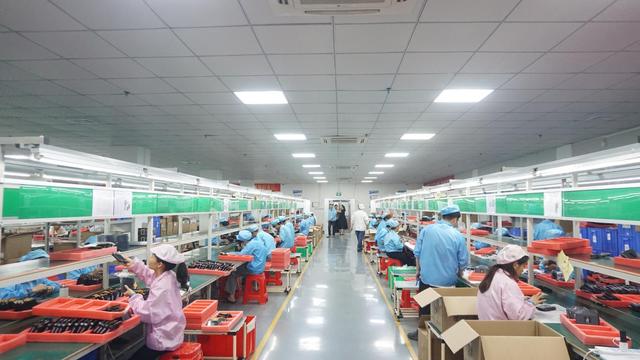
Take a look inside our manufacturing floor, testing processes, and advanced diagnostic assembly lines.
 Manata Scanner