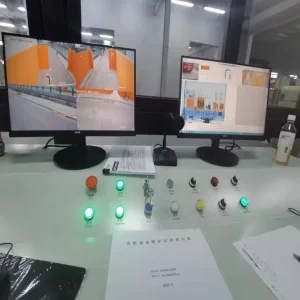
Explore our cutting-edge diagnostic scanners, ECU programming equipment, and cell calibration solutions engineered to support modern mechanical workshops and EV repair centers.
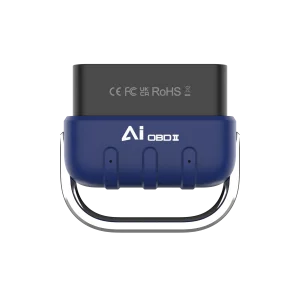
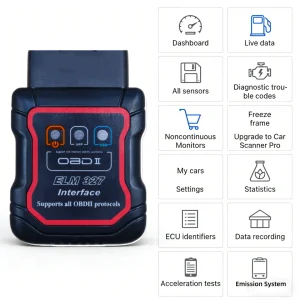
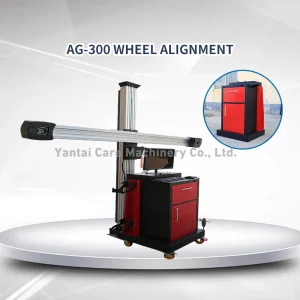
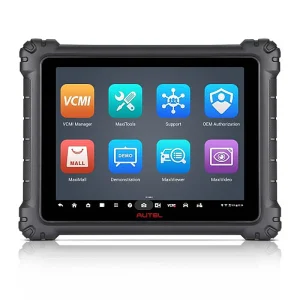
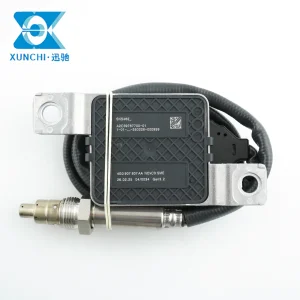
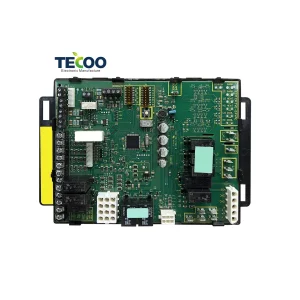
The global automotive aftermarket is undergoing a structural paradigm shift. Traditionally, diagnostic instruments were isolated, mechanical meters designed to measure basic electrical drops across lead-acid starting, lighting, and ignition (SLI) systems. Modern vehicular architectures rely on high-bandwidth Controller Area Networks (CAN bus), FlexRay communications, and high-voltage traction battery arrays. As global vehicle fleets transition to hybrid and battery electric vehicle (BEV) technologies, the requirements for automotive load testers and diagnostics have transformed from simple testing devices to cloud-integrated diagnostic systems.
Today's industrial logistics centers, original equipment manufacturer (OEM) dealer workshops, and heavy-duty transport maintenance depots demand diagnostics that evaluate battery health alongside electrical transients, complex sensor arrays, and advanced driver-assistance systems (ADAS). Sourcing teams and diagnostic distributors require reliable manufacturers who can combine robust hardware (such as high-end 25k80 microchips) with firmware capable of supporting rapid over-the-air (OTA) database updates. The goal is to maximize fleet uptime and minimize diagnostic labor costs through automated testing procedures.
Determining the actual capacity and reliability of an automotive battery requires precision instrumentation. Traditional carbon pile load testers draw high currents (typically half the Cold Cranking Amps rating for 15 seconds) to observe voltage response. While effective for traditional lead-acid batteries, this method releases heat and risks spark discharge, making it unsuitable for highly sensitive electronics, lithium-ion setups, or hybrid battery modules.
By applying a low-frequency AC signal across battery terminals, advanced processors analyze voltage phases to determine structural health, plate sulfation levels, and dry cell conditions. This technique is critical for modern Start-Stop vehicles equipped with Absorbent Glass Mat (AGM) or Enhanced Flooded Batteries (EFB), where precise charge recovery calculations prevent alternator overworking and control fuel consumption.
| Testing Parameter | Carbon Pile Load Testers | Dynamic Conductance Analyzers | High-Voltage EV Impedance Testers |
|---|---|---|---|
| Primary Application | Conventional Lead-Acid Batteries | AGM, EFB, GEL, Flooded SLI Systems | Traction Battery Packs (LiFePO4, NCM) |
| Test Duration | 10 - 15 seconds | < 3 seconds | Continuous system monitoring |
| Thermal Load | High (requires cooling cycles) | Negligible (non-destructive) | None (purely algorithmic analysis) |
| Safety Standard | Medium (manual exhaust required) | High (no spark risk) | Maximum (galvanic isolation required) |
Electrification has changed the workshop diagnostic matrix. Mechanics no longer measure standard Cold Cranking Amps (CCA); they analyze State of Health (SOH), State of Charge (SOC), cell voltage balance variance, and thermal dissipation metrics. Hybrid and Electric Vehicles (EVs) operate on bus networks exceeding 400V to 800V, requiring isolated testing tools.
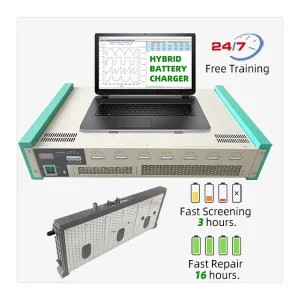
Advanced diagnostic systems, like the Autel Maxisys Ultra EV Kit or specialized hybrid battery reconditioners, connect directly to the battery management system (BMS) through specialized OBD2 interfaces. These systems read cell telemetry and execute active capacity-charge-discharge balance routines to balance individual cell voltages. If cells differ by even a few millivolts, the BMS limits output, reducing vehicle range. Active balance systems measure and match individual cells, extending traction pack service life and reducing overall replacement costs.
Diagnosing modern vehicles requires tools calibrated for regional climates, local driving patterns, and varying environmental conditions:
Shenzhen Manata Scanner Co., Ltd. is a leading China automotive diagnostic equipment manufacturer specializing in advanced vehicle inspection systems and ECU diagnostic solutions for the global automotive aftermarket. With a strong commitment to innovation, quality, and intelligent vehicle servicing, Manata Scanner delivers reliable diagnostic technologies designed to improve maintenance efficiency, reduce downtime, and support modern workshop operations.
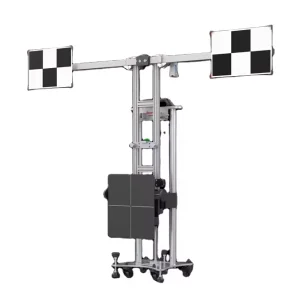
The company offers a comprehensive portfolio of automotive diagnostic equipment, including vehicle inspection systems, ECU programming and coding tools, automotive scan tools, ADAS calibration equipment, EV battery diagnostic systems, TPMS diagnostic devices, and intelligent fleet diagnostic solutions. These products are widely used by automotive repair workshops, vehicle inspection centers, dealerships, fleet operators, and maintenance service providers worldwide.
Driven by continuous technological innovation, Shenzhen Manata Scanner Co., Ltd. integrates artificial intelligence, cloud connectivity, big data analysis, and advanced electronic testing technologies into its product development process. The company's R&D team focuses on creating intelligent, accurate, and user-friendly diagnostic solutions capable of meeting the evolving requirements of both conventional and new energy vehicles.
Quality is at the core of Manata Scanner's manufacturing philosophy. The company implements strict quality management procedures throughout design, production, testing, and final inspection to ensure stable performance and long-term reliability. Its products are engineered to comply with international standards and are exported to customers across Europe, North America, South America, Southeast Asia, the Middle East, and other global markets.
Committed to becoming a trusted global partner in automotive diagnostics, Shenzhen Manata Scanner Co., Ltd. continues to provide innovative products, professional technical support, and customized solutions that help customers enhance service capabilities and operational efficiency.
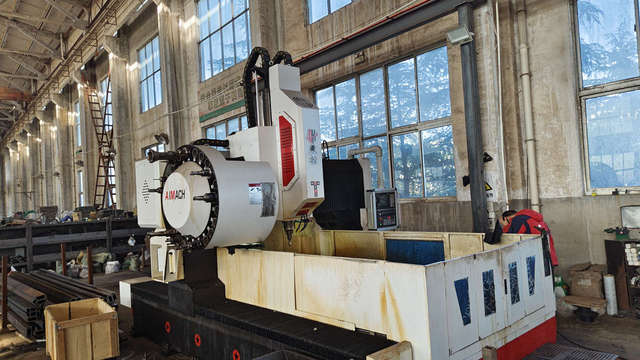
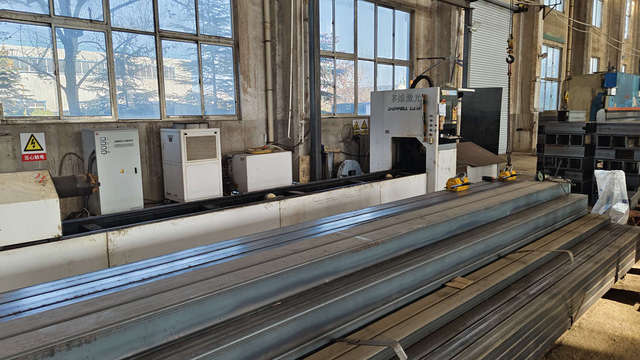
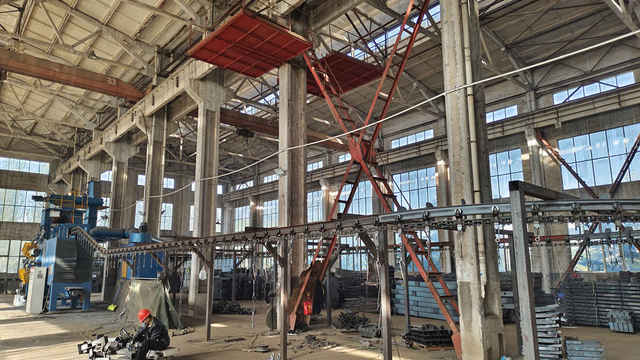


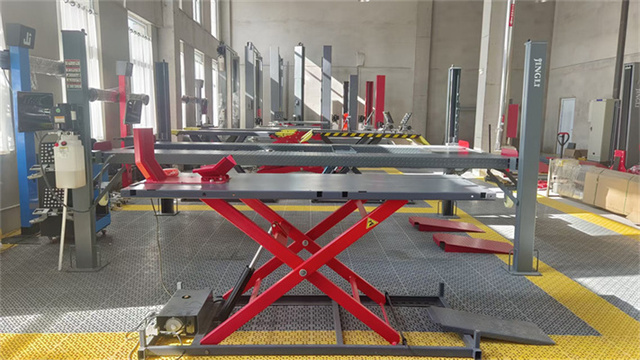
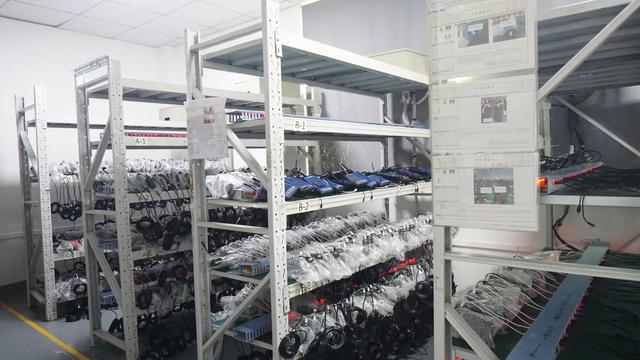
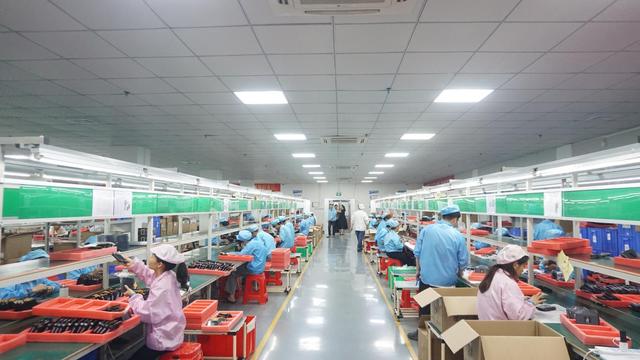
Shenzhen, China, sits at the center of the global electronics and hardware manufacturing ecosystem. For automotive diagnostic instruments, this localization translates into significant speed, cost, and technological benefits. From initial PCB layout design to final automated plastic injection molding, the entire production workflow operates within a compact regional footprint, shortening product development times and keeping costs competitive.
Our facility runs automated Surface Mount Technology (SMT) lines to populate complex PCBs, using high-speed pick-and-place equipment to install high-performance chips. Component-level reliability is verified through automated optical inspection (AOI), high-energy X-ray testing, and burn-in chambers that simulate years of workshop service. In-house control of firmware flashing, bootloader optimization, and calibration ensures that our instruments remain stable even under harsh garage conditions, such as high heat, dust, and electrical noise.
Sourcing directly from Shenzhen allows distributors to customize hardware features (OEM/ODM), modify casing designs, localize language packages, and bundle diagnostic software. Close proximity to key suppliers minimizes lead times, helping partners keep inventory levels lean and respond quickly to market changes.
The next generation of vehicle testing tools will be defined by connectivity, artificial intelligence, and predictive maintenance. We are focusing our research and development on several key areas:
Selling diagnostic equipment globally requires strict adherence to safety, radio, and environmental standards. Our diagnostic devices and vehicle inspection systems are fully certified to meet major international regulatory criteria:
Our wireless devices undergo testing for FCC and CE certification to ensure they meet radio-frequency interference standards. This guarantees that Bluetooth interfaces run cleanly without disrupting other wireless equipment in the workshop. All structural metal components, wiring harnesses, and battery clips conform to RoHS directives, preventing toxic heavy metals from entering the waste stream. Our high-voltage battery diagnostic systems incorporate galvanic isolation, overload safety barriers, and reverse-polarity protection to keep technicians safe during routine testing.
Get answers to common technical and sourcing questions about automotive load testers and vehicle diagnostics.
Static testing reads the battery's open-circuit voltage without load, offering a basic indicator of charge. Dynamic load testing applies a real electrical load or measures internal conductance, revealing how the battery performs under cranking conditions. This identifies high internal resistance or weak cells that static voltage checks miss.
Bluetooth 5.4 provides faster data transmission, improved range, and lower power consumption. In busy workshop environments, it reduces connection dropouts, speeds up data transfers during large ECU updates, and minimizes interference from other wireless networks.
No. Conventional 12V testers are designed for lead-acid starter batteries. EV traction battery packs operate at much higher voltages (400V to 800V) and require specialized diagnostic tools to communicate with the BMS and safely measure individual cell voltages.
Mechanical changes like steering system repairs, wheel alignments, or body work alter sensor angles. ADAS calibration tools realign the radar, LIDAR, and cameras to ensure driver-assistance features like lane-keep assist and emergency braking function correctly.
Yes. As a direct manufacturer, we offer comprehensive OEM/ODM services. This includes custom casing designs, branded user interfaces, custom packaging, and localized language configurations to help distributors meet local market demands.
Our diagnostic systems connect directly to our cloud servers via Wi-Fi. This allows users to download the latest vehicle database updates, software patches, and new features directly to the tool with one click, keeping the tool compatible with new vehicle models.
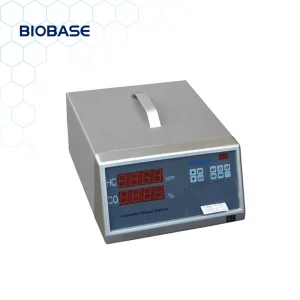
Review our extended range of automotive tools, from emission gas analyzers and large vehicle security systems to circuit testers and active battery balancing systems.
 Manata Scanner