Explore our premium select range of automotive diagnostics, calibration sensors, and testing equipment optimized for global workshop systems.
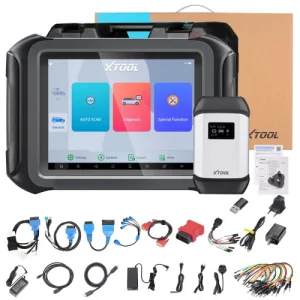
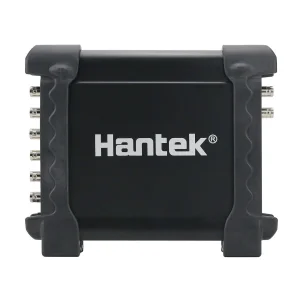
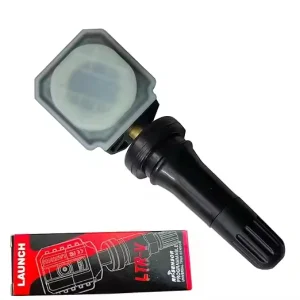
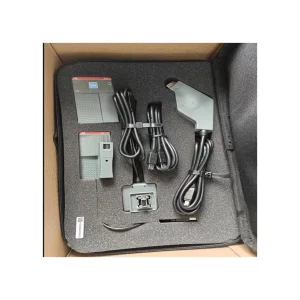
In the modern automotive paradigm, Adaptive Cruise Control (ACC) has moved from a premium option to a standardized safety configuration. Guided by high-frequency radar modules, LiDAR arrays, and multi-lens camera systems, ACC continuously calculates distance variables and throttle adjustments to prevent forward collisions. However, even a minor micro-degree misalignment caused by minor collisions, windshield replacements, or suspension tuning can translate into substantial structural detection errors at highway speeds.
This whitepaper highlights the engineering mechanics and market realities of purchasing, deploying, and utilizing ACC calibration tools. By analyzing the top 10 global manufacturers and factories, our goal is to assist automotive workshop owners, procurement directors, and Tier-1 service providers in selecting systems that conform to safety guidelines like ISO 26262 and SAE J3016.
An alignment error of just 1 degree at the radar sensor translates to a lateral target placement variance of over 1.7 meters at a range of 100 meters. This offset can cause a vehicle to target cars in adjacent lanes or miss stationary obstacles entirely, leading to catastrophic system failure.
Analyzing procurement patterns and service-industry changes in major regional economies.
Driven by strict safety mandates and High Insurance Standard (IIHS) recommendations, American body shops face significant regulatory requirements to document post-collision system verification, boosting demand for comprehensive digital ADAS frames.
The General Safety Regulation (GSR) mandates ADAS across all new vehicle classes. Fleet managers and independent workshop networks require systems that comply directly with Euro NCAP safety rating protocols.
Led by rapid EV production in China, South Korea, and Japan, there is a surge in demand for integrated sensor arrays combining millimeter-wave radar, LiDAR, and smart cameras. The aftermarket requires flexible, cost-effective calibration systems.
A data-backed comparative breakdown of the industry's leading OEM & Aftermarket equipment providers.
| Manufacturer / Brand | Headquarters | Key Integration Feature | Primary Target Segments | Standard Compliance |
|---|---|---|---|---|
| Shenzhen Manata Scanner Co., Ltd. | Shenzhen, China | Intelligent All-in-One ADAS, EV Batteries & Radar Targets | Independent Workshops, Electric Vehicle Fleets, Multi-brand Centers | CE, FCC, RoHS, ISO 9001 |
| Bosch Automotive Service Solutions | Stuttgart, Germany | DAS 3000 Precision Computer-Guided Optical Frames | Authorized OEM Dealers, Multi-franchise Centers | CE, ISO 26262, TUV |
| Autel Intelligent Technology | Shenzhen, China | MaxiSys ADAS Evolutionary Tablet Interlink Software | High-Volume Repair Facilities, Glass Shops | CE, FCC |
| Launch Tech Co., Ltd. | Shenzhen, China | X-431 ADAS Mobile / Pro System Modular Targets | Global Aftermarket Repair Shops | CE, FCC, ISO 9001 |
| HELLA Gutmann Solutions GmbH | Ihringen, Germany | CSC-Tool Mobile Digital Alignment Frameworks | Glass Specialists, General Repair Garages | CE, TUV GS |
| Texa S.p.A. | Monastier di Treviso, Italy | RCCS 3 Dynamic & Static Diagnostic Modules | European Commercial Vehicle & Passenger Networks | ISO 9001, CE |
| Cojali S.L. (Jaltest ADAS) | Campo de Criptana, Spain | Commercial, Agriculture & Heavy-Duty Vehicle Diagnostic Integration | Heavy-Duty Fleet Yards, Logistics Hubs | CE, ISO 14001 |
| Hofmann Megaplan (Snap-on Group) | Wisconsin, USA | 3D Wheel Aligner Integrated Target Positioning Frames | Collision Centers, Specialized Alignment Shops | UL, CE |
| Hunter Engineering Company | Missouri, USA | WinAlign ADAS Tech Link Integrated Software Aligners | High-throughput Wheel Alignment Specialists | UL, CSA, CE |
| NIO ADAS Division / Co-brands | Shanghai, China | Specialized Radar Board Assemblies for Smart EVs | Dedicated Smart EV Repair Yards, Regional Hubs | GB Standard, ISO Compliance |
Understanding the engineering methodologies that govern high-precision sensor calibration.
The industry utilizes two main methods for calibrating Adaptive Cruise Control sensors: Static Calibration and Dynamic Calibration. Some vehicle platforms require both to ensure safe operation.
FMCW (Frequency Modulated Continuous Wave) radar modules operating at 77 GHz to 79 GHz require a target to return radar waves. In static environments, this is achieved using a Trihedral Corner Reflector.
Advanced calibration setups use active electronic Doppler simulators to mock target movement, testing the radar's response to relative velocity shifts without requiring road testing.
Reliance on physical tape measures, floor marking, and laser plumb-bobs to align the target fixture with the vehicle's geometric center.
Diagnostic computers track target positions in real-time, reducing user placement error and logging alignment reports for insurance validation.
Internal sensor chips adapt using deep learning algorithms, relying on infrastructure-to-vehicle (V2I) communication to run self-checks.
Key considerations for procurement officers sourcing high-investment calibration systems.
Ensure the manufacturer provides updates for new vehicle platforms, especially regional configurations and new EV models.
Shed, garage, and factory environments require stable structures. Aluminum construction with micro-adjustment controls ensures accurate alignment.
Modern workshops need systems that output detailed reports of pre- and post-calibration states to protect against liability issues.
Ensure your calibration provider holds certificates of trace-ability. Target geometries must correspond to original OEM dimensions. Ask for the manufacturer's ISO 9001:2015 and ISO 14001 documents, and verify FCC / CE conformity ratings for all electronic components.
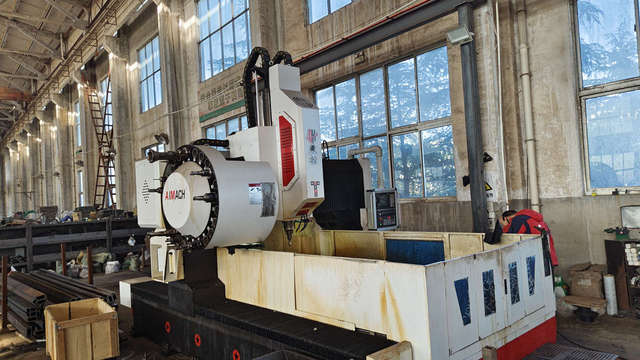
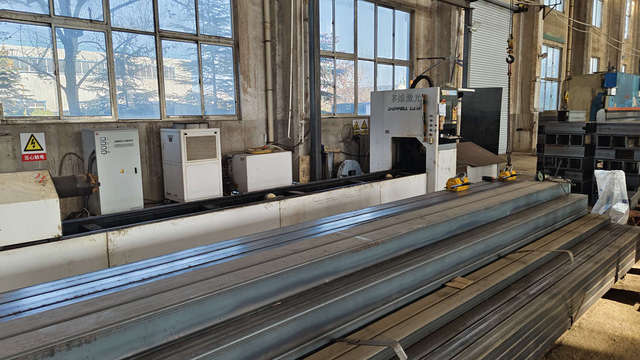
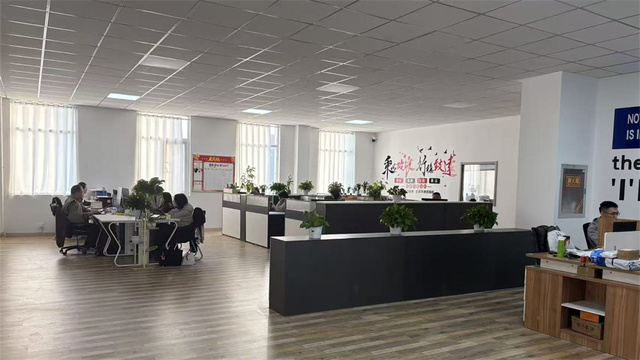
Shenzhen Manata Scanner Co., Ltd. is a leading China automotive diagnostic equipment manufacturer specializing in advanced vehicle inspection systems and ECU diagnostic solutions for the global automotive aftermarket. With a strong commitment to innovation, quality, and intelligent vehicle servicing, Manata Scanner delivers reliable diagnostic technologies designed to improve maintenance efficiency, reduce downtime, and support modern workshop operations.
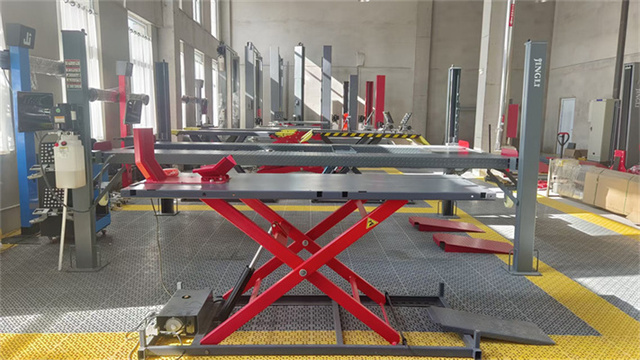
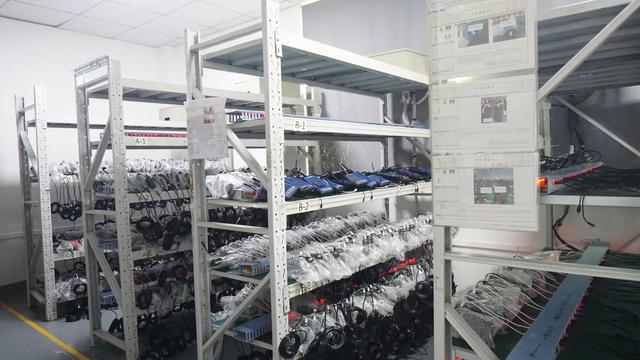
The company offers a comprehensive portfolio of automotive diagnostic equipment, including vehicle inspection systems, ECU programming and coding tools, automotive scan tools, ADAS calibration equipment, EV battery diagnostic systems, TPMS diagnostic devices, and intelligent fleet diagnostic solutions. These products are widely used by automotive repair workshops, vehicle inspection centers, dealerships, fleet operators, and maintenance service providers worldwide.
Driven by continuous technological innovation, Shenzhen Manata Scanner Co., Ltd. integrates artificial intelligence, cloud connectivity, big data analysis, and advanced electronic testing technologies into its product development process. The company's R&D team focuses on creating intelligent, accurate, and user-friendly diagnostic solutions capable of meeting the evolving requirements of both conventional and new energy vehicles.
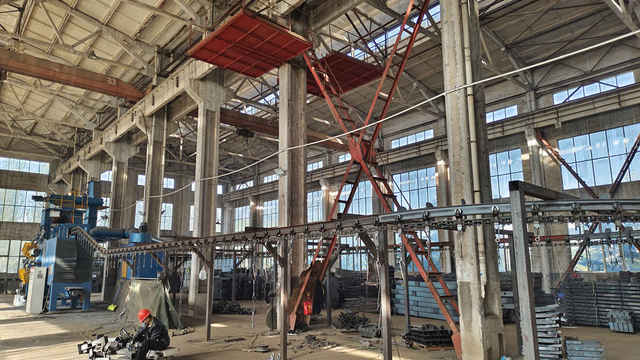
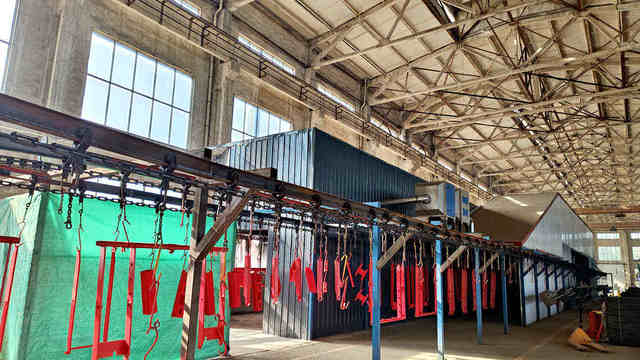
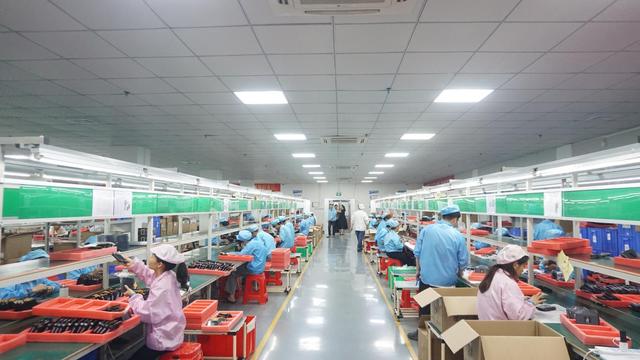
Quality is at the core of Manata Scanner's manufacturing philosophy. The company implements strict quality management procedures throughout design, production, testing, and final inspection to ensure stable performance and long-term reliability. Its products are engineered to comply with international standards and are exported to customers across Europe, North America, South America, Southeast Asia, the Middle East, and other global markets.
Get answers to common technical queries about ACC and ADAS calibration systems.
ACC calibration is required after front-end collisions, structural body repairs, wheel alignment adjustments, bumper removal or replacement, radar sensor replacement, or changes to the ride height (e.g., suspension upgrades).
No. Static calibration requires a level floor (within 0.5 degrees of level) to ensure the laser positioning tools align correctly with the vehicle's thrust line. Uneven floors will introduce pitch and roll alignment errors.
High-quality aftermarket manufacturers design target patterns to match OEM sizes. Always purchase from suppliers who provide proof of pattern accuracy and dimensional standards.
Most shops recoup their investment within 6 to 12 months, depending on repair volume and local diagnostic rates, by keeping calibration services in-house rather than subletting to third parties.
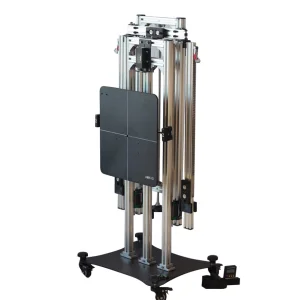
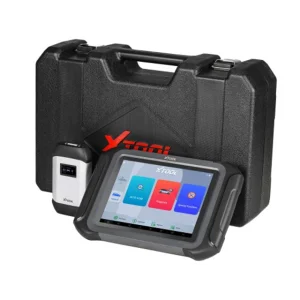
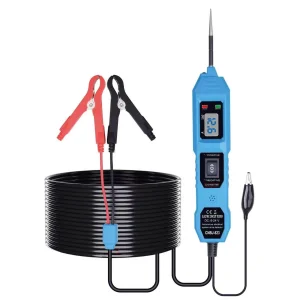
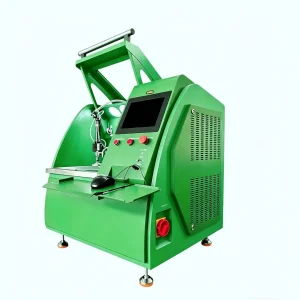
Discover our specialized ADAS plates, calibration boards, and advanced tester systems.
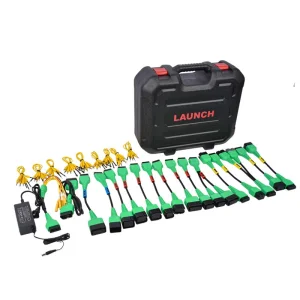
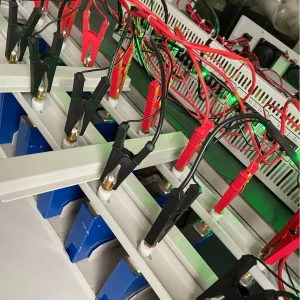
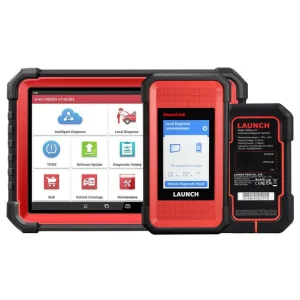
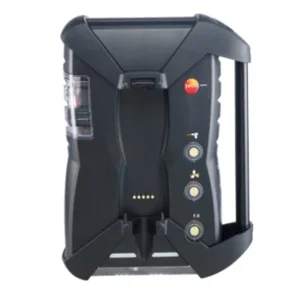
 Manata Scanner