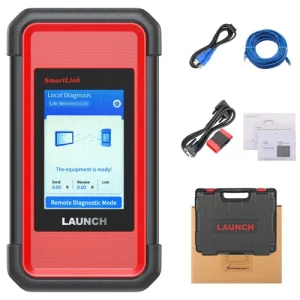
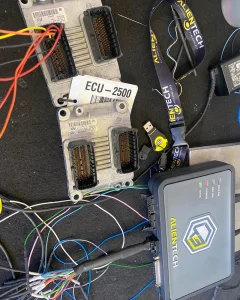
Industrial-grade instrumentation designed for precise vehicle module analysis, diagnostics, and monitoring.

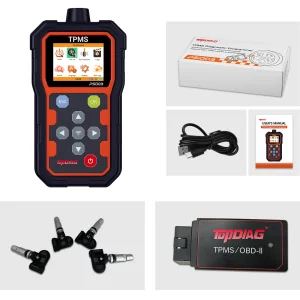
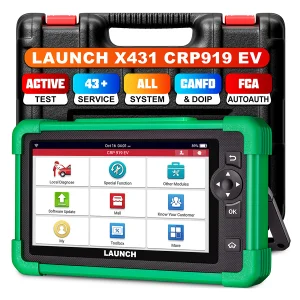
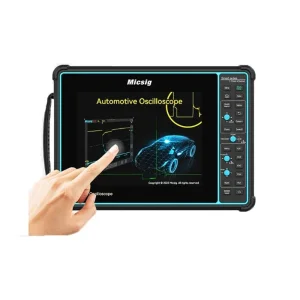
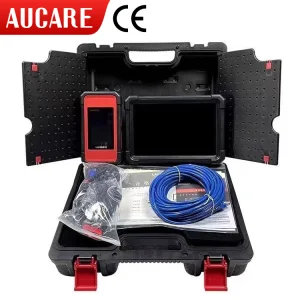
Shenzhen Manata Scanner Co., Ltd. is a leading China automotive diagnostic equipment manufacturer specializing in advanced vehicle inspection systems and ECU diagnostic solutions for the global automotive aftermarket. With a strong commitment to innovation, quality, and intelligent vehicle servicing, Manata Scanner delivers reliable diagnostic technologies designed to improve maintenance efficiency, reduce downtime, and support modern workshop operations.
The company offers a comprehensive portfolio of automotive diagnostic equipment, including vehicle inspection systems, ECU programming and coding tools, automotive scan tools, ADAS calibration equipment, EV battery diagnostic systems, TPMS diagnostic devices, and intelligent fleet diagnostic solutions. These products are widely used by automotive repair workshops, vehicle inspection centers, dealerships, fleet operators, and maintenance service providers worldwide.
Driven by continuous technological innovation, Shenzhen Manata Scanner Co., Ltd. integrates artificial intelligence, cloud connectivity, big data analysis, and advanced electronic testing technologies into its product development process. The company's R&D team focuses on creating intelligent, accurate, and user-friendly diagnostic solutions capable of meeting the evolving requirements of both conventional and new energy vehicles.
Quality is at the core of Manata Scanner's manufacturing philosophy. The company implements strict quality management procedures throughout design, production, testing, and final inspection to ensure stable performance and long-term reliability. Its products are engineered to comply with international standards and are exported to customers across Europe, North America, South America, Southeast Asia, the Middle East, and other global markets.
Committed to becoming a trusted global partner in automotive diagnostics, Shenzhen Manata Scanner Co., Ltd. continues to provide innovative products, professional technical support, and customized solutions that help customers enhance service capabilities and operational efficiency.
How regulatory frameworks and modern electronics shape the next generation of tire pressure monitoring systems.
National mandates like the US TREAD Act, European Union Regulation R141, and China's GB/T 26149 standards have made TPMS systems a legal baseline. Modern factories must configure OEM devices to comply across different RF bandwidths (315MHz and 433MHz) and dynamic signal transmission intervals.
Bluetooth Low Energy (BLE) technology is redefining the TPMS ecosystem. Integrating seamlessly with Electric Vehicles (EV) and smartphone-based telemetry systems, BLE allows for direct sensor-to-cloud communications without intermediary transceivers or gateways.
Modern fleets require analytics that go beyond static pressure warnings. Advanced algorithms analyze thermal changes, vibration markers, and load variables to determine potential tire blowouts and mechanical wear patterns before they manifest as hazards.
Purchasing directors and OEM buyers face structural bottlenecks when sourcing diagnostic and calibration technologies. In typical automotive aftermarket supply chains, sub-tier components are prone to compatibility gaps due to disparate ECU protocols and proprietary sensor databases. Shenzhen Manata Scanner Co., Ltd. systematically addresses these challenges through standard-compliant hardware design and collaborative technical engineering.
The global automotive vehicle fleet is incredibly diverse. Repair workshops struggle when third-party diagnostic equipment cannot activate or program newly released sensors from European, American, or Asian auto manufacturers. To prevent database obsolescence, our systems run on a dynamically updated firmware database with daily cloud synchronization protocols, covering over 98% of globally available passenger and commercial vehicle models.
TPMS signals operate over restricted RF ranges (315MHz in North America, 433MHz in the EU, and customized frequencies for specialized construction machinery). Procurement must verify that tools are compliant with local radio commissions like the FCC (Federal Communications Commission) or CE directives. Manata Scanner builds dual-frequency transceivers featuring robust Phase-Locked Loop (PLL) synthesizer architectures to ensure clean signal isolation and complete regional compliance.
A glimpse into our manufacturing centers, testing laboratories, and R&D pipelines where engineering precision meets mass output.
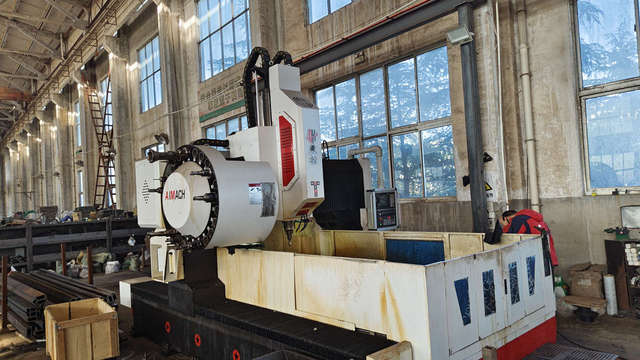
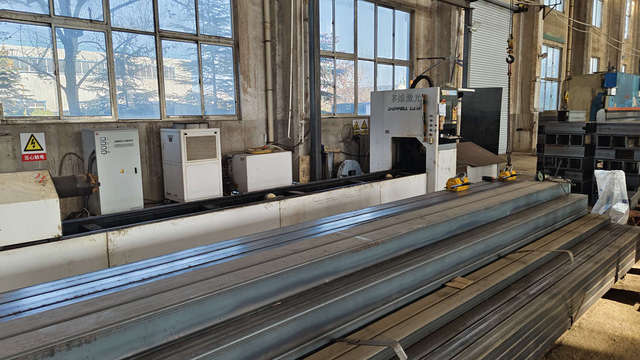
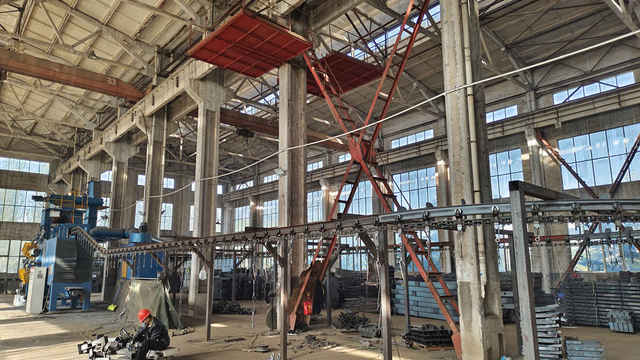
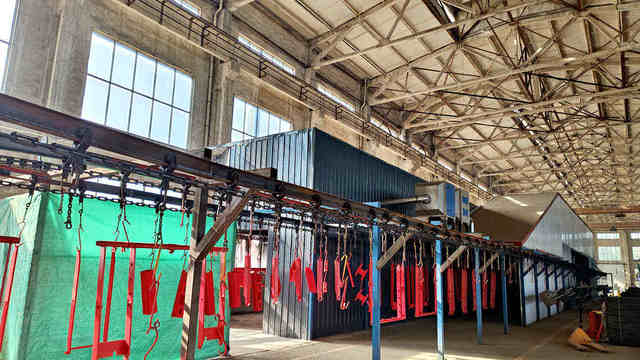
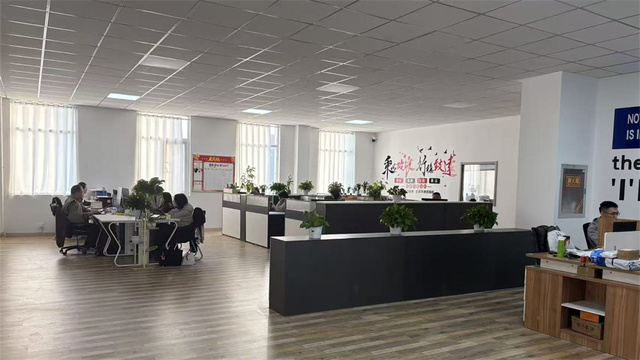
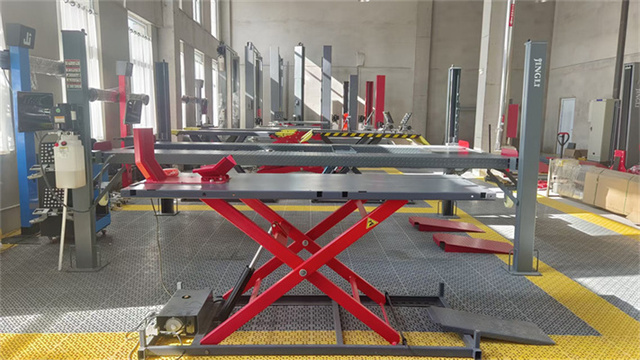
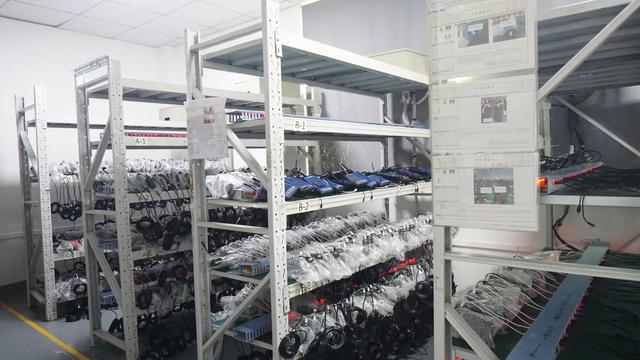
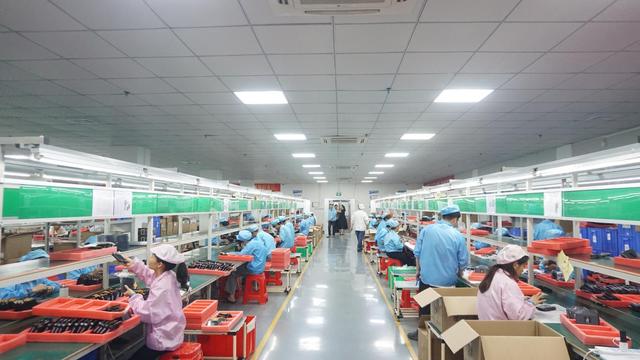
Our clean-room automated SMT production facilities run strictly under IATF 16949 standards, matching strict precision specifications required by tier-one automotive manufacturers. Every diagnostic device undergoes vibration testing, temperature cycling (-40°C to +85°C), and automated radio-frequency calibration to guarantee optimal functional life.
Bridging the gap between embedded hardware and real-time cloud data pipelines.
Expose real-time tire diagnostics directly to fleet management platforms via secure JSON APIs, enabling smart maintenance routing before failures occur.
We develop custom bootloaders for rapid reprogramming of active sensors in production lines, allowing factories to cycle vehicle protocols in under 3 seconds.
Our firmware fully conforms to J1939, ISO 11898, and custom CAN FD frameworks, guaranteeing reliable diagnostic handshakes with any passenger car or heavy-duty ECM.
Where our R&D efforts are focused for the future of connected and smart mobility.
Researching piezoelectric energy harvesting systems that draw kinetic energy from tire rotations, effectively eliminating internal lithium batteries for a zero-waste lifespan.
Establishing direct bus communications between TPMS receivers and Advanced Driver Assistance Systems (ADAS) to instantly reconfigure ABS limits based on real-time tire load measurements.
Developing multi-sensor packages that determine exact tire tread depth through high-frequency acoustic emission analyses, feeding telemetry algorithms automatically.
Frequently asked questions concerning hardware engineering, OEM/ODM compliance, and protocol compatibility.
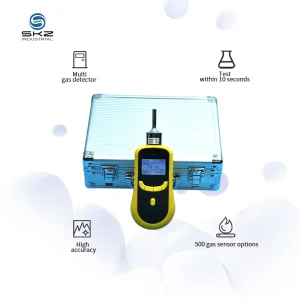
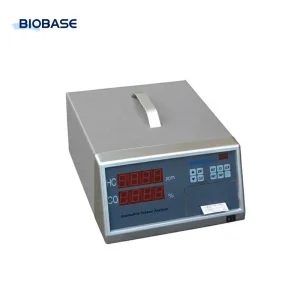
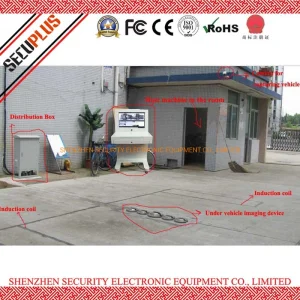
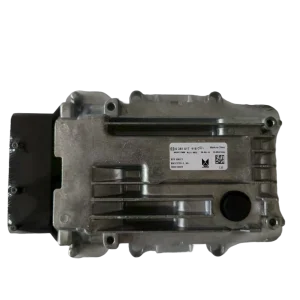
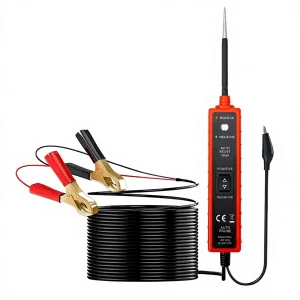
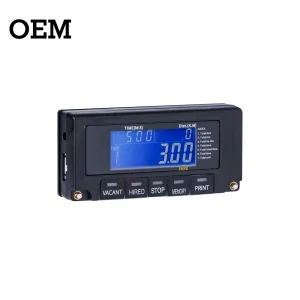
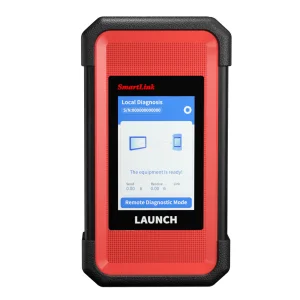
Select industrial testing equipment and hardware adapters for diagnostic applications.

 Manata Scanner