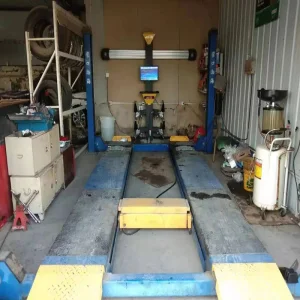
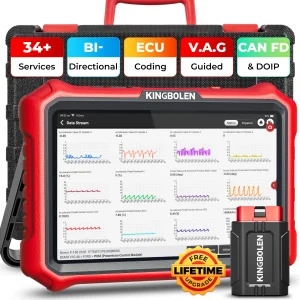
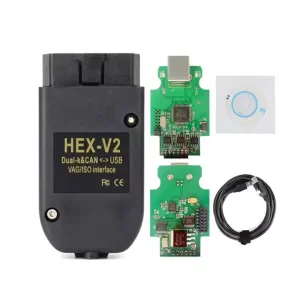
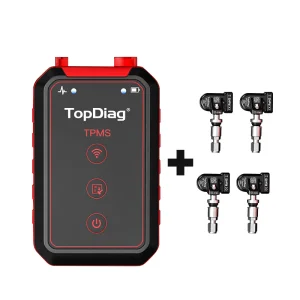
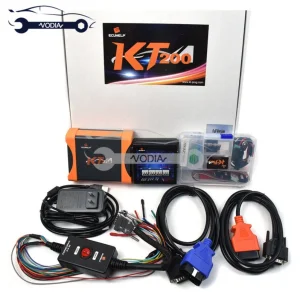
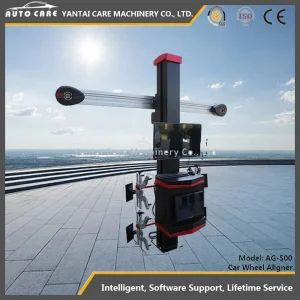
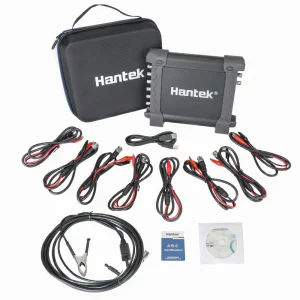
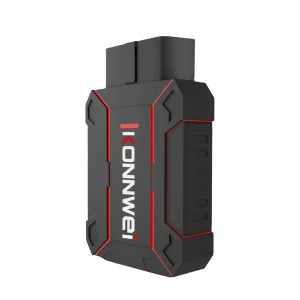
Explore our certified diagnostic and power optimization solutions engineered for precision diagnostics, calibration, and power repair.
An in-depth analysis of critical battery mechanics, industry dynamics, and localized implementation in next-generation global grids.
Absorbed Glass Mat (AGM) batteries represent the pinnacle of Valve Regulated Lead-Acid (VRLA) battery development. Unlike traditional flooded lead-acid systems, AGM batteries utilize an ultra-thin fiberglass mat saturated with liquid sulfuric acid electrolyte to approximately 95% of its total saturation capacity. This design enables a fully sealed unit where the internal gas recombination process operates at efficiency levels exceeding 99%.
By locking the acid within the fiberglass matrix, AGM technology eliminates fluid spillage, reduces internal resistance, and provides unmatched structural durability against mechanical vibration. This layout allows for high-rate discharge current profiles, accelerated recharge rates, and deep cycling durability. For operators, this translates to lower total cost of ownership (TCO) and extreme thermal stability in volatile environments.
"The integration of high-density lead-calcium grid designs paired with optimized compression assembly techniques ensures that our AGM systems maintain steady capacity even under rapid start-stop cycle stress."
The global energy landscape is transitioning away from standard combustion mechanics to start-stop systems, micro-hybrid platforms, and localized off-grid energy storage networks. In Europe and North America, strict environmental mandates limiting vehicle CO2 emissions have made start-stop technology mandatory. These start-stop systems require batteries that can withstand rapid charging pulses and frequent high-rate engine starts without experiencing rapid active material degradation.
Additionally, industrial telecommunications, emergency safety infrastructures, and green energy arrays are migrating from legacy flooded cells to high-performance AGM. The demand is fueled by the need for maintenance-free, space-saving cells that operate reliably in sub-zero or high-temperature ranges.
Features low internal resistance for superior cold cranking amps (CCA) and optimized high-current discharge efficiency.
Sealed design featuring a safety pressure release valve system, preventing acid leakage and maximizing cell longevity.
Delivers up to 3x the cyclic life of standard flooded batteries under demanding vehicle start-stop operations.
Unlocking competitive cost structures, automated manufacturing precision, and resilient delivery frameworks.
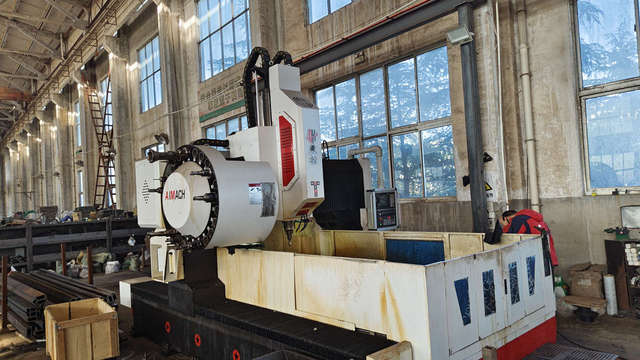
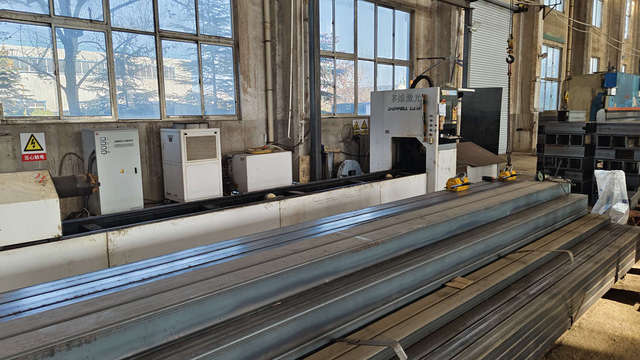
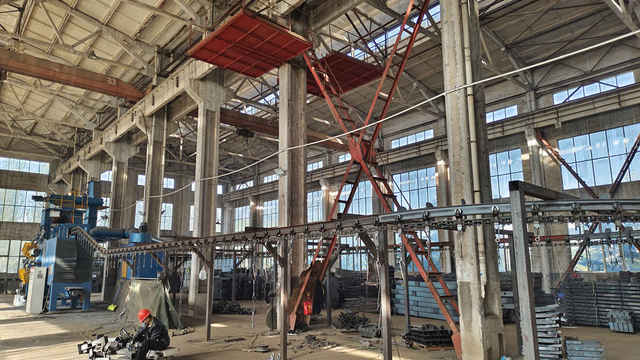
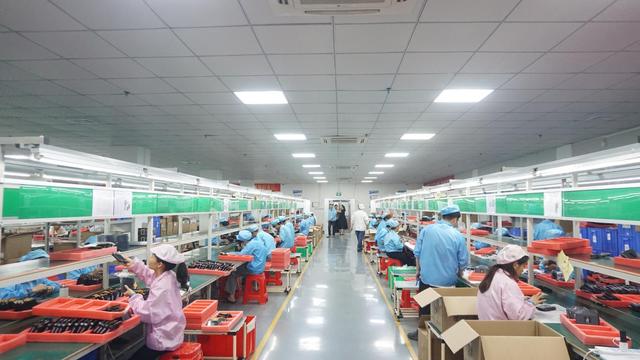
China's manufacturing infrastructure has evolved from simple assembly lines into a highly automated Industry 4.0 landscape. In our manufacturing facilities, production accuracy starts with the preparation of raw materials. We utilize high-purity electrolytic lead (99.997%+) to minimize self-discharge and control corrosion. The lead oxide paste is applied using computerized precision paste-filling systems to ensure uniform plate thickness and weight distribution.
The assembly of the cell groups involves controlled plate compression. The fiberglass mats are held under optimized physical tension during casing insertion. This compression prevents the shedding of active mass and maintains contact between the electrolyte matrix and the plate surface.
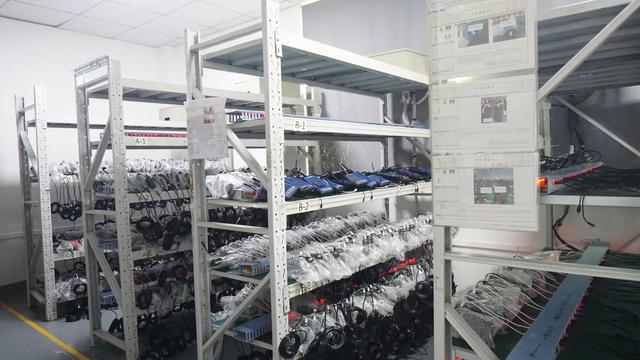
By applying automated visual inspections, computer-guided laser welding, and helium mass spectrometer leak tests, we ensure that every unit meets high quality standards before shipping. Our localized supply chains for raw lead, separators, and structural plastics provide a reliable hedge against global shipping disruptions, ensuring consistent pricing and lead times.
How modern enterprises deploy high-performance AGM batteries to secure continuous power grids globally.
Providing reliable standby battery systems for critical telecommunication infrastructure. These systems withstand remote thermal swings while delivering steady voltage profiles under grid failures.
Supporting high cyclic demands and rapid charging sequences required by modern micro-hybrid drivetrains. This tech helps reduce emissions and optimizes urban fuel economy.
Acting as localized buffers for off-grid residential and commercial solar installations, absorbing charging currents and discharging smoothly over extended durations.
Combining industrial power supply manufacturing with advanced automotive diagnostics and battery validation tools.
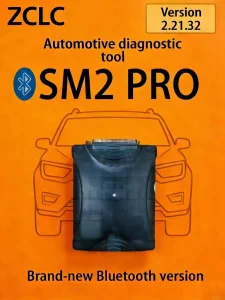
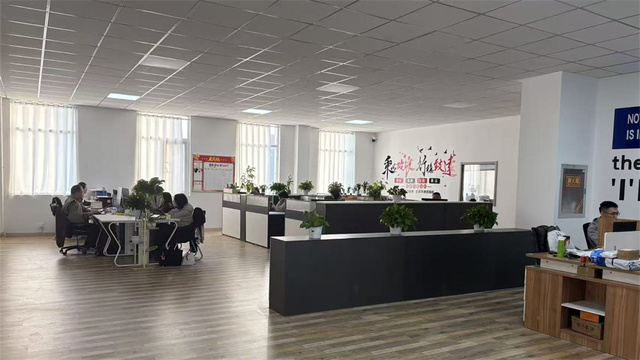
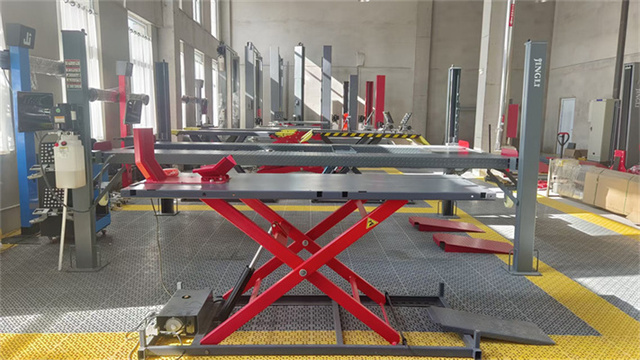
Shenzhen Manata Scanner Co., Ltd. is a leading China automotive diagnostic equipment manufacturer specializing in advanced vehicle inspection systems and ECU diagnostic solutions for the global automotive aftermarket. With a strong commitment to innovation, quality, and intelligent vehicle servicing, Manata Scanner delivers reliable diagnostic technologies designed to improve maintenance efficiency, reduce downtime, and support modern workshop operations.
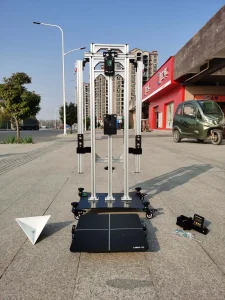
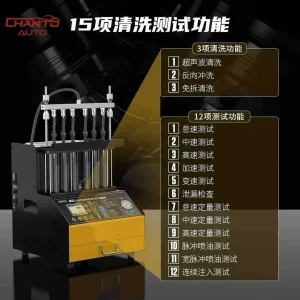
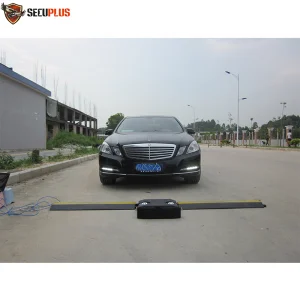
The company offers a comprehensive portfolio of automotive diagnostic equipment, including vehicle inspection systems, ECU programming and coding tools, automotive scan tools, ADAS calibration equipment, EV battery diagnostic systems, TPMS diagnostic devices, and intelligent fleet diagnostic solutions. These products are widely used by automotive repair workshops, vehicle inspection centers, dealerships, fleet operators, and maintenance service providers worldwide.
Driven by continuous technological innovation, Shenzhen Manata Scanner Co., Ltd. integrates artificial intelligence, cloud connectivity, big data analysis, and advanced electronic testing technologies into its product development process. The company's R&D team focuses on creating intelligent, accurate, and user-friendly diagnostic solutions capable of meeting the evolving requirements of both conventional and new energy vehicles.
Quality is at the core of Manata Scanner's manufacturing philosophy. The company implements strict quality management procedures throughout design, production, testing, and final inspection to ensure stable performance and long-term reliability. Its products are engineered to comply with international standards and are exported to customers across Europe, North America, South America, Southeast Asia, the Middle East, and other global markets.
Committed to becoming a trusted global partner in automotive diagnostics, Shenzhen Manata Scanner Co., Ltd. continues to provide innovative products, professional technical support, and customized solutions that help customers enhance service capabilities and operational efficiency.

Addressing core mechanical, logistical, and design inquiries from global B2B procurement managers.
Q1: How do AGM batteries differ dynamically from traditional Gel and standard flooded lead-acid batteries?
AGM batteries use a porous glass mat separator to absorb all liquid electrolyte, creating a non-spillable setup that allows flexible mounting positions. In contrast, Gel batteries use fumed silica to thicken the electrolyte into a gel paste. AGM systems offer lower internal resistance, allowing them to deliver superior high-rate cranking currents (CCA) and handle rapid start-stop cycles. This makes them ideal for modern vehicles and high-demand applications, whereas Gel batteries are typically optimized for slow, long-duration deep discharges.
Q2: What role do diagnostic and calibration tools play in the life cycle of automotive AGM systems?
Modern vehicles rely on Battery Management Systems (BMS) to regulate charging patterns based on battery chemistry and age. When installing a new AGM battery, diagnostic equipment is required to register the battery in the vehicle’s ECU. Without this registration, the charging profile may default to standard flooded parameters, leading to overcharging, excess heat, and premature capacity loss.
Q3: How does your factory prevent thermal runaway in high-temperature industrial deployments?
Thermal runaway in VRLA cells is prevented through structural design and material selection. We use high-tensile ABS containers to resist swelling under pressure, and safety valves that release gas if internal pressures exceed safe thresholds. By utilizing high-purity alloys and maintaining optimal plate spacing, we reduce internal heat generation during rapid charging cycles.
Q4: Can these batteries be customized (OEM/ODM) to meet specific dimensional and electrical criteria?
Yes. We offer fully integrated OEM and ODM services. This includes adjusting plate thickness for specific discharge profiles, modifying casing materials for high-temperature environments, and customizing terminal configurations to match industrial or military connector standards.
Q5: What certifications are standard for exporting battery and diagnostic equipment to Europe and North America?
All our manufacturing processes and final product lineups conform to international validation standards, including CE certification, UL compliance for safety, ISO 9001 for quality systems, and RoHS environmental directives. These certifications ensure hassle-free customs clearance and compliance with local safety regulations in international markets.
Complete your workshop and electrical testing infrastructure with our high-precision automotive diagnostic scanners.
 Manata Scanner