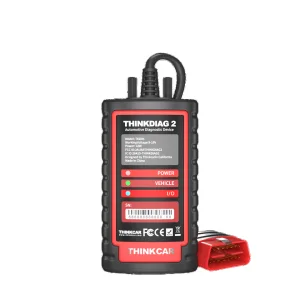
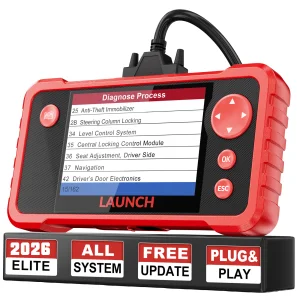
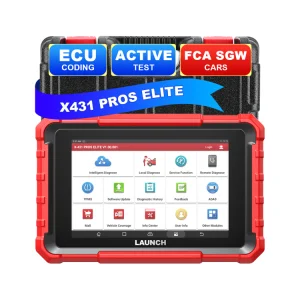
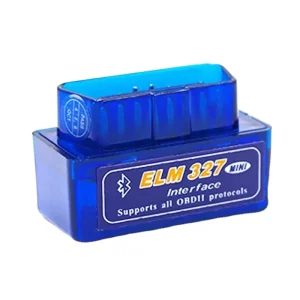
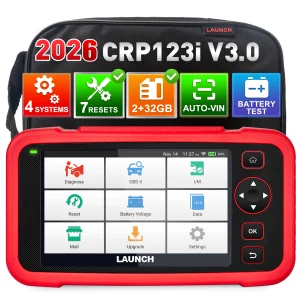
Engineered for immediate integration with Motor City fleet operations, local testing facilities, and high-intensity production environments.
The industrial fabric of Metro Detroit is undergoing its most significant paradigm shift since the introduction of the assembly line. As global automakers transition toward Software-Defined Vehicles (SDVs), the legacy distributed electronic control unit (ECU) topologies are rapidly being replaced by centralized, high-performance computing (HPC) zones. This shift in Electrical/Electronic (E/E) architecture demands a parallel evolution in On-Board Diagnostics (OBD) systems.
Modern vehicle diagnostic systems are no longer mere code readers; they have evolved into secure edge-gateways capable of real-time telemetry analysis, secure diagnostic access (SDA) authentication, and over-the-air (OTA) programming validation. For Tier-1 suppliers and aftermarket distributors based in Michigan's industrial corridors—from Warren and Dearborn to Auburn Hills—having an OBD partner that bridges the gap between hardware engineering and secure vehicle communication protocol stacks is vital.
“The integration of Ethernet backbones (100BASE-T1/1000BASE-T1) alongside legacy CAN networks requires automotive diagnostic tools that can seamlessly translate between physical layers without causing signal attenuation or bus latency.”
General Motors, Ford, and Stellantis are aggressively executing vehicle electrification and digital platform strategies (such as GM's Ultifi and Ford's Blue Oval Intelligence). Diagnostic equipment manufacturers must keep pace with these initiatives. This means ensuring complete compatibility with J2534 standards for flash programming, supporting ISO 13400 (Diagnostics over IP - DoIP) over Ethernet interfaces, and incorporating advanced cybersecurity features compliant with ISO/SAE 21434 to safely interact with high-voltage battery management systems (BMS).
Our product development pipeline aligns with next-generation automotive communication and safety protocols.
Full support for High-Speed CAN FD and Diagnostics over IP (DoIP). Enabling high-bandwidth vehicle programming, saving time during flash updates and complex module configurations.
Integrated security handshake algorithms designed to bypass OEM gateway protection modules (SGW), allowing safe and authorized adjustments to systems like ADAS and body control units.
Dedicated modules targeting electric vehicle (EV) battery packs, reading State of Health (SOH), cell balancing telemetry, insulation resistance monitoring, and thermal run-away pre-warning codes.
As standard OBD-II systems reach their physical interface boundaries, the global automotive engineering sector is transitioning to continuous telematics monitoring and cloud-integrated remote diagnostics. Our engineering vision involves building a hybrid diagnostic ecosystem that bridges on-premise hardware interface tools (VCI) with high-availability cloud APIs.
Traditional diagnostic tools operating over ISO 9141 or CAN 2.0A/B are limited to data speeds of up to 1 Mbps. In contrast, modern ADAS sensors (LiDAR, Radar, HD Cameras) generate gigabytes of diagnostic data. Our manufacturing processes utilize specialized high-speed multi-layer PCB designs to preserve signal integrity for 100BASE-T1 and 1000BASE-T1 physical layers, guaranteeing clean, noise-free diagnostic pipelines during end-of-line vehicle testing.
In close alignment with EPA and CARB guidelines, the concept of OBD-III involves transmitting emission-related code data directly to regulatory bodies or fleet operators via integrated LTE-M or 5G telemetry modules. By developing integrated cellular-capable VCI dongles, we provide fleet managers in the Michigan area with real-time emissions monitoring capabilities, eliminating standard scheduled inspection down-times.
With bi-directional controls (such as actuation tests and ECU coding), the risk of malicious commands affecting vehicle dynamics is a critical priority. Our custom firmware builds integrate cryptographic hardware security modules (HSM) on our diagnostic boards, ensuring that all OBD data packets are verified, preventing man-in-the-middle attacks during critical vehicle diagnostic procedures.
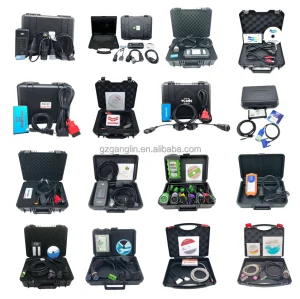
Industrial diagnostic solutions are not one-size-fits-all. A Detroit fleet yard requires robust, high-durability toolsets that withstand extreme weather, while assembly plants require high-volume, automated testing fixtures with milliseconds-level response times. Shenzhen Manata Scanner Co., Ltd. designs and manufactures across this full product spectrum:
By delivering high-quality, customized products, we provide OEM/ODM partners in Detroit and worldwide with the capability to customize local diagnostic interfaces, brand styling, and exclusive diagnostic databases tailored to regional car models.
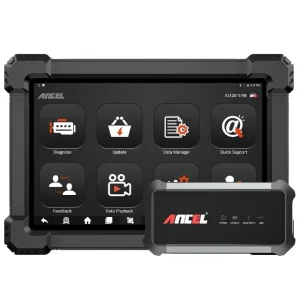
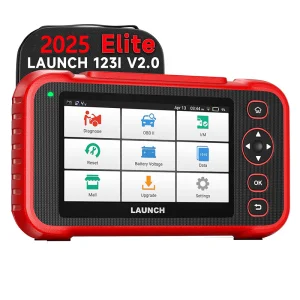
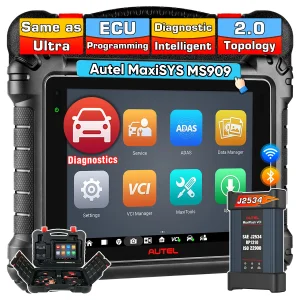
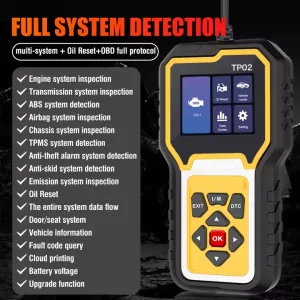
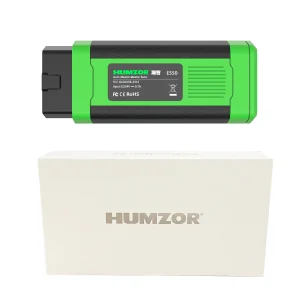
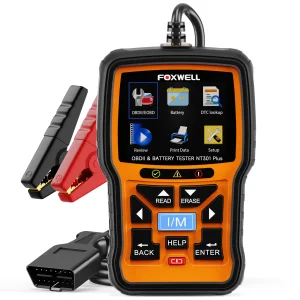
Advanced diagnostic systems built with rugged casing designs, high-end chipsets, and broad protocol compatibility.
In today's complex macroeconomic landscape, manufacturing resilience is a critical concern for North American procurers. Partnering with Shenzhen Manata Scanner Co., Ltd. allows Detroit companies to leverage the strengths of both regions: the rigorous regulatory standards and system architecture designs of Michigan, combined with the unparalleled supply chain density, rapid electronic component prototyping, and economies of scale found in Shenzhen, China.
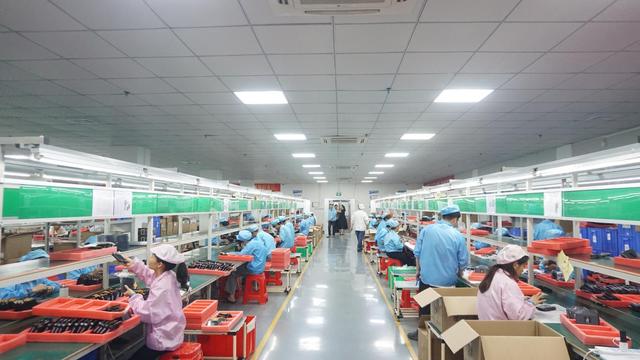
Our Shenzhen factory is equipped with high-speed Yamaha and Siemens SMT production lines capable of precision component placement down to 01005 chips. We implement 100% automated optical inspection (AOI) alongside in-circuit testing (ICT) to guarantee that every diagnostic device leaving our factory floor has perfect trace continuity and impedance control. This minimizes field defect rates to under 0.05%.
With global supply chain volatility, MCU shortages can stall product lines. We maintain active, long-term procurement partnerships with top-tier silicon foundries (such as STMicroelectronics, NXP, and Texas Instruments) while qualifying secondary high-performance domestic chipsets as drop-in alternatives. This proactive approach ensures our Detroit clients receive consistent shipments, even during global component crunches.
Industrial diagnostic tools are subjected to rough handling, oil spills, and temperature extremes. Our factory houses specialized testing chambers where finished devices undergo thermal cycling tests (-40°C to +85°C), drop shock tests, vibration sweeps, and electrostatic discharge (ESD) immunity tests (up to 15kV) to comply with CE, FCC, and RoHS standards.
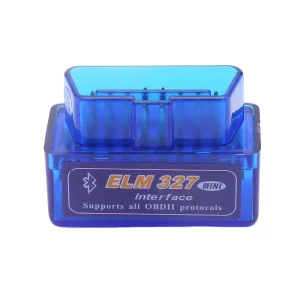
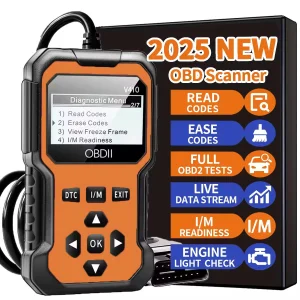
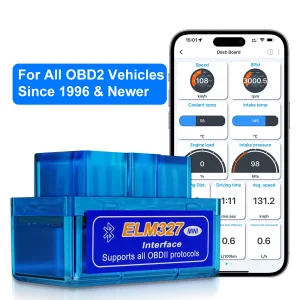
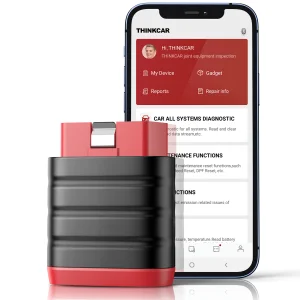
Compact diagnostic dongles and highly portable scanner systems designed for on-the-road diagnostics and fast workshops.
When selecting a diagnostic platform manufacturer, compliance with international regulatory frameworks is not optional. Shenzhen Manata Scanner Co., Ltd. continuously refines its software and hardware stack to match the rigorous requirements established by regulatory and automotive engineering associations:
We guarantee compliance with the latest revisions of SAE J1979 (emission diagnostic standards) and ISO 15031. This includes full support for Mode $01 through Mode $0A, ensuring that emission-relevant parameters, pending and confirmed Diagnostic Trouble Codes (DTCs), and freeze-frame data are read accurately across all vehicle platforms.
Our premium vehicle communication interfaces (VCIs) fully support SAE J2534 standards (Part 1 and Part 2). This allows workshops and fleet operators to run OEM-specific flash programming software (such as GM GDS2, Ford FDRS, or FCA wiTECH) directly through our hardware, eliminating the need for single-purpose proprietary OEM tools.
To enable deep module communication beyond standard emission protocols, our software stack integrates ISO 14229 (UDS) protocol engines. This grants users the ability to read/write specific memory zones, request security seed-key access, and run customized IO control tests across all vehicle sub-systems (ABS, SRS, Body, Powertrain, and Infotainment).
Answering the most critical procurement, technology, and system design questions from automotive distributors and fleet engineers.
Our diagnostic software utilizes secure server-side API handshakes to authenticate with OEM portals (such as FCA/Stellantis, Renault, and Nissan). This allows our scanners to dynamically obtain authorization tokens and clear secured DTCs or run actuation tests without needing physical bypass cables.
Yes. Our CAN FD integrated interfaces feature backward compatibility. They dynamically switch between CAN FD (flexible data-rate) protocols for new vehicles (like GM’s Global B architecture) and traditional CAN 2.0 or K-line protocols for older vehicles.
We offer full-spectrum customization services, including custom injection molding tool development for unique shell casings, private-label branding, customized UI/UX bootloader screens, SDK integrations for proprietary fleet software, and custom diagnostic protocol libraries.
Every VCI is designed with optocoupler isolation and over-voltage protection networks. Our products are fully tested to withstand ground loop discrepancies and high thermal cycles, maintaining absolute signal isolation and protecting technicians operating on EV 400V/800V battery systems.
For standard OEM catalog products, typical production turnaround is 15-20 days. Sea shipping takes approximately 25-30 days via direct lanes from Shenzhen Port to Detroit freight hubs, while urgent validation batches can be delivered via express air cargo within 5-7 business days.
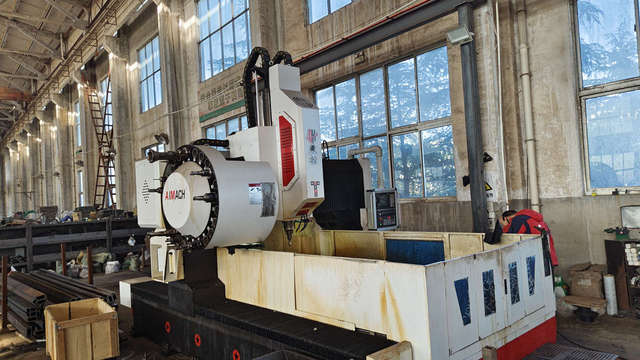
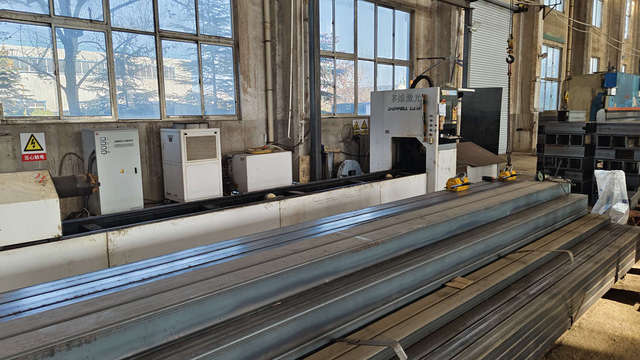
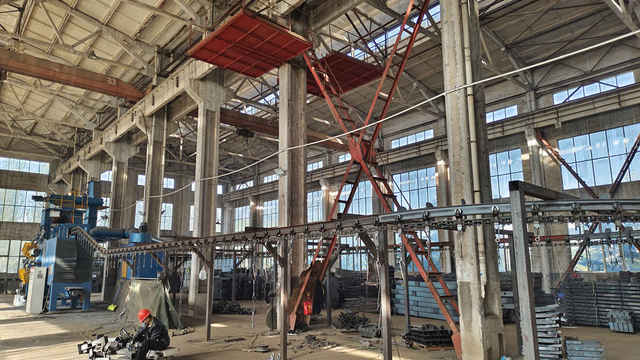
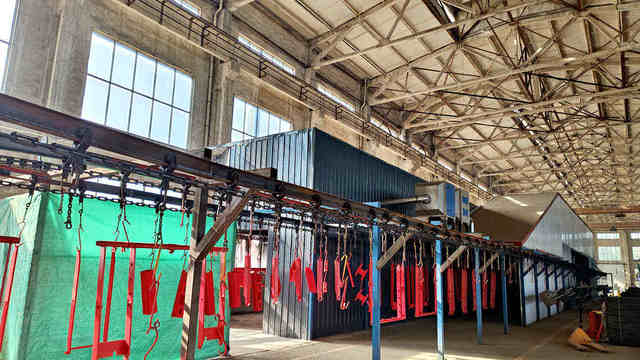
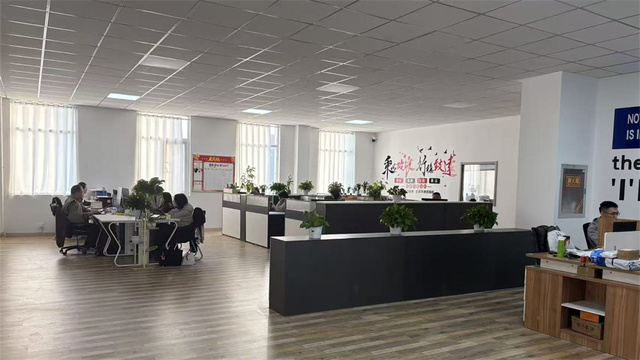
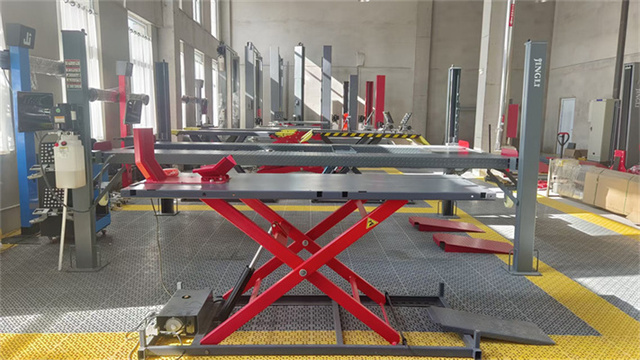
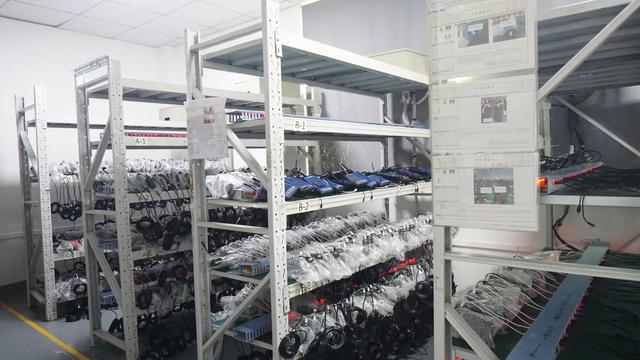
Take a virtual tour inside our advanced manufacturing facility, where precision engineering meets high-volume scaling.
 Manata Scanner