Empowering Industrial Operations, EV Fleet Management, and High-Precision Cell Validation across the Mumbai Metropolitan Region
Engineered to support heavy industry, automotive repair networks, and research labs in Mumbai and neighboring MIDC zones.
Navigating India's commercial hub and the surging demands for localized diagnostic infrastructure.
The Mumbai Metropolitan Region (MMR), encompassing Mumbai, Thane, Navi Mumbai, and surrounding industrial belts like the Maharashtra Industrial Development Corporation (MIDC) corridors, is undergoing a profound paradigm shift. Positioned as the financial core of India, Mumbai has transitioned from historical heavy engineering to a high-technology, clean-energy, and electric mobility hub. Driven by the ambitious Maharashtra Electric Vehicle Policy, the municipal corporations in the region have committed to electrifying public transportation fleets, commercial logistics, and urban micro-mobility schemes. This transition demands high-efficiency battery diagnostic and testing frameworks to ensure the safety, longevity, and thermal stability of battery packs operating under unique local environmental conditions.
The rapid integration of Lithium-Ion (LiFePO4, NMC) and advanced Lead-Acid batteries in backup data centers in Navi Mumbai—often referred to as India's data center capital—requires constant monitoring and state-of-health (SoH) diagnostics. Large battery packs powering uninterrupted power supplies (UPS) and grid-tied solar storage systems require comprehensive cyclic diagnostic validation. Uncontrolled battery degradation in these environments is not merely an operational risk; it presents severe safety liabilities, emphasizing the absolute necessity for high-precision battery testing equipment with accurate charge-discharge cycling and micro-ohm resistance tracking.
Addressing humidity, thermal thresholds, and grid anomalies in Western India.
Operating electrochemical storage devices in Western India exposes hardware to aggressive environmental factors. The coastal climate of Mumbai produces high ambient temperatures combined with relative humidity levels exceeding 90% during the monsoon season. This combination accelerates dendritic growth inside cells, degrades housing insulation, and elevates the risk of thermal runaway. Manufacturers and operators must employ battery testing equipment configured to simulate these severe environmental conditions. High-precision balancing machines and multi-channel testers are equipped with industrial-grade enclosures and conformal-coated internal electronics to prevent ambient moisture from corrupting data collection or short-circuiting control systems.
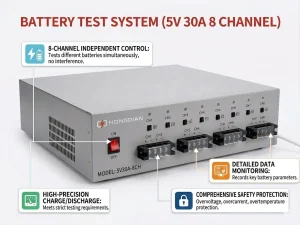
Furthermore, local electrical grids in emerging industrial pockets are often prone to micro-instabilities, such as voltage sags, surges, and frequency fluctuations. Testing equipment lacking active power correction (PFC) or robust isolation transformers will introduce measurement noise, leading to inaccurate State of Health (SoH) and capacity grading. The products detailed below integrate comprehensive electrical safety protections, including over-voltage, reverse polarity, and over-temperature cut-offs, ensuring absolute reliability during continuous 24/7 cycling programs in manufacturing facilities.
From production line grading to end-of-life battery diagnostic protocols.
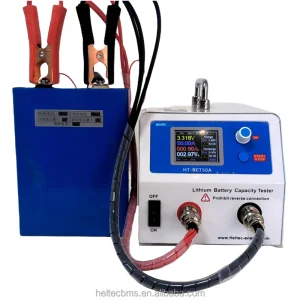
Crucial for manufacturers assembling battery packs in India. This phase uses precise charge-discharge cycles to form the Solid Electrolyte Interphase (SEI) layer. Highly accurate voltage (0.05% deviation) profiling classifies cells by exact capacity, mitigating pack-level mismatch during final assembly.
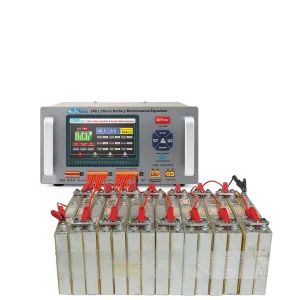
Pack degradation is often caused by unbalanced cells. Advanced active balancing machines (2S to 24S) isolate degraded cells, transferring energy dynamically to restore pack equilibrium. This prevents premature pack replacement and extends fleet operational lifespans.
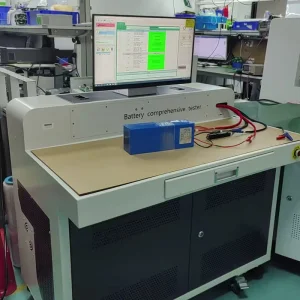
Safety validation requires measuring dielectric loss and insulation resistance under high pressure. This technique identifies micro-breaches in the separator layers or the pack housing before the battery is installed in a passenger electric vehicle.
Preparing for next-generation chemistries, solid-state batteries, and cloud diagnostics.
The battery landscape is evolving rapidly. While Lithium Iron Phosphate (LiFePO4) remains the dominant chemistry for stationary energy storage and electric mass transit due to its thermal stability, high-energy-density chemistries like Nickel Manganese Cobalt (NMC) dominate passenger vehicle lines. Looking ahead, battery diagnostic systems must adapt to upcoming battery chemistries. This includes Sodium-Ion (Na-Ion) batteries, which are gaining interest in India due to abundant local raw materials, and Solid-State batteries, which require unique pressure and temperature-controlled charging protocols.
To future-proof operations in Mumbai, developers are shifting diagnostic routines to cloud-connected platforms. Cloud-based Battery Management System (BMS) diagnostics enable service centers to compare local testing data against global wear profiles. By analyzing thousands of operational cycles in real-time, predictive maintenance engines can signal battery faults weeks before a physical malfunction occurs. This convergence of hardware testing machines and cloud telemetry is standardizing diagnostic safety across modern automotive workshops and industrial fleets.
Meeting stringent international safety regulations and Indian ARAI AIS-156 mandates.
Procuring battery testing systems from overseas factories requires strict adherence to international and local safety compliance codes. For Indian operators, equipment must help final battery assemblies pass the Automotive Research Association of India (ARAI) AIS-156 (Phase 2) standards, which mandate strict thermal fuse checks, over-charge protection, vibration proofing, and drop testing. Consequently, the machines used to calibrate and audit these battery packs must perform within tolerances tighter than those specified by the testing agencies.
From a global logistics standpoint, factories serving Mumbai must guarantee compliance with the CE directive, RoHS (Restriction of Hazardous Substances), and FCC certifications. The shipping of hardware requires secure packing, anti-humidity vacuum sealing, and shockproof ocean-freight framing to ensure the sensitive calibration of the voltage sensors remains undisturbed during transit to ports like Mumbai's JNPT (Jawaharlal Nehru Port Trust).
Global diagnostic excellence, high-precision engineering, and innovative EV servicing technology.
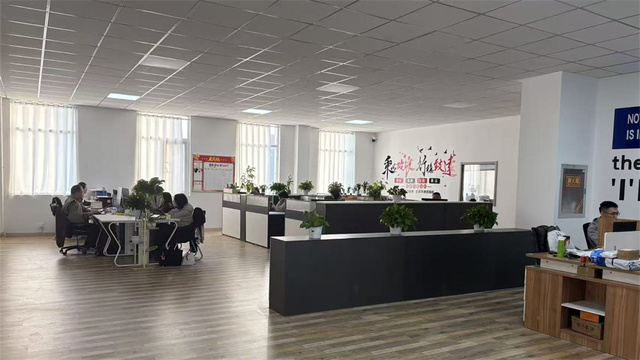
Shenzhen Manata Scanner Co., Ltd. is a leading China automotive diagnostic equipment manufacturer specializing in advanced vehicle inspection systems and ECU diagnostic solutions for the global automotive aftermarket. With a strong commitment to innovation, quality, and intelligent vehicle servicing, Manata Scanner delivers reliable diagnostic technologies designed to improve maintenance efficiency, reduce downtime, and support modern workshop operations.
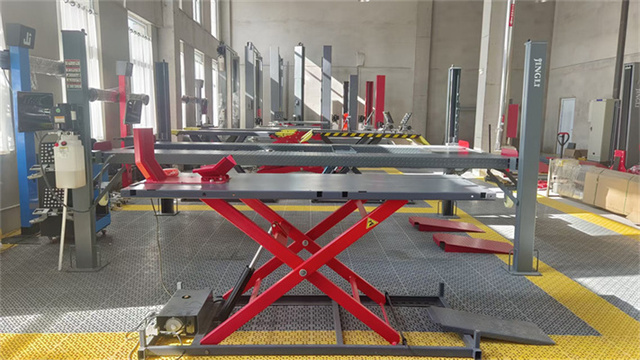
The company offers a comprehensive portfolio of automotive diagnostic equipment, including vehicle inspection systems, ECU programming and coding tools, automotive scan tools, ADAS calibration equipment, EV battery diagnostic systems, TPMS diagnostic devices, and intelligent fleet diagnostic solutions. These products are widely used by automotive repair workshops, vehicle inspection centers, dealerships, fleet operators, and maintenance service providers worldwide.
Driven by continuous technological innovation, Shenzhen Manata Scanner Co., Ltd. integrates artificial intelligence, cloud connectivity, big data analysis, and advanced electronic testing technologies into its product development process. The company's R&D team focuses on creating intelligent, accurate, and user-friendly diagnostic solutions capable of meeting the evolving requirements of both conventional and new energy vehicles.
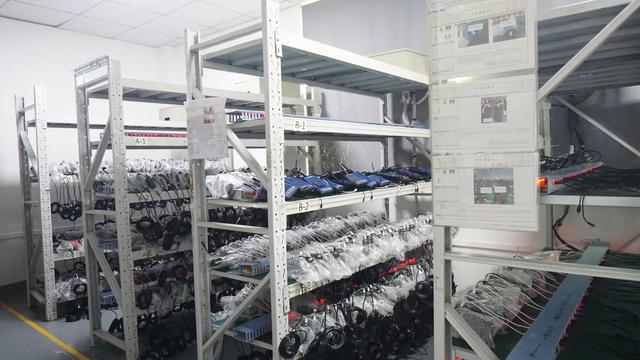
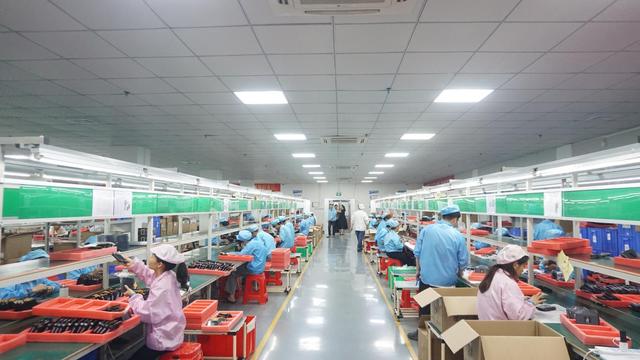
Quality is at the core of Manata Scanner's manufacturing philosophy. The company implements strict quality management procedures throughout design, production, testing, and final inspection to ensure stable performance and long-term reliability. Its products are engineered to comply with international standards and are exported to customers across Europe, North America, South America, Southeast Asia, the Middle East, and other global markets.
Committed to becoming a trusted global partner in automotive diagnostics, Shenzhen Manata Scanner Co., Ltd. continues to provide innovative products, professional technical support, and customized solutions that help customers enhance service capabilities and operational efficiency.
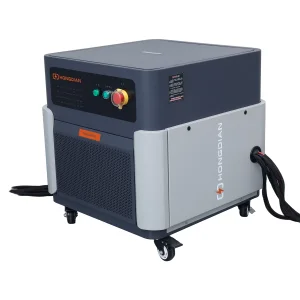
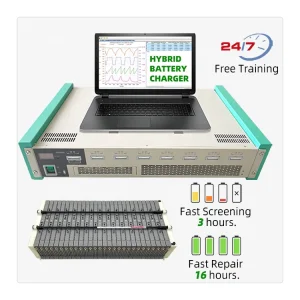
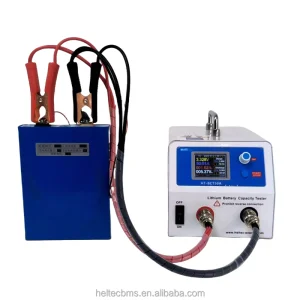
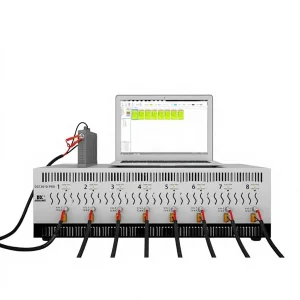
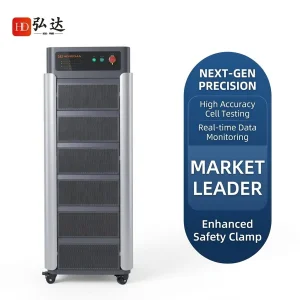
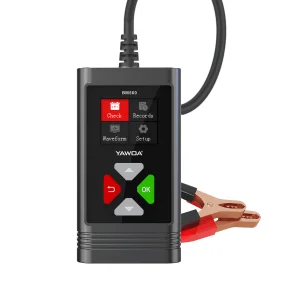
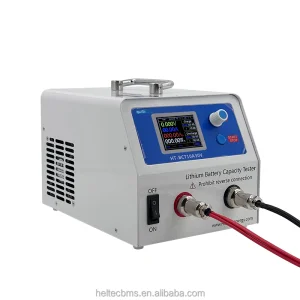
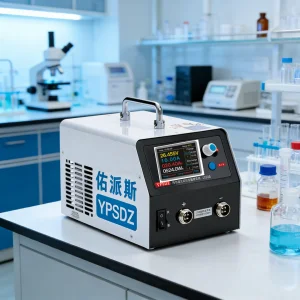
Select from our globally proven array of testing systems optimized for direct export and deployment in Mumbai.
Expert technical insights regarding deployment, calibration, and support in Western India.
High moisture and airborne salts in coastal environments like Mumbai can cause oxidation on trace circuits. Our equipment is manufactured with industrial conformal coatings on critical PCBs and features high-grade aluminum/stainless steel frame designs rated to IP22 or above, protecting the microelectronics from humidity-induced drift.
Our hardware features multi-tiered safety systems. This includes software cut-offs for temperature changes, dual-channel physical voltage/current limits, and isolated emergency-stop relays. The systems interface with thermal chambers, pausing cycles if sensor feedback detects temperatures exceeding preset thresholds.
Yes. The high accuracy level of our testers (0.05% voltage/current precision) allows manufacturers to run pre-compliance tests for AIS-156, including overcharge, over-discharge, short circuit, and dynamic discharge cycle tests, ensuring packs meet local ARAI safety standards.
In standard operations, packs degrade due to weak cells limiting overall capacity. Our balancing machines apply constant current (up to 15A) to discharge high cells and charge weak cells. This brings all cells to equal voltage states, recovering lost capacity and extending pack life by up to 25%.
Our testers support standard single-phase 220V/50Hz input common in Indian facilities. The systems include built-in Active Power Factor Correction (PFC) to maintain grid stability and prevent current surges from affecting nearby diagnostic tools.
 Manata Scanner