High-performance capacity testing, safety alignment, diagnostic transceivers, and ECU monitoring instruments engineered to international automotive certification standards.

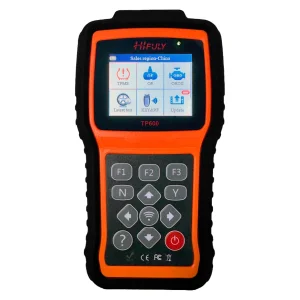
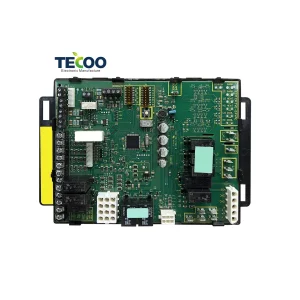
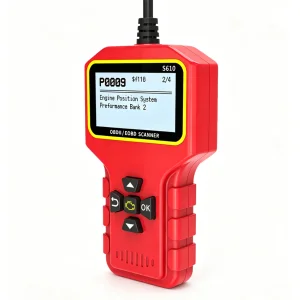
Industrial-scale design, engineering, and deployment of elite diagnostic systems, telemetry networks, and ECU testing architectures.
Shenzhen Manata Scanner Co., Ltd. is a leading China automotive diagnostic equipment manufacturer specializing in advanced vehicle inspection systems and ECU diagnostic solutions for the global automotive aftermarket. With a strong commitment to innovation, quality, and intelligent vehicle servicing, Manata Scanner delivers reliable diagnostic technologies designed to improve maintenance efficiency, reduce downtime, and support modern workshop operations.
The company offers a comprehensive portfolio of automotive diagnostic equipment, including vehicle inspection systems, ECU programming and coding tools, automotive scan tools, ADAS calibration equipment, EV battery diagnostic systems, TPMS diagnostic devices, and intelligent fleet diagnostic solutions. These products are widely used by automotive repair workshops, vehicle inspection centers, dealerships, fleet operators, and maintenance service providers worldwide.
Driven by continuous technological innovation, Shenzhen Manata Scanner Co., Ltd. integrates artificial intelligence, cloud connectivity, big data analysis, and advanced electronic testing technologies into its product development process. The company's R&D team focuses on creating intelligent, accurate, and user-friendly diagnostic solutions capable of meeting the evolving requirements of both conventional and new energy vehicles.
Analyzing the shifts toward software-defined vehicles, high-speed BUS structures, and the structural demand for smart diagnostic hardware.
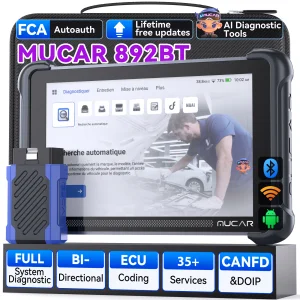
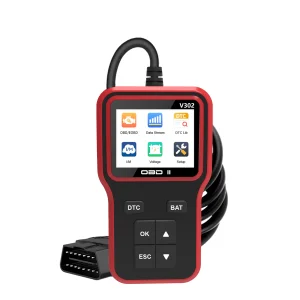
Modern transportation is shifting rapidly toward Software-Defined Vehicles (SDVs). Consequently, vehicle diagnostic infrastructures must evolve from legacy fault code reading (OBD-II over basic CAN) to real-time, high-bandwidth data acquisition. This paradigm shift requires highly optimized edge computing hardware, such as advanced automotive data collection devices, that can parse complex datasets directly from CAN FD, DoIP (Diagnostics over IP), FlexRay, and Automotive Ethernet. By executing filtering and analysis at the device level, systems can transmit critical vehicle health parameters via 4G/5G links without overloading centralized telematics platforms.
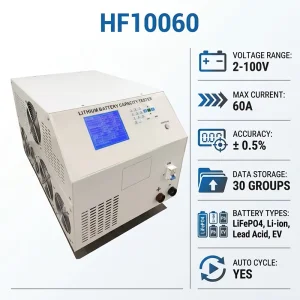
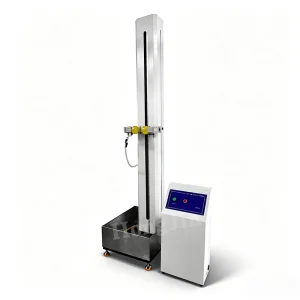
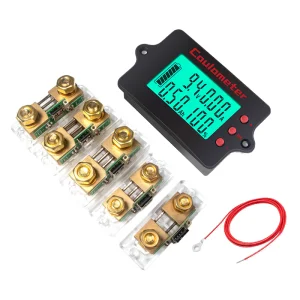
The transition to New Energy Vehicles (NEVs) presents new diagnostic challenges. The battery pack is the single most critical asset in an electric vehicle, demanding strict measurement of State of Health (SOH), State of Charge (SOC), internal cell resistance, and safety metrics. High-precision charge and discharge testing modules are essential for verifying pack integrity during manufacturing, dealership servicing, and second-life sorting. Non-destructive physical connection inspection equipment ensures battery interconnect reliability under extreme thermal and vibrational conditions.
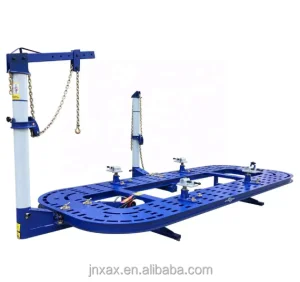
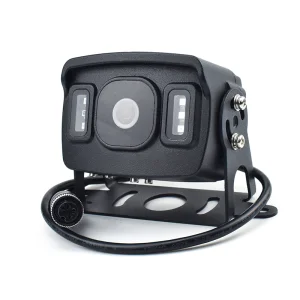
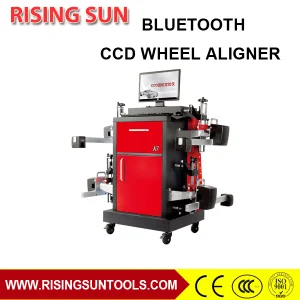
As ADAS and level 2+ autonomous features become standard, vehicle safety depends on precise sensor alignment. Micro-deviations in camera brackets, radar arrays, or LiDAR modules can cause system-level failures. Professional ADAS calibration and headlight alignment tools provide garages and fleet depots with physical and digital verification mechanisms. Combined with vehicle-integrated CMSV6 real-time telematics cameras, fleet operators can monitor environmental hazards and operator status simultaneously, minimizing liability and operations downtime.
Equipped with high-performance transceivers to manage modern communication protocols, ensuring full support for complex vehicle system architectures.
Comprehensive systems for testing and sorting lithium battery packs, evaluating SOH, and inspecting electrical connections without damaging components.
In-house SMT assembly and automated functional burn-in testing of ECU components to guarantee component reliability under harsh operating conditions.
Inside our Shenzhen factory: Strict multi-stage inspection routines, compliance validation, and customization capabilities.
Quality is at the core of Manata Scanner's manufacturing philosophy. The company implements strict quality management procedures throughout design, production, testing, and final inspection to ensure stable performance and long-term reliability. Its products are engineered to comply with international standards and are exported to customers across Europe, North America, South America, Southeast Asia, the Middle East, and other global markets.
Every diagnostic scanner, fleet telemetry tracker, and battery tester undergoes rigorous testing before shipment. Our quality program includes:
We provide global distributors, diagnostic brands, and fleet management operators with tailored integration services:
Industrial telematics platforms, professional-grade diagnostic scanners, high-energy cargo inspection, and non-destructive vehicle screening systems.
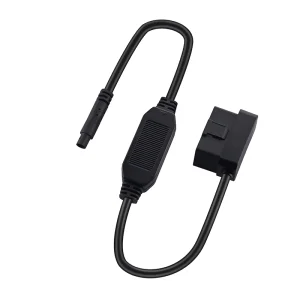
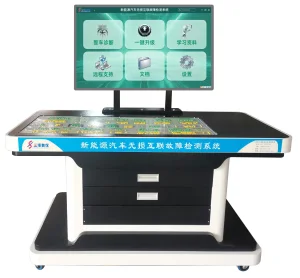
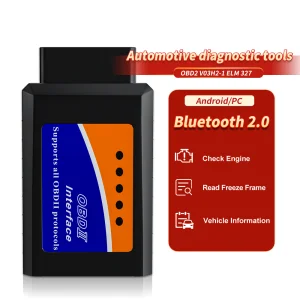
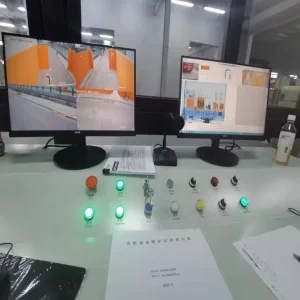
Our strategic roadmap for AI diagnostic integration, cloud diagnostics, and vehicle-to-infrastructure connectivity.
As modern vehicles adopt more computerized architectures, the diagnostic landscape is shifting from reactive troubleshooting to proactive health monitoring. Shenzhen Manata Scanner Co., Ltd. is focusing its development on three key areas:
By embedding AI inference chips directly into OBD transceivers and fleet tracking hardware, systems can analyze CAN bus data streams locally. This enables the detection of micro-anomalies in alternator output, cylinder pressures, and transmission temperature curves before physical components fail.
Combining local hardware with cloud computing allows workshops and fleet operators to run full system scans remotely. Our cloud systems integrate with fleet telematics interfaces, allowing fleet dispatchers to access deep ECU data without pulling vehicles off the road.
We are expanding our EV diagnostics portfolio to include specialized tools for solid-state batteries, high-voltage vehicle electrical systems, and next-generation dual-motor drivetrains, supporting technicians as they transition to new vehicle service standards.
A look inside our ISO-certified production facilities, SMT lines, and quality control stations.
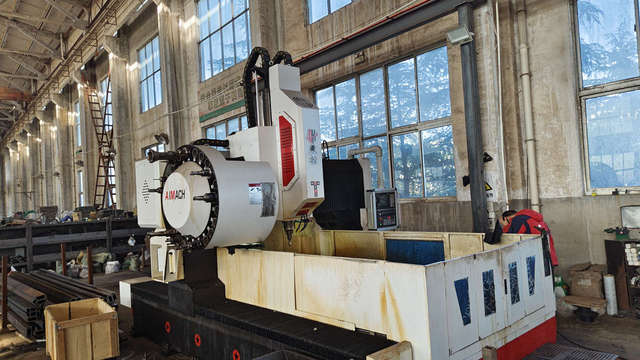
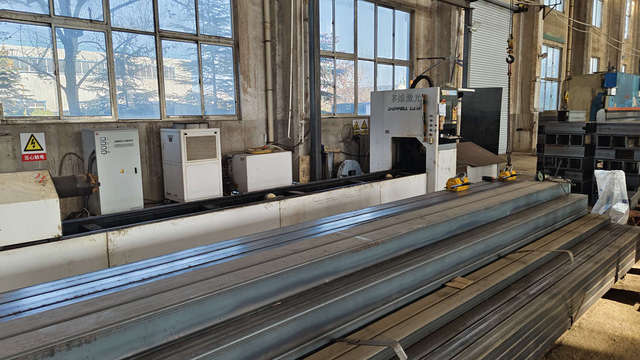
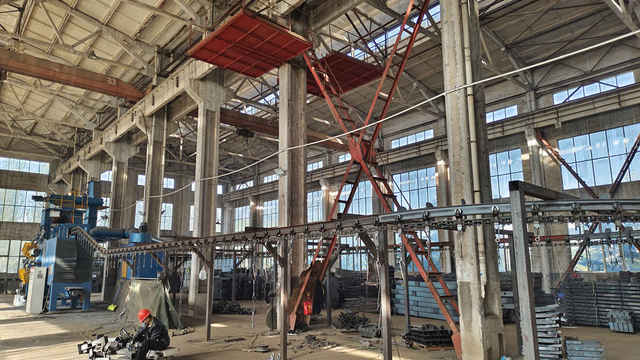
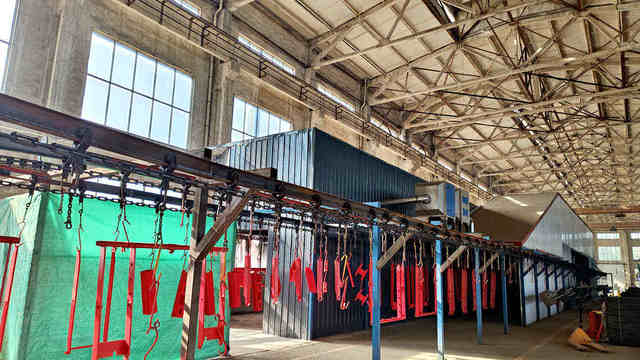
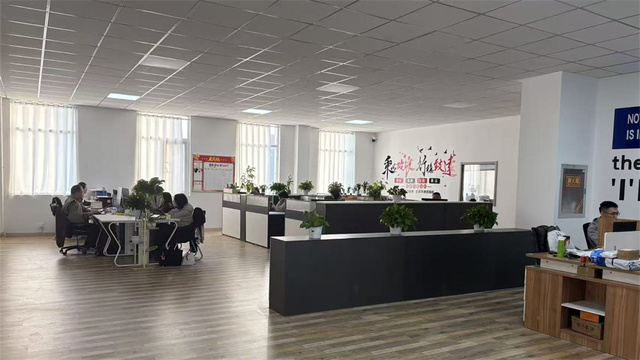
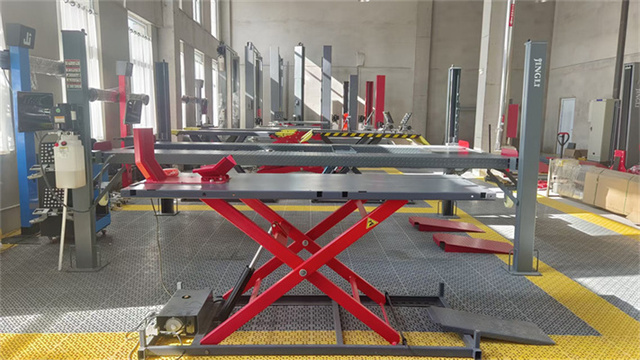
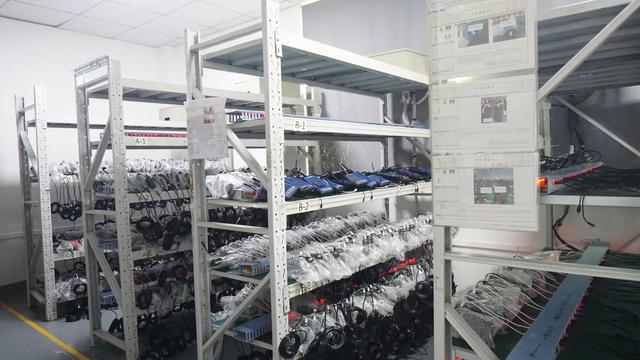
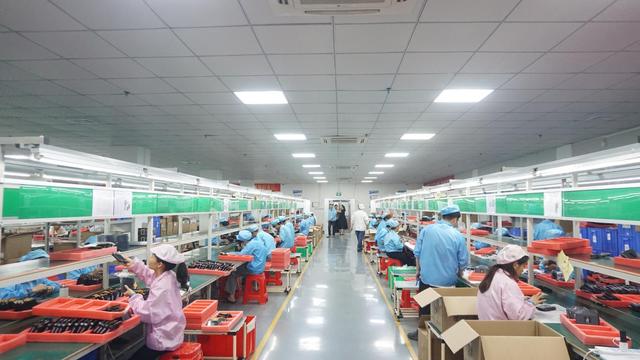
Technical details regarding our diagnostic equipment, custom firmware development, and logistics support.
 Manata Scanner