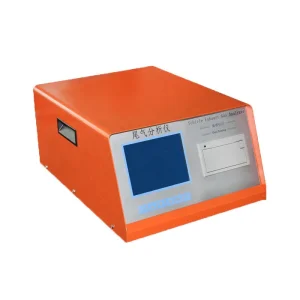
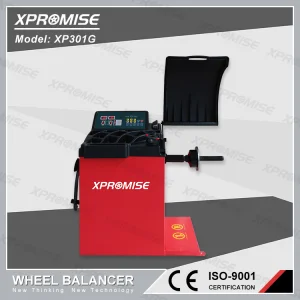
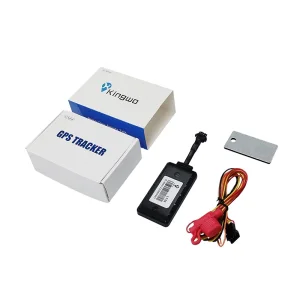
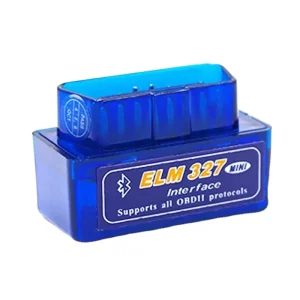
Explore our foundational diagnostic scanner collection, sensor analyzers, and active vehicle system calibration setups trusted by workshops worldwide.
A comprehensive examination of diagnostic integration, millimetric alignment tolerances, and sourcing optimization in the modern automotive aftermarket.
The automotive service industry is currently undergoing its most significant technological evolution since the implementation of on-board diagnostics (OBD-II). With the rapid integration of Advanced Driver Assistance Systems (ADAS) as standard equipment in modern vehicles, simple mechanical repair has transitioned into a highly complex discipline of electronic orchestration. Radars, LiDARs, ultrasonic sensors, and optical cameras govern functions such as Lane Keep Assist (LKA), Adaptive Cruise Control (ACC), and Autonomous Emergency Braking (AEB).
A deviation of even 1 millimeter at the sensor mount can lead to a misalignment of several meters down the highway, resulting in system failures, false collision warnings, or catastrophic failure of safety protocols. As a leading specialized manufacturer, Shenzhen Manata Scanner Co., Ltd. addresses this critical vulnerability. We supply professional-grade calibration rigs, electronic OBD scanners, and high-precision sensors engineered to restore vehicles to absolute OEM-level functional compliance.
Sourcing ADAS tools demands an understanding of the rapid shifts in vehicle sensory perception systems. The industry's technological path can be categorized into three distinct horizons:
Utilizing physical, pattern-accurate boards (reflector panels, checkerboards, coaxial patterns) positioned at precise geometric coordinate points relative to the vehicle's thrust line. This relies heavily on rigid structural fixtures and laser-guided distance verification.
Calibrating through specific driving profiles using complex diagnostic software. Our tools coordinate directly with the vehicle's Electronic Control Unit (ECU) to place sensors in learning mode, allowing real-time parameter tracking over the air (OTA) via advanced OBD channels.
Next-generation vehicles combine inputs from multi-wavelength radars, stereoscopic cameras, and LiDAR simultaneously. Future calibration tools will deploy Augmented Reality (AR) visual overlays and digital twins to display laser alignments instantly, rendering manual setup measurements obsolete.
The commercial landscape is characterized by diverse global regulations. In the European Union, the General Safety Regulation (GSR) mandates ADAS technologies in all new type-approved vehicles. In North America, insurance carriers and safety agencies increasingly require verified post-collision ADAS re-calibrations.
Internationally, workshops, fleet management services, and automotive body shops face challenges in balancing tooling costs with functional compatibility. Purchasing tools from a generalized trading company often results in compatibility issues with local vehicle models. To solve this, Shenzhen Manata Scanner Co., Ltd. builds integrated diagnostic systems that contain software profiles covering regional models from Europe, North America, Latin America, and Southeast Asia.
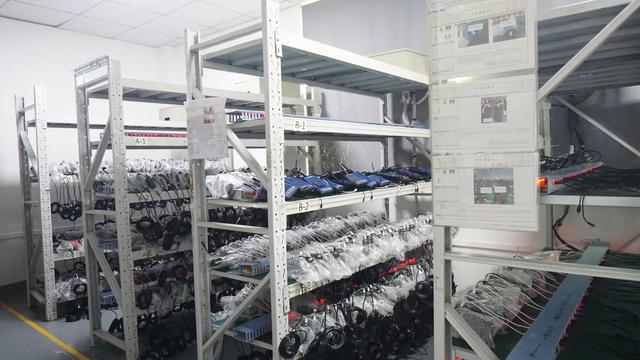
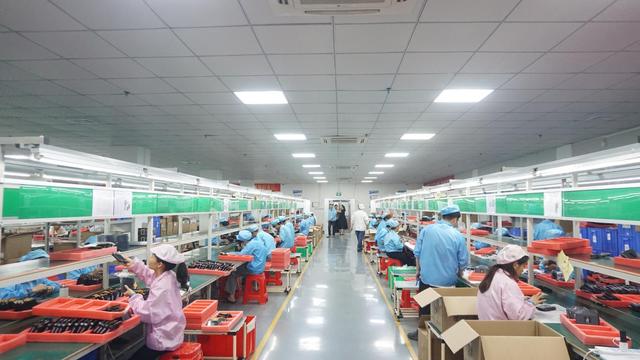
Sourcing directly from our specialized factory in Shenzhen offers distinct competitive advantages over domestic distribution models:

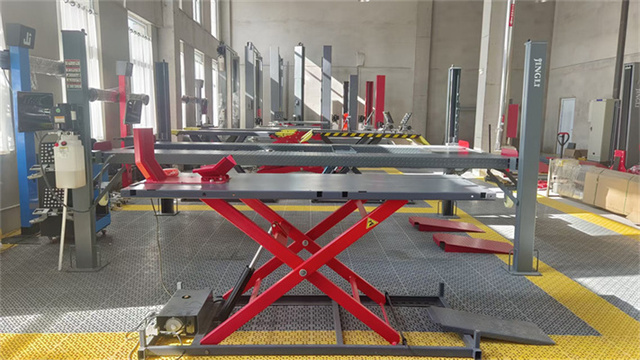
ADAS calibration is not a one-size-fits-all process. The physical layout, environmental conditions, and vehicle profiles vary across different application scenarios:
Designed for heavy-duty truck maintenance facilities. Minimizes vehicle downtime through fast-setup multi-target alignment racks that accommodate varying wheelbases and high-clearance truck chassis.
Space-saving, mobile-calibration solutions. Features foldable frames and digital laser targets that adapt to restricted floor space without sacrificing geometric precision.
Heavy-duty setups designed for quick turnover. Seamlessly integrates with laser alignment racks to provide comprehensive, pre- and post-repair vehicle safety scans.
At Shenzhen Manata Scanner Co., Ltd., our commitment to quality is reflected in our strict adherence to global safety and metrology standards. Our diagnostic tools comply with CE, FCC, and RoHS regulations, ensuring safety and performance across international markets.
Our international service model ensures customers receive expert technical assistance, real-time diagnostic software updates, and comprehensive digital training guides. This support enables workshop technicians to perform complex calibration procedures with confidence and precision.
Answering critical technical questions from diagnostic experts and workshop purchasing directors.
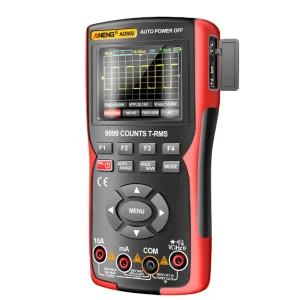
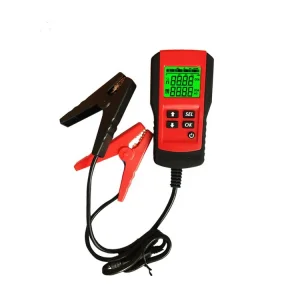
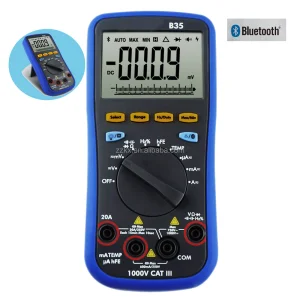
Complete your workshop capabilities with our electronic multimeters, battery analyzers, emissions analyzers, and heavy-duty inspection tools.
 Manata Scanner