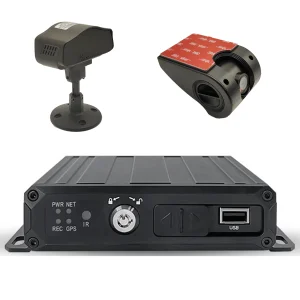
Top 10 Vehicle Condition Monitoring Devices Manufacturer & Suppliers

Global Industrial Diagnostic Intelligence, Predictive Maintenance, & Fleet Inspection Frameworks

Leading Edge Condition Monitoring Devices

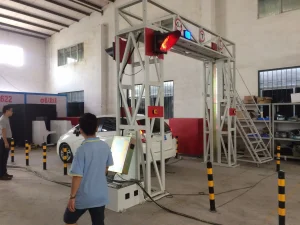
X-ray Scanner Safeway System-X-ray Cargo and Vehicle Inspection System

X-ray Scanner Safeway System-X-ray Cargo and Vehicle Inspection System

View Product Details
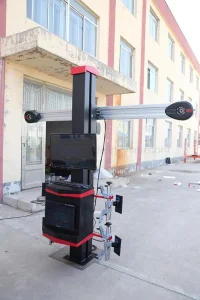
Auto Garage Equipment Tire Calibration Wheel Alignment 3D Camera Wheel Aligner System

Auto Garage Equipment Tire Calibration Wheel Alignment 3D Camera Wheel Aligner System

View Product Details
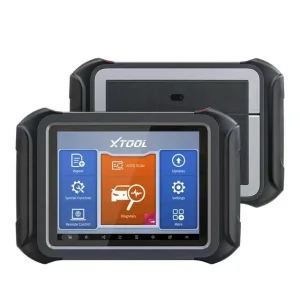
2024 XTOOL D9 HD Car Diagnostic Tools for 12V 24V Car and Truck

2024 XTOOL D9 HD Car Diagnostic Tools for 12V 24V Car and Truck Diagnostic Tools Auto OBD OBD2 Scanner Mechanical Workshop Tools

View Product Details
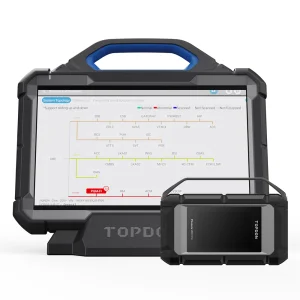
TOPDON Phoenix Max OBD2 Scanner

TOPDON Phoenix Max Free Update Professional Automotive Car Diagnostic Machine OBD2 Scanner Diagnostic Tool

View Product Details
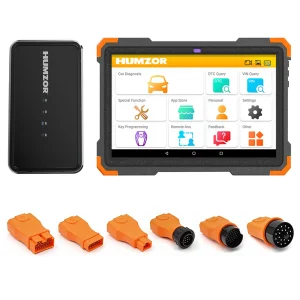
Diagnostic Set for All Cars NS366S

High-quality Diagnostic Set for All Cars NS366S Diagnostic Scanner for diesel Engine With Tablet

View Product Details
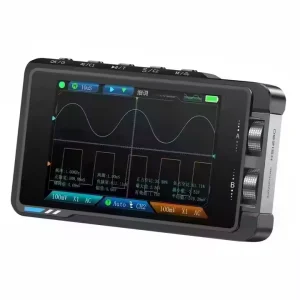
FNIRSI DS215H Handheld Oscilloscope

FNIRSI DS215H 50MHz Handheld Oscilloscope & Multimeter, 2-in-1 250MS/s 2CH W/ 8 Languages for Electronics Repair & Automotive

View Product Details
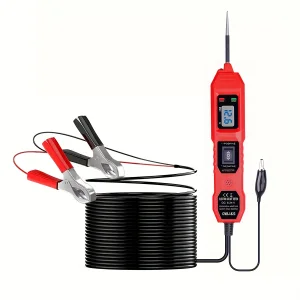
Automotive Circuit Tester LED Display

Automotive Circuit Tester with LED Display & Power Probe | Battery, Voltage Diagnostic Tool Kit

View Product Details
AI MDVR Driver Status Monitor

AI MDVR Driver Status Monitor DMS+ADAS+BSD+radar Fleet Management System

View Product Details

Modern Vehicle Health Architectures & Monitoring Systems

In the context of the fourth industrial revolution and the transition toward Software-Defined Vehicles (SDVs), vehicle condition monitoring devices have evolved from simple diagnostic trouble code (DTC) scanners into highly integrated edge-computing nodes. Modern automotive networks demand continuous, non-intrusive monitoring of chassis dynamics, powertrain health, ADAS sensor alignment, and energy parameters. For fleet operators, tier-one suppliers, and logistics companies, optimizing asset uptime requires predictive analytics architectures built on high-fidelity, real-time diagnostic systems.

These condition monitoring systems operate at the intersection of vehicle telemetry and heavy-duty diagnostic interfaces. By querying the vehicle's internal networks (CAN bus, LIN, FlexRay, and Automotive Ethernet) via high-speed interfaces like ISO 14229 (UDS) and SAE J1939 protocols, diagnostic hardware parses thousands of parameters per second. Key metrics such as cylinder pressure deviations, thermal behavior of EV batteries, wheel alignment offsets, and emissions compositions are logged, analyzed on the edge, and pushed to cloud diagnostic dashboards.

99.8%
Accuracy Rate
Precision calibration systems matching laboratory standard metrics.
<10ms
Edge Latency
Ultrafast CAN bus processing for instant anomaly detection.
50+
OEM Protocols
Comprehensive vehicle manufacturer sub-system compatibility.
35%
Downtime Cut
Demonstrated operational cost reductions in global fleet tests.

Key Structural Trends Shaping Vehicle Monitoring

1. EV Battery & Power Electronics Monitoring

As transportation transitions from internal combustion engines to electric drivetrains, monitoring shifted from tailpipe emissions to battery health (SOH), cell balancing, and temperature variances. High-voltage insulation testing and battery management system (BMS) interrogation are now critical priorities for industrial fleet managers.

2. Cloud-Coupled Edge Diagnostics

Rather than relying purely on periodic physical scan sessions, hardware now communicates over LTE-M or 5G to execute continuous diagnostic runs. Local processors convert raw bus frames into compact status vectors, minimizing transmission overhead while allowing remote maintenance scheduling.

3. Active Safety & ADAS Alignment

Sensors such as radar, LiDAR, and vision cameras must remain in precise geometric calibration. Slight shifts from vibration or minor impacts can render Lane Keep Assist or Automatic Emergency Braking faulty. Advanced 3D alignment systems ensure functional compliance with modern safety requirements.

Key Selection Criteria for Enterprise Procurement

Procuring heavy-duty diagnostics and condition monitoring systems involves strict evaluation parameters. To assure a strong return on investment (ROI), procurement teams must balance component cost against long-term hardware longevity and multi-platform modularity. The following critical parameters govern standard RFQs in the automotive, transportation, and industrial garage sectors:

  • Hardware Ruggedization (IP Standards): Devices deployed directly in under-chassis, engine-bay, or workshop settings must exhibit ratings ranging from IP65 to IP69K to prevent ingress of oil, moisture, and fine dust.
  • Dynamic CAN-FD and DoIP Support: Diagnostic interfaces must sustain next-generation automotive communications. Old K-Line and low-speed CAN protocols are rapidly giving way to CAN with Flexible Data-Rate (CAN-FD) and Diagnostics over Internet Protocol (DoIP), which use fast ethernet links to process large ECU maps.
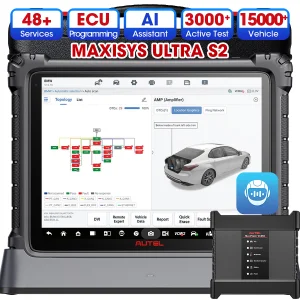
  • Multi-Environment Compatibility: A fleet manager cannot afford separate diagnostic tools for passenger cars, heavy-duty vocational trucks, construction machinery, and electric vehicles. Hybrid, multi-protocol configurations like the Autel Ultra S2 or XTOOL D9 systems allow technicians to scale operations across a varied inventory.
  • Secure Access Gateway (SGW) Bypassing: To prevent unauthorized cyber-intrusions, modern OEMs lock vehicle networks using Secure Gateways. Advanced scanners must feature authenticated cloud-access portals (e.g., FCA, Renault, and VAG SGW bypasses) to modify ECU codes safely.

Shenzhen Manata Scanner Co., Ltd. - Corporate Architecture

Shenzhen Manata Scanner Co., Ltd. is a leading China automotive diagnostic equipment manufacturer specializing in advanced vehicle inspection systems and ECU diagnostic solutions for the global automotive aftermarket. With a strong commitment to innovation, quality, and intelligent vehicle servicing, Manata Scanner delivers reliable diagnostic technologies designed to improve maintenance efficiency, reduce downtime, and support modern workshop operations.

The company offers a comprehensive portfolio of automotive diagnostic equipment, including vehicle inspection systems, ECU programming and coding tools, automotive scan tools, ADAS calibration equipment, EV battery diagnostic systems, TPMS diagnostic devices, and intelligent fleet diagnostic solutions. These products are widely used by automotive repair workshops, vehicle inspection centers, dealerships, fleet operators, and maintenance service providers worldwide.

Driven by continuous technological innovation, Shenzhen Manata Scanner Co., Ltd. integrates artificial intelligence, cloud connectivity, big data analysis, and advanced electronic testing technologies into its product development process. The company's R&D team focuses on creating intelligent, accurate, and user-friendly diagnostic solutions capable of meeting the evolving requirements of both conventional and new energy vehicles.

Quality is at the core of Manata Scanner's manufacturing philosophy. The company implements strict quality management procedures throughout design, production, testing, and final inspection to ensure stable performance and long-term reliability. Its products are engineered to comply with international standards and are exported to customers across Europe, North America, South America, Southeast Asia, the Middle East, and other global markets.

Committed to becoming a trusted global partner in automotive diagnostics, Shenzhen Manata Scanner Co., Ltd. continues to provide innovative products, professional technical support, and customized solutions that help customers enhance service capabilities and operational efficiency.

Predictive Maintenance, Edge AI, and Autonomy

The vehicle diagnostics industry is moving away from reactive code-clearing towards predictive, prognostic maintenance frameworks. In these setups, real-time diagnostic systems work in tandem with predictive algorithms, comparing live data trends against performance baselines. For instance, monitoring changes in starting current patterns allows the device to flag a failing starter motor or battery weeks before a component fails.

Simultaneously, the deployment of Level 3 and Level 4 autonomous vehicle fleets demands specialized calibration, testing, and structural imaging systems. Under-chassis camera arrays and high-capacity X-ray cargo scanning systems are essential for security and structural safety checks at borders, transport hubs, and high-security zones. Moving forward, diagnostics will merge with surrounding smart infrastructure (V2X), allowing vehicles to self-report faults to garage systems, pre-order replacement components, and download OTA (Over-the-Air) firmware updates to fix software issues remotely.

Localization, Standards, and Global Compliance

Deploying vehicle diagnostic and monitoring equipment globally requires strict adherence to international electrical, safety, and automotive protocols. Top manufacturers establish compliance pathways to guarantee seamless deployment in various geographic markets:
  • Regulatory Certifications: Equipment complies with CE (Europe), FCC (North America), RoHS (Hazardous Materials Restrictions), and UKCA regulations to guarantee safe electronic integration with vehicle electrical architecture.
  • ISO Protocols: Diagnostic transceivers are built around ISO 9141, ISO 14230 (KWP2000), ISO 15765 (CAN), and ISO 22900 (MVCI) standards, guaranteeing compatibility with diverse automotive control units.
  • Multi-language Support: Interface systems are localizable into major international languages (English, German, Spanish, French, Italian, Russian, Japanese, and Chinese), enabling efficient operations in global workshops.
  • OEM Remote Support: Manufacturers offer cloud-supported team-viewer options and live diagnostic assistance, helping technicians debug complex automotive electrical faults.

Frequently Asked Questions

What is the difference between standard OBD-II readers and high-end Vehicle Condition Monitoring systems?
Standard OBD-II readers are basic code readers that only query emissions-related engine trouble codes. In contrast, advanced vehicle condition monitoring devices communicate across multiple chassis networks (CAN-bus, DoIP, Automotive Ethernet) to read deep manufacturer-specific ECUs. They offer real-time sensor logging, ADAS calibration, TPMS programming, battery health diagnostics, and bi-directional test controls.
Why is ADAS calibration integration crucial for modern workshop diagnostics?
Advanced Driver Assistance Systems (ADAS) rely on cameras, radar, and lidar sensors. If a vehicle undergoes a wheel alignment, windshield replacement, or suspension repair, these sensors can shift out of position. Even a one-degree misalignment can lead to critical errors in lane-keeping or collision warning systems. Integrated diagnostic tools calibrate these sensors to ensure alignment matches strict OEM specifications.
How do modern diagnostic tools manage secure gateway (SGW) protection on newer vehicles?
To protect vehicle networks from hacking, automotive manufacturers lock control units with Secure Gateways. Advanced scanners bypass these blockades through official cloud-based OEM licenses. This integration lets verified users clear fault codes, run actuator tests, and rewrite ECU configurations on newer models from Jeep, Dodge, Fiat, Alfa Romeo, Nissan, and Mercedes-Benz.
What diagnostic updates are necessary for fleets transitioning to Electric Vehicles (EVs)?
Electric vehicles replace combustion engines with high-voltage battery packs, invertors, and DC-DC converters. Condition monitoring systems must include EV-specific modules to assess State of Health (SOH), inspect individual cell voltage balance, test high-voltage isolation safety, and monitor battery temperature profiles during active charging cycles.

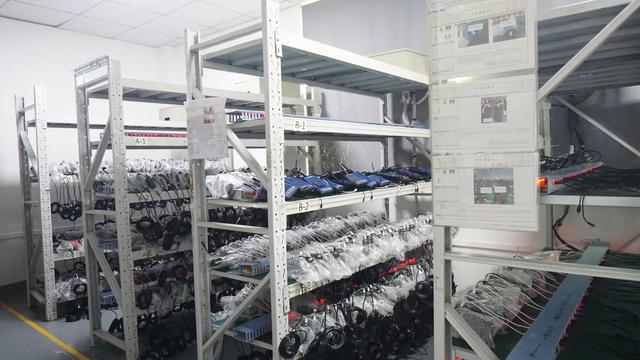
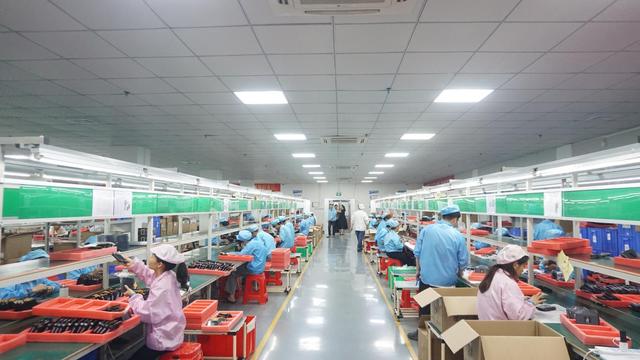
Global Manufacturing & Development Capabilities

Advanced Systems & Calibration Equipment

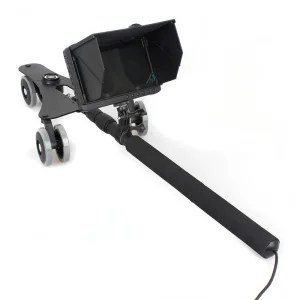
Uvis04 Under Vehicle Inspection Camera System

Uvis04 Under Vehicle Inspection Camera System

View Product Details
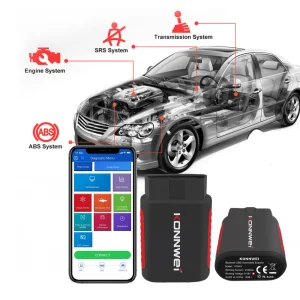
KONNWEI KDIAG Car Scanner

Easy Diag Automotive Multi-system Bluetooth Scan Tool KONNWEI KDIAG Car Scanner with APP

View Product Details
Autel Ultra S2 Diagnostic Tool

Autel Ultra S2 Full System Covering Engine, Transmission ABS SRS Diagnosis and Automotive Maintenance Assistant Diagnostic Tool

View Product Details
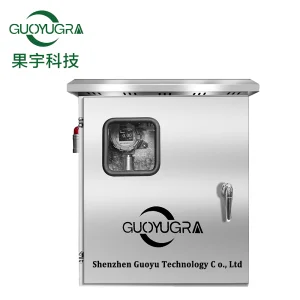
Emission Tester and Exhaust Gas Analyzer CO2 Sensor

Emission Tester and Exhaust Gas Analyzer CO2 Sensor Combustible Gas Nitric Oxide Hydrogen Sulfide Gas Monitoring System GY8600

View Product Details
Thinkcar TKey101 Automotive Key Programming Tool

Thinkcar TKey101 Automotive Key Programming Tool For Supports Toyota Smart Key Unlock Frequency Ignition Coil Detection

View Product Details
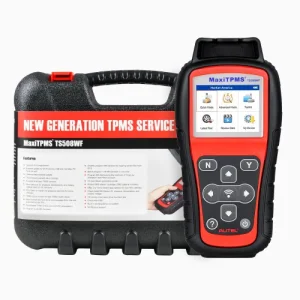
Factory Autel MaxiTPMS TS508 TPMS

Factory Autel MaxiTPMS TS508 TPMS Car Diagnostic Tool Tire Pressure Monitoring System Automotive Diagnostic Scanner Altar TS508

View Product Details
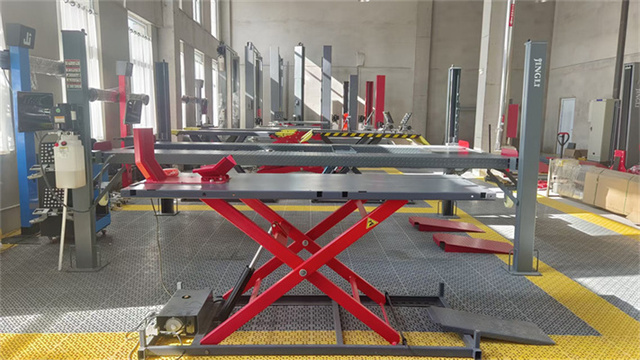
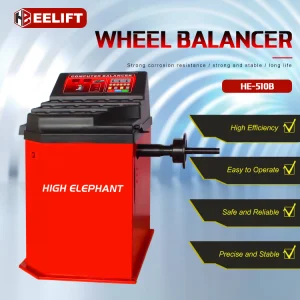
Wheel Balancer Garage Equipment

Wheel Balancer/Tyre Changer/Garage Equipment/Wheel Alignment/Scissor Car Lift/Auto Repair Tool/Vehicle Repair Equipment Tools

View Product Details
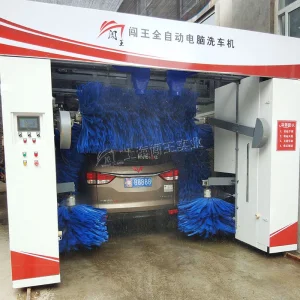
Best Quality 5 Brush Rollover Car Wash Machine

Best Quality 5 Brush Rollover Car Wash Machine Fully Automatic System/Car Washing Equipment for Car Wash Station

View Product Details