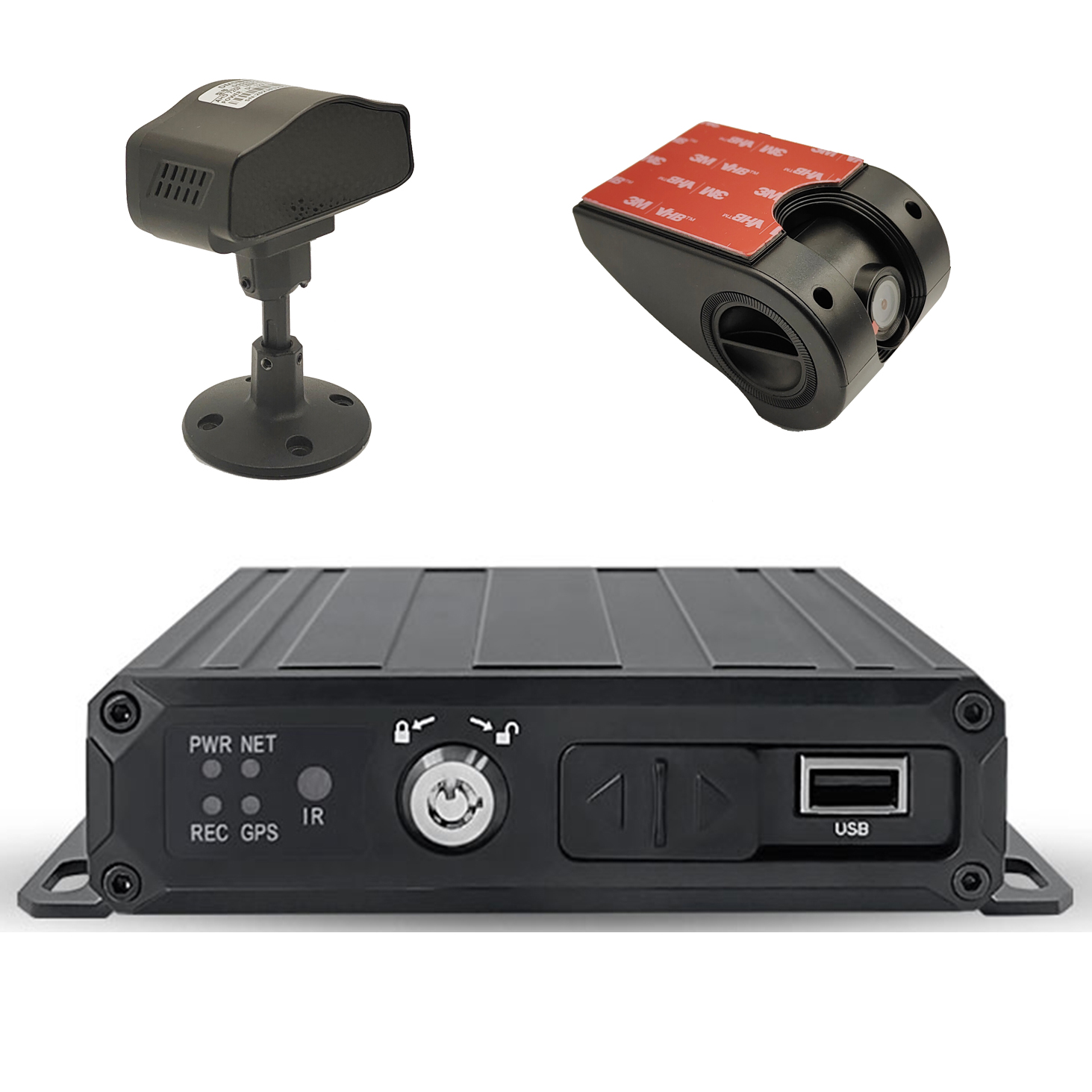
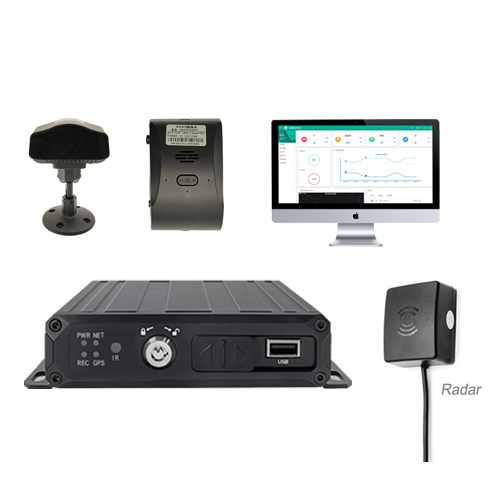
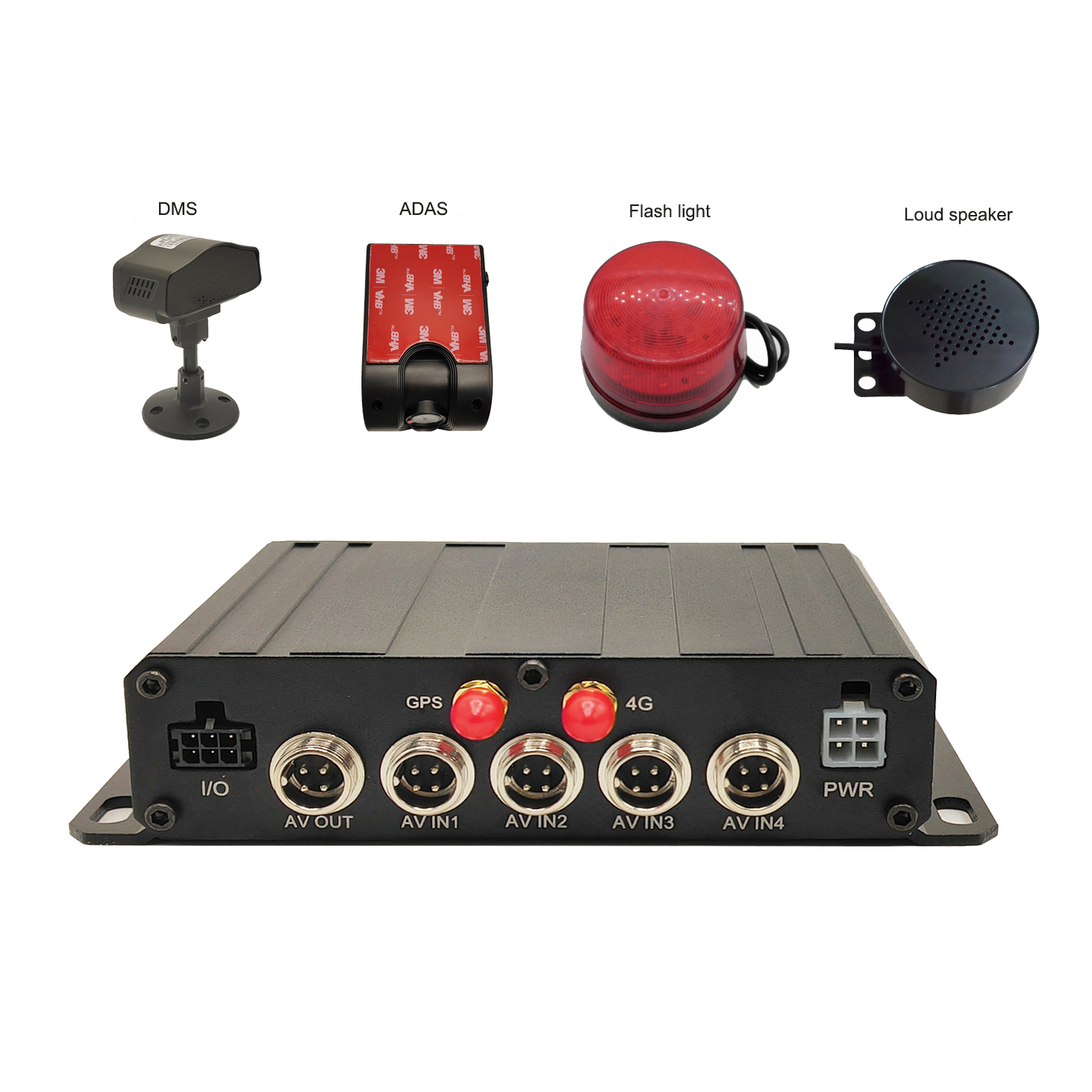
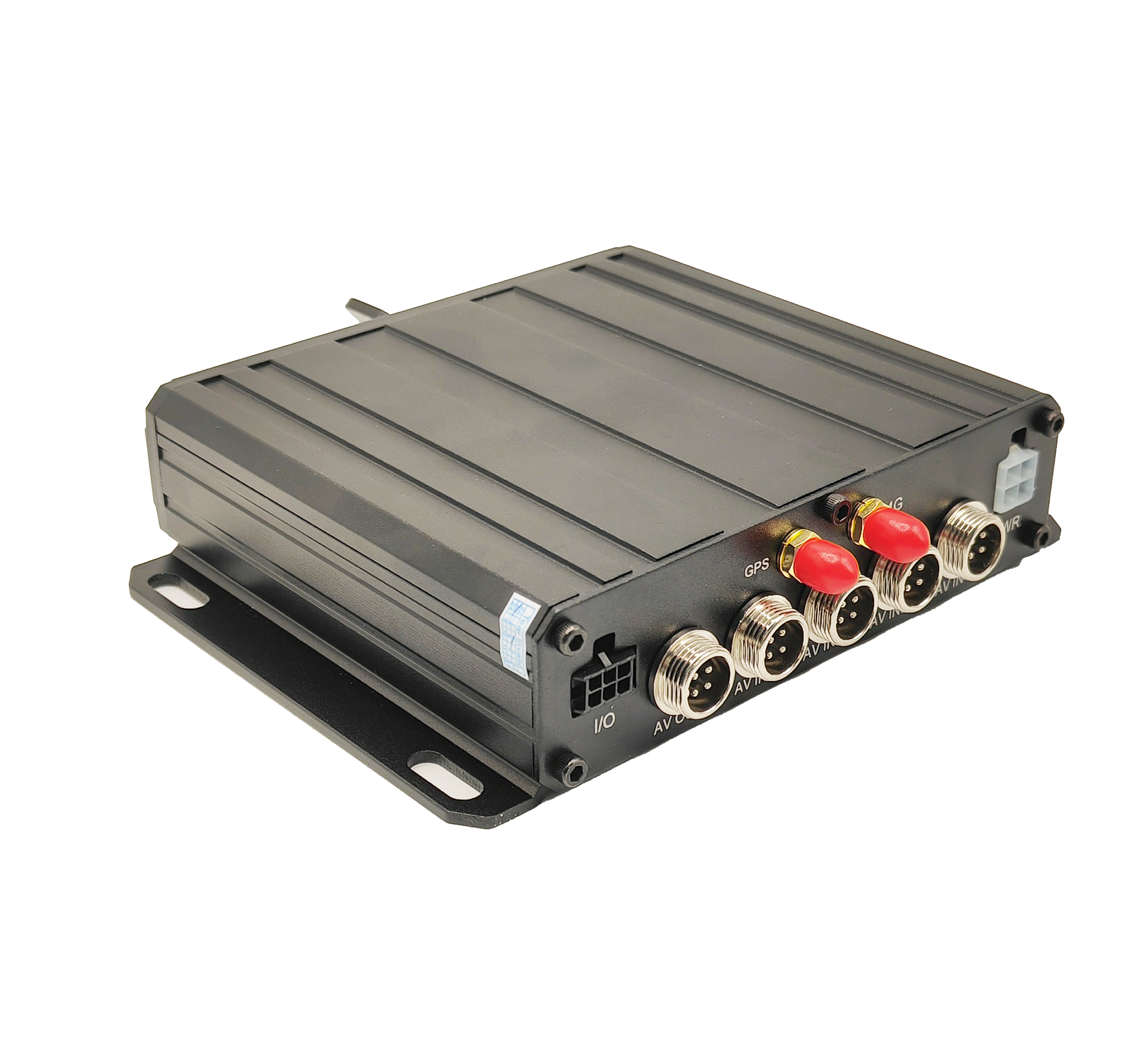
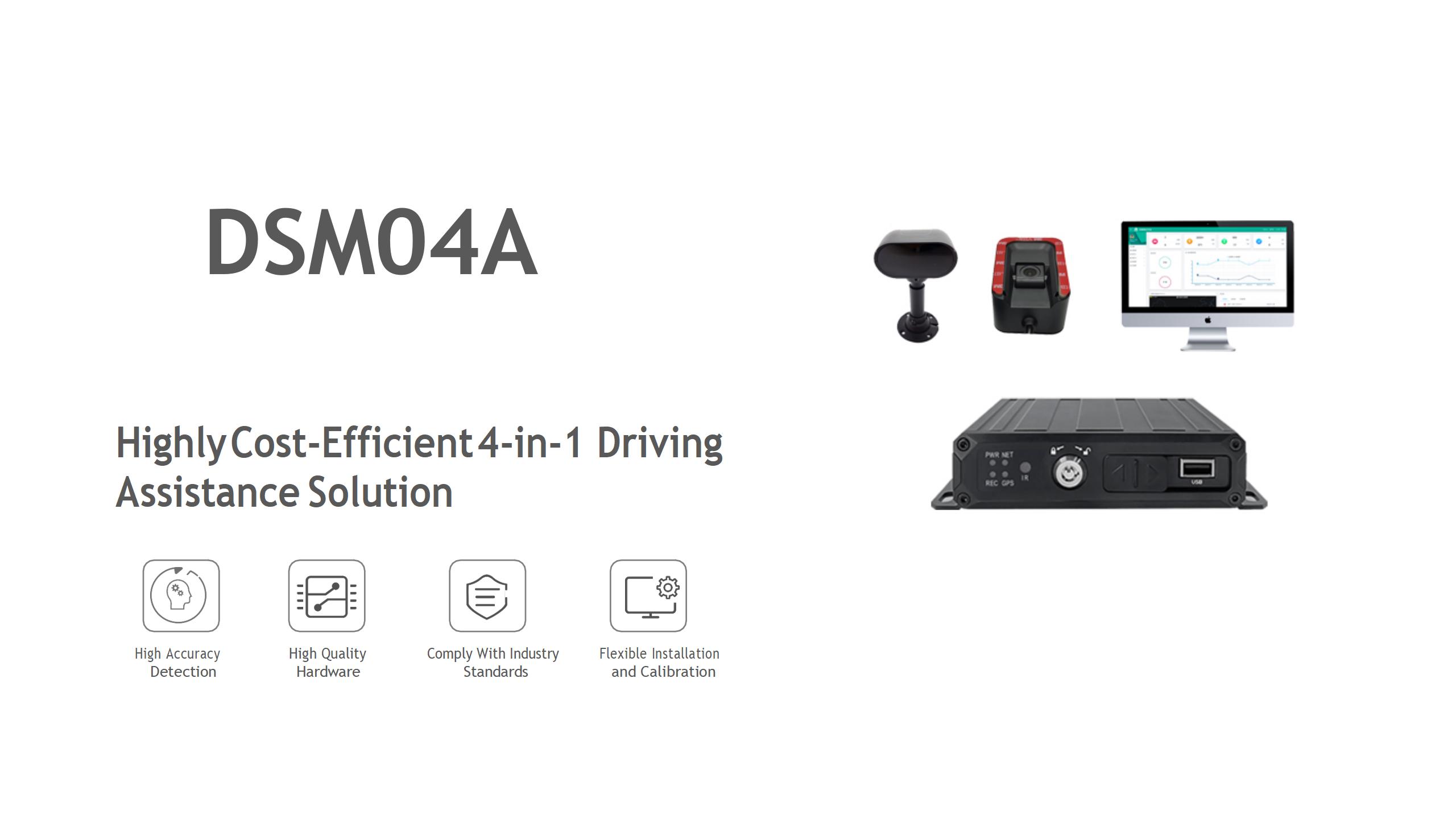
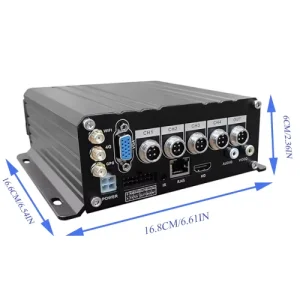
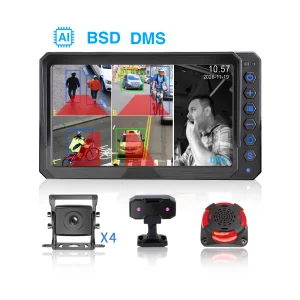
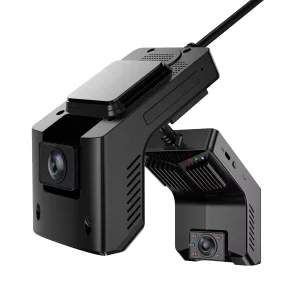
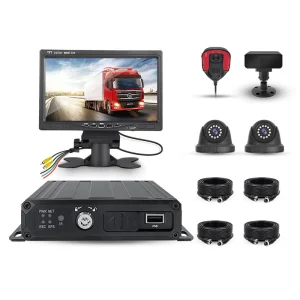
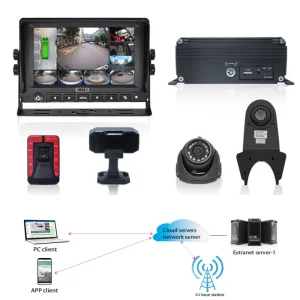
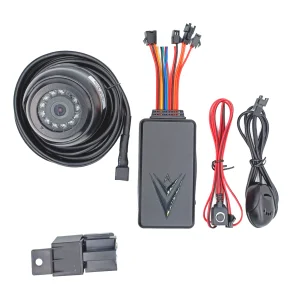
DSM04A 4-in-1 Driving Assistance Solution (ADAS+DSM+BSD+4G GPS+Monitor Center)
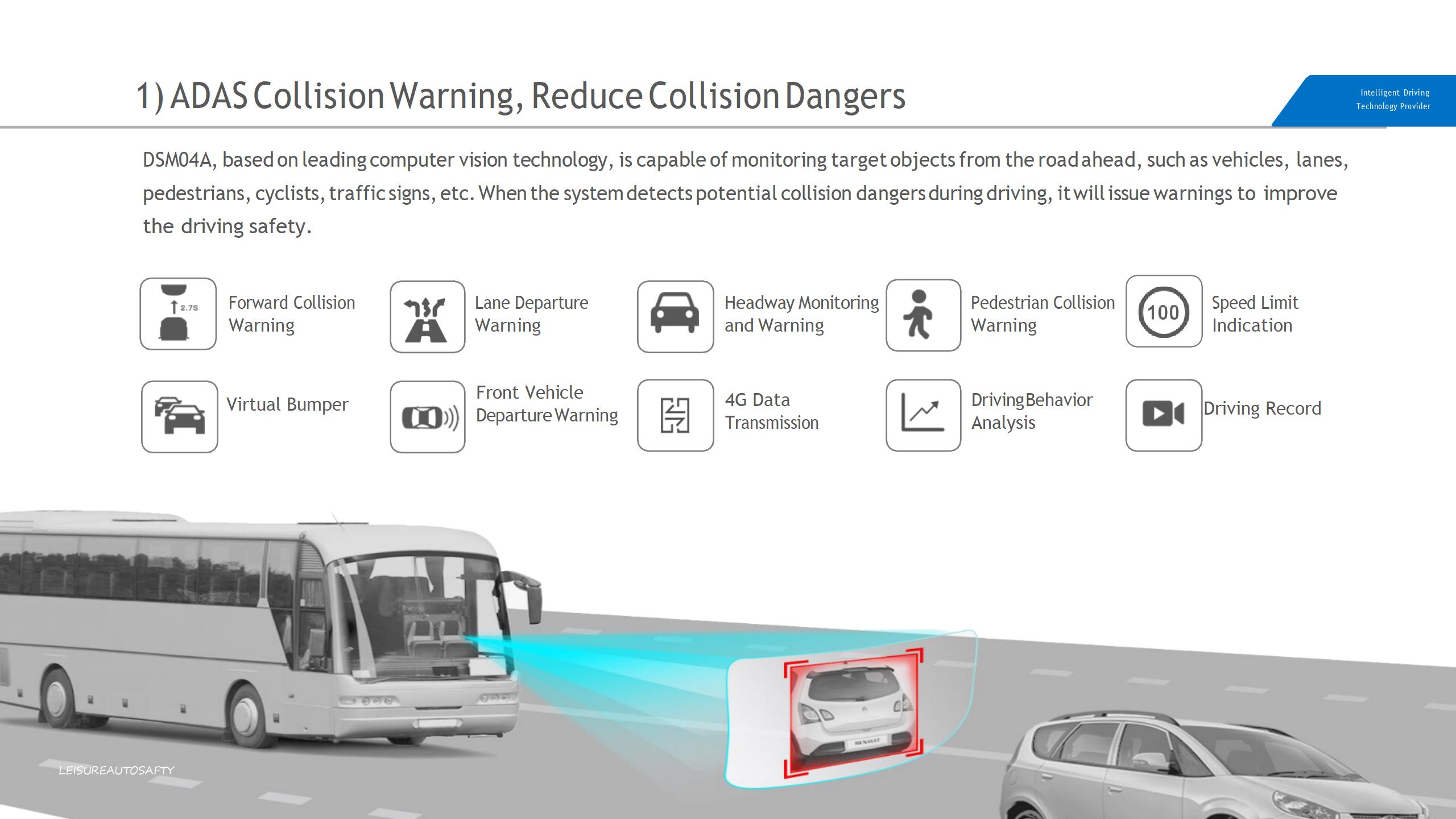
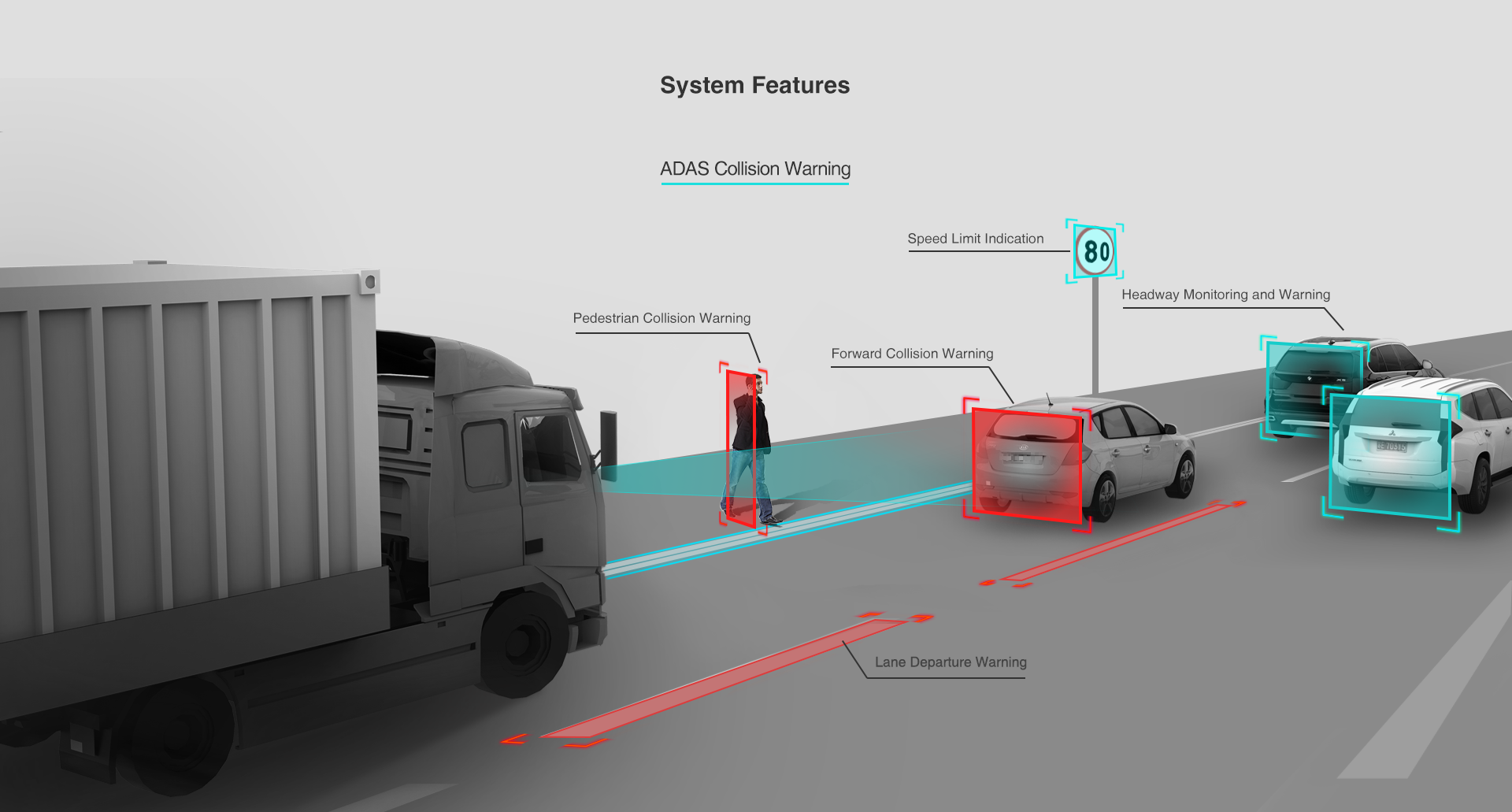
DSM04A, based on leading computer vision technology, is capable of monitoring target objects from the road ahead, such as vehicles, lanes, pedestrians, cyclists, traffic signs, etc. When the system detects potential collision dangers during driving, it will issue warnings to improve the driving safety.
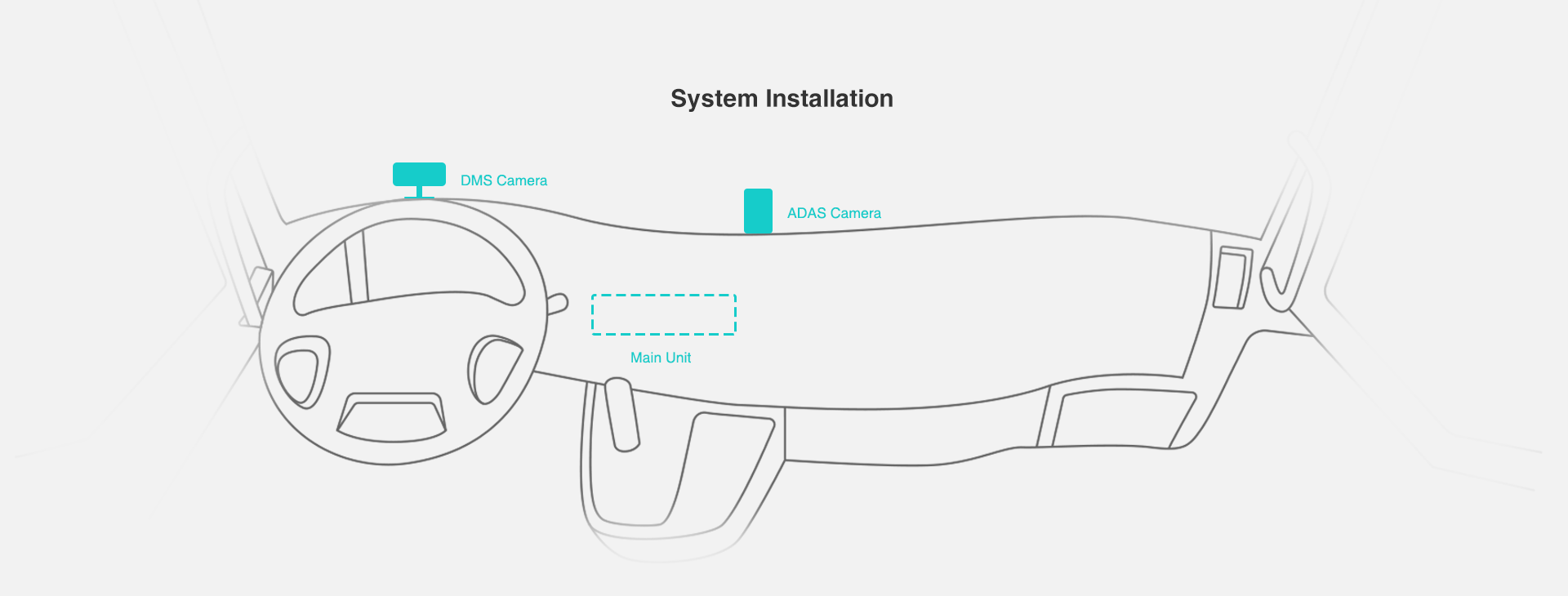
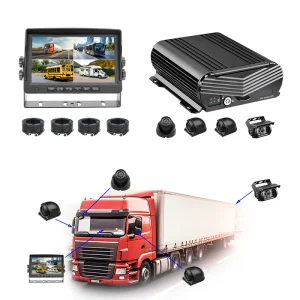
Components
| ADAS Features |
Description |
Warning Strategies |
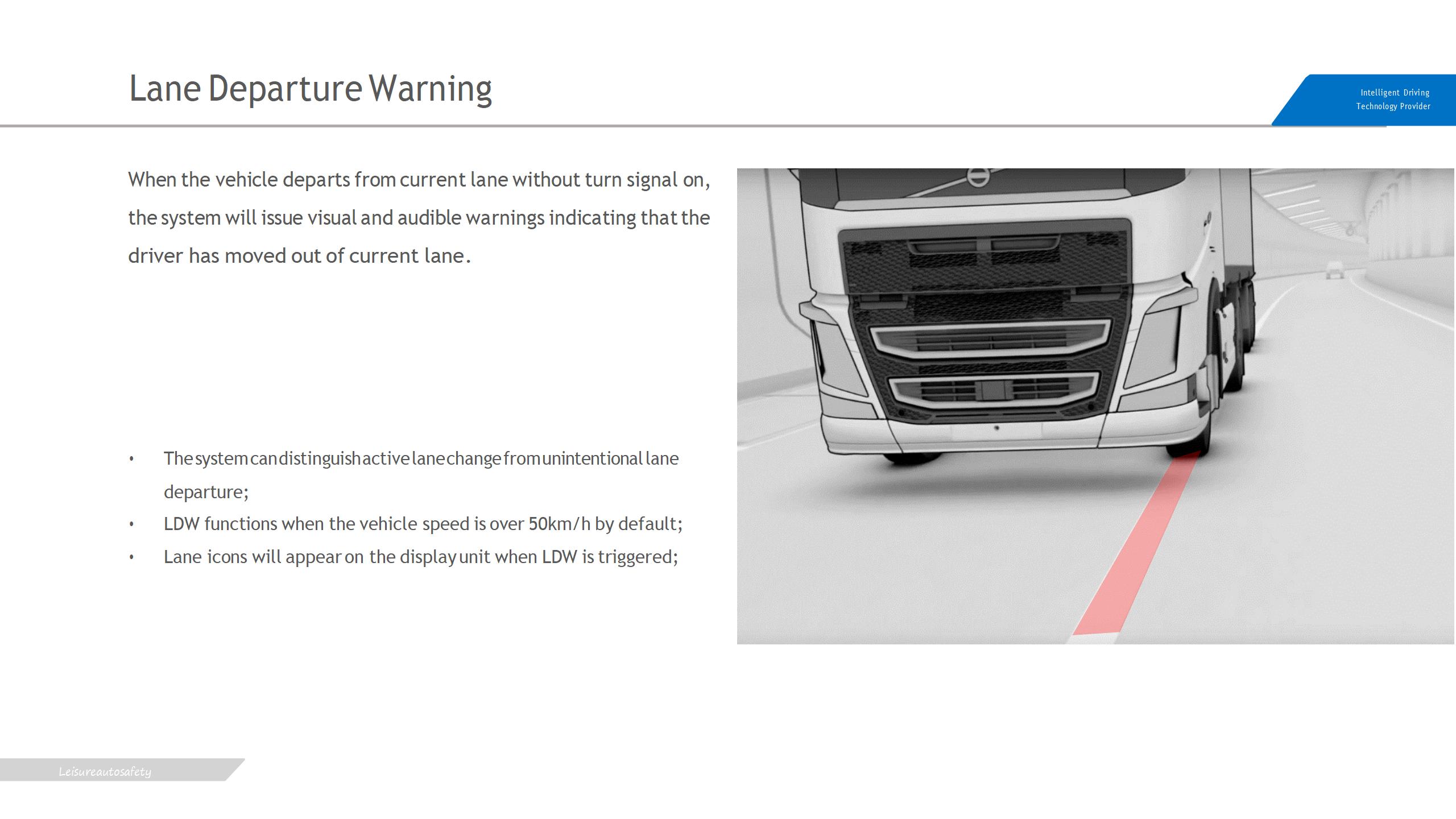
| Lane Departure Warning |
Lane change without turn signals |
Speed > 50km/h |
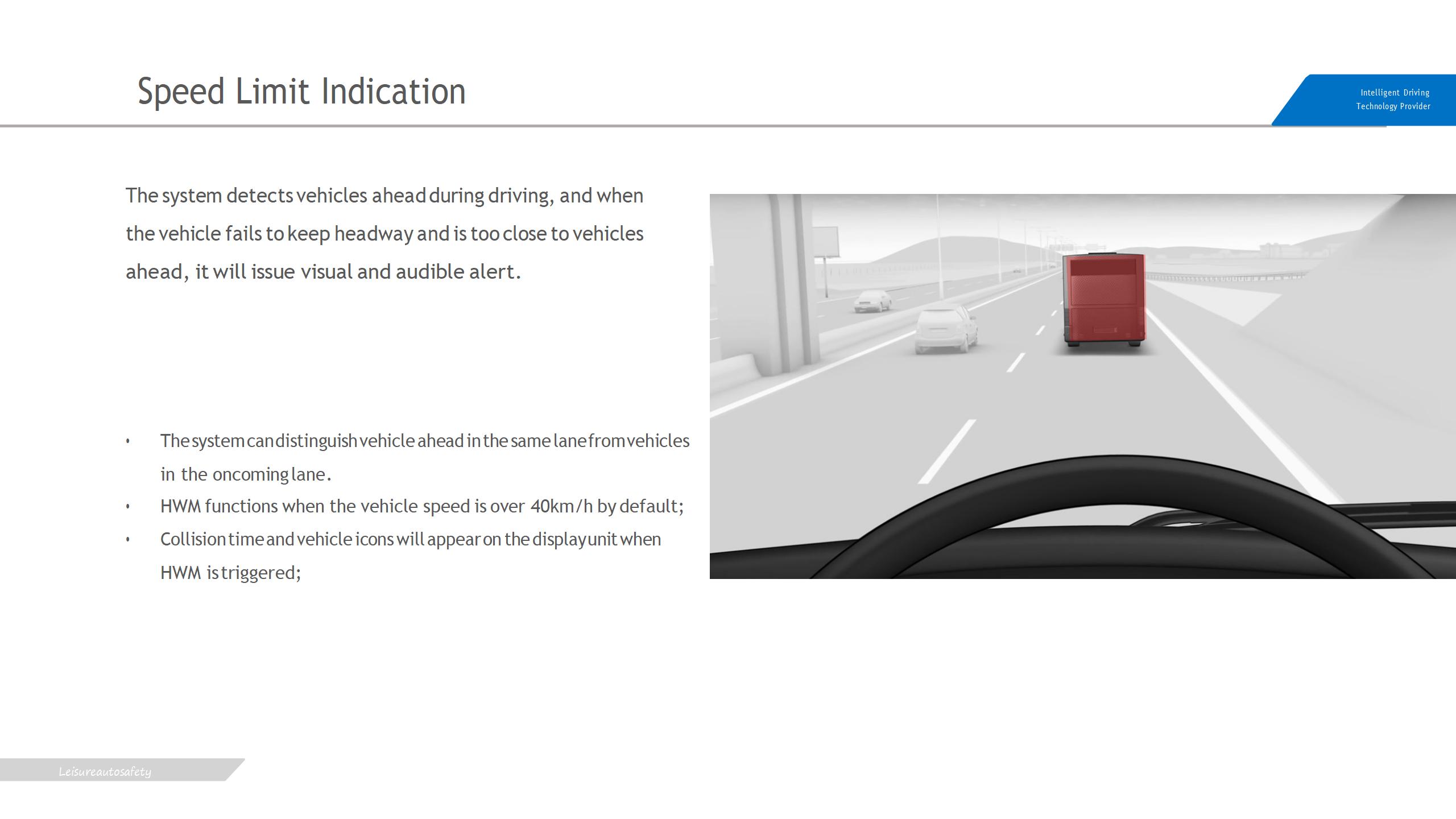
| Headway Monitoring and Warning |
Too close to vehicles ahead |
Level 1: Speed > 40km/h, TTC < 0.8s |
| Level 2: Speed > 40km/h, TTC < 0.4s |
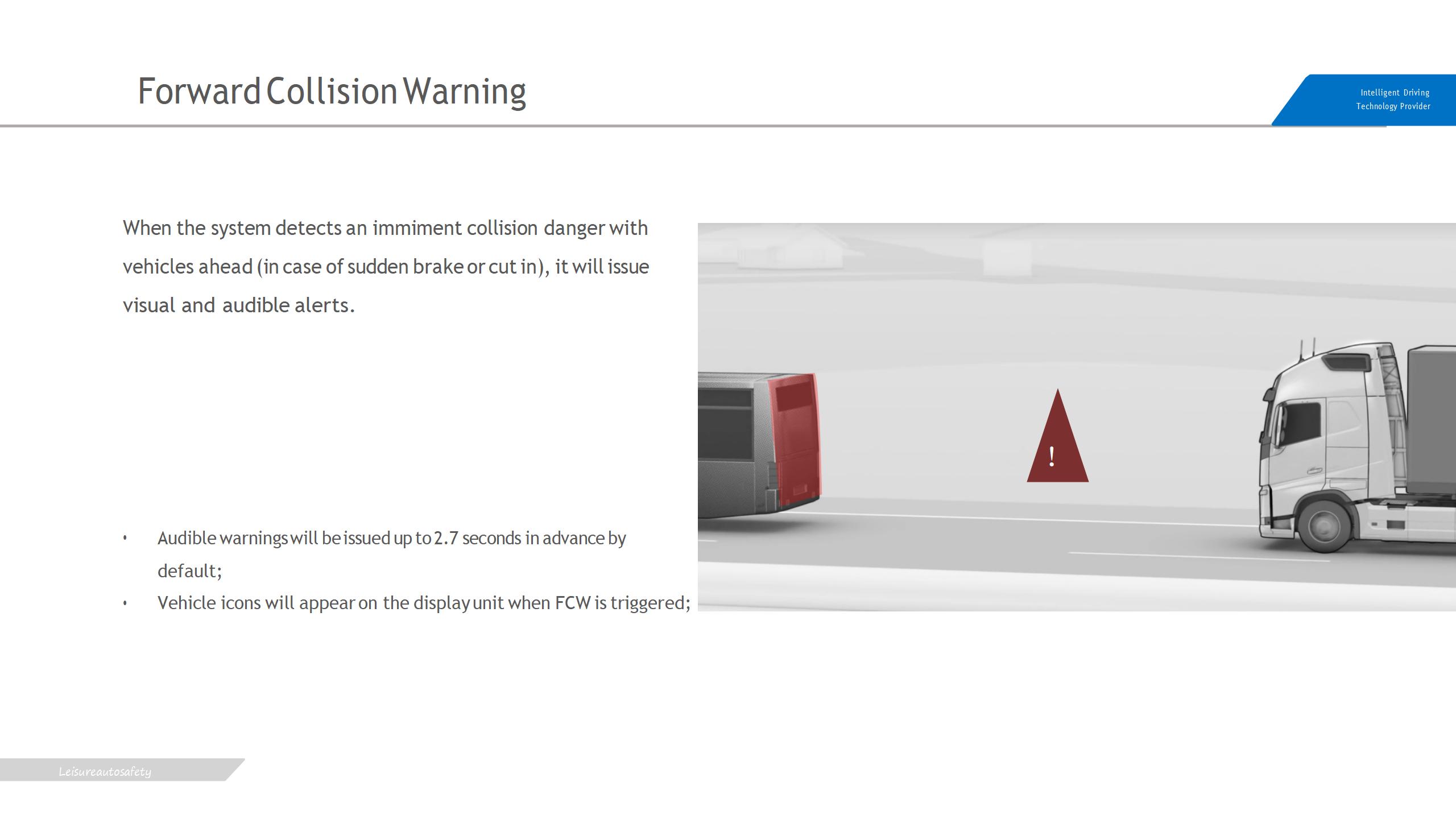
| Forward Collision Warning |
High relative velocity to the vehicle ahead |
TTC < 2.7s |
| Pedestrian Collision Warning |
Potential collisions with pedestrians |
Speed < 60km/h, TTC < 1.4s |
| Virtual Bumper |
The vehicle unintentionally moves forward when the vehicle ahead stops |
Distance: < 1m |
| Front Vehicle Departure Warning |
The vehicle stands still when the vehicle ahead starts to move forward |
Front vehicle departure time: > 3s |
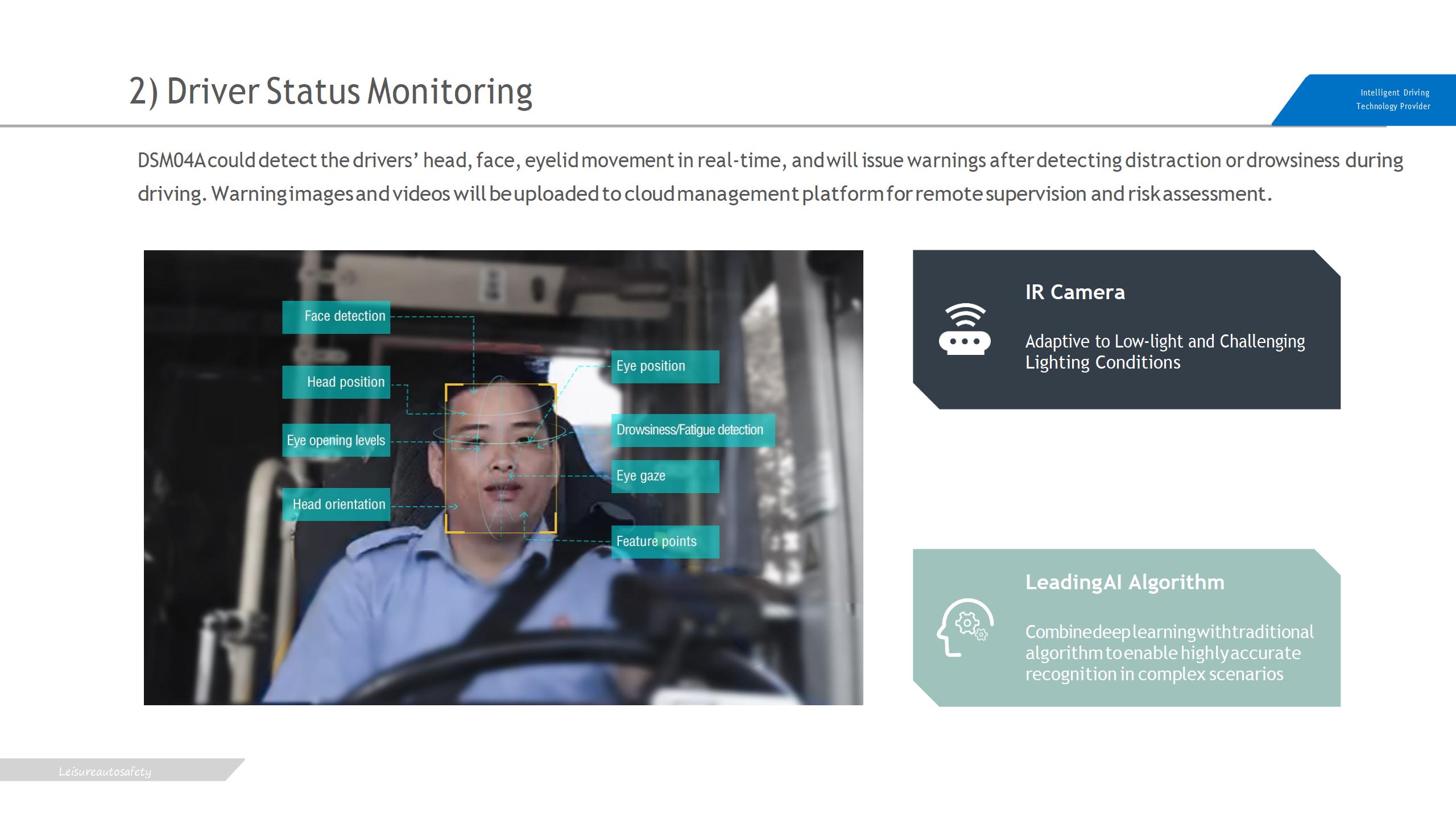
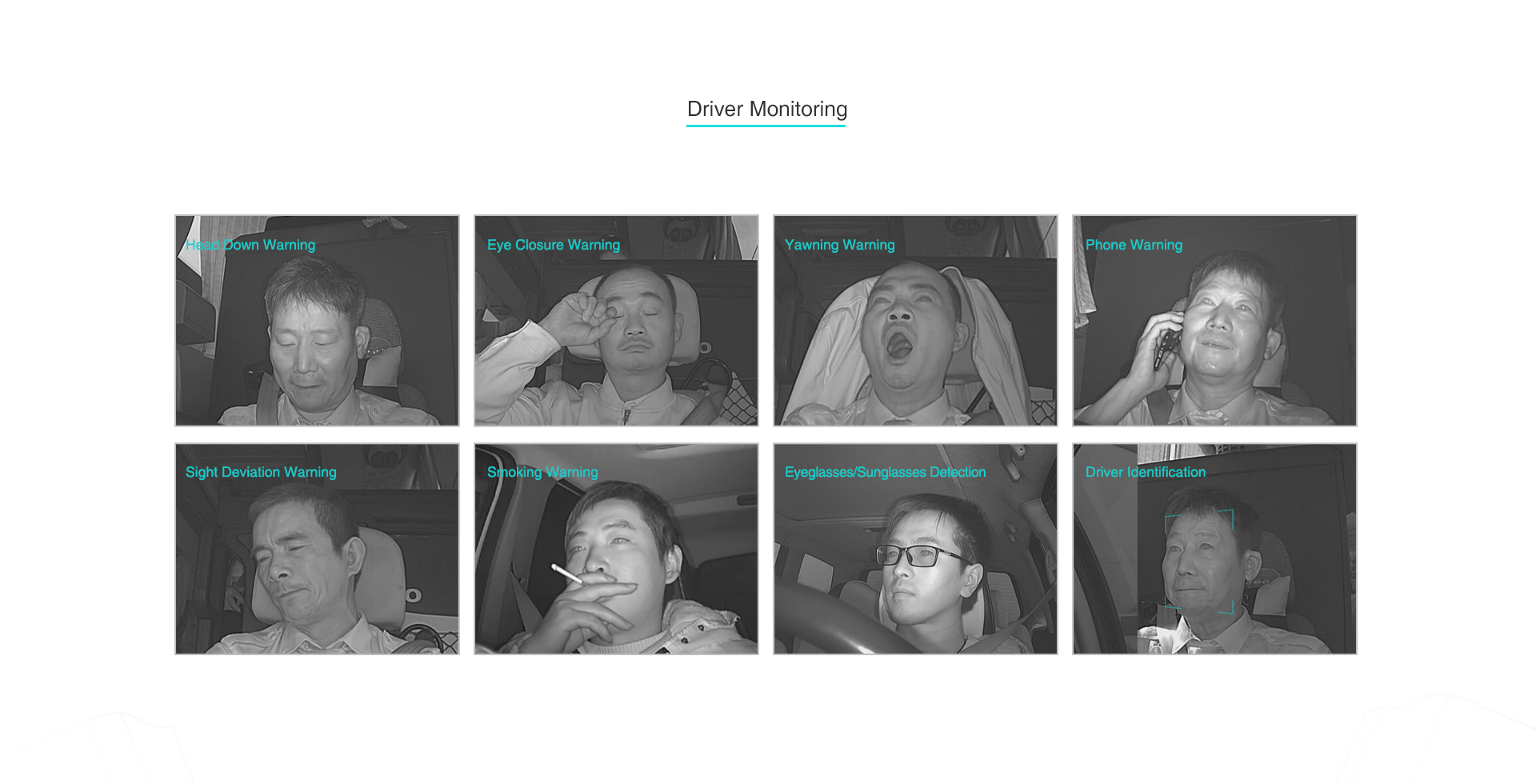
| DSM Features |
Description |
Warning Strategies |
| Eye Closure |
The driver’s eyes are closed |
Speed > 20km/h |
| Yawning |
The driver is yawning |
Speed > 20km/h |
| Head Down |
The driver is looking down |
Speed > 20km/h |
| Eyesight Deviation |
The driver is not looking forward |
Speed > 40km/h |
| Phone calls |
The driver is talking over the phone |
Speed > 20km/h |
| Smoking |
The driver is smoking in the vehicle |
Speed > 20km/h |
| Empty |
The camera didn’t detect the driver’s face |
Speed > 20km/h |
| Shelter |
The camera is covered |
Speed > 20km/h |
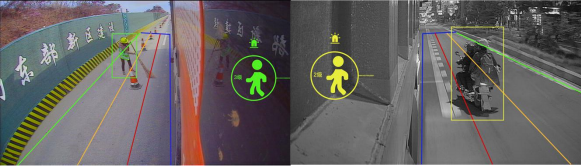
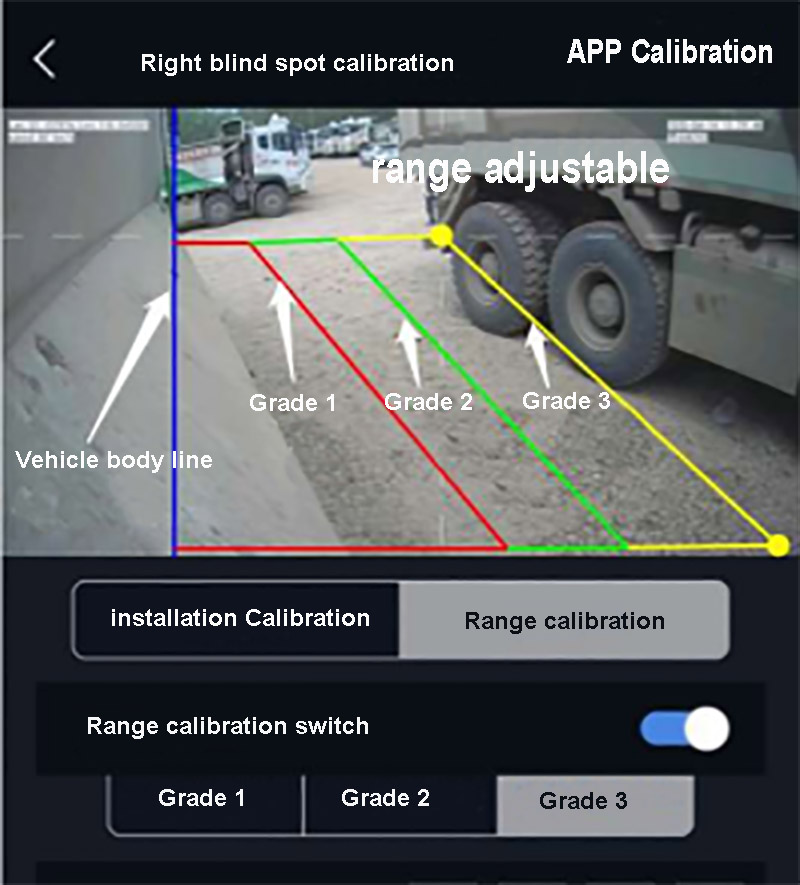
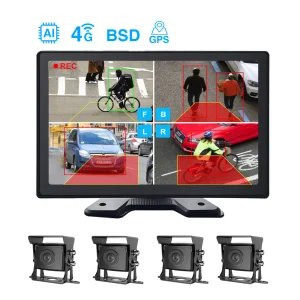
Blind Spot Detection
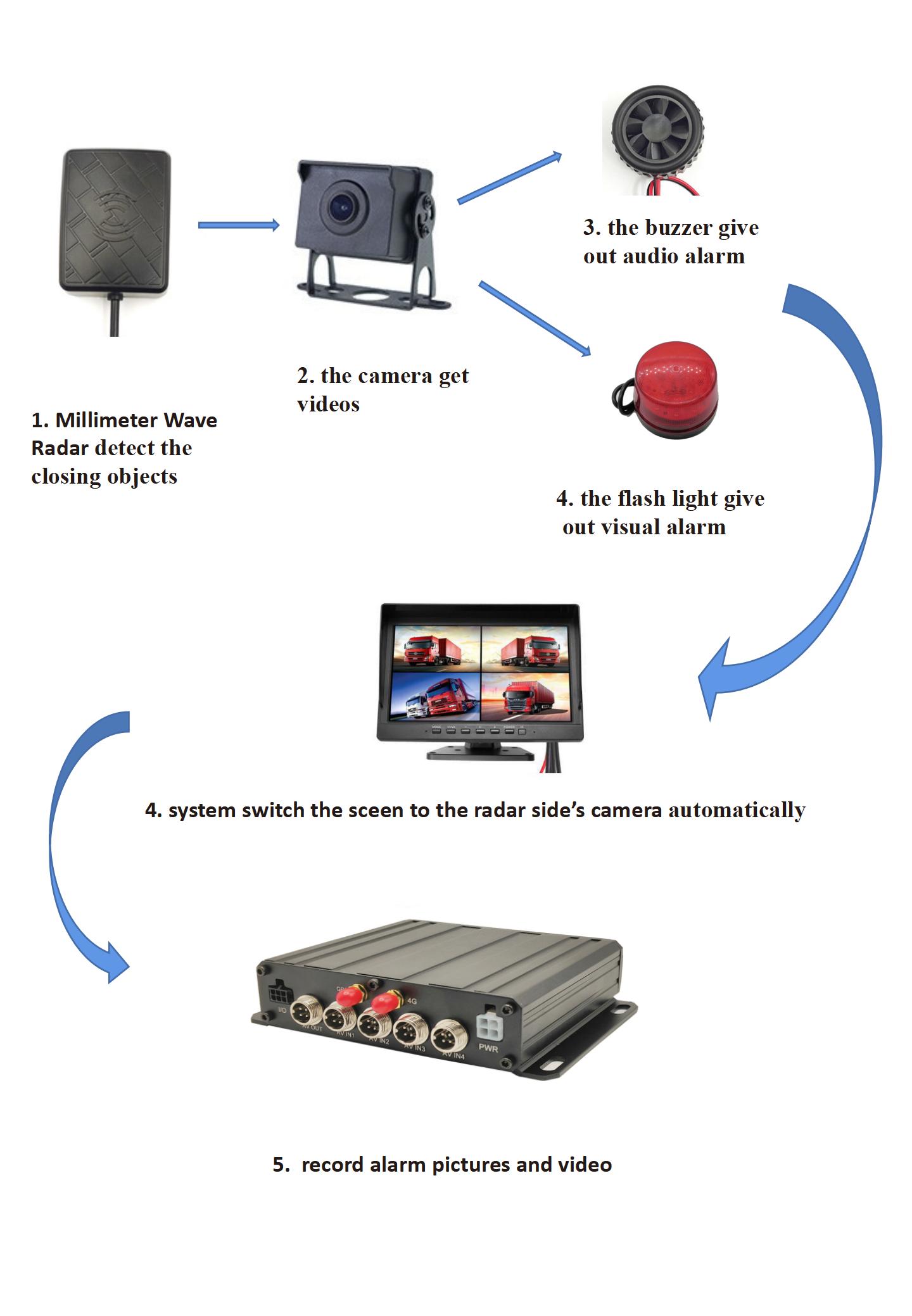
Millimeter Wave Radar + Camera
Work Flow:
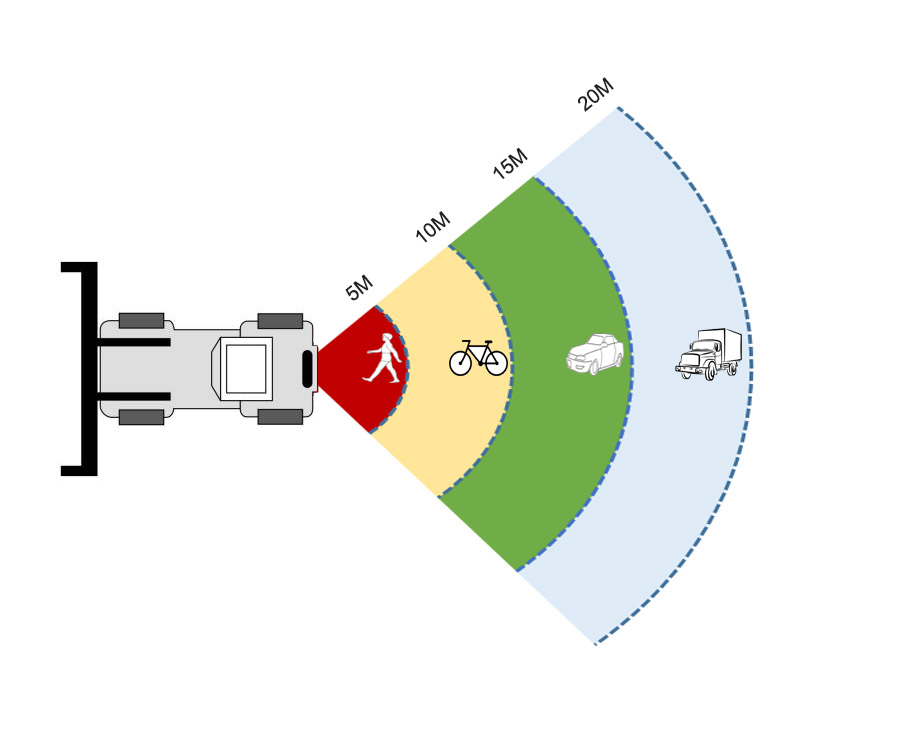
Radar Signal Coverage Schematic
An object enters the signal area at a faster relative speed, and the radar gives an early warning.
Detection Range for Different Objects (According to Different Speed):
- Human or similar 3-4M
- Bicycle or similar 7-8M
- Private car or similar 10-13M
- Truck or similar 15-20M
Frequently Asked Questions (FAQ)
What components make up the DSM04A Driving Assistance Solution?
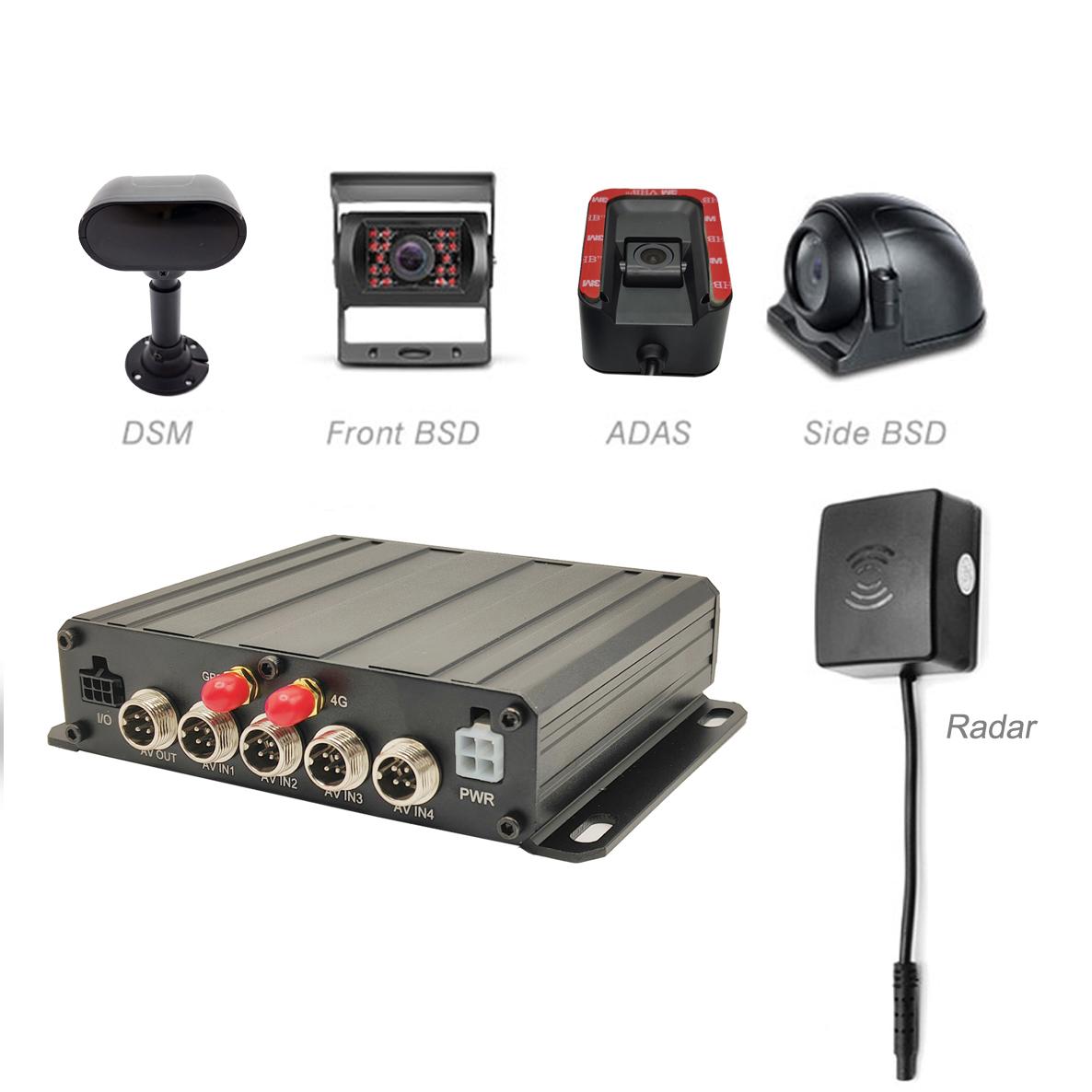
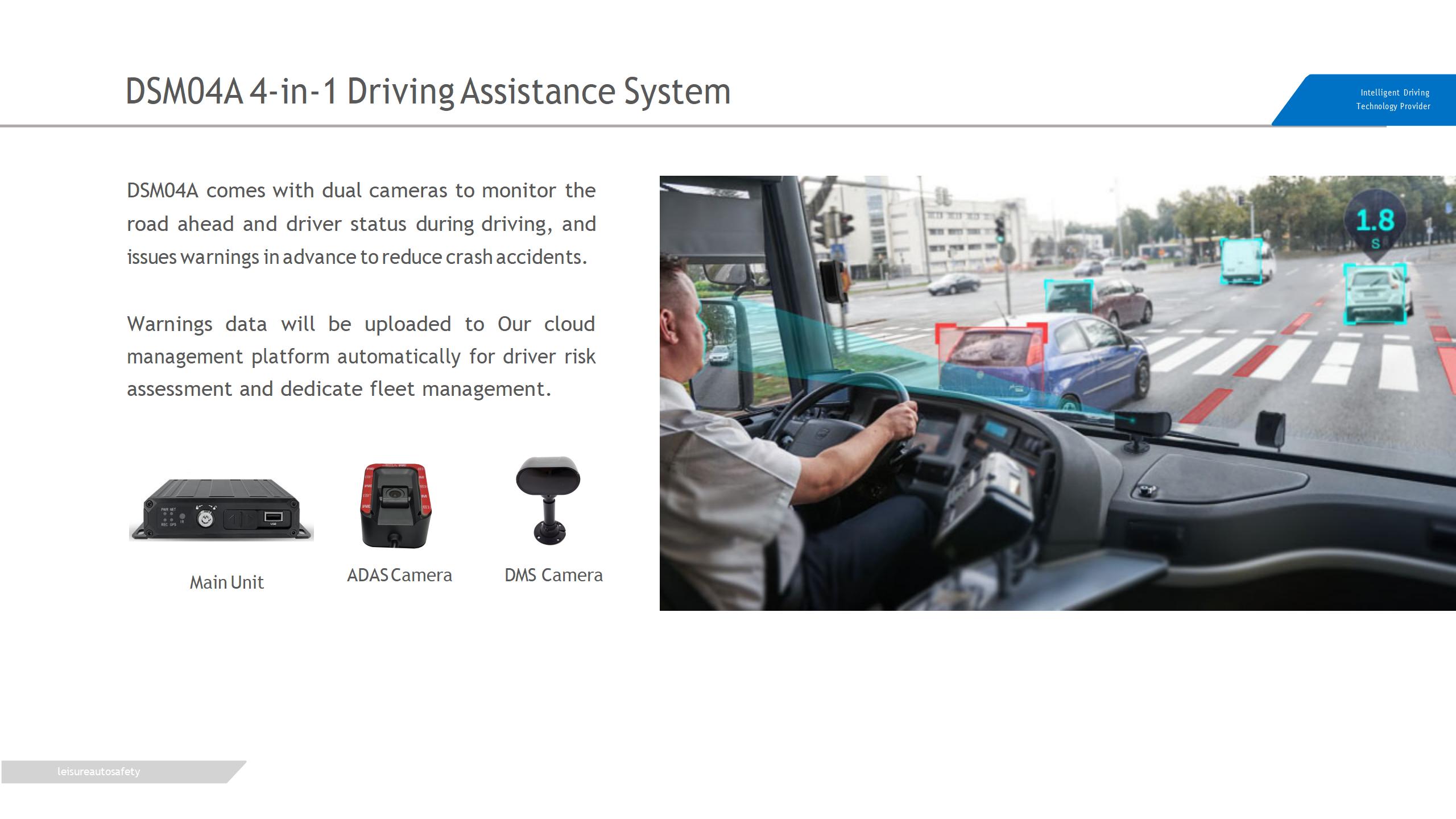
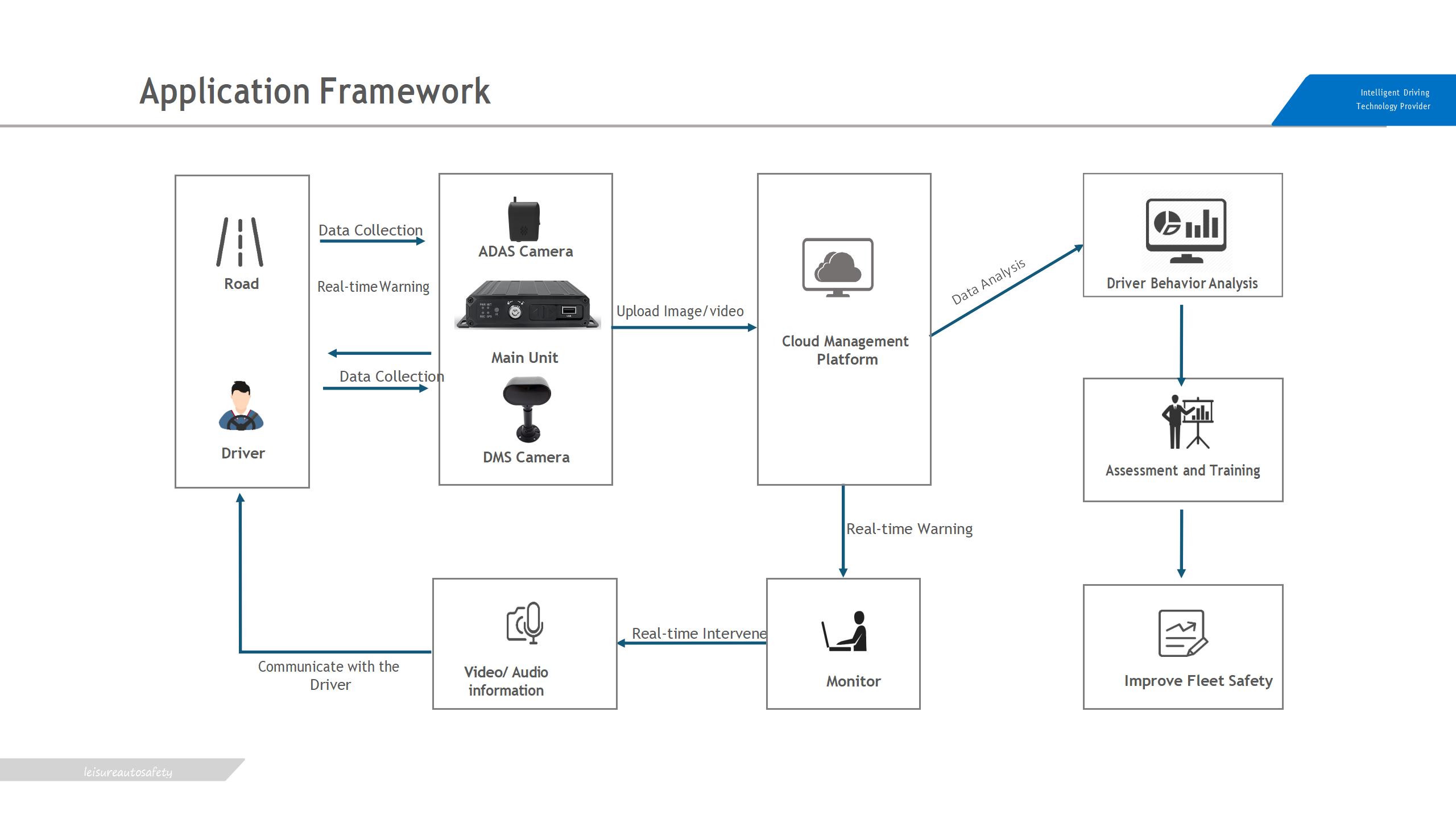
The system integrates ADAS (Advanced Driver Assistance System), DSM (Driver Status Monitor), BSD (Blind Spot Detection), and 4G GPS modules, providing comprehensive real-time data back to a centralized monitoring center.
What types of warnings does the ADAS system provide?
ADAS features include Lane Departure Warning, Headway Monitoring and Warning (Level 1 & Level 2), Forward Collision Warning, Pedestrian Collision Warning, Virtual Bumper functionality, and Front Vehicle Departure Warning.
How does the Driver Status Monitor (DSM) detect driver distraction?
The DSM camera tracks driver behaviors such as eye closure, yawning, head down movement, eyesight deviation, phone calls, smoking, and alerts the system when the camera view is covered or when no face is detected at speeds above 20km/h to 40km/h.
What is the detection range of the Millimeter Wave Radar?
The radar detects human presence within 3-4 meters, bicycles within 7-8 meters, standard private cars within 10-13 meters, and large trucks or similar vehicles within a range of 15-20 meters.
At what speeds do the warning systems become active?
Warning thresholds vary by function. For instance, eye closure, yawning, and phone calls trigger warnings at speeds above 20km/h, whereas lane departure alerts activate at speeds above 50km/h.
How does the blind spot detection (BSD) system function?
By combining millimeter-wave radar and cameras, the system alerts drivers when an object enters designated side/rear blind spot areas at a faster relative speed, triggering immediate alerts to prevent side collisions.
 Manata Scanner