
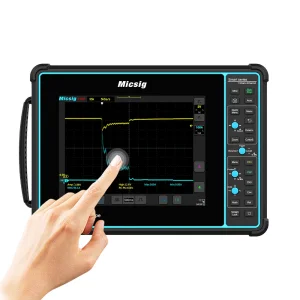
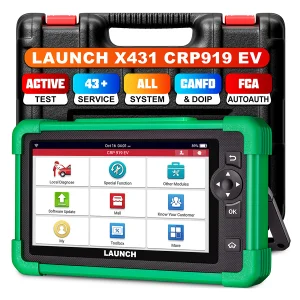
The electrification of global transportation is accelerating at an unprecedented pace. Electric Vehicle Supply Equipment (EVSE), commonly referred to as EV charging stations or chargers, forms the foundational infrastructure of this transformation. As municipal grids, commercial enterprises, and multi-unit residential developments deploy massive charging networks, the hardware complexity increases exponentially. Managing this load requires not just basic electrical engineering, but advanced communication protocols (such as OCPP 1.6J/2.0.1 and ISO 15118) that facilitate Vehicle-to-Grid (V2G) interactions.
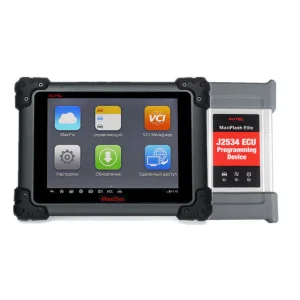
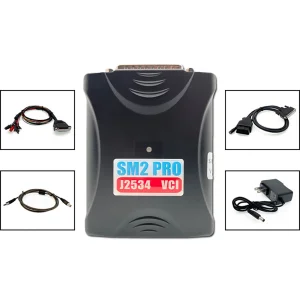
However, the physical deployment of chargers represents only half the challenge. The health, safety, and capacity monitoring of the vehicle batteries drawing from these chargers are equally vital. High-voltage charging cycles put extreme thermal and chemical stress on lithium battery cells. Consequently, diagnostic technologies—ranging from EV battery capacity testers and J2534 ECU programmers to diagnostic OBD2 scanners—have transitioned from secondary workshop tools to primary infrastructure assets. A complete EV charging ecosystem demands synchronized diagnostic and power-supply architectures.
Understanding the global landscape is essential for procurement managers looking to build resilient charging networks. The table below represents the top-tier manufacturers leading the industry in hardware robustness, software integrations, and diagnostic compatibility.
Based in Switzerland, ABB is the global benchmark for high-speed DC fast charging. Their Terra series offers integrated payment solutions and liquid-cooled cables supporting up to 360 kW charging.
A dominant player in North America, ChargePoint specializes in cloud-connected AC and DC chargers with a robust SaaS layer for grid operators and customized fleet management integrations.
Originally proprietary, Tesla's NACS (North American Charging Standard) is becoming the industry standard, forcing other manufacturers to adapt their connector designs globally.
Siemens provides robust commercial solutions with their VersiCharge lines, heavily focusing on integration with building automation systems and smart-grid controllers.
Highly specialized in energy management, Schneider offers EVlink solutions designed to balance structural building electrical loads with EV charging requirements.
Operating out of the Netherlands, Alfen manufactures smart charging stations designed specifically for home, office, and public spaces, integrating battery storage units.
Wallbox focuses on elegant, compact residential and light-commercial chargers like Pulsar Plus, emphasizing bi-directional charging capabilities for home-to-vehicle power sharing.
A leading European provider, EVBox manufactures a modular, scalable portfolio of charging hardware coupled with proprietary enterprise monitoring software.
Leveraging high-efficiency power electronics expertise, Delta manufactures high-density power modules, DC quick chargers, and custom sub-systems for global operators.
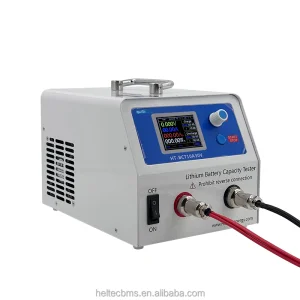
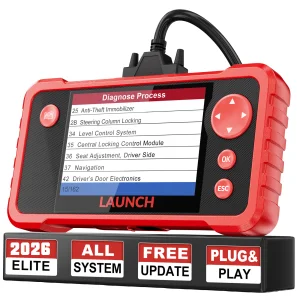
Recognizing that hardware is only as good as the diagnostic systems backing it, Manata Scanner bridges the gap between vehicle performance monitoring and infrastructure testing. By developing advanced EV battery capacity testers, CAN-bus analytics systems, and high-precision battery cell rejuvenators, they provide the backend validation vital for large-scale charger deployments and preventative maintenance.
When evaluating suppliers for electric vehicle charging equipment, the geographical center of gravity is undeniably China, with Shenzhen serving as the technology epicenter. The advantages of sourcing EVSE and vehicle diagnostics from specialized Chinese factories go far beyond simple cost reduction. It is a structural benefit composed of several pillars:
China commands over 70% of the world's refining capacity for critical battery chemicals and electronic copper. This proximity ensures that transformer cores, high-amperage cables, and power semiconductors are sourced with zero intercontinental logistics friction.
The proximity of PCB fabrication, assembly, and testing laboratories in the Pearl River Delta enables hardware designers to design, print, assemble, and test new power electronic layouts in a fraction of the time required in western markets.
Export-oriented manufacturers align their manufacturing pipelines with international standards including CE, UL, TUV, and FCC. Industrial validation methods incorporate thermal cycling Chambers, automated battery test stations, and CAN-bus signal analyzers to guarantee durability.
Modern EV deployment projects fail when stakeholders treat charging hardware and vehicle service platforms as isolated units. Enterprise-grade fleet operators require unified, systemic solutions that interface directly with the electrical grid and the vehicle's onboard management unit.
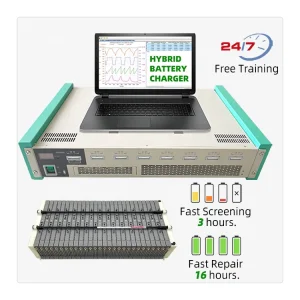
Logistics networks deploying large delivery trucks and public transit buses require routine screening. As vehicle fleets return to charging depots, integrating automated state-of-health (SOH) battery analyzers allows engineers to track deterioration rates per vehicle. If a pack displays cell imbalance, specialized regenerators can cycle-test and balance the pack, mitigating the risk of thermal runaway and preventing premature cell failure.
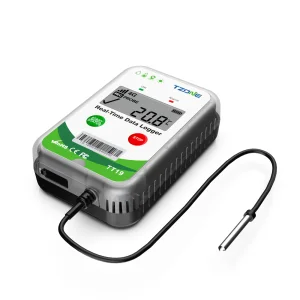
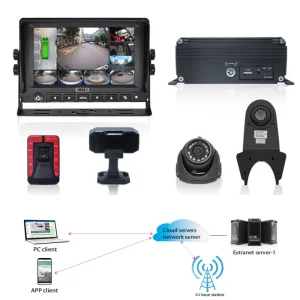
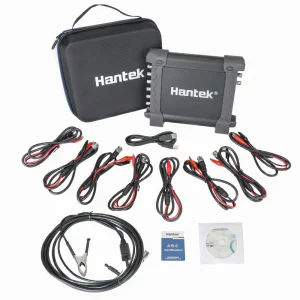
Understanding how a vehicle behaves during peak charging operations is crucial. Real-time CAN data recorders track DC bus voltage, current demands, battery surface temperatures, and isolation resistance values. This telematics data is uploaded via 4G/5G networks to a central hub, allowing grid controllers to optimize current delivery rates dynamically based on the pack’s thermodynamic state.
Procuring charging hardware and workshop testing systems requires strict adherence to verification checklists. To protect your investment and ensure operational uptime, procurement teams should evaluate suppliers against these high-standard benchmarks:
Verify if the charging control boards support OCPP 2.0.1 and ISO 15118. This guarantees secure communications and provides native support for plug-and-charge features and dynamic pricing systems.
Charging equipment deployed outdoors must feature at least IP54 (NEMA 3R or NEMA 4) ingress ratings, along with integrated over-current, over-voltage, ground fault, and over-temperature safety cut-offs.
Choose systems that expose rich JSON-based APIs, allowing seamless integration with custom backend fleet software, vehicle inspection diagnostics, and BMS tracking tools.
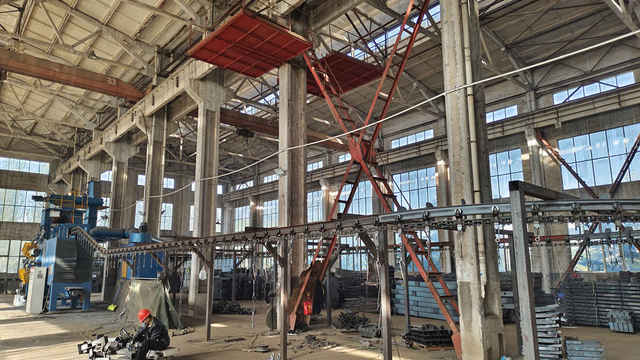
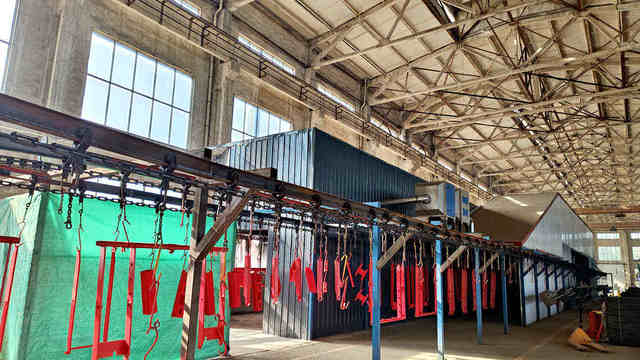
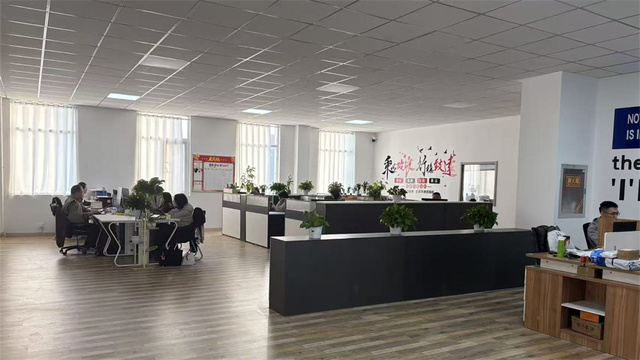
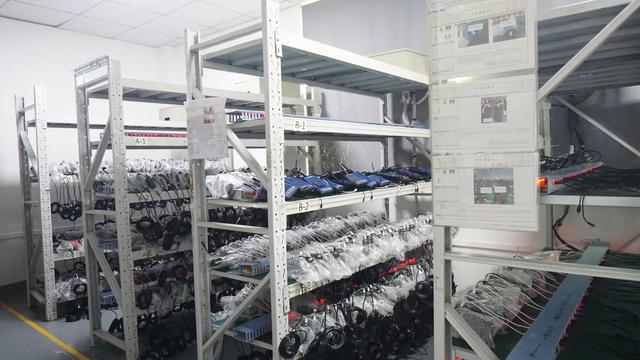
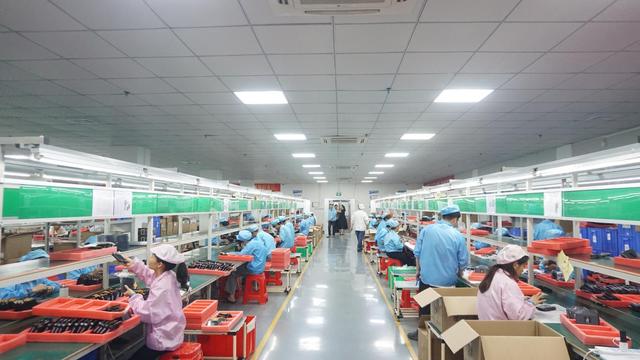
Shenzhen Manata Scanner Co., Ltd. is a leading China automotive diagnostic equipment manufacturer specializing in advanced vehicle inspection systems and ECU diagnostic solutions for the global automotive aftermarket. With a strong commitment to innovation, quality, and intelligent vehicle servicing, Manata Scanner delivers reliable diagnostic technologies designed to improve maintenance efficiency, reduce downtime, and support modern workshop operations.
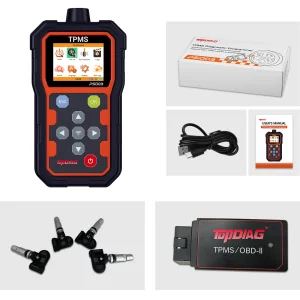
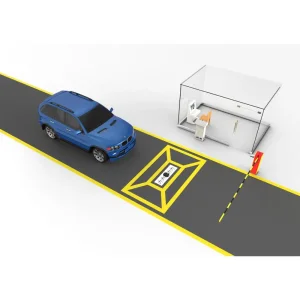
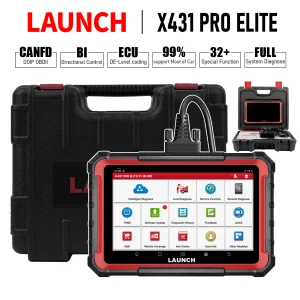
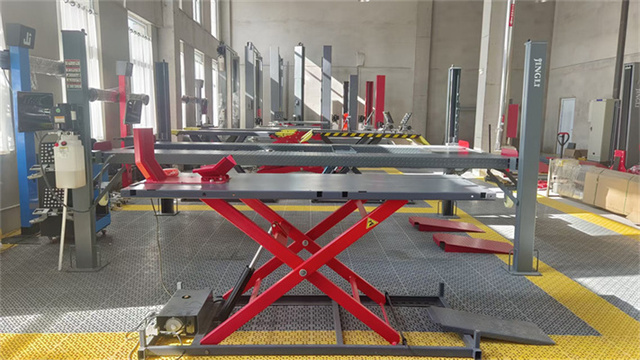
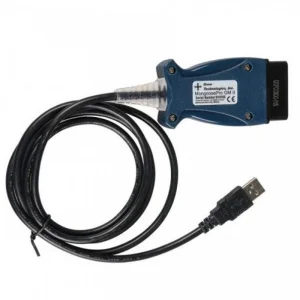
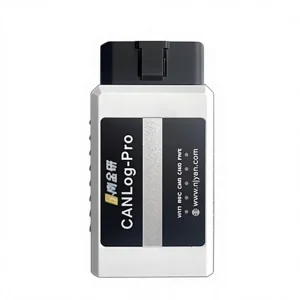
The company offers a comprehensive portfolio of automotive diagnostic equipment, including vehicle inspection systems, ECU programming and coding tools, automotive scan tools, ADAS calibration equipment, EV battery diagnostic systems, TPMS diagnostic devices, and intelligent fleet diagnostic solutions. These products are widely used by automotive repair workshops, vehicle inspection centers, dealerships, fleet operators, and maintenance service providers worldwide.
Driven by continuous technological innovation, Shenzhen Manata Scanner Co., Ltd. integrates artificial intelligence, cloud connectivity, big data analysis, and advanced electronic testing technologies into its product development process. The company's R&D team focuses on creating intelligent, accurate, and user-friendly diagnostic solutions capable of meeting the evolving requirements of both conventional and new energy vehicles.
Quality is at the core of Manata Scanner's manufacturing philosophy. The company implements strict quality management procedures throughout design, production, testing, and final inspection to ensure stable performance and long-term reliability. Its products are engineered to comply with international standards and are exported to customers across Europe, North America, South America, Southeast Asia, the Middle East, and other global markets.
Committed to becoming a trusted global partner in automotive diagnostics, Shenzhen Manata Scanner Co., Ltd. continues to provide innovative products, professional technical support, and customized solutions that help customers enhance service capabilities and operational efficiency.
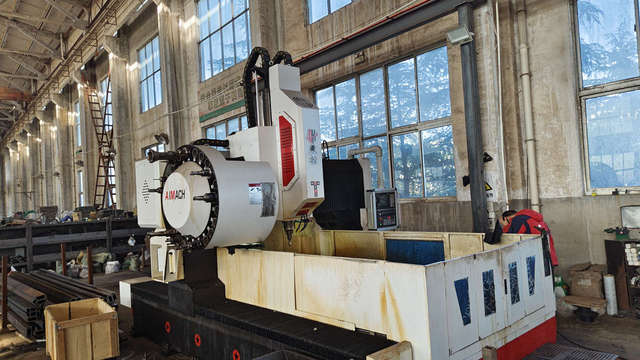
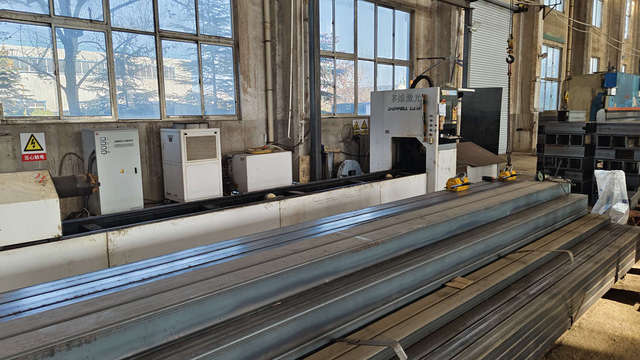
 Manata Scanner