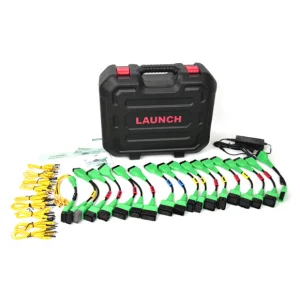
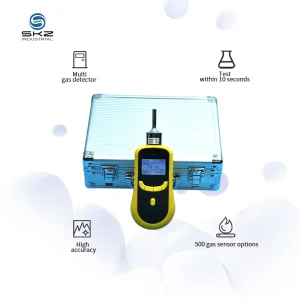
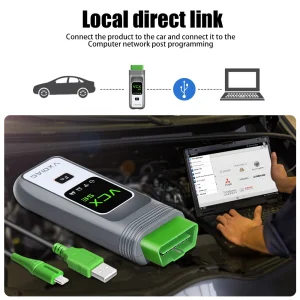
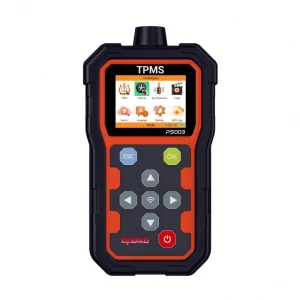
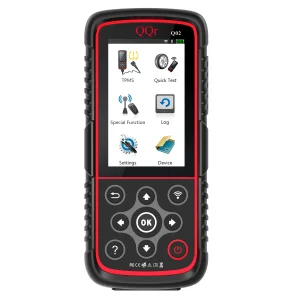
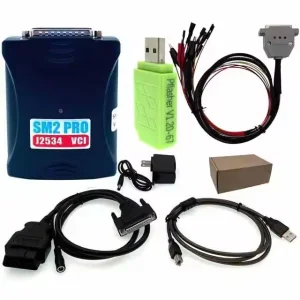
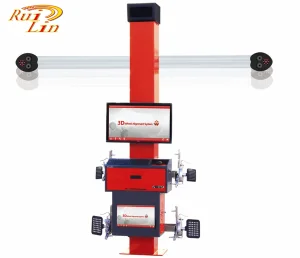
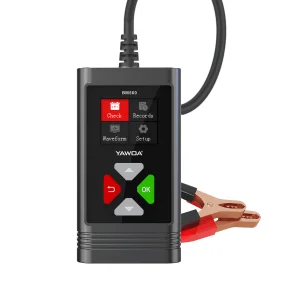
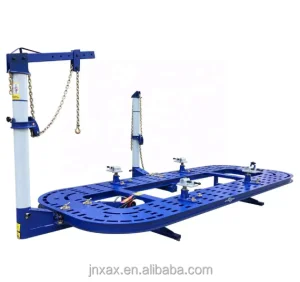
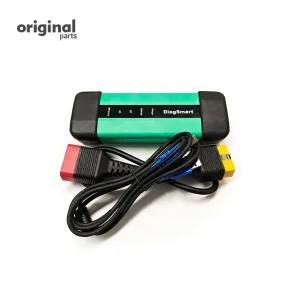
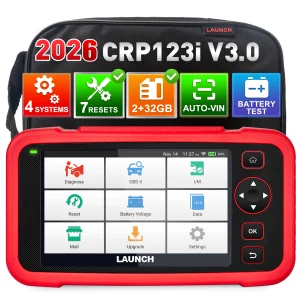
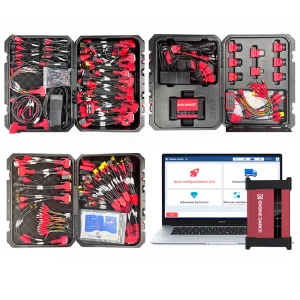
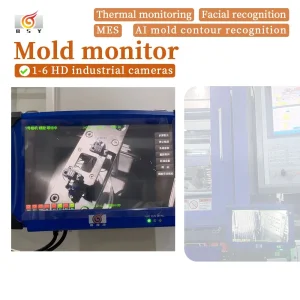
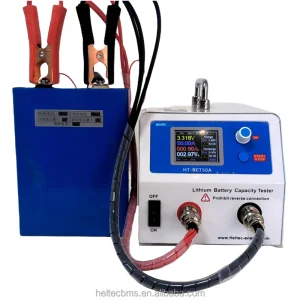
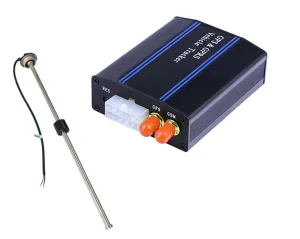
Explore our premium range of hardware diagnostic extensions, ECUs, TPMS solutions, and industrial-grade calibration kits.
Shenzhen Manata Scanner Co., Ltd. is a leading China automotive diagnostic equipment manufacturer specializing in advanced vehicle inspection systems, intelligent ECU diagnostic solutions, and state-of-the-art power safety technologies for the global automotive and industrial energy sector. Driven by a philosophy of high precision and zero tolerance for field failures, we design and produce systems engineered to mitigate complex electrical challenges, support high-capacity battery packs, and streamline workshop maintenance procedures.
Our global presence is sustained by active integration of artificial intelligence, cloud diagnostic frameworks, real-time data analysis, and state-of-the-art electronic testing technologies. The R&D engineering division continuously tests boundary limits to design intelligent and safe products tailored for both internal combustion vehicles and high-voltage new energy vehicles (NEVs).
Exploring the next generation of architectures transforming grid-scale storage, electric vehicles, and commercial microgrids.
Integrating artificial intelligence with physical BMS boards allows real-time cloud data uploads to compute complex State of Charge (SoC) and State of Health (SoH) profiles, extending cycle life via machine learning algorithms.
Moving away from heat-dissipating passive balancing architectures, next-gen systems actively transfer charge from higher-voltage cells to lower-voltage cells, boosting efficiency and minimizing thermal loads.
Modern functional safety requirements mandate ISO 26262 ASIL-D target designs to guarantee dual-fault tolerance, redundant sensing channels, and high-voltage interlock loop (HVIL) response mechanics.
Key technical criteria evaluated by EPC contractors, OEM vehicle manufacturers, and fleet integrators.
Procurement teams prioritize designs that deploy proactive gas detection and cell-level temperature monitoring. Advanced BMS designs incorporate early warning detection for off-gassing, matching diagnostic outputs to centralized master controllers to prevent catastrophic thermal runaway events before they manifest.
Global systems must carry comprehensive certifications including UN38.3 (battery safety), UL1973 (stationary batteries), IEC 62619, and CE/FCC compliance. Procurement engineers demand fully documented testing parameters for hardware-in-the-loop (HIL) simulations and environmental testing profiles.
Seamless communication protocol integration is vital. Our customized architectures feature CAN-bus (J1939), Modbus TCP/RTU, RS485, and automotive Ethernet interfaces, facilitating easy setup with different inverter systems, vehicle control units (VCU), and cloud diagnostic management software.
Long-term asset protection requires updating algorithms remotely as battery chemistries age. Hardware support for Flash memory write/erase safety ensures that updates to the state calculation routines can be deployed over the air without disrupting continuous operations.
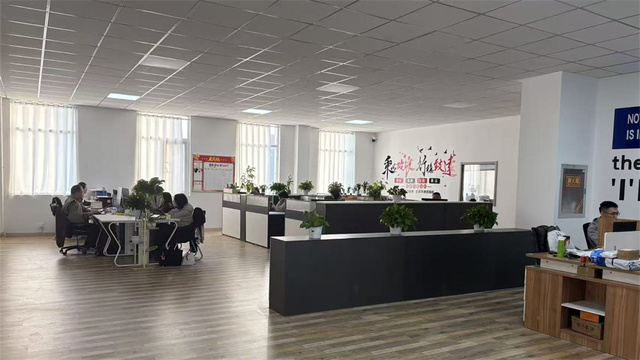
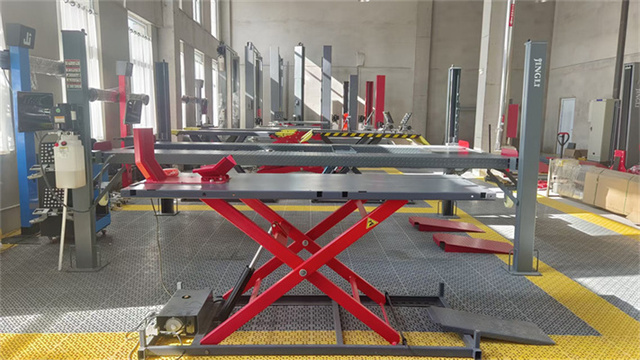
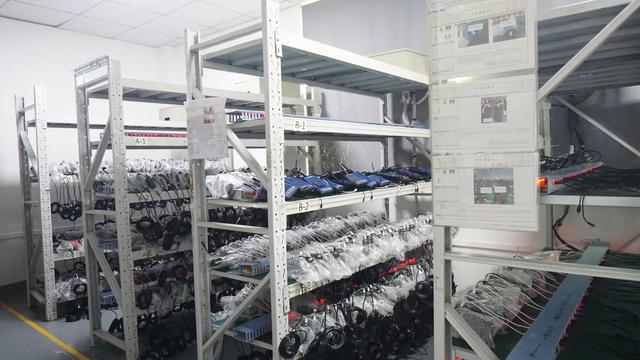
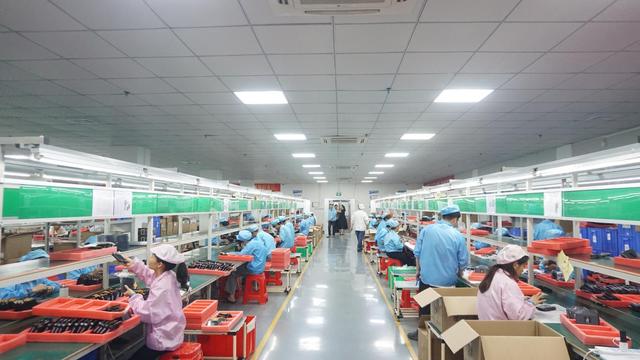
Shenzhen Manata's fully integrated production infrastructure yields structural cost advantages and unmatched quality assurance.
Operating within the world’s most robust power electronics cluster in Shenzhen, our manufacturing plant incorporates Industry 4.0 automation, automated optical inspection (AOI), dual-track SMT production lines, and high-fidelity testing setups. This localized infrastructure enables rapid custom prototyping and scales production while maintaining components traceability from silicon wafer up to final system integration.
Bridging custom energy storage with high-performance industrial diagnostic ecosystems.
Our integration solutions power battery packs for heavy-duty electric commercial vehicles, terminal tractors, AGVs, and automated warehouse material handling platforms. High dynamic discharge profiling ensures reliability under sudden acceleration peaks.
Deploying safe high-voltage configurations is crucial for multi-megawatt battery energy storage systems (BESS). Integrated systems monitor cell performance from auxiliary modular racks to utility power plants, maintaining stable grid synchronization.
Instantaneous backup power reliability is non-negotiable for hyper-scale data hubs. Smart BMS modules deliver continuous float-charge optimizations and precision resistance monitoring to prevent unexpected cell drops during power cutovers.
How we translate complex customer ideas into certified, deployment-ready hardware architectures.
Selection of silicon front-ends (AFEs), microcontrollers, and communication interfaces matching the customer’s precise capacity, current profile, and voltage requirements.
Designing multi-layer PCBs with careful thermal distribution, low parasitic inductance, and optimized electromagnetic compatibility (EMC) isolation barriers.
Implementing Kalman-filtering SoC algorithms, redundant measurement cross-checks, protective limits thresholds, and custom communication protocols.
Running hardware-in-the-loop stress testing under simulated environmental extremes, overcharge conditions, and faults simulation prior to production ramp-up.
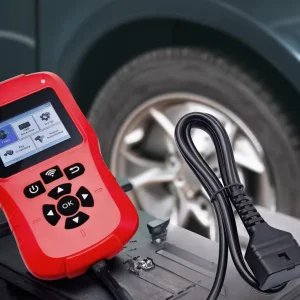
Complete your testing and diagnostics infrastructure with our heavy-duty testers and tools.
In-depth technical answers addressing system architecture, firmware parameters, and safety guidelines.
 Manata Scanner