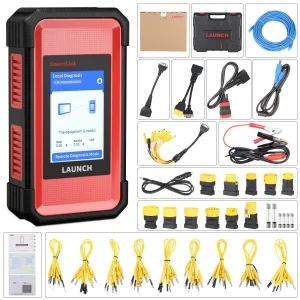
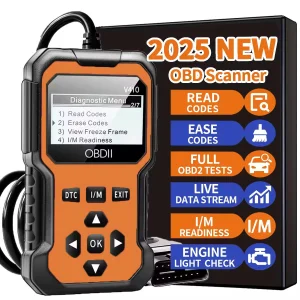
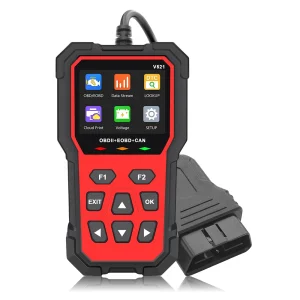
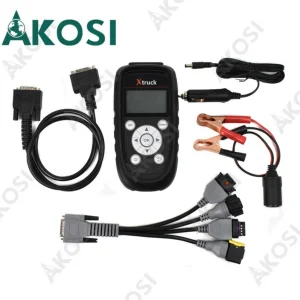
High-precision vehicle sensors, OBD2 scanners, and active telematics nodes optimized for factory pre-installation and deep ECU system integrations.

Global Vehicle Models Supported
Hardware Failure Rate in Factory Lines
Proprietary Diagnostic Protocols
Cloud Server Up-Time (SLA)
The global automotive industry is undergoing a structural transition toward Software-Defined Vehicles (SDVs). Within this shift, OEM Telematics Systems have evolved from optional aftermarket features into foundational hardware components integrated directly on assembly lines. Modern vehicular telematics solutions now bridge onboard controllers (ECUs) with cloud architectures to enable real-time telemetry, remote diagnostics, preventive maintenance, and Over-the-Air (OTA) firmware programming.
Industrial demand for connected vehicle systems is primarily driven by three structural factors: regulatory mandates regarding vehicle safety and emission monitoring, commercial demand for high-efficiency enterprise fleet management, and the rapid rise of Intelligent Electric Vehicles (IEVs). Telematics systems serve as the core data collection nodes, converting complex CAN bus, LIN bus, and Ethernet communications into actionable business intelligence.
Shenzhen's manufacturing hub represents the world's most dense and integrated ecosystem for automotive electronic hardware production. The physical proximity of specialized chip packaging facilities, PCB assembly lines (PCBA), design centers, and hardware testing laboratories allows for unmatched operational agility. Shenzhen Manata Scanner Co., Ltd. leverages this industrial environment to offer comprehensive OEM diagnostic and telematics designs that reduce prototype-to-production lead times by up to 40% compared to Western competitors.
Furthermore, China-based automotive component factories utilize highly optimized SMT (Surface Mount Technology) processes, rigorous AOI (Automated Optical Inspection) systems, and multi-stage hardware-in-the-loop (HIL) testing rigs to ensure automotive-grade durability. This enables cost-effective custom manufacturing of sophisticated high-density telematics devices without sacrificing compliance with international standards such as IATF 16949 and ISO 26262.
Our engineering services enable vehicle manufacturers to modify hardware layers and software configurations to meet specific platform requirements. From custom enclosures with vehicle-specific wiring harnesses to proprietary firmware protocols built on RTOS or embedded Linux, our telematics solutions are designed for seamless integration into existing vehicle architecture during final assembly.
Modern vehicle fleets operate in highly diverse settings, each requiring customized telemetry setups to maximize efficiency and control. Below are primary use cases where specialized telematics systems deliver measurable performance gains:
Real-time TPMS integration supporting up to 110 wheel positions coupled with active GPS and CAN bus fuel monitoring to minimize operational overhead and prevent roadside blowouts on long-haul routes.
Integration of specialized external environmental sensors with redundant memory buffers. This ensures data compliance with strict food and pharmaceutical transportation regulations even during network blackouts.
Continuous monitoring of battery cell voltage differentials, operating temperatures, and charge cycles. This provides preventive diagnostic alerts and accurate State-of-Health estimations directly to the cloud dashboard.
The telematics industry is transitioning toward edge computing and 5G cellular communication. Instead of sending raw, unstructured data streams to the cloud—which incurs high bandwidth costs and latency—next-generation telematics gateways process critical inputs locally on the device. By analyzing vehicle data streams on the edge, devices can flag anomalies instantly and send only relevant diagnostic reports to the cloud, reducing data transmission costs while improving safety response times.
Additionally, the adoption of V2X (Vehicle-to-Everything) protocols is facilitating direct real-time communication between vehicles and roadside infrastructure. This allows for automated route optimization, active collision avoidance, and dynamic range predictions for electric heavy-duty machinery operating in challenging environments like mining areas or ports.
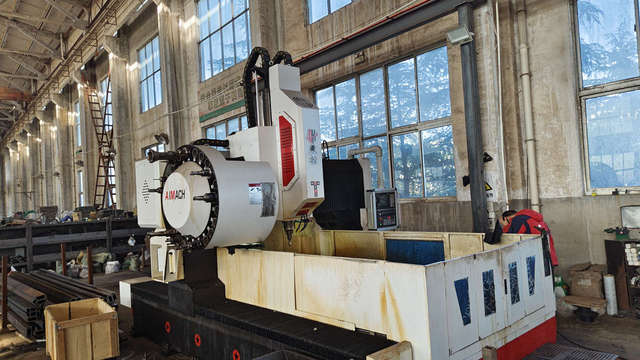
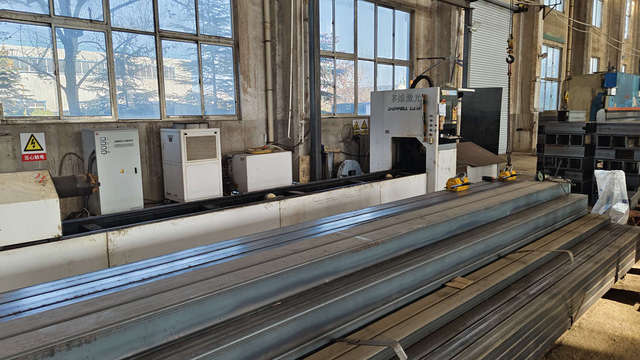
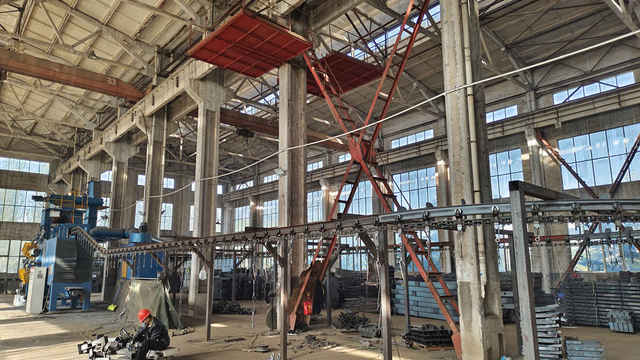
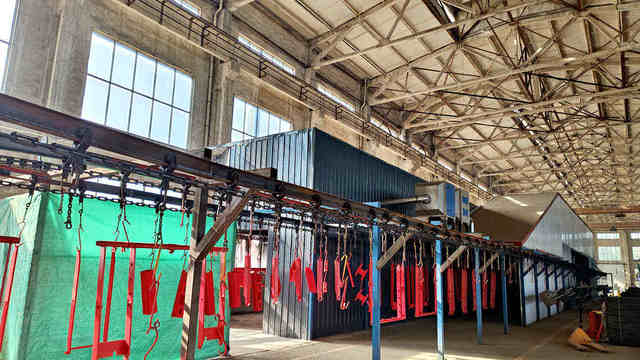
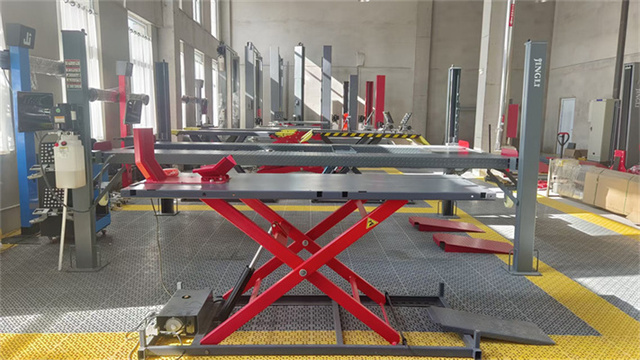
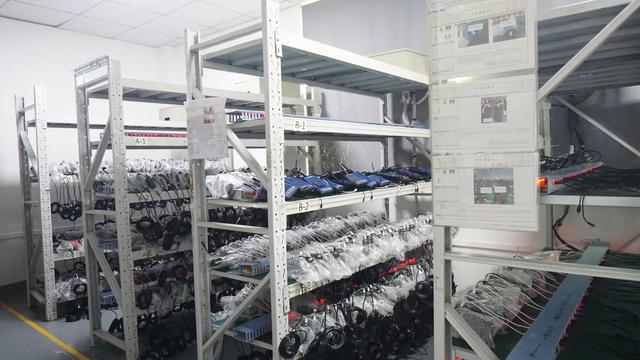
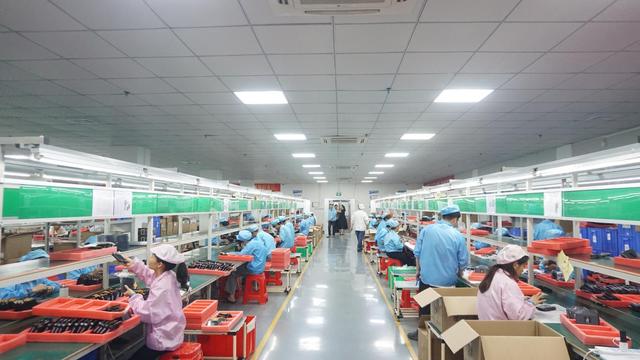
Our state-of-the-art production base in Shenzhen, China, integrates modern SMT production lines, advanced testing systems, and strict QA protocols.

For industrial buyers, fleet managers, and vehicle manufacturing plants, selecting the right telematics partner requires evaluating several critical compliance and operational factors. When issuing requests for proposals (RFPs) for automotive-grade connected components, ensure that your prospective suppliers meet these benchmarks:
We are a leading China-based automotive diagnostic equipment manufacturer specializing in advanced vehicle inspection systems, ADAS calibration equipment, EV battery diagnostics, and custom telematics hardware for the global automotive aftermarket. Our engineering team integrates artificial intelligence, cloud connectivity, big data, and advanced electronic testing systems into product design, helping repair workshops, dealerships, and fleet operators worldwide maximize operational efficiency.
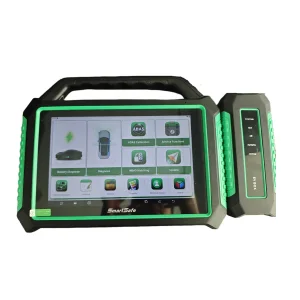
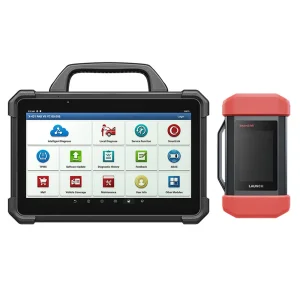
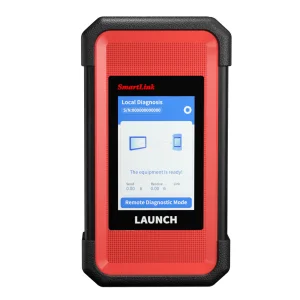
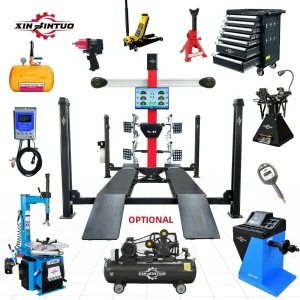
Our advanced automotive tool suite, featuring specialized high-voltage EV battery pack analyzers, intelligent ADAS calibration tools, and large-scale industrial machinery.


Find technical answers regarding integration protocols, customization options, and deployment of vehicle telematics.
 Manata Scanner