Discover top-tier tools engineered for heavy-duty system diagnostics, emissions verification, and real-time powertrain analysis.
Shenzhen Manata Scanner Co., Ltd. is a leading China automotive diagnostic equipment manufacturer specializing in advanced vehicle inspection systems and ECU diagnostic solutions for the global automotive aftermarket. With a strong commitment to innovation, quality, and intelligent vehicle servicing, Manata Scanner delivers reliable diagnostic technologies designed to improve maintenance efficiency, reduce downtime, and support modern workshop operations.
Our comprehensive portfolio includes vehicle inspection systems, ECU programming and coding tools, automotive scan tools, ADAS calibration equipment, EV battery diagnostic systems, TPMS diagnostic devices, and intelligent fleet diagnostic solutions. These products are widely utilized by automotive repair workshops, vehicle inspection centers, dealerships, fleet operators, and maintenance service providers worldwide.
"By integrating artificial intelligence, cloud connectivity, big data analysis, and advanced electronic testing technologies into our design and manufacturing processes, Shenzhen Manata Scanner Co., Ltd. bridges the gap between traditional mechanical engineering and modern software-defined vehicles."
Quality is at the core of our manufacturing philosophy. We implement strict quality management procedures throughout design, production, testing, and final inspection to ensure stable performance and long-term reliability. Engineered to comply with rigorous international standards, our solutions are exported to customers across Europe, North America, South America, Southeast Asia, the Middle East, and other global markets. We continue to provide innovative products, professional technical support, and customized solutions that help customers enhance service capabilities and operational efficiency.
The automotive sector is undergoing an unprecedented shift driven by global carbon neutrality goals, strict government regulations, and the rapid deployment of new energy drivetrains. Traditional emission control testing is no longer just about examining tailpipe exhaust opacity. Today, it demands integrated diagnostics across exhaust gas recirculation (EGR), selective catalytic reduction (SCR) systems, diesel particulate filters (DPF), and evaporative emission control systems (EVAP).
Major drivers shaping the next generation of emission testing and diagnostics include:
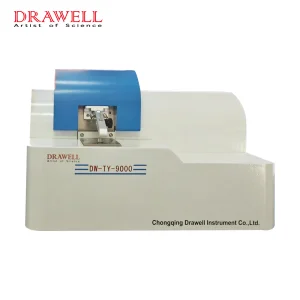
With the enforcement of Euro 6d/Euro 7 and US EPA Tier 3/4 standards, emission thresholds have reached microscopic levels. Modern emission control systems testing tools must measure nitrogen oxides (NOx), carbon monoxide (CO), hydrocarbons (HC), and particulate matter (PM) with parts-per-million (ppm) accuracy. Tools like the Full Spectrum Direct Reading Optical Spectrometer allow material and particulate validation at molecular levels, helping manufacturers and regulatory labs verify compliance before mass production.
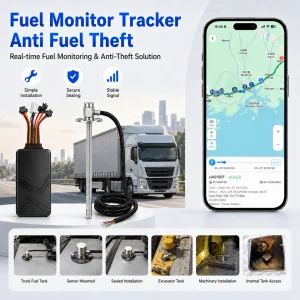
Regulatory bodies are moving away from laboratory-only driving cycles (like WLTP or NEDC) toward Real Driving Emissions (RDE) testing. Consequently, there is an surging demand for portable, onboard, and fleet-wide monitoring systems. Solutions such as the Fuel Monitor Tracker Diesel Anti Theft System coupled with 4G LTE telematic nodes enable operators to track real-time fuel usage and system abnormalities across remote locations, mitigating high-emission operating conditions before they lead to regulatory fines.
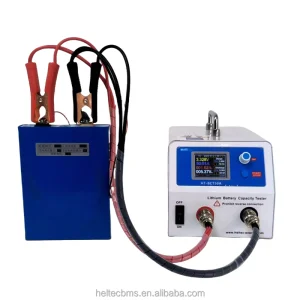
Modern workshops must support a mixed fleet. Even as battery electric vehicles (BEVs) gain market share, Plug-in Hybrid Electric Vehicles (PHEVs) still require robust emission and diagnostic tools. This dual-requirement drives the development of multi-functional equipment. Workshops require diagnostic scanners that can toggle between performing SCR/EGR system resets on diesel trucks and verifying the cell balance of high-voltage traction batteries using tools like the Battery Charge Discharge Tester 50A.
B2B buyers, including procurement managers, large fleet operators, government inspection networks, and independent distributors, face significant challenges when sourcing emission control systems testing tools from overseas manufacturers. Identifying these pain points is critical to optimizing the global supply chain:
To address diverse requirements across municipal testing, commercial logistics, and aftermarket repair, Shenzhen Manata Scanner Co., Ltd. provides tiered diagnostic frameworks:
Commercial trucking operations face strict local emission guidelines. A single failing DPF sensor or malfunctioning SCR system can lead to vehicle derate mode, where the engine's power is restricted, causing delivery delays. Through cloud-integrated 4G diagnostic terminals, fleet managers can constantly track exhaust system parameters, receive early warning codes, and schedule predictive maintenance before active failures occur.
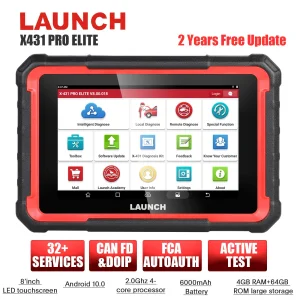
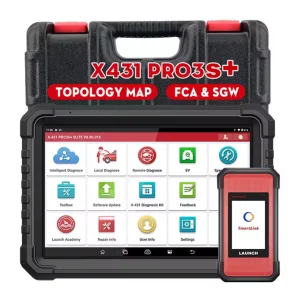
For independent garages and authorized service centers, modern emission testing involves analyzing complex engine parameters. Comprehensive workshop scanners, such as the Launch X431 PRO Elite and Launch X-431 PRO3S ELITE, enable technicians to execute bi-directional tests, command DPF manual regeneration, reset SCR indicators, perform sensor adaptations, and run full-system ECU coding. This eliminates diagnostic guesswork and ensures repair accuracy.
For component manufacturers and metallurgical evaluation labs, direct-reading spectrometers verify the material integrity of catalytic converter cores. These specialized instruments analyze precious metals like platinum, palladium, and rhodium to ensure the catalytic substrate complies with strict design specifications.
Exporting advanced diagnostic equipment globally requires compliance with regional safety, emission, and data security frameworks:
As we approach 2030, automotive diagnostic systems will become increasingly autonomous, cloud-dependent, and predictive. The primary focus is shifting from simple diagnostics to AI-driven predictive health modeling:
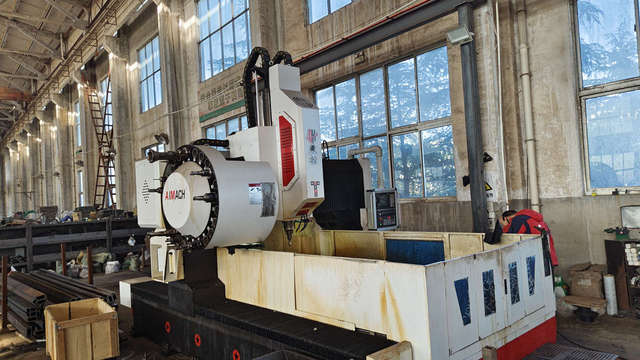
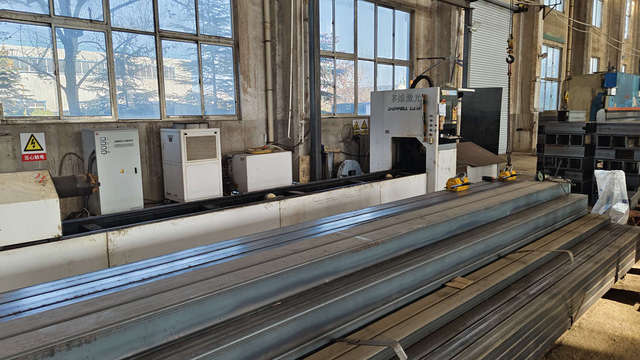
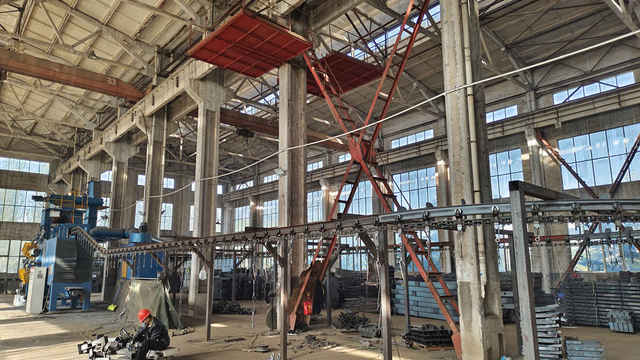
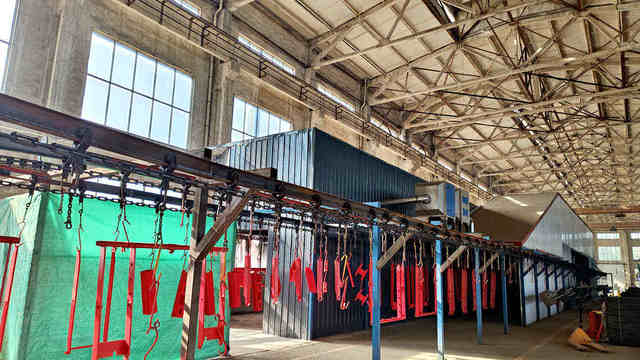
Shenzhen Manata Scanner Co., Ltd. operates state-of-the-art production environments to guarantee product quality. Our production steps involve automated SMD mounting, rigorous environmental testing, vibration analysis, and high-low temperature chamber calibration. Below is a look inside our modern manufacturing facilities and product assembly lines:

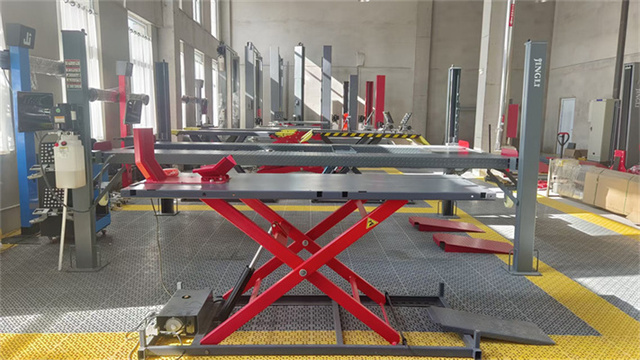
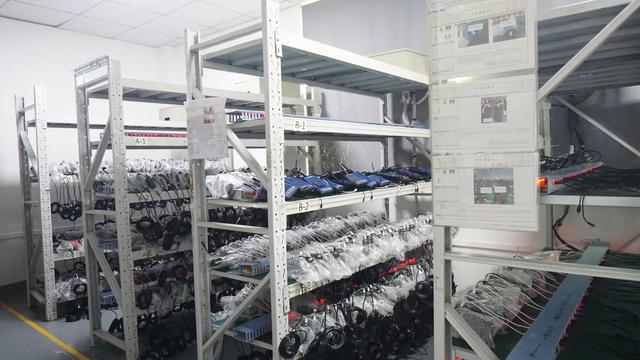
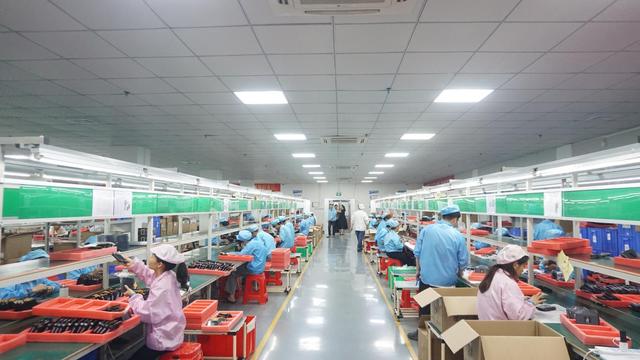
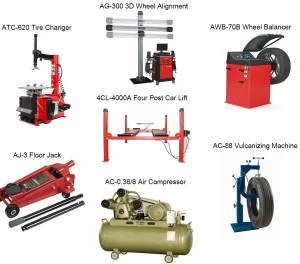
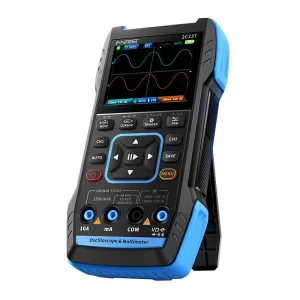
From diagnostic oscilloscopes and wheel aligners to TPMS tools, configure your workspace with professional-grade instruments.
 Manata Scanner