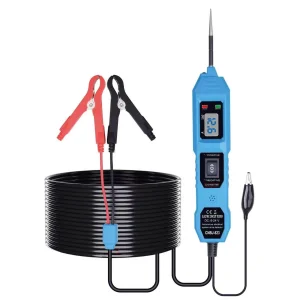
Professional grade diagnostics for workshops, distributors, and global fleet operators.
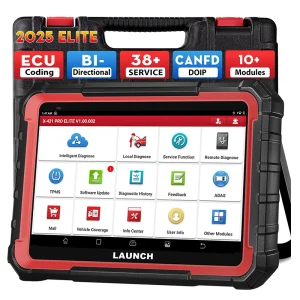
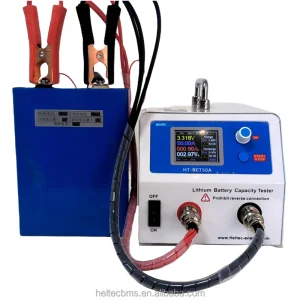
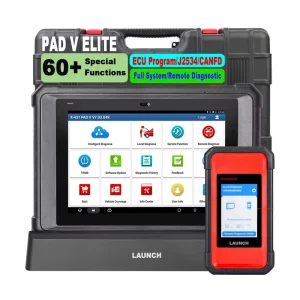
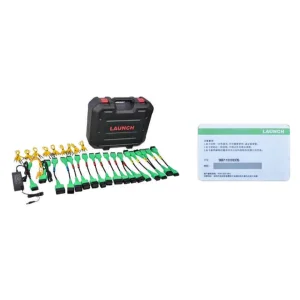
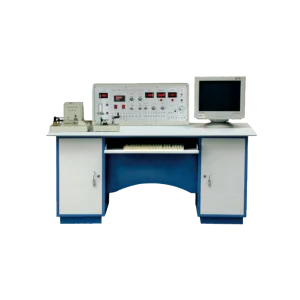
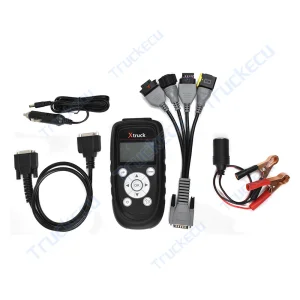
In the rapidly evolving automotive ecosystem, Automotive Trouble Code Readers have transcended their traditional role of basic DTC (Diagnostic Trouble Code) retrieval. Today, they serve as the central gateway to complex vehicle networks, handling gigabytes of telemetry data across multiplexed communication channels. The demand for robust, compliant, and cost-effective diagnostics is growing exponentially, driven by the emergence of smart mobility, autonomous driver-assistance systems (ADAS), and the structural transition from internal combustion engines (ICE) to electric vehicles (EV).
For international distributors, B2B procurement officers, and major fleet operators, understanding the manufacturing dynamics in China—the world’s largest automotive electronics cluster—is key to sustaining margins. Selecting a certified China OEM/ODM partner ensures supply chain continuity, rapid updates for localized car parcs, and access to modern hardware architectures.
Historically, OBD diagnostic equipment scanned basic generic P0xxx trouble codes under standard SAE J1979 protocols. Today's commercial vehicles and passenger cars operate on heterogeneous Ethernet backbones and Controller Area Networks (CAN). Modern solutions demand a comprehensive ecosystem that merges hardware, cloud SaaS telemetry, and automotive control protocol architectures.
Integration of CAN-FD (Flexible Data-Rate) and DoIP (Diagnostics over Internet Protocol) based on ISO 13400 standard. Allows high-bandwidth flashing of ECUs, reducing flash programming times from hours to minutes.
Real-time vehicle health monitoring via MQTT protocols directly linking onboard diagnostics to workshop management suites, enabling predictive maintenance schedules.
Fully compliant integration with OEM security gateways including FCA AutoAuth, Renault SGW, and VAG SFD, enabling secure bi-directional testing without compromising vehicle security.
Modern automotive factories and export houses are no longer just soldering components onto PCBs. They develop entire firmware stacks, maintain active subscription models for car model updates, and build robust software integrations. For instance, diagnostic tools must adapt to dynamic protocols such as UDS (Unified Diagnostic Services - ISO 14229) and KWP2000, ensuring complete diagnostic coverage of all onboard modules, including powertrain, chassis, body, and safety control systems.
The global automotive diagnostic market is split between high-end OEM tools and versatile aftermarket multi-brand scanners. China's manufacturing clusters, particularly in the Shenzhen and Guangdong regions, produce over 70% of the world's automotive aftermarket scanners. These factories offer an optimal balance of engineering agility and cost-efficiency.
The shift toward open-source diagnostic platforms (such as Android-based OS) and wireless interfaces (Bluetooth 5.4, Dual-Band WiFi) has enabled Chinese manufacturers to outpace traditional Western suppliers. This rapid innovation cycle allows them to introduce features like intelligent topology mapping, ECU coding, and bi-directional active tests to mid-range B2B products.
Additionally, the rise of the European Right to Repair (R2R) coalition and similar initiatives in North America has increased B2B demand for multi-brand, highly adaptable scan tools. Wholesalers and importers benefit from flexible white-labeling (OEM branding), customizable localized languages, and local-cloud hosting solutions that minimize latency during diagnostic operations.
Why leading global automotive brands trust our manufacturing and quality assurance frameworks.
Exporting diagnostic hardware globally requires strict adherence to regional safety and data compliance regulations. Leading China manufacturers prioritize comprehensive certification programs to protect their clients' investments and avoid import issues.
Furthermore, our factories integrate multilingual diagnostic dictionaries supporting over 30 languages, including Spanish, Portuguese, German, French, Russian, and Japanese. This ensures technicians can understand diagnostic data and diagnostic trouble code (DTC) explanations accurately, avoiding translation errors that could lead to misdiagnoses.
Automotive diagnostic equipment must operate reliably under challenging environmental conditions. Modern diagnostic scanners are built to perform in several key application scenarios:
IP65-rated dustproof and waterproof housings, coupled with drop-resistant rubberized TPU casings, protect equipment in high-humidity and dusty environments.
Real-time vehicle health scans combined with fleet management SaaS systems monitor long-haul truck performance, identifying wear in emissions and braking systems.
State-of-health (SOH) cell testing and high-voltage isolation checks ensure safe maintenance of hybrid and battery electric vehicles (HEVs/BEVs).
Shenzhen Manata Scanner Co., Ltd. is a leading China automotive diagnostic equipment manufacturer specializing in advanced vehicle inspection systems and ECU diagnostic solutions for the global automotive aftermarket. With a strong commitment to innovation, quality, and intelligent vehicle servicing, Manata Scanner delivers reliable diagnostic technologies designed to improve maintenance efficiency, reduce downtime, and support modern workshop operations.
The company offers a comprehensive portfolio of automotive diagnostic equipment, including vehicle inspection systems, ECU programming and coding tools, automotive scan tools, ADAS calibration equipment, EV battery diagnostic systems, TPMS diagnostic devices, and intelligent fleet diagnostic solutions. These products are widely used by automotive repair workshops, vehicle inspection centers, dealerships, fleet operators, and maintenance service providers worldwide.
Driven by continuous technological innovation, Shenzhen Manata Scanner Co., Ltd. integrates artificial intelligence, cloud connectivity, big data analysis, and advanced electronic testing technologies into its product development process. The company's R&D team focuses on creating intelligent, accurate, and user-friendly diagnostic solutions capable of meeting the evolving requirements of both conventional and new energy vehicles.
Quality is at the core of Manata Scanner's manufacturing philosophy. The company implements strict quality management procedures throughout design, production, testing, and final inspection to ensure stable performance and long-term reliability. Its products are engineered to comply with international standards and are exported to customers across Europe, North America, South America, Southeast Asia, the Middle East, and other global markets.
Committed to becoming a trusted global partner in automotive diagnostics, Shenzhen Manata Scanner Co., Ltd. continues to provide innovative products, professional technical support, and customized solutions that help customers enhance service capabilities and operational efficiency.
The next decade in automotive diagnostics belongs to AI-driven prognostics, cloud-native services, and high-voltage EV diagnostic frameworks. The transition from physical cables to secure cloud interfaces is accelerating, and diagnostic tools must evolve to meet these technological advances.
Using large language models (LLMs) and heuristic databases, scanners will soon offer interactive diagnostic guidance, analyzing trouble codes alongside vehicle repair history to predict the root causes of faults.
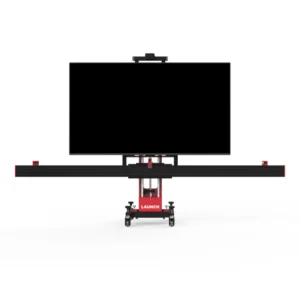
As autonomous driving tech advances, diagnostic systems must calibrate complex sensor suites, including LiDAR, radar, and stereoscopic camera systems, down to sub-millimeter precision.
Future tools will incorporate high-voltage isolation diagnostic systems and battery pack cell-balancing diagnostics, allowing workshops to safely repair hybrid and electric powertrains.
Advanced diagnostic systems, data loggers, and oscilloscopes for multi-system diagnostics.
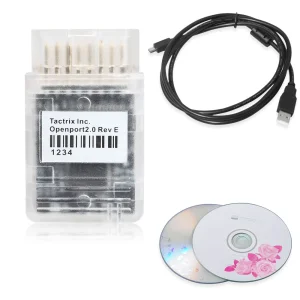
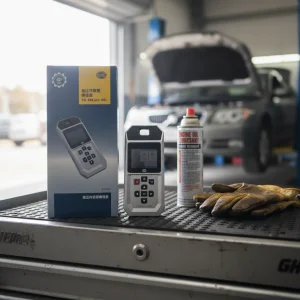
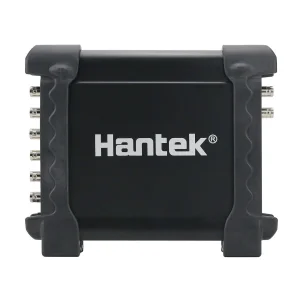
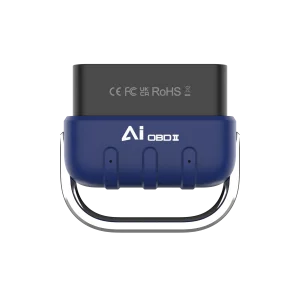
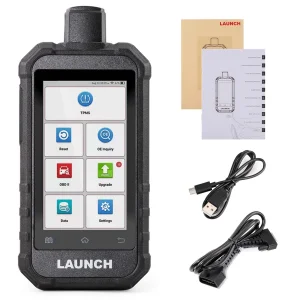
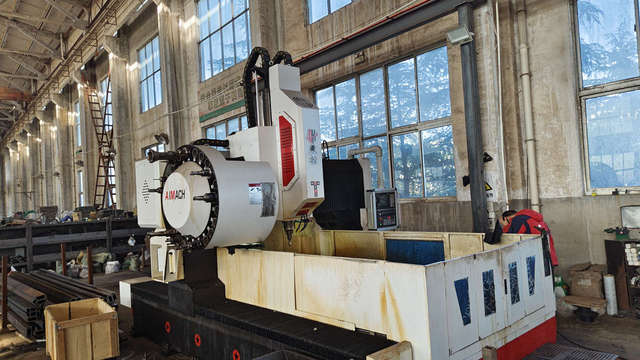
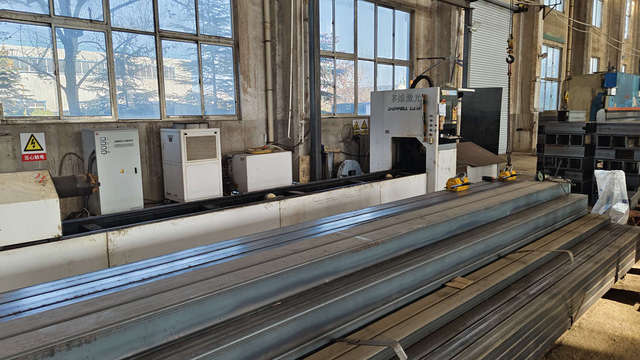
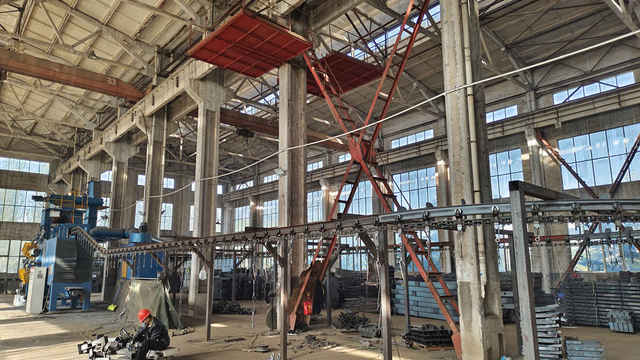
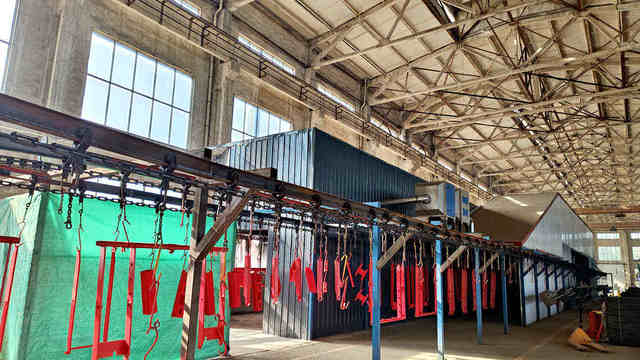
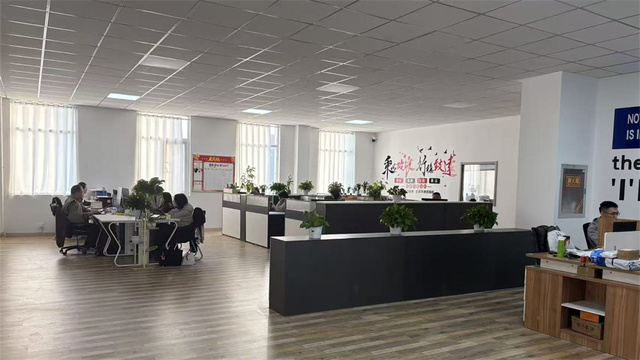
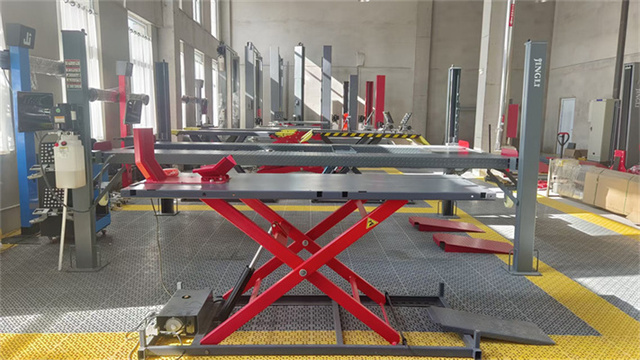
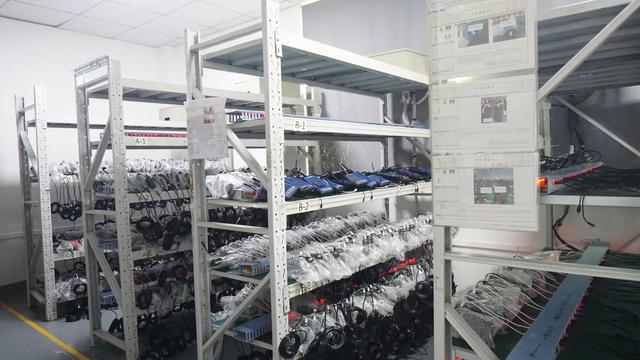
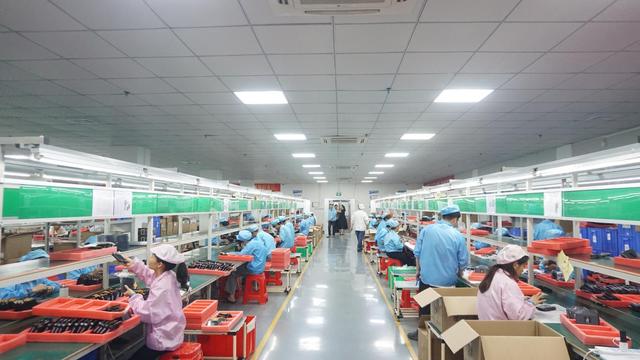
Transparent insights into our R&D facilities, high-precision assembly lines, and testing centers.
Key technical and logistical information for global distributors and importers.
Q1: Do your automotive trouble code readers support newer CAN-FD and DoIP protocols?
Yes. Our professional systems, including the LAUNCH X431 series and DA200 platforms, feature built-in hardware support for CAN-FD and DoIP (ISO 13400) protocols. This allows you to service modern vehicles—such as newer GM, Land Rover, and BMW models—without needing extra adapters or dongles.
Q2: How are software updates managed for exported diagnostic scanners?
Our Android-based diagnostic tools feature one-click OTA (Over-The-Air) updates via Wi-Fi. We host our updating servers on cloud networks globally to guarantee fast, reliable downloads in Europe, North America, and other markets.
Q3: Do you support OEM/ODM customization for wholesale B2B buyers?
Yes. We provide complete customization services, including custom plastic molds, custom boots/logo screens, localized multi-language UI translation, and specialized diagnostic software packages designed for specific vehicle ranges or diagnostic protocols.
Q4: How do your factories ensure the quality of high-precision diagnostic devices?
Quality is managed under strict ISO 9001 and IATF 16949 standards. Each scanner undergoes functional, temperature, drop, and component validation testing before packaging, ensuring durable and reliable performance in demanding repair shop environments.
 Manata Scanner